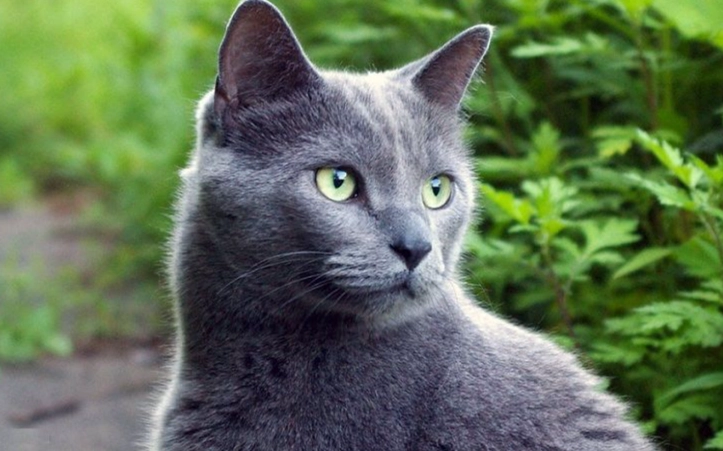
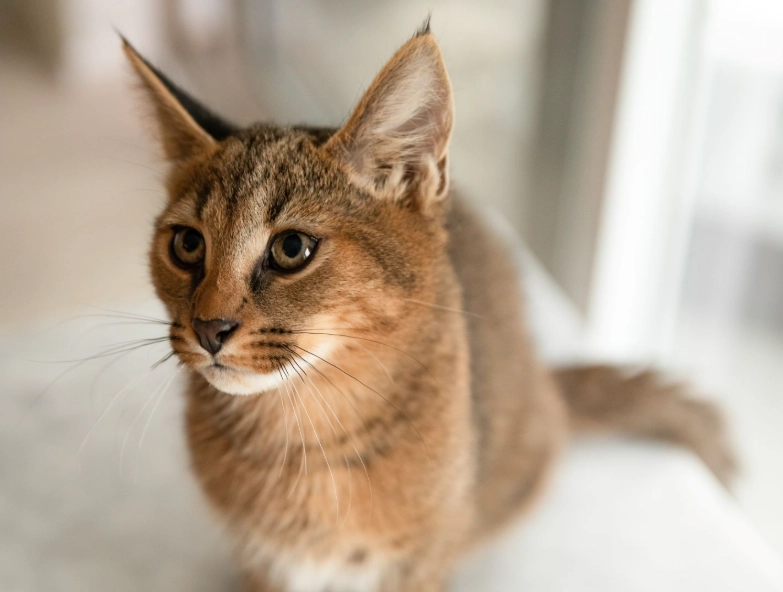
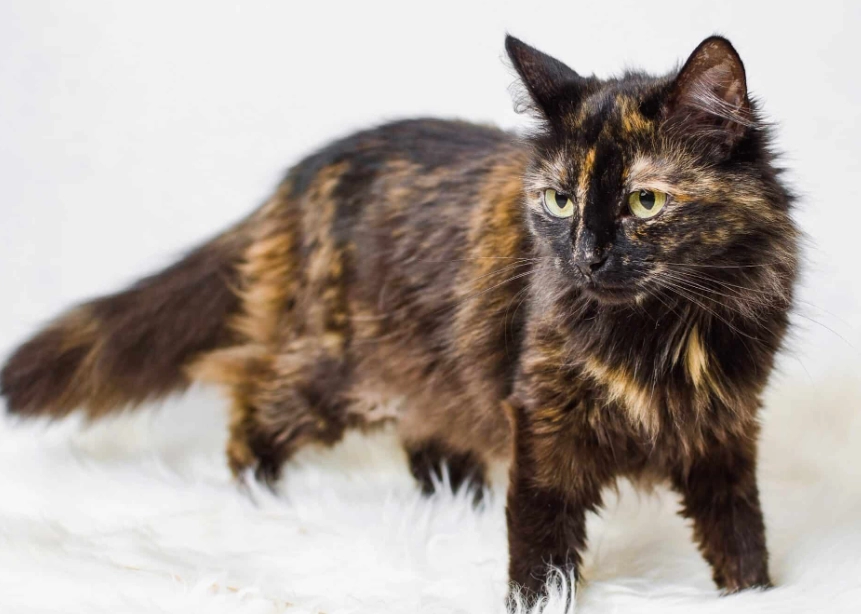
You've seen the pictures—a cat so black it seems to absorb light, with glowing green eyes and a posture of quiet elegance. The internet calls it a Black Russian cat. But here's the first thing you need to know, straight from someone who's spent years navigating the world of pedigreed cats: there is no officially recognized cat breed called the "Black Russian." The term almost always describes a stunning outlier: a Russian Blue cat born with a solid black coat.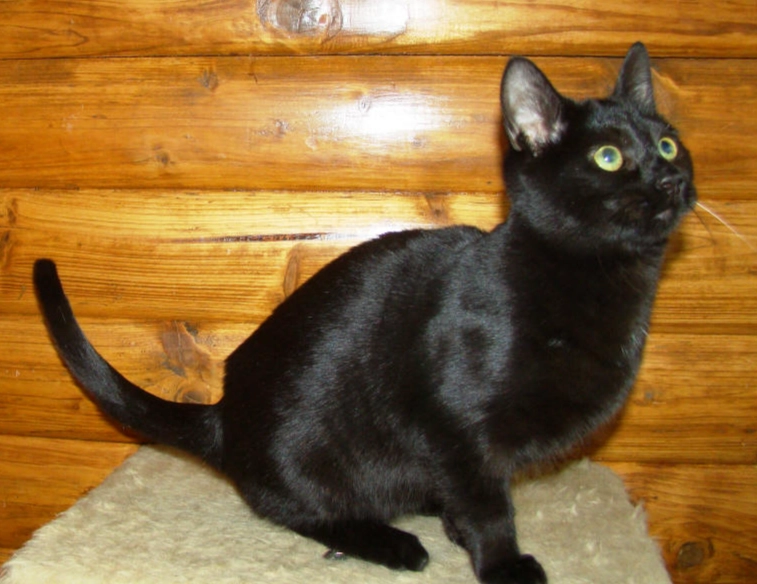
This isn't just semantics. Understanding this distinction is the key to finding a healthy cat, avoiding misleading breeders, and knowing exactly what you're bringing home. That sleek, panther-like creature isn't a separate, mysterious breed from Siberia; it's a beautiful genetic twist on one of the world's most beloved feline personalities.
Let's cut through the online folklore and talk about what a Black Russian cat really is, how to care for one, and whether their legendary temperament lives up to the hype.
What's Inside This Guide?
What Exactly Is a Black Russian Cat?
Think of the classic Russian Blue. Silvery-blue coat, vivid green eyes, a graceful build. Now, imagine that same cat dipped in midnight ink. That's the visual. Genetically, the standard Russian Blue coat color is a diluted black (that's what gives the blue-gray hue). A true Black Russian occurs when a Russian Blue inherits a rare, recessive gene for non-dilution from both parents, resulting in a solid, jet-black coat.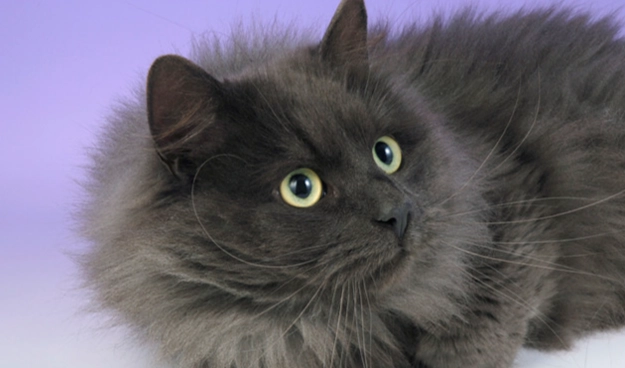
This means a few very specific things:
- They are Russian Blues first. Every other breed characteristic—body shape, head structure, eye color, and most importantly, temperament—remains pure Russian Blue.
- They are exceptionally rare. Reputable breeders focus on conforming to the breed standard, which is the blue coat. A black kitten is often a surprise in a litter and is not typically used in breeding programs aimed at preserving the recognized breed.
- Their registration is complicated. Major registries like The International Cat Association (TICA) or the Cat Fanciers' Association (CFA) register them as Russian Blues, but they may be designated as a non-standard color and cannot compete in championship shows for the traditional Russian Blue category.
I once visited a breeder who had a single black kitten in a litter of five blues. She wasn't advertising it; you had to know to ask. That's typically how it works.
Personality & Behavior: The "Velcro Cat" Reality
Forget aloof, mysterious black cat stereotypes. The personality of a Black Russian cat is 100% Russian Blue, and that means you're getting a famously devoted companion. They're often called "velcro cats" for a reason.
But it's a specific kind of attachment. They're not in-your-face, demand-meowing types. Their affection is quiet and profound. They'll follow you from room to room, settling just within eyesight. They prefer to be near you, not necessarily on you (though many will happily snuggle). Expect a soft paw reaching out to touch your arm, or a gentle head-butt when you're working.
They're also surprisingly playful well into adulthood, enjoying puzzle toys and gentle games of fetch. Their voice is another charming trait—a soft, melodic chirp rather than a loud meow.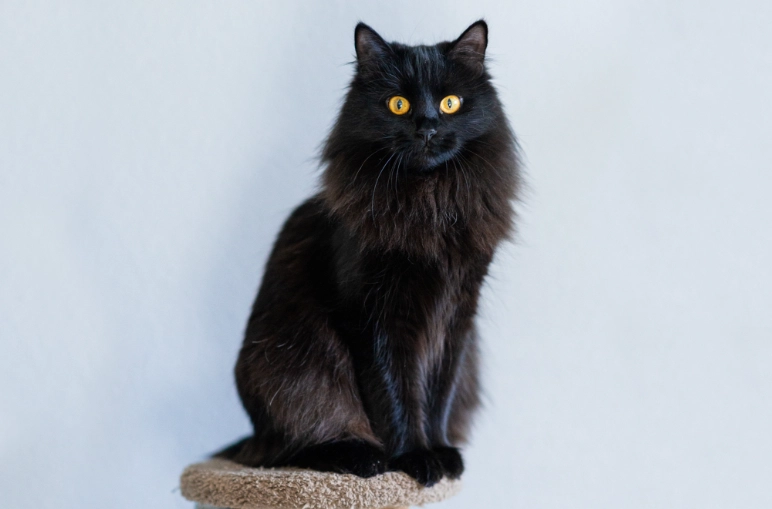
Complete Care Checklist: Diet, Grooming & Environment
Caring for a Black Russian cat is straightforward if you understand their core needs. It's less about special tricks and more about consistency and quality.
Diet & Nutrition: Fuel for the Sleek Coat
That magnificent black coat is a direct reflection of what they eat. A low-quality, grain-heavy diet can make the fur look rusty or dull, with a brownish cast in sunlight.
- Priority #1: High Animal Protein. Look for wet or dry food where a named meat (chicken, turkey, fish) is the first, second, and third ingredient. They are obligate carnivores.
- Feeding Schedule: Two measured meals a day is better than free-feeding. Russian Blues have a good appetite and can gain weight if food is constantly available.
- Hydration: Encourage water intake. A cat water fountain often works wonders, as they prefer moving water.
Grooming: Simpler Than You Think
Their dense double coat is plush and resists matting. You don't need a complex routine.
- Brushing: A weekly once-over with a fine-toothed metal comb or a soft bristle brush is perfect. It removes dead hair and distributes skin oils.
- Bathing: Rarely needed. Over-bathing strips natural oils. Only bathe if they get into something sticky or dirty.
- Shedding: They are moderate shedders. You'll notice more during seasonal changes. Regular brushing is the best control.
Ideal Home Environment
These cats thrive on predictability. They appreciate:
- Quiet Spaces: Access to high perches or a cozy cat tree in a calm corner.
- Routine: Consistent meal times, play sessions, and quiet time.
- Mental Stimulation: Food puzzle toys, window perches for bird-watching, and interactive wand toys.
Lifespan & Health Concerns You Must Know
Russian Blues are generally robust, healthy cats with a lifespan of 15-20 years. The black color variant does not introduce new health problems. However, being a purebred, they have a few predispositions to be aware of.
The most common issue is urinary tract health. They can be prone to stress-related cystitis and crystal formation. This is why the hydration point in their diet is critical. Wet food contributes significantly to their fluid intake.
Like all cats, regular veterinary check-ups (at least annually), core vaccinations, and dental care are non-negotiable. A common oversight I see is neglecting dental health until there's a problem. Starting tooth-brushing early, even just a few times a week, can prevent painful and expensive issues down the line.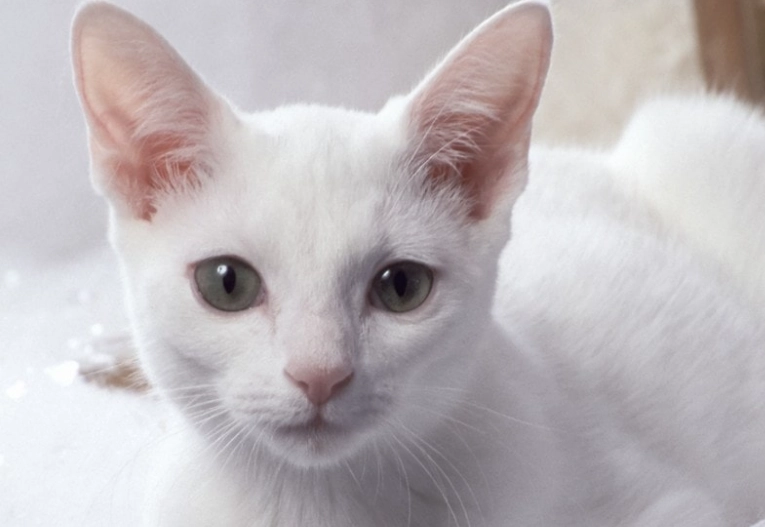
How to Find a Black Russian Cat Ethically
This is where you must be vigilant. Because of their rarity and striking looks, "Black Russians" are sometimes used by unscrupulous breeders.
Do NOT simply Google "Black Russian cat breeder." Most top results will be backyard breeders or scams.
DO:
- Go to the source. Visit the websites of TICA or CFA and use their "Find a Breeder" directories for Russian Blue breeders.
- Contact these reputable breeders directly. Explain your interest in the breed and ask if they have ever had black-coated kittens in their lines.
- Be prepared to wait, possibly years, and pay a premium. A healthy, well-socialized kitten from health-tested parents is an investment.
- Consider adoption. Check Russian Blue breed-specific rescues. While rare, black cats with Russian Blue features do sometimes end up in shelters or rescues, mislabeled as domestic shorthairs.
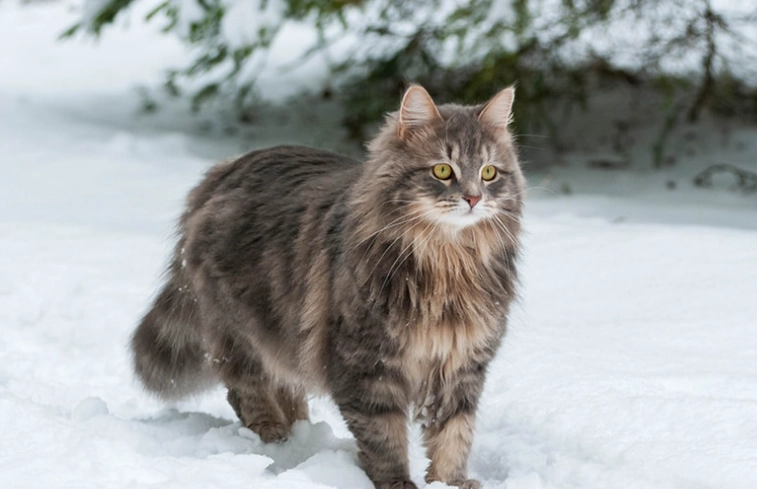
Myths vs. Facts: Separating Folklore from Reality
| Common Myth | The Fact-Based Reality |
|---|---|
| Myth: They are hypoallergenic. | Reality: No cat is truly hypoallergenic. Russian Blues produce less of the Fel d 1 glycoprotein, a common allergen, than some breeds. Many people with mild allergies tolerate them well, but there are no guarantees. Always spend time with one before committing. |
| Myth: Black Russian cats are bad luck or have a sinister personality. | Reality: This is pure superstition. Their personality is gentle, loyal, and sweet. The "sinister" reputation of black cats is a cultural artifact with no basis in feline behavior. |
| Myth: They are a separate, ancient breed from Russia. | Reality: They are a color variant of the Russian Blue. The Russian Blue's origins are debated (possibly from the Archangel Isles in Russia), but the black version is a modern genetic occurrence within the established breed. |
| Myth: They require extremely complex grooming. | Reality: Their care is remarkably low-maintenance. Weekly brushing and good nutrition are the pillars of coat care. They are not a high-maintenance grooming project like some long-haired breeds. |
Your Questions, Answered
At the end of the day, a Black Russian cat offers the sublime elegance of a panther with the heart of a devoted, quiet companion. They're not for everyone—they need a calm home and an owner who appreciates subtlety over flashy extroversion. But if you're looking for a deep, quiet bond with a stunningly beautiful feline, understanding the truth behind the name is your first step toward finding one.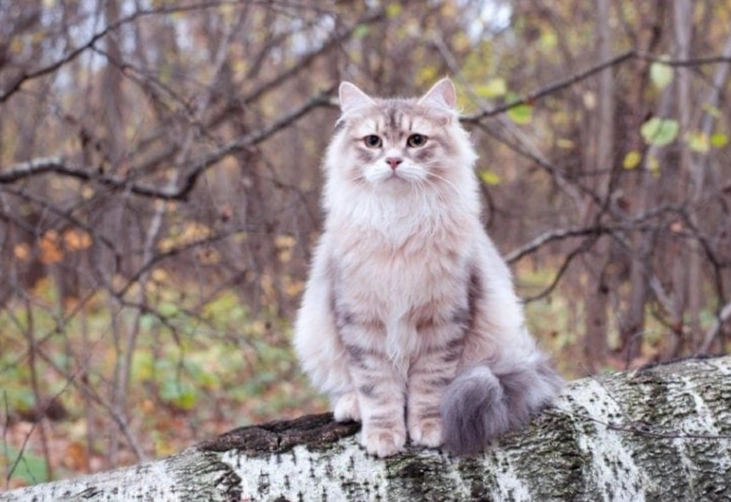
Just remember, you're not shopping for a mythical creature. You're seeking a beautiful accident of genetics in one of the cat world's most cherished and gentle breeds.