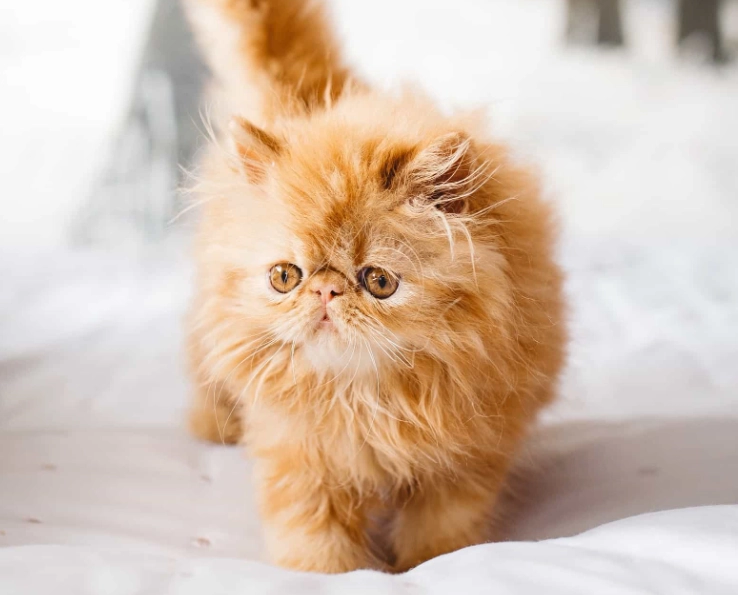
Let's cut to the chase. You're drawn to Persian cats because of their stunning, luxurious coats and sweet, flat faces. They look like living plush toys. I get it. But behind that Instagram-perfect appearance lies a reality many first-time owners aren't prepared for. This isn't about bashing a beloved breed. It's about giving you the unvarnished truth so you can decide if your lifestyle and commitment level match what a Persian cat genuinely needs. Owning one is less like having a pet and more like adopting a high-maintenance, furry royalty with specific health predispositions. If you're not ready for daily grooming sessions, potential four-figure vet bills, and a cat that prefers naps to play, another breed might save you a lot of stress.
What to Expect in This Guide
The Daily Grooming Marathon (It's Not Optional)
That magnificent coat is the number one source of Persian cat problems. It's not just "long hair"; it's fine, dense, and prone to matting at an alarming rate. Think of it like super-fine angora wool. Miss a single day of brushing, and you're on the fast track to painful mats, especially under the arms, behind the ears, and around the hindquarters.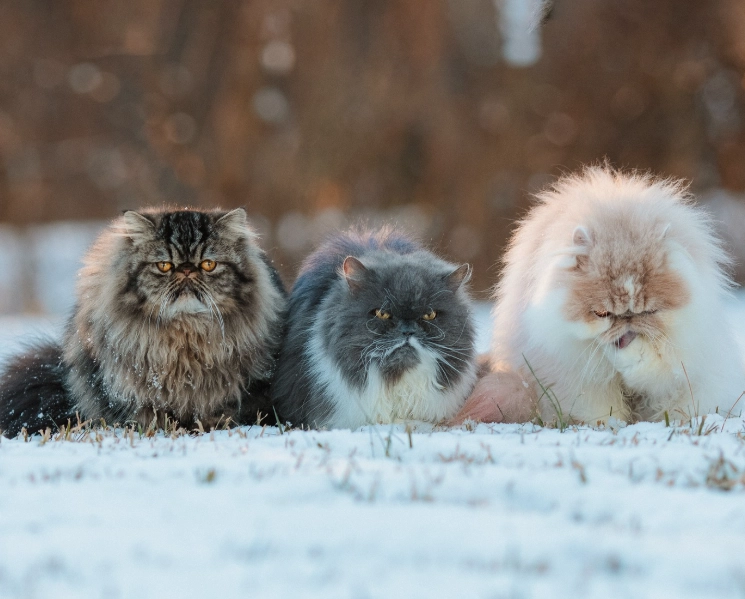
Here's what a realistic grooming routine looks like, broken down by tool and task:
| Tool | Purpose | Frequency | What Happens If You Skip It |
|---|---|---|---|
| Wide-toothed metal comb | Primary tool to prevent mats, reaches the skin. | Daily, without fail. | Mats form within 24-48 hours. These pull on the skin, cause pain, and trap moisture leading to skin infections. |
| Slicker brush | Follow-up to the comb, removes loose hair and smooths the topcoat. | Daily, after combing. | Excess loose hair is swallowed during self-grooming, leading to more frequent hairballs. |
| Blunt-tipped scissors / Clippers | Sanitary trims (butt & paw fur), dealing with small mats. | Every 1-2 weeks. | Fecal matter sticks to long fur, causing hygiene issues and potential urinary tract infections from bacteria. |
| Professional Groomer Visit | Full bath, blow-dry, nail trim, and expert dematting. | Every 4-6 weeks. | Coat condition deteriorates rapidly. Most owners cannot properly bathe and dry a Persian at home without causing mats or stress. |
A friend of mine learned this the hard way. She thought "weekly brushing" would suffice. After a busy work week, she found a single, large mat near her cat's tail. Trying to comb it out was impossible; the cat was in too much pain. The only solution was a vet visit for sedation and shaving—a stressful and expensive ordeal for everyone. This is a common story.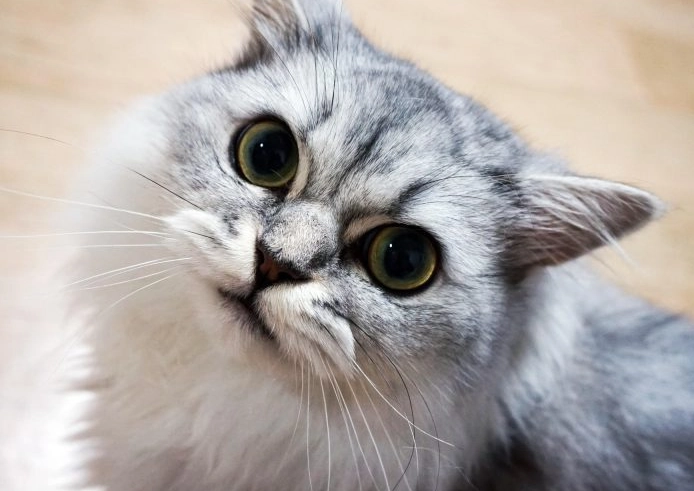
The Face Cleaning Ritual
Beyond the body, the Persian's brachycephalic (flat) face creates folds of skin. Tears don't drain properly due to shortened tear ducts, leading to constant eye staining. Food and debris get trapped in the facial folds. This requires a daily wipe-down with a soft, damp cloth or a vet-recommended wipe. Ignore this, and you'll get brown tear stains (which can permanently dye light fur) and risk painful skin fold dermatitis—a smelly, itchy bacterial or yeast infection hidden in those cute wrinkles.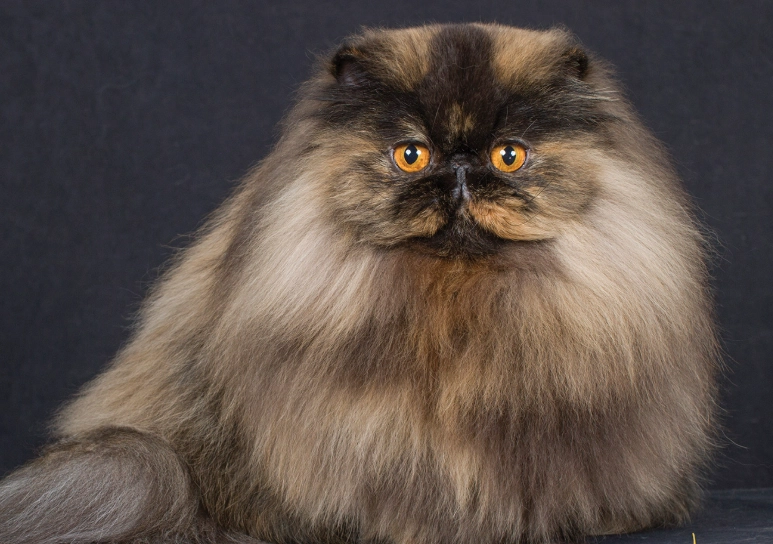
Common Persian Cat Health Problems You Must Know About
Persians are genetically predisposed to several serious health issues. Reputable breeders test for these, but it doesn't eliminate the risk. Being aware is crucial for early detection and budgeting.
Polycystic Kidney Disease (PKD): This is the big one. An autosomal dominant genetic disorder where cysts develop in the kidneys, eventually leading to kidney failure. The International Cat Association notes Persians are a high-risk breed. A responsible breeder will provide proof that both parents are PKD-negative via a DNA test. Never buy a Persian without seeing this documentation.
Brachycephalic Airway Syndrome: That flat face comes at a cost. Their shortened skulls mean narrowed nostrils, an elongated soft palate, and a smaller windpipe. This leads to:
- Loud snoring and snorting sounds even at rest.
- Exercise intolerance: They overheat and get winded easily.
- Increased risk during anesthesia and in hot weather.
Many owners dismiss the snorting as "cute," but in severe cases, it can require corrective surgery to improve airflow.
Dental Issues: Crowded teeth in that small jaw are a recipe for periodontal disease. The American Veterinary Dental College states that most cats have some form of dental disease by age 3. For Persians, it starts earlier and progresses faster. Annual dental check-ups and likely professional cleanings under anesthesia are a standard part of ownership.
Other Notable Concerns:
- Hypertrophic Cardiomyopathy (HCM): A form of heart disease.
- Progressive Retinal Atrophy (PRA): Can lead to blindness.
- Urinary Tract Issues (FLUTD): Their sedentary nature can contribute to problems.
The Real Cost of Owning a Persian: A Financial Breakdown
Initial purchase from a reputable breeder is just the entry fee. The lifetime cost is where the Persian cat disadvantages hit your wallet hard.
Lifetime Cost Snapshot (Beyond Standard Cat Care)
Upfront & Regular Costs:
- Kitten from ethical breeder: $1,500 - $3,500+ (Pet-quality). Show-quality is higher.
- Monthly grooming supplies: $30 - $60 (Quality combs, brushes, shampoos, wipes).
- Professional grooming (every 4-6 weeks): $80 - $150 per session. That's roughly $1,000 - $2,000 annually.
- Premium food: Often need specialized formulas for hairball control or urinary health. Adds 20-30% to the food bill.
Potential Major Medical Bills:
- PKD management/renal failure care: Thousands of dollars in diagnostics, special diets, fluids, and medications.
- Brachycephalic airway surgery: $1,500 - $4,000.
- Dental cleaning/extractions: $800 - $2,000 per procedure, likely needed multiple times in their life.
- Emergency mat removal under sedation: $300 - $800 (avoidable with daily grooming, but common).
Pet insurance is almost a necessity for this breed. Get it while the cat is young, as pre-existing conditions won't be covered.
Temperament: Calm Companion or Just Low-Energy?
Persians are famously laid-back. They're not going to scale your curtains or demand hours of interactive play. For some, this is a perfect fit. But this low-energy personality can be misinterpreted.
It's not just "calm." It's often a profound disinterest in high activity. This sedentary lifestyle, combined with their love of food, makes them prone to obesity. You have to consciously manage their diet and encourage gentle play. A fat Persian is at even higher risk for arthritis, diabetes, and urinary issues.
They are typically affectionate but on their own terms—often a "lap cat" when they choose to be. Don't expect dog-like enthusiasm or a cat that entertains itself with acrobatics. Their idea of a big day is moving from the sunny spot on the floor to the plush bed on the couch. If you want an engaging, playful partner, a Persian might feel like a beautiful, furry piece of furniture.