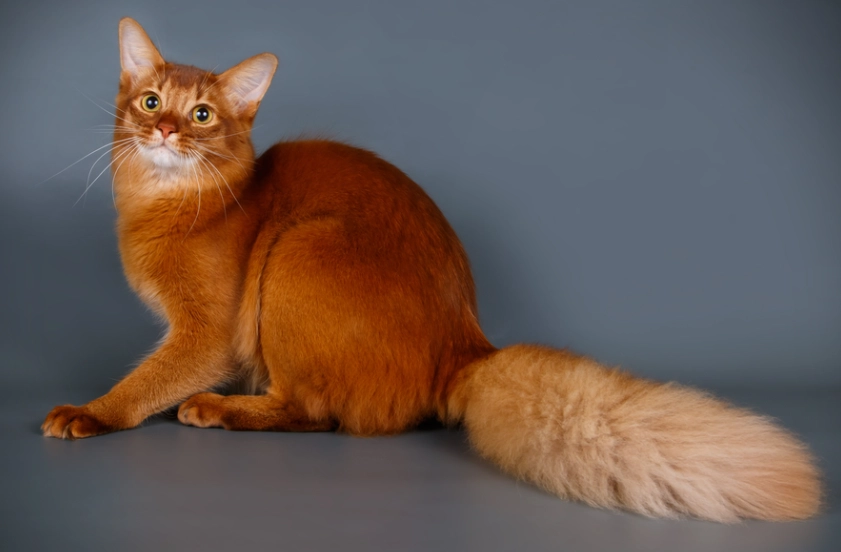
You're probably here because you typed "What is the lifespan of an Abyssinian cat?" into Google. The quick, textbook answer is 9 to 15 years. But if you own an Aby or are thinking about getting one, you know that number feels hollow. It doesn't tell you why some live to 18 while others face challenges earlier. It doesn't tell you what you can actually do about it. I've been around these "little cougars" for over a decade, bred them, and lost a few too soon. The lifespan isn't just a statistic; it's a story written by genetics, care, and a bit of luck. Let's get past the basic number and talk about what truly determines how long your adventurous, ticked-coat companion will be by your side.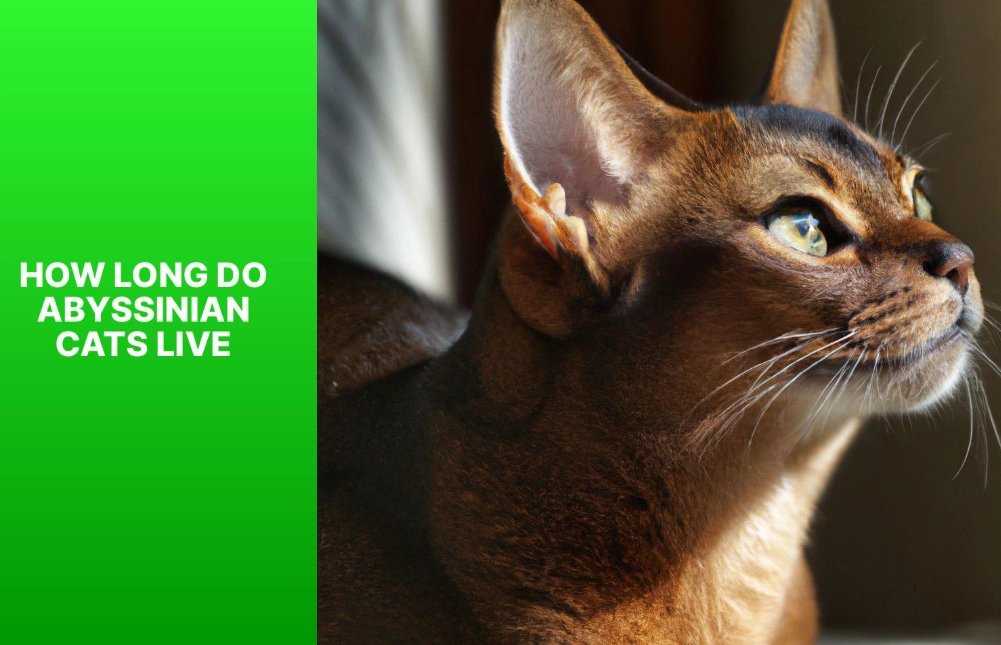
What You'll Learn in This Guide
The Average Lifespan: Setting Realistic Expectations
Most sources, including breed profiles from the Cat Fanciers' Association (CFA), will state a range of 9 to 15 years. In my experience, that's the broad middle. A well-cared-for indoor Abyssinian today often hits 13 to 15 years without major issues. I've known several that celebrated their 18th birthday, still mischievous but a bit slower. The lower end of that range often comes into play when specific, preventable health issues aren't managed or when a cat has outdoor access. The single biggest factor pushing the average up? Keeping them strictly indoors. It removes the risks of cars, predators, fights, and many contagious diseases instantly.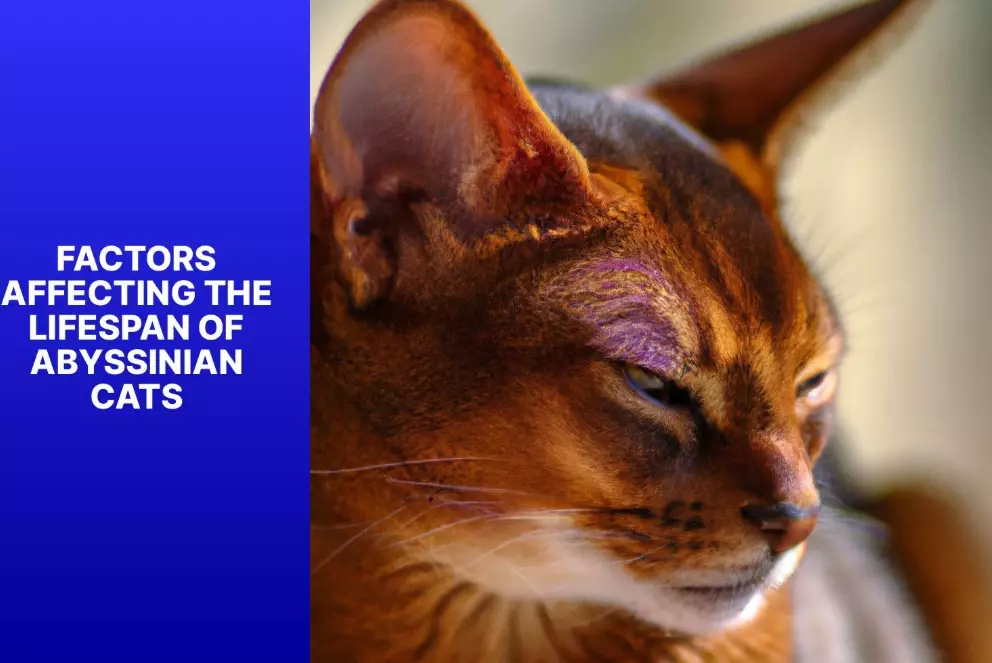
Key Takeaway: Don't fixate on the average. Focus on the upper end of the range. With proactive care, your goal shouldn't be 12 years; it should be 15+. That mindset shift changes everything about how you care for them.
What Really Affects an Abyssinian Cat's Lifespan?
Think of lifespan as a pie chart. Genetics is a big slice, but daily care is an even bigger one. Here’s how they break down.
| Factor | Impact Level | What You Can Do |
|---|---|---|
| Genetics & Breeding | High | Choose a reputable breeder who tests for PK-def, PRA, and renal amyloidosis. Ask for health clearances of parents. |
| Indoor vs. Outdoor Life | Extremely High | Keep your Aby indoors 100%. Use catios, leash training, or window perches for safe stimulation. |
| Diet & Weight Management | High | Feed high-protein, quality food. Measure portions. An overweight Aby is at risk for diabetes and joint issues. |
| Preventive Veterinary Care | High | Annual check-ups (bi-annual for seniors), core vaccinations, and consistent dental care. |
| Mental & Physical Stimulation | Moderate-High | Prevent boredom and stress-related illness with daily interactive play, puzzle feeders, and vertical space. |
| Spaying/Neutering | Moderate | Reduces risk of certain cancers and eliminates risks associated with roaming and mating. |
A mistake I see? People get the genetics right but fail on the daily care. They buy from a great breeder, then free-feed kibble and wonder why their cat gets chunky by age 5. Or they skip dental cleanings, not realizing that periodontal disease can lead to systemic inflammation affecting the heart and kidneys. The World Small Animal Veterinary Association (WSAVA) emphasizes the link between oral health and overall longevity.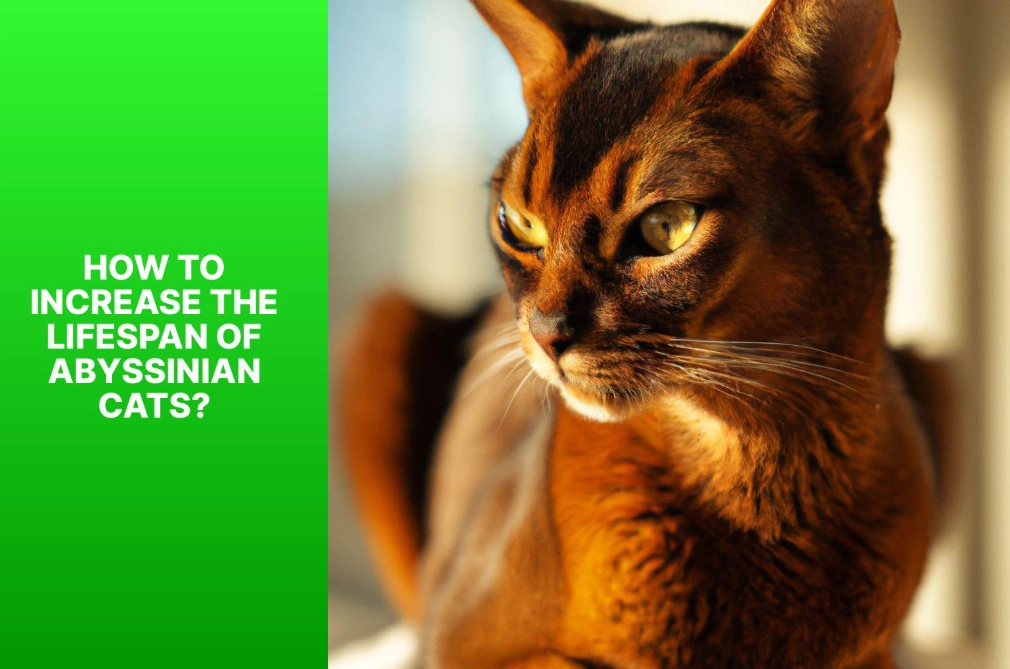
Specific Health Issues That Can Shorten an Aby's Life
Abyssinians are generally healthy, but they have a few breed-specific susceptibilities. Knowing these isn't to scare you, but to empower you to catch things early.
Pyruvate Kinase Deficiency (PK-def)
This is an inherited anemia. Two carriers bred together can produce kittens with the disease. Reputable breeders test for this. A cat with PK-def can still live a good life, but it requires careful management and can lead to a shortened lifespan if severe. Always ask for proof of PK-def testing.
Progressive Retinal Atrophy (PRA)
It causes blindness. While not fatal, a blind cat in an unfamiliar or unsafe environment is at high risk of injury. Keeping your home layout consistent is crucial if your Aby develops PRA.
 Renal Amyloidosis
This is the big one. It's where abnormal protein deposits damage the kidneys, leading to failure. It tends to show up in middle age (4-7 years old). Here's the non-consensus part: Many vets treat the symptoms when kidney values rise. But the real window for potential impact is earlier. I advocate for annual blood work starting at age 3 for Abyssinians, not waiting until 7 or 8. A slight, creeping increase in creatinine might be your earliest warning to implement a renal-support diet and supplements before it becomes full-blown failure.
Hyperthyroidism and Dental Disease
These aren't exclusive to Abys, but they're common in all older cats. Hyperthyroidism speeds up their metabolism, leading to weight loss and heart strain. Dental disease is a silent killer, causing pain and systemic infection. I budget for a professional dental cleaning every 1-2 years after age 4, and it's worth every penny.
Actionable Steps to Maximize Your Abyssinian's Lifespan
This is where you take control. Forget vague advice; here's your checklist.
- The Food Rule: Ditch the all-you-can-eat buffet. Feed measured meals of a wet-food-based or high-quality dry diet. Look for protein as the first ingredient. My personal brand preference isn't important, but I avoid foods with corn, wheat, or soy as main ingredients.
- The Water Trick: Abys can be poor drinkers. Use a cat water fountain. Add water to their wet food. Dehydration is a fast track to urinary and kidney issues.
- The Play Commandment: 15 minutes of intense, interactive play (da bird, laser pointer, wand toy) twice a day. Not just for fun—it mimics hunting, manages weight, and prevents behavioral problems born from boredom.
- The Vet Partnership: Don't just go for vaccines. At each annual visit, discuss: weight trend, dental health, and run a senior blood panel (even if they're not quite "senior" yet). Early detection is everything.
- The Safe Environment: Indoor-only. Period. Also, cat-proof your home. Toxic plants (lilies are deadly), loose strings, open windows without screens—these are all hazards for a curious Aby.
Caring for Your Senior Abyssinian Cat
Around age 10, the game changes. Your lightning-fast acrobat might start to hesitate before a jump. Here’s what to adjust.
Increase vet visits to every 6 months. Arthritis is incredibly common but often undiagnosed. Look for subtle signs: not jumping onto their favorite perch, stiffness after resting, or litter box accidents (because the sides are too high). Provide low-sided litter boxes and ramps or steps to furniture.
Their nutritional needs shift. Senior diets with joint support (glucosamine, omega-3s) and adjusted phosphorus levels for kidney health become important. Talk to your vet.
Most importantly, adjust your expectations. They still want to play, but the session might be 5 minutes instead of 15. They still want your lap, but might need help getting there. This stage is about comfort and quality of life.
Your Top Lifespan Questions Answered
 I'm considering pet insurance for my Aby kitten. Is it worth it for potential lifespan-extending care?
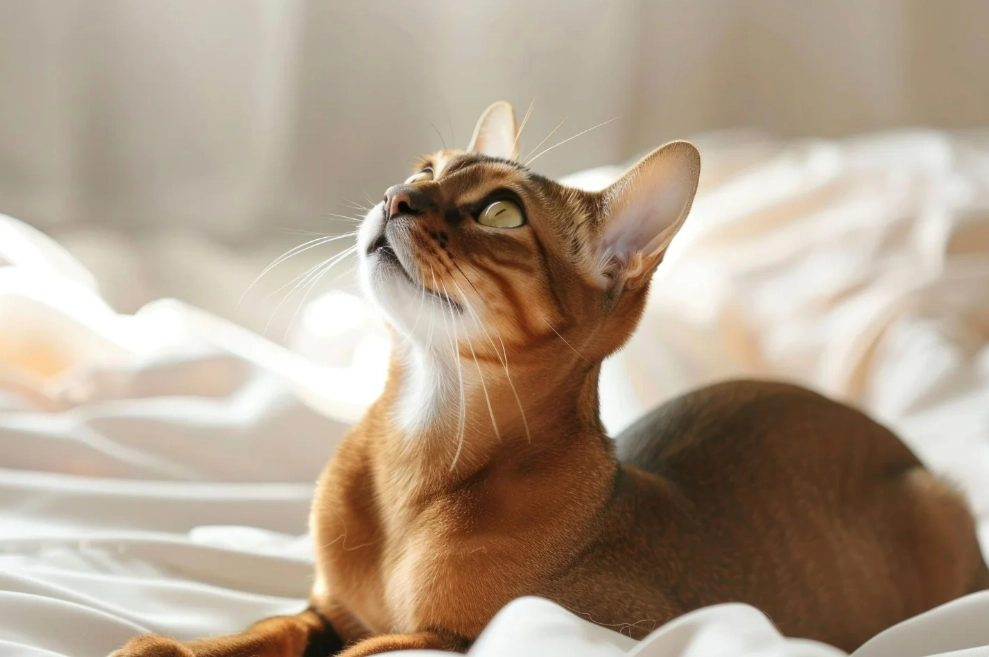 So, what is the lifespan of an Abyssinian cat? It's a range, but more importantly, it's a partnership. Their genetics set the potential, but your daily choices in diet, environment, and preventive healthcare are what help them reach—and often exceed—that potential. It's not about wrapping them in bubble wrap, but about understanding their unique breed blueprint and working with it. Start with a healthy kitten from a responsible breeder, commit to an indoor life, engage that brilliant mind and body, and be vigilant about health monitoring. Do that, and you're not just hoping for a long life together—you're actively building it, one playful chase and one vet check-up at a time.