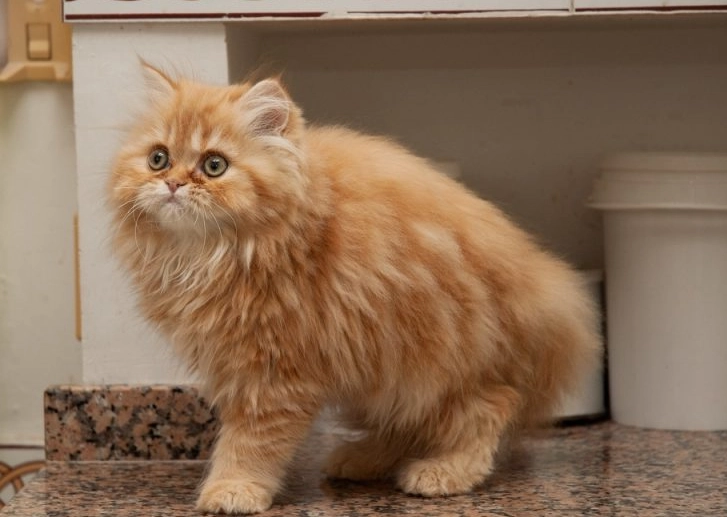
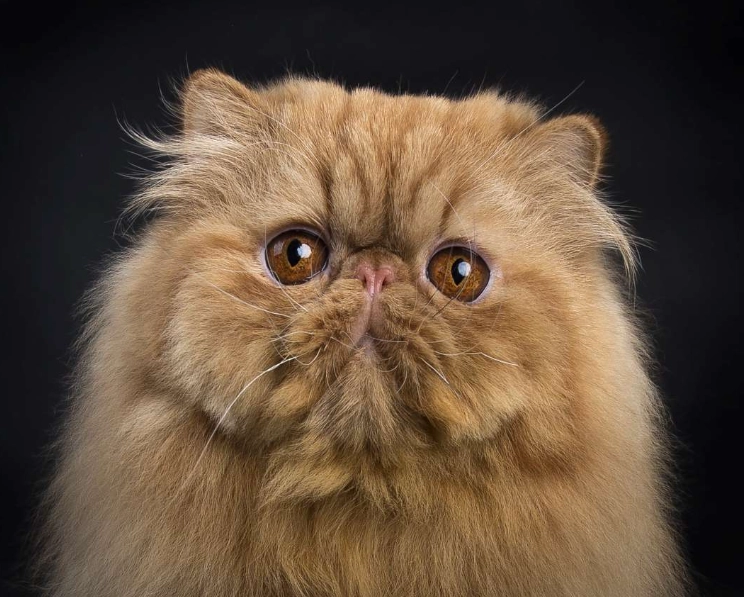
Let's cut to the chase. If you're asking this question, you've probably fallen for a Persian cat's soulful eyes and luxurious coat. The short answer is yes, Persian cats are widely considered one of the highest maintenance cat breeds. But that "yes" needs a lot of unpacking. It's not just about brushing. It's a commitment that touches daily grooming, vigilant health monitoring, and a specific lifestyle. I've lived with Persians for over a decade, and the biggest mistake I see is people admiring the showroom model without reading the intensive owner's manual. This guide isn't about scaring you off; it's about giving you the unvarnished truth so you can decide if you're ready for the beautiful, demanding journey.
What You'll Find in This Guide
The Daily Grooming Reality: More Than a Quick Brush
Forget the image of a leisurely weekly brush. Persian coat care is a non-negotiable daily ritual. Their long, fine fur mats incredibly easily. A single missed day can lead to tangles, and within a week, you could be facing painful, skin-pulling mats that often require shaving by a vet.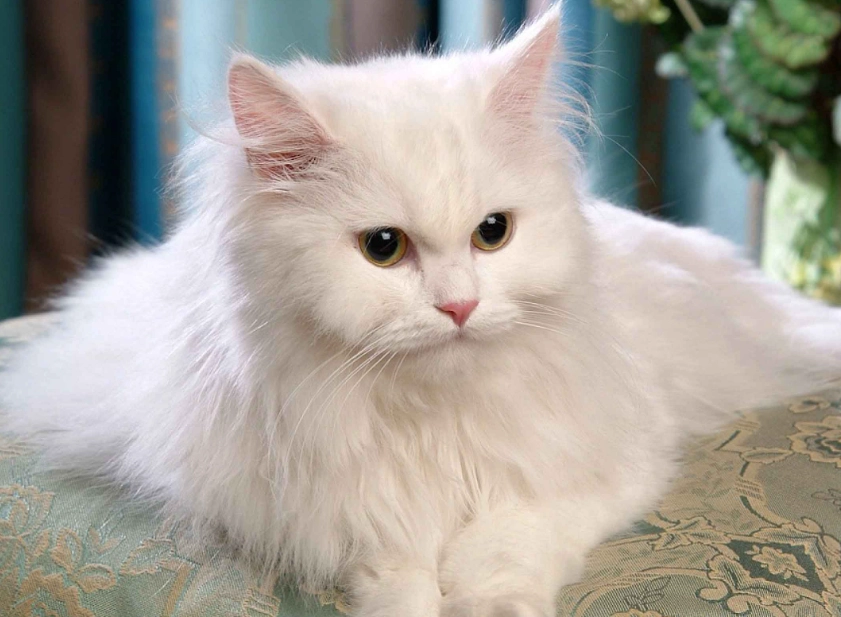
The goal isn't just to make them look pretty. It's to prevent skin infections, discomfort, and expensive professional dematting.
Your Essential Grooming Toolkit
You'll need more than one brush. A wide-toothed metal comb is your primary weapon for working through the full depth of the coat, right down to the skin. A slicker brush helps with the top layer. Many owners swear by a quality detangling spray for stubborn knots. I also keep small, sharp scissors (with rounded tips) for safely snipping out tiny mats before they grow, but this requires a very steady hand and calm cat.
The Step-by-Step Daily Session
Start young to get them accustomed to it. A ten-minute session is ideal. Work in sections, lifting the top hair to comb the undercoat. Pay special attention to high-friction areas: behind the ears, under the armpits, and around the hindquarters. Many Persians develop a perpetually stained chin and eye area due to their facial structure. This requires daily wiping with a soft, damp cloth to prevent bacterial growth and crusting.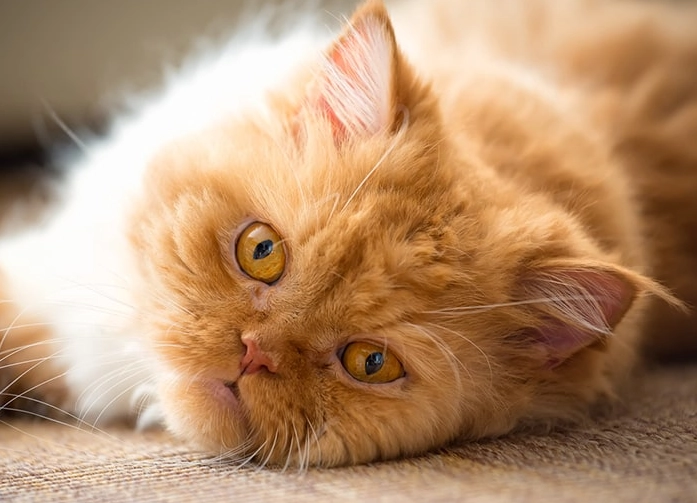
Here’s a quick look at the grooming commitment:
| Task | Frequency | Time Required | Purpose & Tips |
|---|---|---|---|
| Full Coat Combing | Daily | 10-15 minutes | Prevent mats. Use a metal comb from skin outward. |
| Face Cleaning | Daily | 2-3 minutes | Wipe tear stains and chin with warm water or pet-safe wipe. |
| Nail Trimming | Bi-weekly | 5 minutes | Prevent overgrowth and furniture damage. |
| Bathing | Every 4-6 weeks | 30-45 minutes | Use cat-specific shampoo. Fully dry with a low-heat dryer to prevent chill and mats. |
Bathing is another beast. It's not optional. Their coat collects dirt and oils. A bath every month or so keeps the fur manageable and clean. The drying process is crucial—air drying will almost certainly cause massive matting.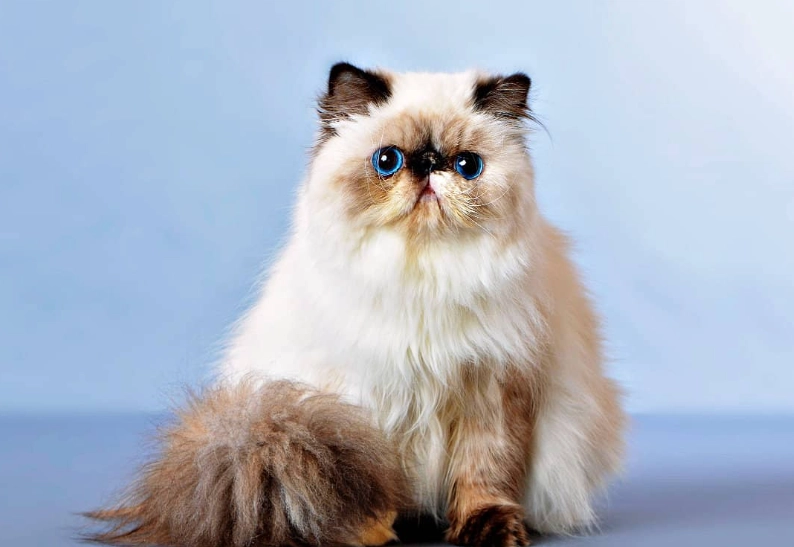
Health Concerns You Can't Ignore
This is where the "high maintenance" label gets serious. Their iconic flat face (brachycephaly) is the root of several issues. It's not just a cute look; it's a structural health compromise.
Breathing Problems (Brachycephalic Airway Syndrome): Their shortened airways mean many Persians snore, snort, and can struggle with breathing, especially in heat or during exertion. Overheating is a real risk. You'll need to keep your home cool and watch them closely in summer.
Eye Issues: Their large, prominent eyes don't drain tears properly, leading to constant tearing (epiphora) and those classic stains. More critically, they are prone to conditions like cherry eye and entropion (where the eyelid rolls inward, irritating the cornea). Daily observation is key.
Polycystic Kidney Disease (PKD): This is a genetic disorder prevalent in Persians. Reputable breeders test their breeding cats for PKD, and you must ask for proof. According to the International Cat Care, PKD leads to cysts in the kidneys that can eventually cause kidney failure. A kitten from untested parents is a major health gamble.
Dental Problems: Their unique jaw structure often leads to crowded teeth, making them more susceptible to periodontal disease. Annual dental check-ups and at-home teeth brushing should be part of your plan.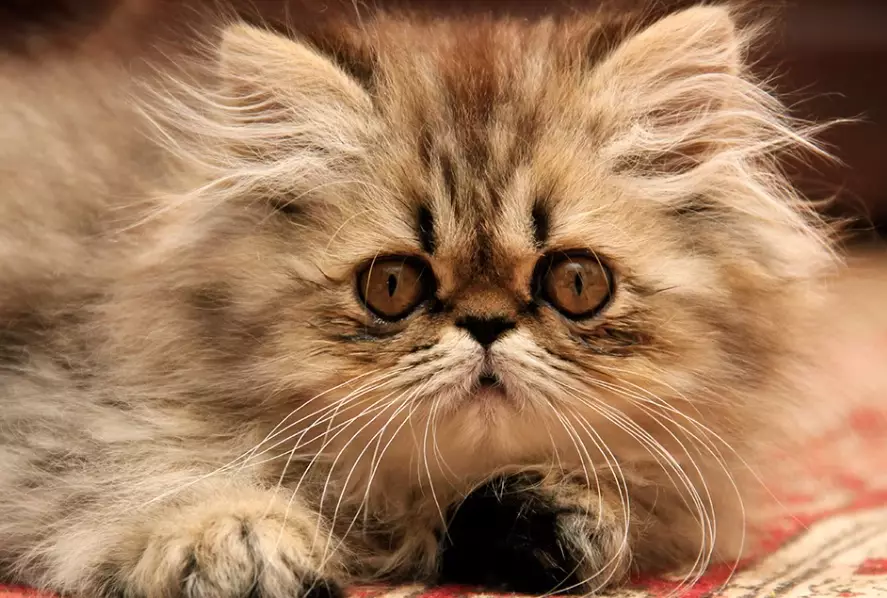
The Vet Relationship: You won't be a once-a-year visitor. Plan for at least two check-ups annually. Establish a relationship with a vet experienced with brachycephalic breeds. Budget for it. A common oversight is not discussing potential airway surgery options early if breathing problems severely impact quality of life.
Lifestyle Fit: Are You and Your Home a Match?
Persians aren't the cats who will scale your curtains or demand hours of intense play. Their maintenance extends into your daily environment.
They are quintessential indoor cats. That luxurious coat is a dirt magnet, and their lack of street smarts makes them vulnerable outdoors. Your home needs to be their safe, enriched castle.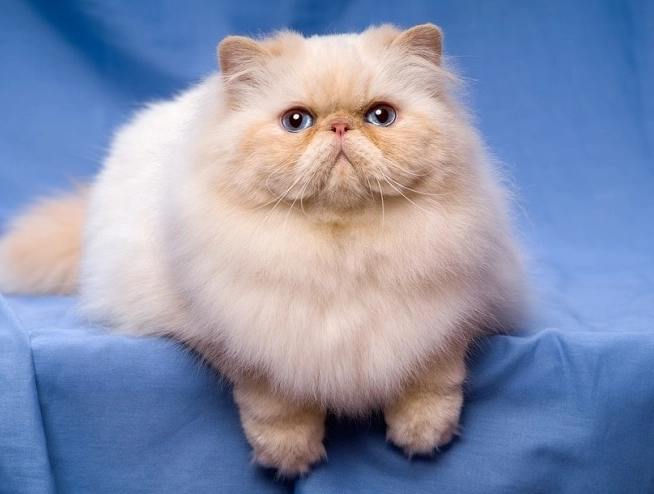
Litter Box Fastidiousness: Here's a rarely mentioned but critical point. Long fur around the hindquarters can trap litter box debris. Many owners opt for a top-entry litter box or keep the fur in that area neatly trimmed (a "sanitary clip") to prevent messes and urinary tract infections from improper cleaning. You'll likely need to experiment with different types of litter—dusty clay can cling to their fur and be ingested during grooming.
Activity Level: They are calm, even lazy. But this doesn't mean zero play. Interactive wand toys that mimic prey are great for low-impact exercise to prevent obesity. Puzzle feeders can engage their minds. Don't mistake their placid nature for a complete lack of need for stimulation.
Home Environment: Keep your home clean. Dust and debris stick to them. A HEPA air filter can help reduce allergens (for you) and keep their coat cleaner. Provide stable, easy-to-access perches—they're not great jumpers. Ensure all their resources (food, water, litter, beds) are on the same floor to minimize stressful climbing.
The Real Cost of a Persian Cat (Beyond the Purchase Price)
The initial cost from a responsible breeder is significant, often $1,500 to $3,000+. But that's just the entry fee. The ongoing financial maintenance is substantial.
- Premium Food: To support skin and coat health, expect to spend $50-$80 per month on high-quality dry and wet food.
- Grooming Supplies & Professional Grooming: Brushes, combs, shampoos, wipes—about $20/month. If you ever need a professional groomer for a shave or bath, it's $80-$150 per session.
- Veterinary Care: This is the big variable. Annual check-ups, vaccines, and preventative care: $300-$500. But you must budget for the known issues. Dental cleaning under anesthesia? $500-$1,000. An eye surgery for entropion? $1,000-$2,000. Pet insurance is not a luxury; it's a financial necessity for this breed. A good policy can cost $40-$70 per month but can save you thousands.
Over a 12-15 year lifespan, the total cost of ownership can easily exceed $20,000, with a large portion dedicated to healthcare.