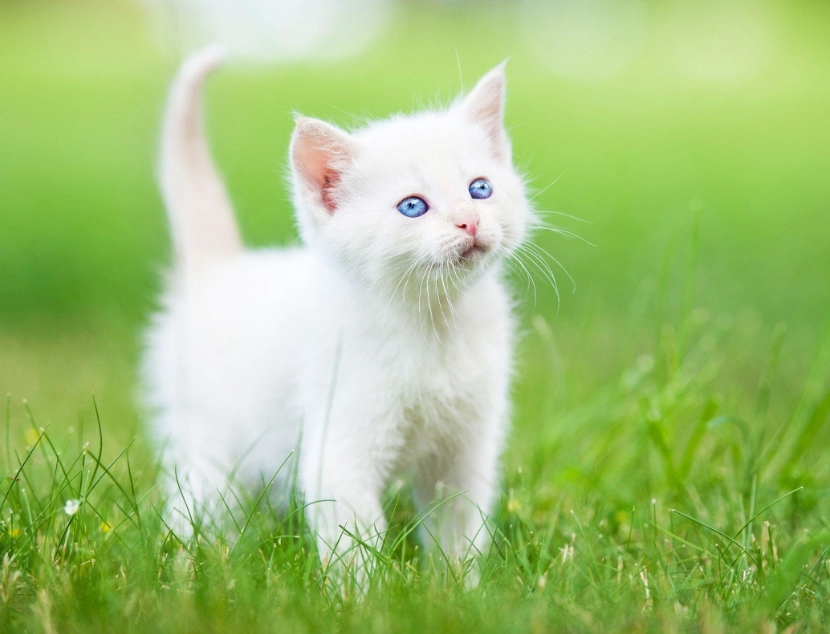
You see them in movies, on posters, and maybe snoozing on your neighbor's windowsill. The American Shorthair cat, with its sturdy build and classic tabby markings, looks like the quintessential house cat. But what's it actually like to live with one? Is their personality as "standard" as their name suggests?
Having shared my home with an American Shorthair named Gus for over a decade, I can tell you there's nothing generic about them. Their temperament is a brilliant, balanced cocktail of traits that makes them one of the most reliably wonderful companion animals out there. Forget the aloof cat stereotype. Think of a friendly, low-drama roommate who enjoys your company but doesn't need you to entertain them every second.
Let's cut through the generic breed descriptions. We're going deep into the real, lived-in personality of the American Shorthair—the good, the occasionally stubborn, and the utterly charming.
In a Nutshell: What You'll Discover
The Four Pillars of the American Shorthair Personality
If I had to distill Gus's essence down to four core traits, it would be these. They're not just buzzwords; they manifest in specific, daily behaviors.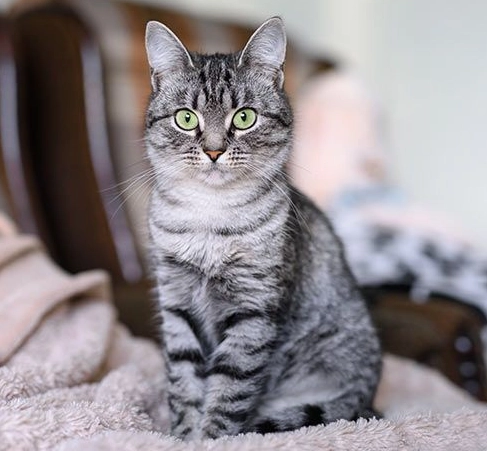
Pro Tip from a Long-Time Owner: The biggest mistake new owners make is misinterpreting "independent" as "indifferent." Your American Shorthair is watching you, learning your routine, and choosing their moments. They bond deeply, but on their own schedule. Pushing for constant cuddles backfires. Let them come to you, and the connection is far stronger.
1. Adaptable and Easy-Going
This is their superpower. Moving houses? Introducing a new baby? Work-from-home schedule shifting? The American Shorthair takes it in stride better than most breeds. They have a remarkable emotional stability. This trait is rooted in their history as working cats on ships and farms, needing to cope with changing environments. Unlike some high-strung purebreds, they don't tend to develop stress-based behaviors like inappropriate urination with minor routine changes.
2. Affectionate but Not Needy
They love their people, but they aren't lap-leeches. You'll get head-butts when you come home, a cat following you from room to room (just to supervise), and periods of cozy lap-sitting. But then, they're done. They'll jump down and find a sunny spot of their own. This balance is perfect for people who want companionship without clinginess. Their affection is genuine but self-regulated.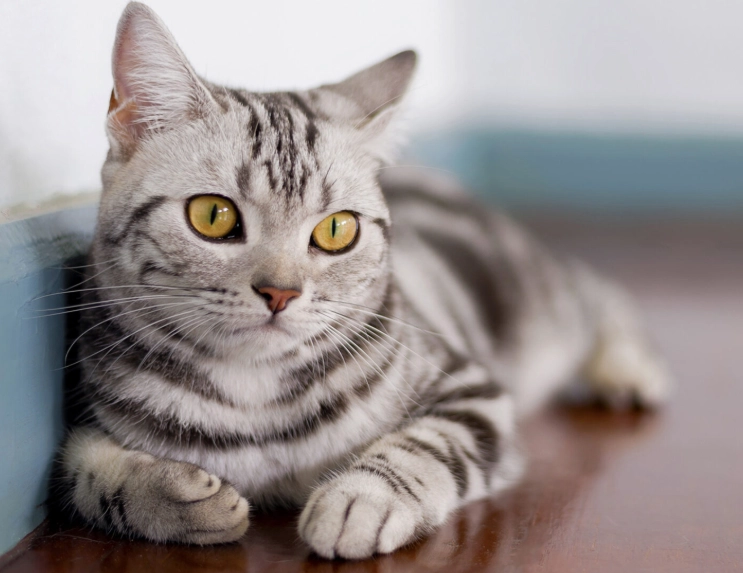
3. Playful Well Into Adulthood
Don't expect a lazy lump. American Shorthairs retain a kitten-like curiosity and play drive for years. Gus, at 12, still initiates chase games with his feather wand. The key is their play style: it's often self-contained. They'll bat a ball around the hallway alone for 20 minutes, happily entertaining themselves. This makes them fantastic for people with regular jobs. Interactive play is still crucial for bonding, but they won't mope if you miss a session.
4. Quietly Vocal
They're not a silent breed, but they're not chatterboxes like Siamese. You'll get soft chirps, trills, and meows—usually with a specific purpose. A chirp when they jump up next to you. A specific, persistent meow at feeding time (more on that later). It's conversational. You can actually learn their different sounds, which makes the relationship feel more interactive.
The Family Cat? Assessing Compatibility with Kids and Other Pets
This is where the American Shorthair truly shines, but with important caveats.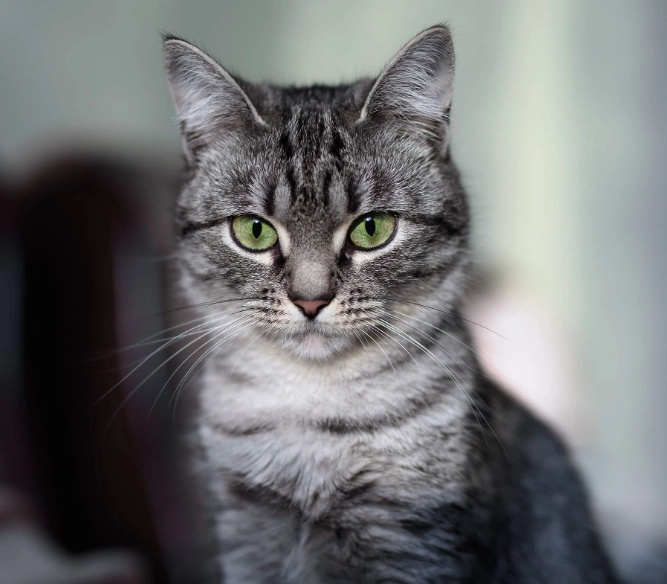
| Scenario | Compatibility Level | Why It Works (And What to Watch For) |
|---|---|---|
| With Young Children | High | Their patient, tolerant nature handles gentle clumsiness. They are less likely to scratch or bite in protest than a more skittish breed. Supervision is non-negotiable to teach kids proper handling (no tail pulling). The cat will simply walk away if overwhelmed. |
| With Older Children/Teens | Excellent | An ideal match. Kids can engage in interactive play, and the cat's predictable personality makes it a reliable friend. They can even learn tricks like "sit" for treats. |
| With Other Cats | Moderate to High | They are not inherently territorial. A proper, slow introduction (over days or weeks) is critical. Once established, they often enjoy having a feline playmate, as it caters to their social-but-independent side. |
| With Dogs | Moderate | Possible, but depends heavily on the dog. Their calm confidence can win over a calm, cat-respecting dog. They will stand their ground against a curious dog rather than immediately flee, which can prevent chase instincts from triggering. Always ensure the cat has high escape routes. |
| With Small Pets (Rodents, Birds) | Low | Not recommended. Remember, this is a born mouser. Their prey drive, while not constantly active, is a strong instinct. It's an unnecessary stress for all animals involved. |
The Cat Fanciers' Association (CFA) often highlights the breed's good nature with children, and in my experience, that's accurate. Gus tolerated my young nieces with a patience I found remarkable.
Not Flaws, Just Features: Navigating Common Behavior Points
Calling these "problems" is unfair. They're natural behaviors that need intelligent management, not suppression.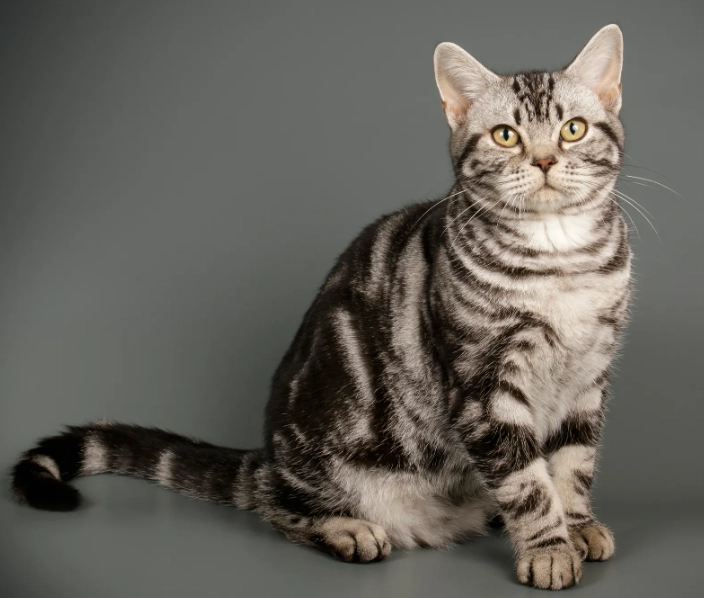
Scratching Habits: It's Non-Negotiable, So Redirect It
All cats scratch. American Shorthairs are no exception. The goal is never to stop the behavior (which is impossible and cruel), but to save your sofa.
The error I see? People buy a flimsy, 12-inch scratching post and wonder why the cat prefers the sturdy corner of the couch. Think like a cat: they need to stretch their full body, dig in securely, and leave a visual mark.
- Solution: Get a post that's at least 30 inches tall, solidly built (won't wobble), and covered in sisal rope. Place it directly next to the furniture they're targeting. Use catnip spray. When they use it, praise them. Combine this with regular nail trims every 2-3 weeks. For persistent spots, temporary double-sided sticky tape works as a deterrent.
Gus destroyed one armchair corner before I figured this out. My fault, not his.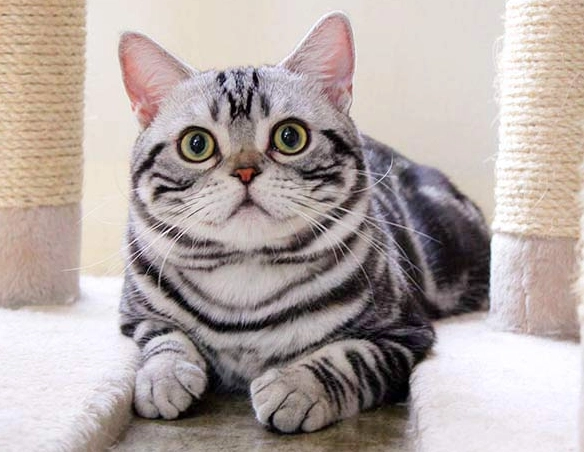
The "Feed Me" Symphony & Food Motivation
This might be their most pronounced "demand." They love food and routine. You will hear about it if breakfast is late. This can tip into obesity, a common health issue for the breed, according to resources like the ASPCA's care guides.
Don't free-feed. It's the single biggest contributor to weight gain in this food-motivated breed. Use measured meals at set times. Their vocal pestering around mealtimes is manageable with consistency—they learn the schedule. For enrichment, use puzzle feeders. It engages their smart, problem-solving side and slows down eating.
Daily Life: Is an American Shorthair Right for Your Lifestyle?
Let's get practical. A breed's personality only matters if it fits your day-to-day reality.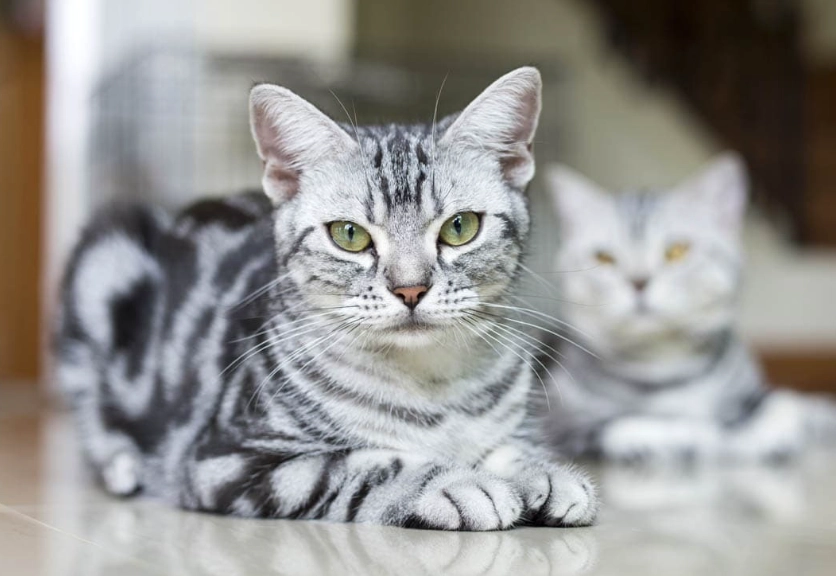
For First-Time Cat Owners: This is a top-tier choice. Their robust health (generally), easy-care coat, and forgiving personality make the learning curve much gentler. They're forgiving of minor rookie mistakes.
For Apartment/Condo Dwellers: Excellent. Their moderate energy levels and ability to self-entertain mean they don't need a huge space to be happy. Just provide vertical space—cat trees by windows are mandatory for their bird-watching pleasure.
For Busy Professionals: Very good. Their independence means they won't develop separation anxiety if you work 9-5. But "independent" isn't a license to ignore them. You must commit to daily interactive play (15-20 minutes) and evening cuddle time when you are home. It's a partnership.
For Seniors or Homebodies: Wonderful. They offer quiet, steady companionship without being overwhelming. Their predictable routine and affectionate moments are a great comfort.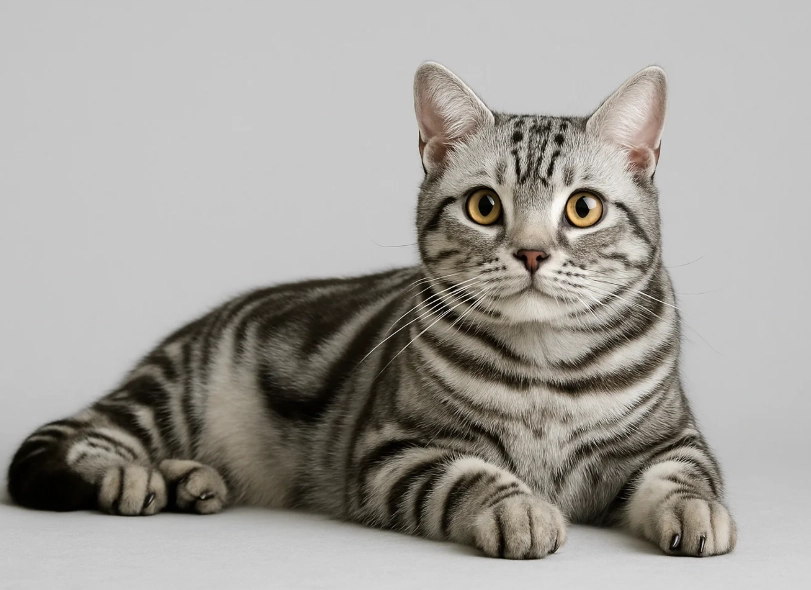
Your Questions, Answered (The Real Stuff)
So, what's the final verdict on the American Shorthair personality?
It's the gold standard of a well-adjusted companion animal. They offer the perfect middle ground: affectionate without being suffocating, playful without being destructive, quiet but communicative. They fit into diverse households and forgive our human imperfections. They're not a flashy, dramatic breed, and that's precisely their appeal. In a world of constant stimulation, coming home to a creature of such steady, quiet contentment is a gift. It's not just a cat; it's a grounding presence.
If you want a low-drama, high-companionship pet that feels like part of the family without dominating it, you've just met your match.