When you picture an Egyptian cat, you might imagine a sleek, spotted feline straight off an ancient tomb painting. But a solid black Egyptian cat? That feels like a secret, a shadowy version of a living relic. I’ve been fascinated by cat breeds for over a decade, and the Egyptian Mau—especially the black ones—holds a unique spot. They’re not just a color variant; they’re a walking lesson in genetics, history, and a specific kind of cat care that most generic guides miss entirely.
Let’s get the big question out of the way first. A black Egyptian cat is almost always referring to a solid black Egyptian Mau. They’re the same breed, with the same incredible personality and physical traits, just wearing a different coat. But that black coat hides their most famous feature: the spots. This fact alone leads to so much confusion for new owners and breeders alike.
What's Inside?
What Exactly is a Black Egyptian Cat?
Think of the Egyptian Mau as the cheetah of the domestic cat world. It's the only naturally spotted breed. The Cat Fanciers' Association (CFA) recognizes several colors: silver, bronze, smoke, and yes, black. But here’s the catch most people don’t realize: in a black smoke Mau, you can see the ghostly spotted pattern in certain lights. In a solid black Mau, the pattern is genetically there but completely masked by the dense black pigment.
This leads to the first major pitfall for new enthusiasts. Because the spots are invisible, unethical sellers might try to pass off any random black domestic shorthair as a “rare black Egyptian Mau.” A purebred Mau has a specific build regardless of color.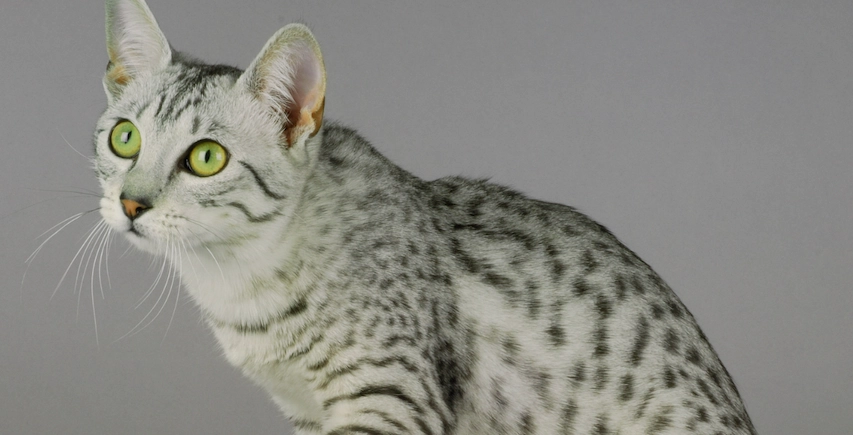
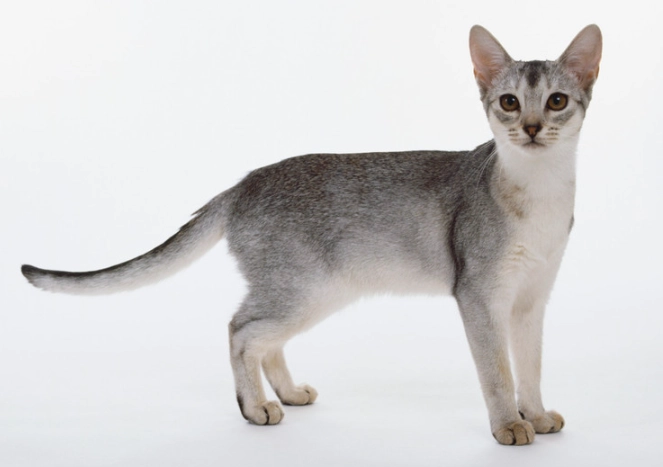
Expert Tip: Don’t get fooled by the color alone. A true Egyptian Mau, black or otherwise, has a distinctive “worried” expression, a slight flap of skin from the flank to the back knee (for extra stride length), and green gooseberry eyes. If the seller can’t show you pedigree papers from a reputable registry like CFA or TICA, walk away.
Let’s break down the breed standard specifics that apply to the black variety too.
| Feature | Egyptian Mau Standard (Applies to Black Coats) |
|---|---|
| Body | Medium, muscular, and graceful. Noticeably loose skin on the belly. |
| Head | Slightly rounded wedge, no flat planes. Pronounced “M” marking on forehead (may be faint on black). |
| Eyes | Large, almond-shaped, light green (“gooseberry green”). Amber is a fault. This is a key identifier. |
| Legs & Paws | Proportionally longer hind legs. Small, dainty, slightly oval paws. |
| Coat | Medium length, dense, and silky. In black Maus, it should be coal black to the root. |
| Temperament | Loyal, alert, moderately active. Known for a subtle, chirping voice. |
I remember visiting a breeder who showed me a litter with a black smoke kitten. In the dim room, he looked solid black. But when she lifted him into the sunlight, a breathtaking pattern of dark spots emerged on a lighter undercoat. It was a perfect example of how complex Mau genetics can be.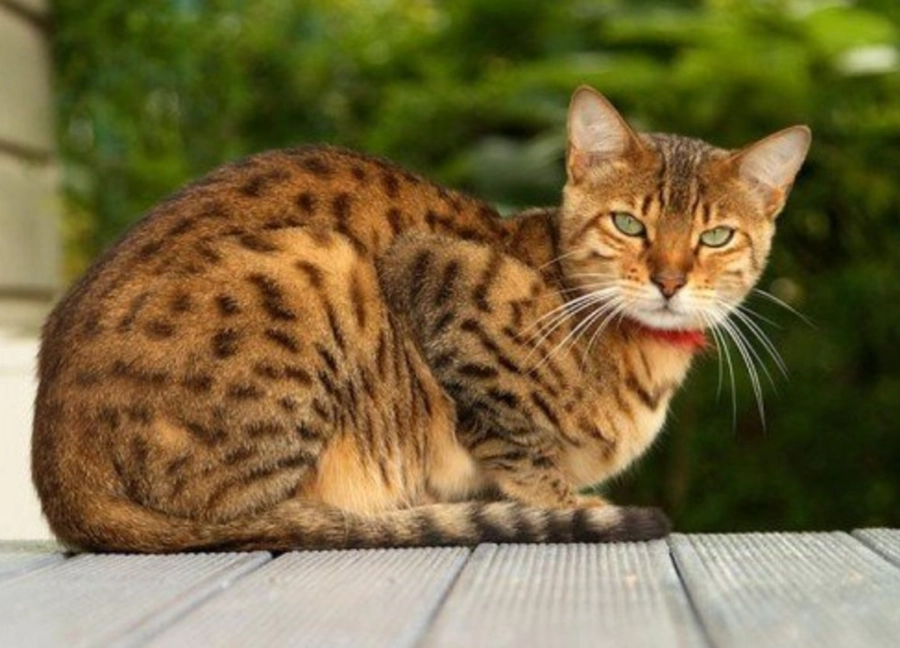
Beyond the Coat: Personality & Daily Care
Owning a black Egyptian Mau isn’t about having a decorative statue. It’s about living with a sensitive, intelligent companion who forms a strong bond with their person. They’re often described as “dog-like” in their loyalty. Mine follows me from room to room and has a specific chirp for “hello” and another for “where’s my dinner?”
Their care routine has a few nuances that generic cat advice skips.
Grooming Your Shadow
That sleek black coat is gorgeous, but it shows every single speck of dust and dander. It’s also a fur magnet on light-colored furniture.
- Brushing: A weekly brush with a fine-toothed comb or a rubber grooming mitt is perfect. It removes loose hair and distributes skin oils, keeping that jet-black color rich. During shedding seasons, bump it up to twice a week. You’ll be surprised how much fur comes off a cat that looks so short-haired.
- Bathing: Rarely needed. But if you do, use a shampoo for black coats to prevent rusty tones. Rinse thoroughly—any residue will be visible.
Feeding for an Athlete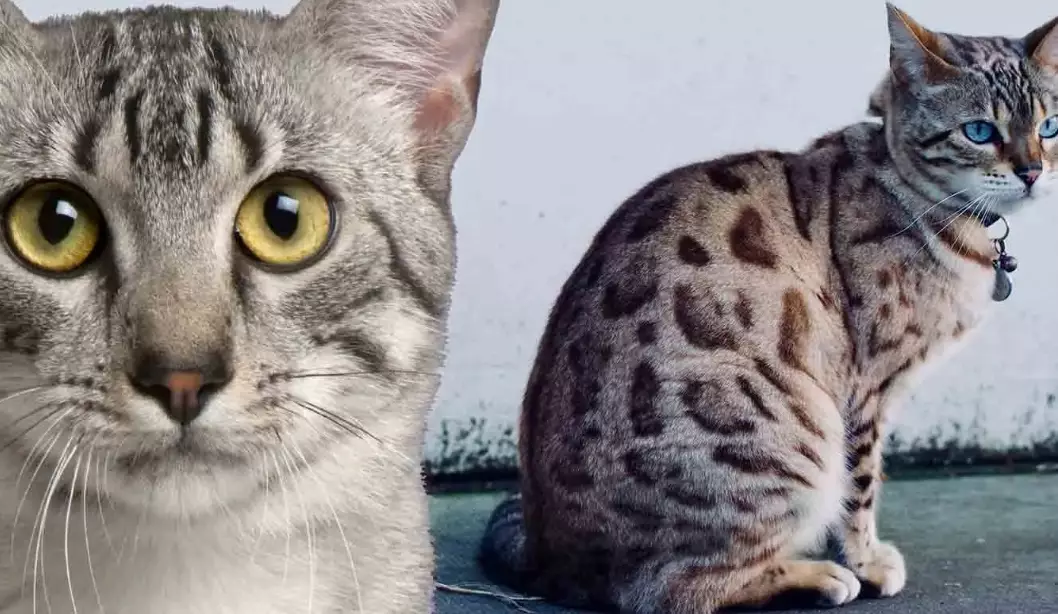
Maus are naturally athletic and can be prone to weight gain if inactive. They need a high-protein diet to support their muscle tone.
Look for cat food where a named meat (chicken, salmon, turkey) is the first ingredient. I’ve found that many Maus do better on a mix of high-quality wet and dry food. The wet food ensures hydration, and the dry kibble helps with dental health. Avoid free-feeding; stick to measured meals twice a day.
Environment & Exercise
These cats need vertical space and mental stimulation. A tall cat tree is non-negotiable. They love to observe their domain from the highest point.
Interactive play is crucial. A wand toy with feathers mimics bird prey and triggers their incredible hunting instinct. They are fast. I mean, really fast. The Mau holds the record for fastest domestic cat. A 15-minute intense play session morning and evening will keep them happy and prevent them from inventing their own destructive games.
One quirk: many Maus have a fascination with water. Don’t be shocked if your black Mau tries to join you in the shower or pats at the running tap.
How to Find a Healthy Black Egyptian Mau Kitten
This is where you need to be most careful. Because solid black and black smoke Maus are less common than silvers and bronzes, they can be priced higher by disreputable sources.
Your checklist should be ruthless:
- Reputable Breeder: Start with the breed club listings. The Cat Fanciers' Association (CFA) and The International Cat Association (TICA) have breeder directories. A good breeder will interview you as much as you interview them.
- Health Testing: Responsible breeders test for genetic issues common in the breed. Ask specifically about testing for Pyruvate Kinase Deficiency (PKDef), a heritable anemia. They should show you the results.
- Kitten Environment: Kittens should be raised in the home, not a cage, and be well-socialized with people, sounds, and handling.
- Pedigree & Contract: You must receive official registration papers. A contract should include a health guarantee and require you to spay/neuter if the kitten is sold as a pet.
Expect to be on a waitlist. A good breeder plans litters carefully and doesn’t have kittens available “immediately.” The price can range from $1,500 to $2,500 or more, with rare colors sometimes at the higher end.
Adoption is a rare but possible route. Occasionally, purebred Maus end up in breed-specific rescues. Check organizations like Purebred Cat Rescue. Be patient and verify the cat’s background thoroughly.
Your Questions, Answered
Is a black Egyptian cat a separate breed?
Are black Egyptian Maus more prone to health issues than other colors?
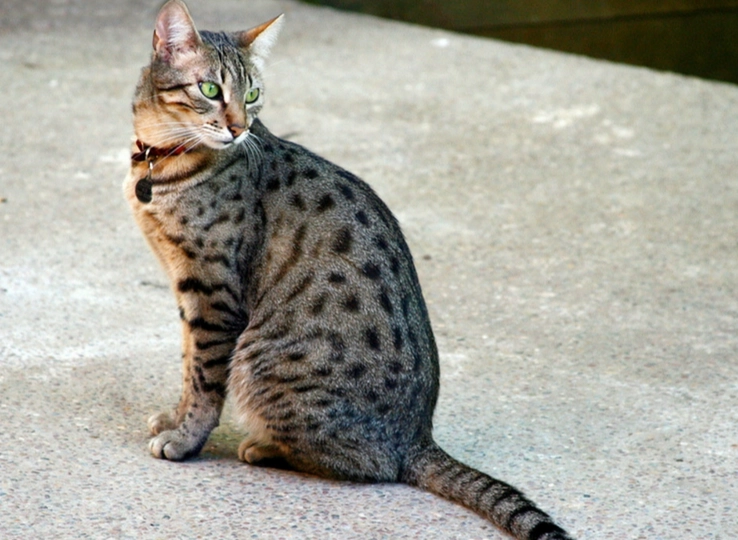 My black cat looks spotted in the sunlight. Is it an Egyptian Mau?
Do black Egyptian cats have a different personality?
How do I deal with the 'black cat superstition' with this breed?