If you're drawn to the elegant, cloud-like fluff of a Turkish Angora, one question might give you pause: are these beautiful cats prone to deafness? The short, direct answer is yes, but it's complicated and not a foregone conclusion. Deafness in Angora cats is strongly linked to a specific genetic package: white fur and blue eyes. But owning a deaf cat isn't the end of the world—far from it. I've shared my home with a partially deaf white cat for years, and the experience taught me more about feline communication than any textbook could. This guide cuts through the myths and gives you the science, the real-world implications, and the actionable steps every Angora owner or prospective owner needs.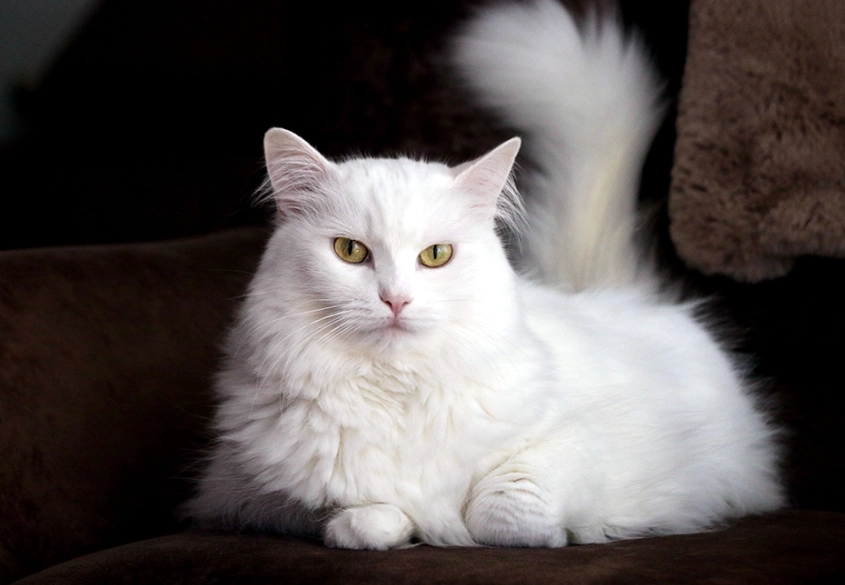
What's Inside This Guide
Why Are Some White Cats Deaf? The Science Explained
It's not the Angora breed itself that's the issue. The culprit is the dominant white gene, often symbolized as the W gene. This gene does two major things: it masks all other coat color genes (making the cat white), and it can sometimes disrupt the development of the inner ear's hearing apparatus, specifically the stria vascularis which is crucial for auditory function.
The risk multiplies with eye color. Here’s the breakdown you won't find in most generic articles:
| Eye Color Combination | Approximate Risk of Deafness | Notes |
|---|---|---|
| Two Blue Eyes | ~60-80% | Highest risk category. Deafness can be in one or both ears. |
| One Blue, One Green/Amber (Odd-eyed) | ~30-40% | The deafness, if it occurs, is almost always on the blue-eyed side. |
| Two Non-Blue Eyes (Green, Amber, etc.) | ~10-20% | Risk is lower but still present. Often overlooked by owners. |
The blue eye color in this context is caused by a lack of pigment in the iris, and that same pigment-producing cell issue (melanocytes) is what's linked to the inner ear development problem. It's a fascinating, if unfortunate, genetic package deal.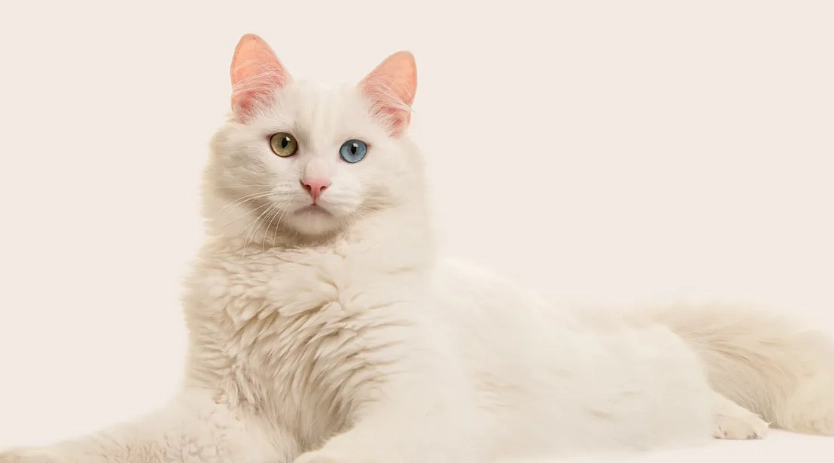
A crucial nuance most miss: A white Angora with two perfectly normal-looking green eyes can still be deaf or partially deaf. We get so fixated on the blue-eyed cats that we forget the W gene acts independently. I've met owners who were shocked when their green-eyed cat failed a hearing test because "only blue-eyed cats go deaf." That's a dangerous assumption.
Is It Just Turkish Angoras?
Absolutely not. This is a pigmentation-related issue, not a breed-specific one. Any cat with the dominant white gene carries this risk. You see it in white Domestic Shorthairs, white Persians, white Maine Coons, and of course, white Turkish Angoras. The Angora just happens to frequently carry the gene for long, white fur, making the association stronger. The Cat Fanciers' Association and other breed organizations acknowledge this well-documented correlation.
How to Test Your Angora Cat's Hearing at Home
You don't need a vet's expensive equipment for a basic check. A quiet room and some household items are enough. The key is to eliminate other sensory clues. A deaf cat is a master of vibration and air current detection.
Step 1: The Sleep Test. Wait until your cat is deeply asleep, not just dozing. From a distance where they can't feel your breath or movement, make a sharp, medium-volume sound. Crumple paper, jingle keys, or tap a spoon on a glass. Do not clap right by their ear—that creates a puff of air. Watch for any twitch of the ear (the pinna) before they potentially wake up from vibration.
Step 2: The "No-Look" Sound Test. This is critical. Stand behind your cat while they are awake but distracted (looking out a window). Make a sound they usually find interesting, like opening a treat bag or tapping their food can. A hearing cat will turn its ears or head toward the sound instantly. A deaf cat won't. You must be completely out of their line of sight.
Step 3: Check for Unilateral Deafness. This is deafness in one ear, and it's incredibly common but hard to spot. Repeat the "no-look" test, but approach from the left side, then the right. Note if there's a consistent lack of response from one side. A unilaterally deaf cat may have trouble localizing where sounds come from and might startle easily if approached from their deaf side.
If your home tests suggest an issue, a BAER test (Brainstem Auditory Evoked Response) at a veterinary neurologist is the gold standard. It's non-invasive and can definitively diagnose deafness in each ear. It's especially important for breeders.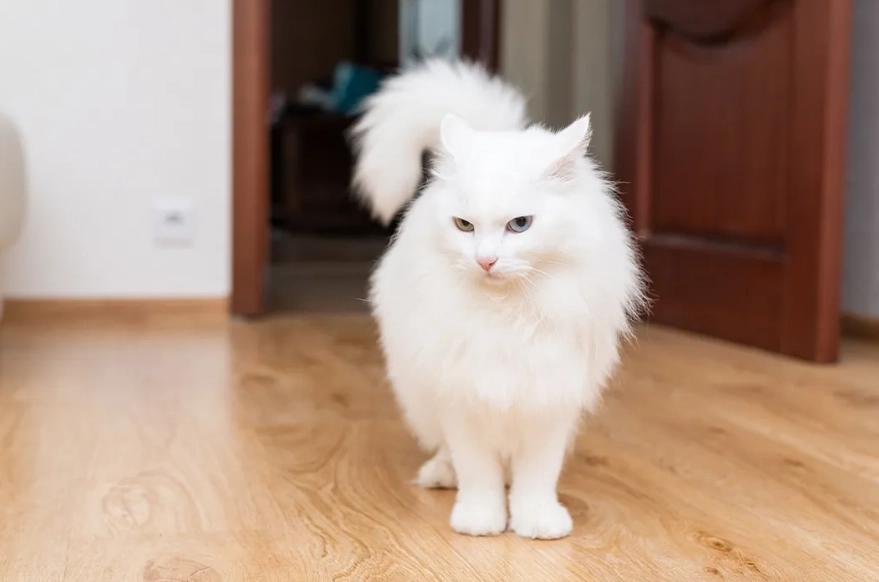
Living with a Deaf Angora: It's a Different Language
My cat, Miso, is odd-eyed and deaf on her blue-eyed side. Life isn't harder, it's just adapted. The biggest mistake people make is treating a deaf cat as "disabled." They're not. They're differently-abled.
Safety is Rule #1. A deaf cat cannot hear cars, predators, or your calls. They must be indoor-only cats. No debates. If you want them to experience outdoors, a secure catio or harness training is mandatory.
Communication shifts from vocal to visual/tactile.
- Get their attention: Stomp lightly on the floor to create a vibration. Flicker the room lights. Wave from across the room.
- Come here: We trained Miso with a simple hand signal (patting our leg) paired with a treat. Now a vigorous wave brings her running.
- "No" or "Stop": A firm, but gentle, spray from a water bottle (aimed at the body, not face) is a clear tactile cue. A quick hand clap right in front of them (for the air movement) can also work as an interrupter.
- Playtime: Feather wands, laser pointers (used responsibly), and toys that roll/move visibly are perfect. They rely on their exceptional sight.
They startle more easily. Always approach from the front where they can see you. Gently blow on their fur or let them feel your shadow before petting them if they're asleep.
The Unexpected Perks
Vacuum cleaners, thunderstorms, fireworks—these are non-events for a deaf cat. They sleep through it all. The constant state of calm can be remarkably peaceful in a noisy household.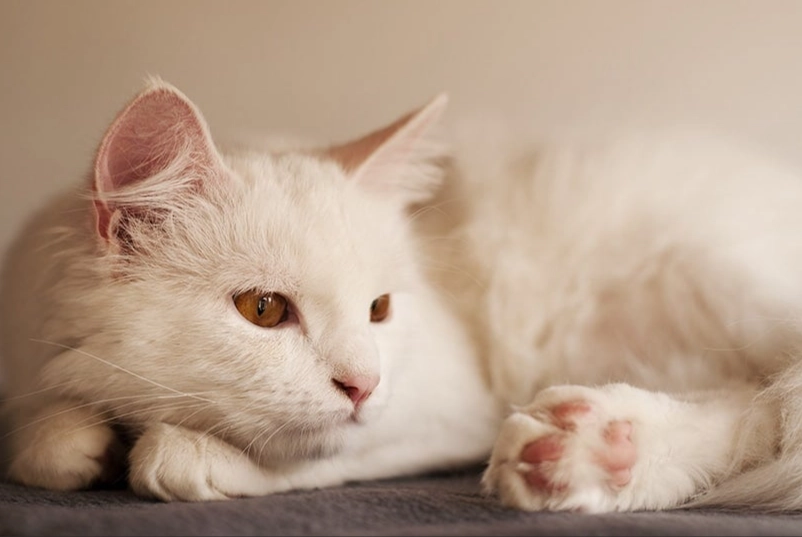
The Breeder's Role: Ethics and Genetic Management
This is where I get opinionated. A responsible Turkish Angora breeder does not simply breed two stunning white, blue-eyed cats together because they look ethereal. That's irresponsible and knowingly increases the likelihood of deaf kittens.
Reputable breeders, like those affiliated with The International Cat Association (TICA) or the Cat Fanciers' Association (CFA), often follow these practices:
- BAER testing all breeding stock, especially white cats.
- Strategically introducing non-white Angoras into their lines. The Turkish Angora breed standard accepts many colors (black, red, tabby, etc.). Breeding a white cat to a solid-colored cat can produce white kittens (if the white parent carries the dominant gene) but drastically reduces the deafness risk, especially if the colored cat contributes genes for pigmented eyes.
- Being 100% transparent with potential buyers about a kitten's BAER test results, parentage, and associated risks.
What to ask a breeder: "Have the kitten's parents been BAER tested? What were the results?" "What is your strategy for managing the dominant white gene in your breeding program?" If they dismiss your concerns or only breed white-to-white, consider it a red flag.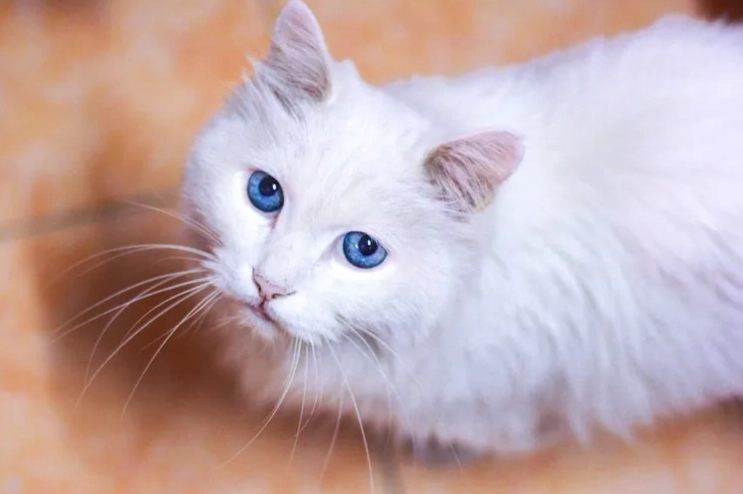
Frequently Asked Questions About Angora Cat Deafness
If my Angora kitten has blue eyes, does that mean it will definitely go deaf?
No, it's not a guarantee, but it's a significant risk factor. Statistics suggest a 60-80% chance for two-blue-eyed white cats. Some have normal hearing, some have unilateral (one-sided) deafness, and some are fully deaf. The only way to know for sure is through a BAER test. Don't assume; test.
Can deafness develop later in life, or is it always congenital (present at birth)?
The deafness linked to the white gene is almost always congenital, meaning the kitten is born deaf. However, like any cat, Angoras can lose hearing later in life due to old age, chronic ear infections, or other medical issues. So a senior Angora losing hearing is likely due to age-related causes, not the W gene.
My deaf Angora seems extra vocal. Is that normal?
Completely normal, and often hilarious. Because they cannot hear themselves or modulate their volume, deaf cats tend to produce extremely loud, often odd-sounding meows, chirps, and yowls. It's their way of communicating in a silent world, and the volume is usually a byproduct of not having auditory feedback. My Miso has a specific, ear-piercing "I'm in the other room and lonely" yowl that she would never use if she could hear it.
Should I get a second cat as a companion for my deaf Angora?
It can be a great idea, but with caveats. A hearing, calm, confident companion can act as a "guide," showing the deaf cat when it's dinner time or if something spooky is happening. However, introductions must be done very carefully, as the deaf cat can't hear the warning growls or hisses of the other cat. Always supervise initial interactions and provide plenty of escape routes. The worst scenario is forcing a deaf cat into a stressful relationship with a bully cat.
Are there any special health checks needed for a deaf white cat?
Yes, one that's often overlooked: sun protection. White cats with little pigment, especially on their ears and nose, are highly susceptible to sunburn and, consequently, squamous cell carcinoma (a type of skin cancer). Keep them indoors during peak sun hours, or talk to your vet about pet-safe sunscreen for their ear tips and nose if they have any sun exposure.
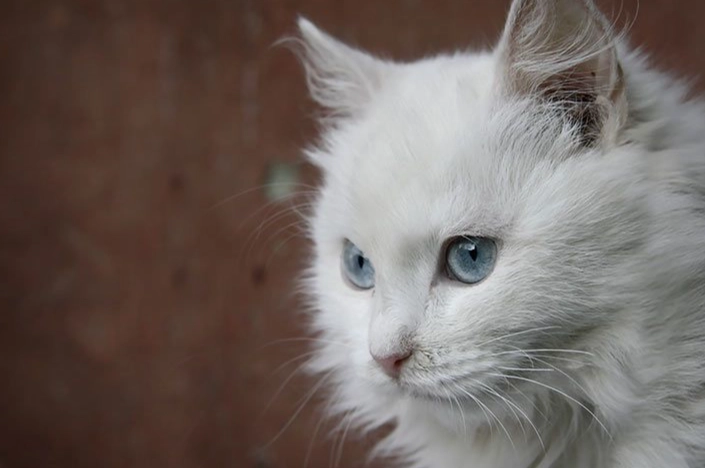 The elegance of the Turkish Angora comes with a unique genetic consideration. Deafness, while a real possibility for white, especially blue-eyed individuals, is a manageable condition, not a tragedy. By understanding the science, knowing how to test, and adapting your home and communication, you can provide a wonderfully rich life for any Angora. The key is informed ownership—whether you seek out a breeder actively minimizing the risk or open your heart to a special needs rescue. A deaf cat's purr, felt more than heard, is just as powerful.