Forget everything you think you know about aloof, independent cats. The Turkish Angora is a different beast entirely. Picture a cat that greets you at the door, follows you from room to room, plays fetch, and communicates with a wide range of chirps and trills. That's the reality of living with a Turkish Angora. Their personality isn't just friendly; it's profoundly interactive, intelligent, and often described as "dog-like." But this description, while flattering, only scratches the surface. Owning one is less like having a pet and more like welcoming a highly opinionated, silky-furred roommate with a PhD in curiosity.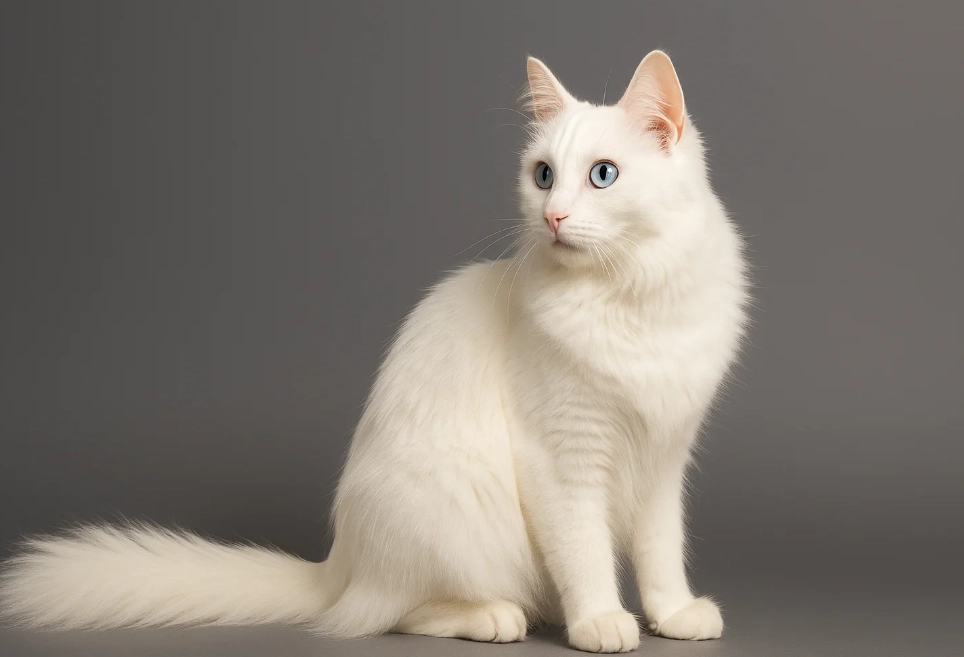
I've lived with feline companions for over a decade, but my first Turkish Angora, Sable, rewrote the rulebook. She didn't just sit on my lap; she'd gently pat my face if I stopped petting her. She didn't just watch birds; she'd study the latch on the screen door. This breed demands a specific kind of human—one ready for a commitment that's more conversational than custodial.
What's Inside?
The Core Turkish Angora Personality: More Than Just a Pretty Face
Describing the Turkish Angora temperament requires moving beyond simple adjectives. It's a layered, dynamic profile. The Cat Fanciers' Association notes their "playful, intelligent, and athletic" nature, but let's break down what that actually means in your living room.
The Intellectual: This is a problem-solving cat. A closed door is a challenge, not a barrier. I've watched Sable systematically test a cabinet door with her paw, applying pressure at different points until she found the weak spot. They learn routines quickly—expect them to remind you of meal times with impressive punctuality. Boredom is their enemy; a bored Turkish Angora will invent their own entertainment, which you might not appreciate.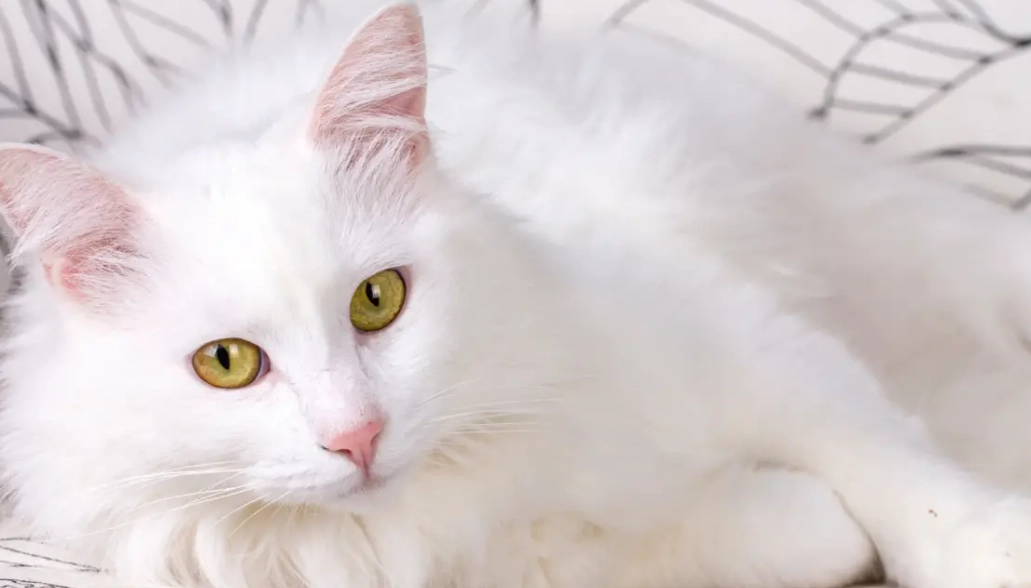
The Social Butterfly: They are people-centric, often choosing a favorite person. Their affection is active, not passive. They don't just occupy space near you; they engage. Head-butts, gentle pawing, and a soft, inquisitive chirp are their love language. They tend to be talkative, not with loud meows, but with a conversational repertoire of sounds. A common misconception is that all white, blue-eyed Angoras are deaf. While there is a genetic link, many have normal hearing, and assuming otherwise means missing their nuanced vocal communication.
The Athlete: Built for grace and power, they are jumpers. Your bookshelf top is not safe. Their play is acrobatic and intense. They don't just bat a ball; they chase it, pounce, carry it, and bring it back. This high energy level lasts well into adulthood, unlike some breeds that mellow significantly after kittenhood.
Here’s a quick snapshot of the classic Turkish Angora personality traits, framed as what you gain and what you need to manage:
| Personality Trait | The Brilliant Upside | The Practical Consideration |
|---|---|---|
| High Intelligence & Curiosity | Easily trainable, learns tricks, interactive play. | Prone to boredom; needs constant mental stimulation or will create mischief. |
| Profoundly Affectionate & Social | Deeply bonded, loyal, great companion animal. | Can develop separation anxiety; not suited to being left alone for long hours daily. |
| Energetic & Playful | Entertaining, retains kitten-like joy for years. | Requires significant daily active play (30-60 mins); needs vertical space (cat trees, shelves). |
| Vocal & Communicative | Feels like a real conversation partner. | May "talk" at inconvenient times (e.g., 5 AM) to express needs or opinions. |
Living with a Turkish Angora: Daily Life and Key Considerations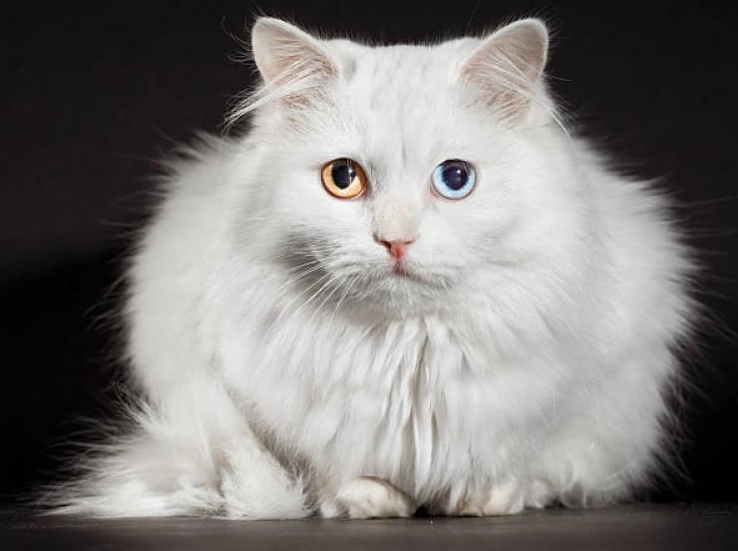
So, what does this personality translate to in day-to-day life? It's less about owning a cat and more about collaborating with one.
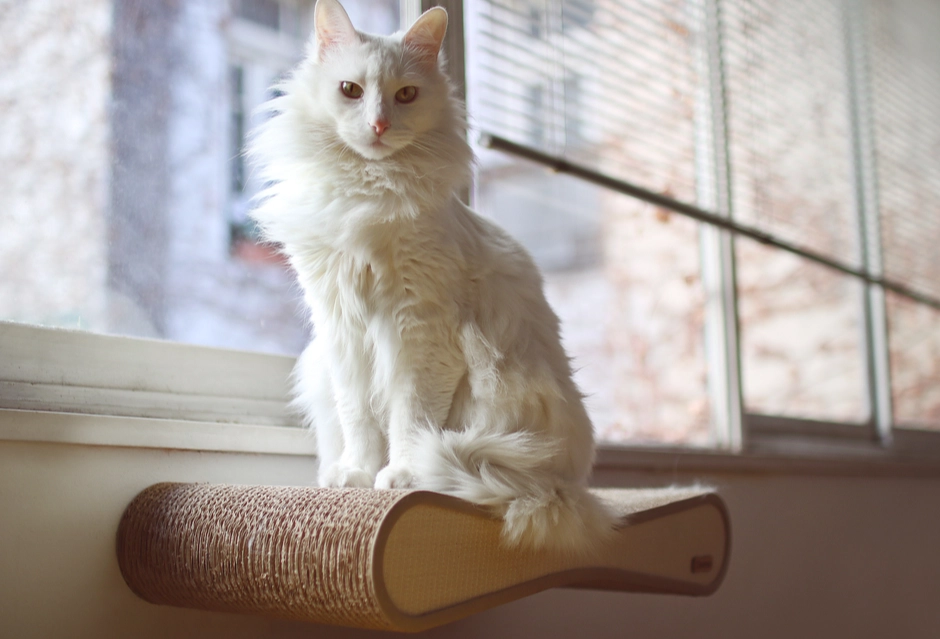
Your Home Setup: Think vertically. Floor space is irrelevant to an Angora. They need highways in the air. Invest in sturdy, tall cat trees, wall shelves, and secure perches by windows. A water fountain is a must—many prefer running water and will play in it, drink from it obsessively, or try to dismantle it. It’s a focal point.
The Social Schedule:
If you work a standard 9-5 outside the home and live alone, a Turkish Angora might struggle. They crave interaction. This isn't a cat that will sleep 18 hours a day while you're gone. They’ll likely sleep 8, and spend the other 8 figuring out how to open the treat cupboard or unravel the toilet paper. Consider a pet camera to check in, or better yet, a second pet for company (though introductions must be slow). Dog companions often work surprisingly well due to the Angora's bold, dog-like demeanor.
Grooming is Bonding
Their single-layer, silky coat is less prone to matting than a Persian's, but that doesn't mean no maintenance. A weekly brush is essential. Here’s the key most guides miss: grooming isn't a chore, it's a primary bonding ritual. Your Angora will likely demand it. They see the brush as an extension of your affection. Skip a session, and you might get a stern look. Use this time to check their ears, teeth, and paws, turning care into connection.
The "Shadow" Factor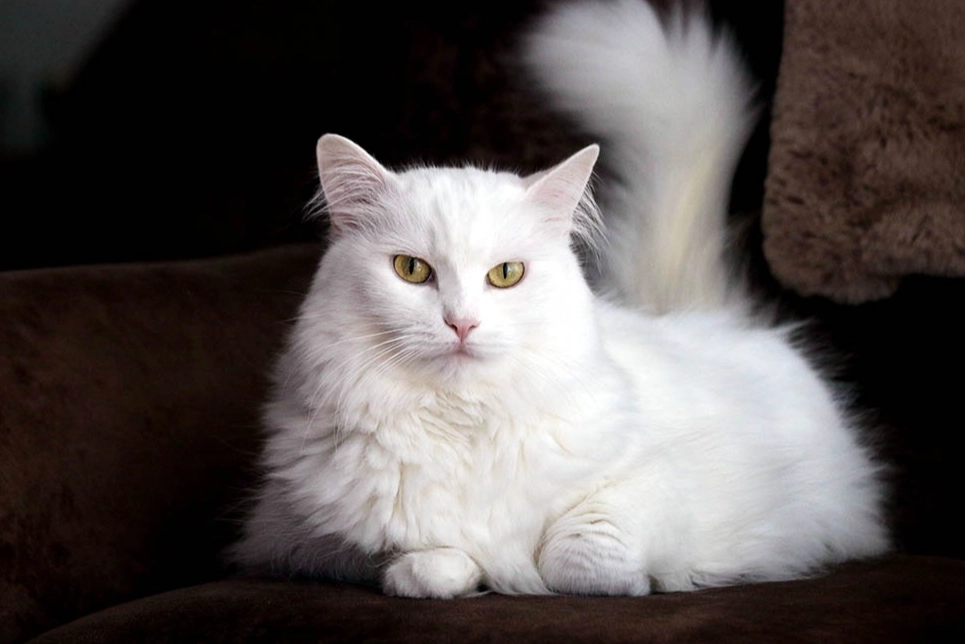
Be prepared to have a shadow. Cooking, working at your desk, reading, showering—your Angora will be involved. They want to supervise. This isn't clinginess in a needy way; it's participatory curiosity. You learn to work one-handed because the other is always petting a head that has suddenly appeared under your hand.
Training and Enrichment for Your Turkish Angora
Training a Turkish Angora is not only possible; it's necessary for their well-being. Positive reinforcement (clicker training with treats) works wonders. They excel at:
- Fetch: This often comes naturally. Start with a lightweight toy.
- High-Five/Shake: A quick and easy trick that engages them.
- Agility: Setting up a mini obstacle course taps into their athletic intelligence.
- Target Training: Teaching them to touch a target stick guides them to specific places (like their cat tree instead of your counter).
Enrichment Beyond Toys:
Puzzle feeders are non-negotiable. Dump food in a bowl, and you've missed an opportunity to engage their brain. Use snuffle mats, treat-dispensing balls, or DIY puzzles. Rotate toys weekly to prevent habituation. A cardboard box or a paper bag is often more thrilling than an expensive electronic toy. The most underrated enrichment? A dedicated bird feeder outside their favorite window. It's live TV for cats, and an Angora will watch it with the focus of a chess master.
Expert Reality Check: Many owners make the mistake of thinking a laser pointer is the ultimate toy. For an intelligent breed like the Angora, a laser pointer can be frustrating because there's no tangible "catch." Always follow a laser pointer session with a physical toy they can actually bite and capture, or you risk building obsessive, unsatisfying behavior.
Is a Turkish Angora the Right Cat for You?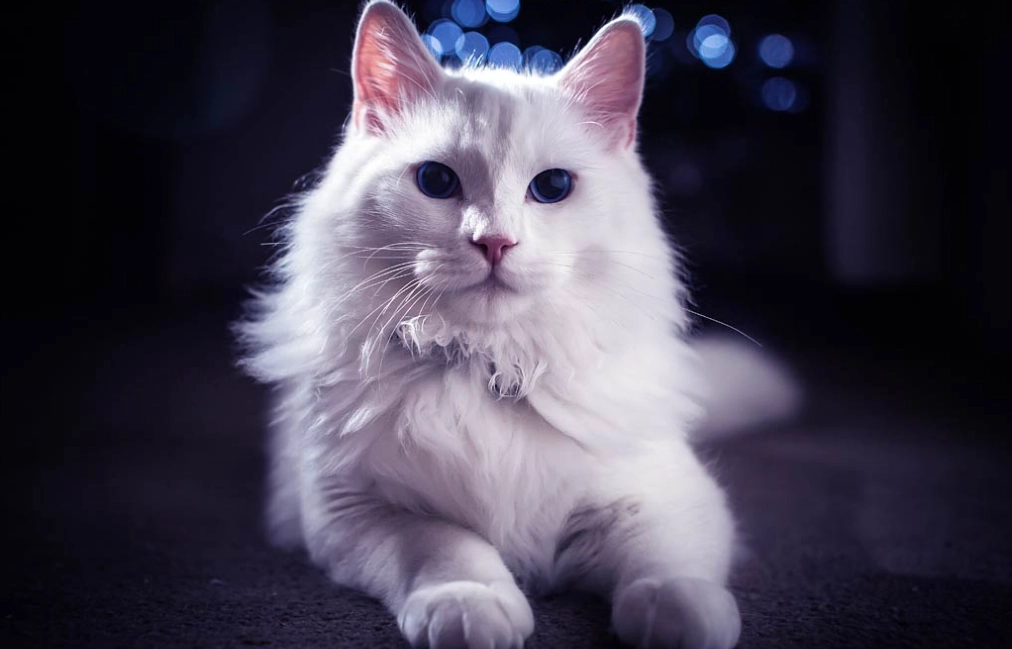
Let's be brutally honest. The Turkish Angora personality is not for everyone. Their needs are specific.
You might be a perfect match if:
- You want an interactive, bonded companion and are home a good part of the day.
- You enjoy training animals and engaging in active play.
- You can provide a stimulating, catified environment with plenty of vertical space.
- You appreciate vocal communication and don't desire a silent apartment.
- You have a respectful dog or are willing to carefully introduce a feline friend.
You should probably consider another breed if:
- You travel frequently or work long hours outside the home without a companion for them.
- You prefer a low-energy, decorative "lap cat" that requires minimal engagement.
- You have very young children who might not understand their need for respectful interaction (though they can be great with gentle, older kids).
- You are bothered by cat hair (they shed, especially seasonally) or a determined cat on countertops.
- You value pristine, breakable knick-knacks displayed on open shelves.
The biggest mistake is getting seduced by their stunning looks—that flowing white coat, those captivating eyes—without respecting the dynamic, demanding personality that comes with it. This is a high-input, high-reward relationship.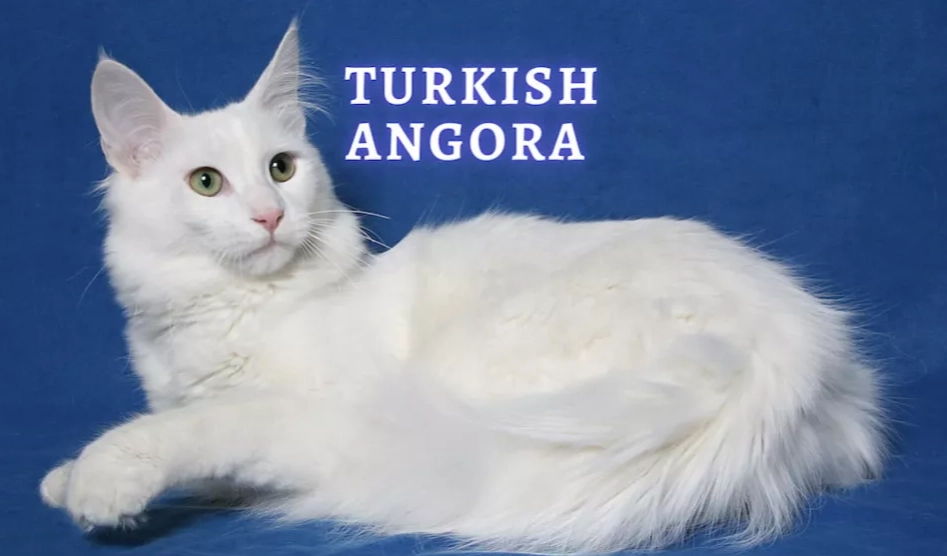
Your Turkish Angora Personality Questions, Answered
 My Turkish Angora follows me everywhere and cries when I close a door. Is this separation anxiety?