Forget the internet's obsession with hyperactive cat videos. The Traditional Persian cat represents a different, more regal kind of feline companionship. We're talking about a living, breathing plush toy with a history as rich as its coat. If you're drawn to serene elegance and a companion who prefers a sunbeam to a sprint, you're in the right place. But here's the truth most fluffy social media posts skip: owning one is a significant commitment, not just in love, but in daily, meticulous care. I've shared my home with Persians for over a decade, and I'm here to give you the unvarnished, complete picture—the sublime calm and the sometimes messy reality.
What’s Inside This Guide?
What Exactly Is a Traditional Persian Cat?
First, let's clear up a common point of confusion. "Traditional Persian" or "Doll-Face Persian" often refers to cats that maintain the original, less extreme facial structure. In the mid-20th century, selective breeding pushed for ultra-flat ("peke-face") features. Many enthusiasts and some breeders now use "Traditional" to describe Persians with a slightly more pronounced muzzle, which can alleviate some of the severe breathing and tear duct issues. According to the Cat Fanciers' Association (CFA), the breed standard calls for a sweet, round face with a short nose, but the extreme flatness is a modern specialization.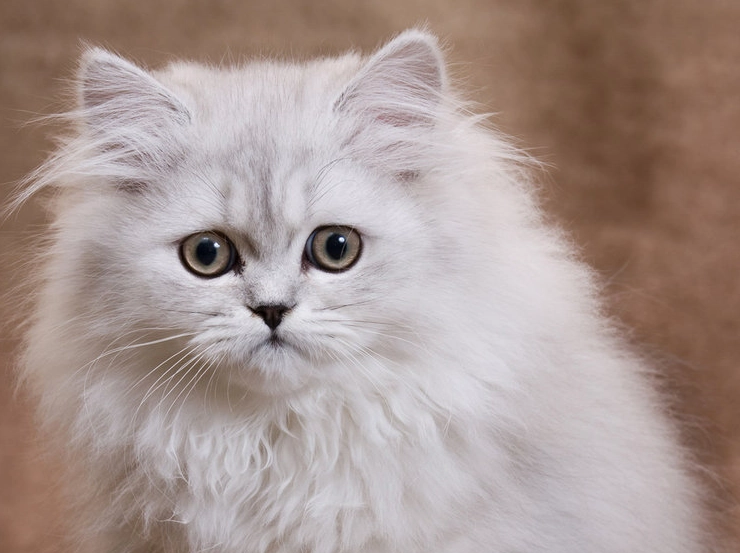
Their look is unmistakable. A massive, round head with wide-set, large copper or blue eyes. Small, rounded ears. A cobby, low-to-the-ground body supported by short, thick legs. And then, the crowning glory: a long, thick, flowing coat that comes in a dizzying array of colors and patterns—solid white, black, blue, silver, golden, tabby, calico, and shaded varieties.
Key Takeaway: When people search for "Traditional Persian cat breed," they're often looking to understand this distinction from the ultra-flat show types. It's not a formally separate breed but a important style within the Persian category that impacts health and care.
Traditional Persian Cat Personality: The Good and The Quiet
Imagine a cat that embodies the concept of "chill." That's the Persian temperament. They are famously placid, affectionate on their own terms, and strikingly quiet. You'll rarely hear a loud meow; more often, it's a soft peep or a silent blink of those huge eyes.
They are lap cats par excellence. Their idea of a perfect day is following you from room to room to plop down elegantly near (or on) you. They're not climbers or curtain-scaling adventurers. This makes them superb for apartment living or quieter households.
But this calm demeanor has a flip side. They can startle easily and don't always adapt well to chaotic environments with loud children or boisterous dogs. They form deep bonds with their people but can be reserved or shy with strangers. This isn't aloofness; it's just their royal nature. They prefer observation to interaction when it comes to guests.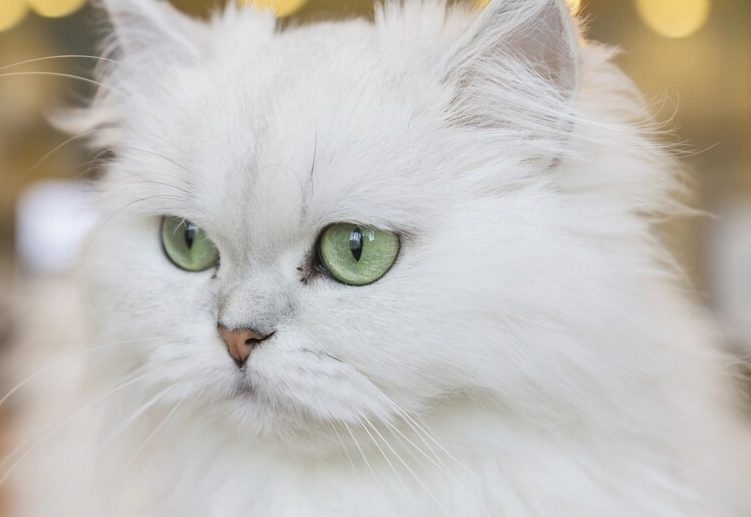
The Non-Negotiable Daily & Weekly Care Routine
This is where fantasy meets reality. That gorgeous coat doesn't maintain itself. If you neglect grooming, you will have a matted, miserable cat within weeks. Mats are not just unsightly; they pull on the skin, cause pain, and can harbor moisture and bacteria leading to skin infections. Severe matting often requires full-body shaving under anesthesia—a stressful and expensive ordeal.
Your Daily Must-Do: Eye Care
Their beautiful, large eyes and short tear ducts mean constant tear overflow. This leads to reddish-brown tear stains. It's not just cosmetic; it can cause skin irritation. Use a soft, damp cloth or a vet-recommended eye wipe every single day to gently clean the area beneath their eyes. I've found that using lukewarm water on a cotton pad works better than many commercial wipes, which can irritate. The goal is gentle removal, not vigorous scrubbing.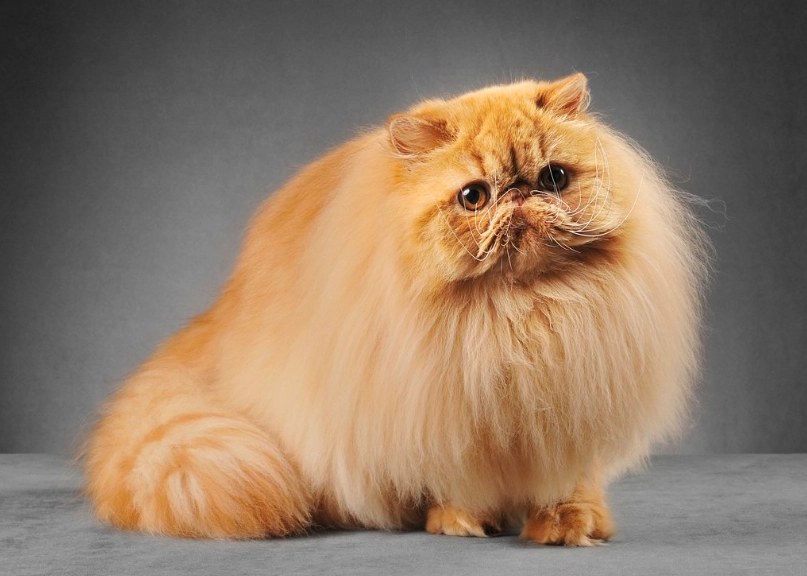
The Core of Persian Cat Grooming: Coat Maintenance
Think of it as a relaxing ritual for both of you. Start them young.
| Tool | Purpose | Frequency & Technique |
|---|---|---|
| Wide-Tooth Metal Comb | Your primary tool. Detangles and prevents mats from forming at the base. | Daily, 10-15 mins. Start at the ends, work to the skin. Pay special attention to armpits, behind ears, belly, and britches (back legs). |
| Slicker Brush | Removes loose hair and smooths the top coat. | 2-3 times a week, after combing. Use gently to avoid scratching skin. |
| Mat Splitter/Rake | For dealing with small, existing mats carefully. | As needed. Never use scissors. Slide the tool under the mat and gently work it apart. |
A full bath every 4-6 weeks is also recommended. It removes grease and dirt that brushing can't, and makes the coat easier to manage. Use a high-quality cat shampoo and conditioner, and ensure they are thoroughly dried in a warm, draft-free room to prevent chilling.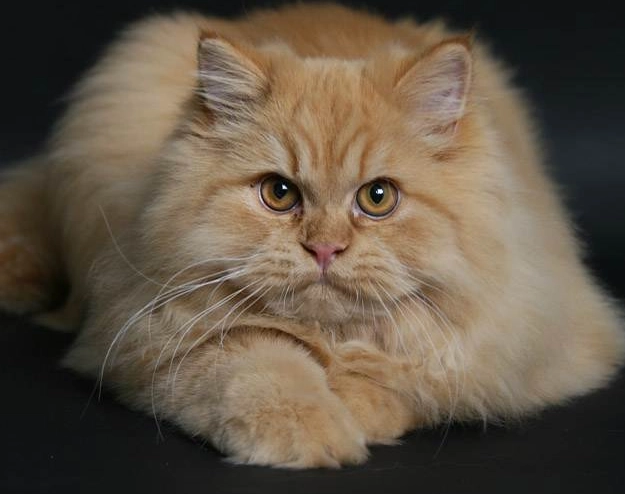
Health Considerations for a Brachycephalic Breed
Their distinctive flat face (brachycephaly) is linked to several health concerns. A responsible breeder will screen for these.
- Brachycephalic Airway Syndrome: Their shortened airways can cause noisy breathing, snoring, and intolerance to heat or exercise. In severe cases, it requires surgery. This is why you should never let a Persian become overweight.
- Polycystic Kidney Disease (PKD): An inherited disorder where cysts form in the kidneys. A DNA test exists, and ethical breeders test their breeding stock. Always ask for proof of PKD-negative status.
- Dental Issues: Crowded teeth due to the short jaw are common, leading to faster plaque buildup and periodontal disease. Annual dental check-ups and home teeth brushing are crucial.
- Excessive Tearing: As mentioned, due to malformed tear ducts.
Pet insurance is a very wise investment for this breed. Establish a relationship with a vet familiar with brachycephalic cats.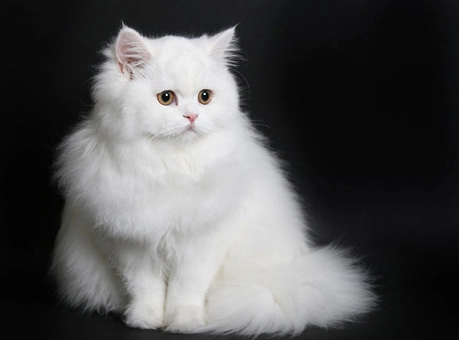
Finding a Reputable Breeder or Rescue
This is the most critical decision. A good breeder is your health guarantee and lifelong resource.
Red Flags: Multiple litters always available, kittens always ready to go home under 12 weeks, no questions asked, prices significantly below average ($1500-$3000 USD is typical), no health testing, unwilling to let you visit the home (not a parking lot).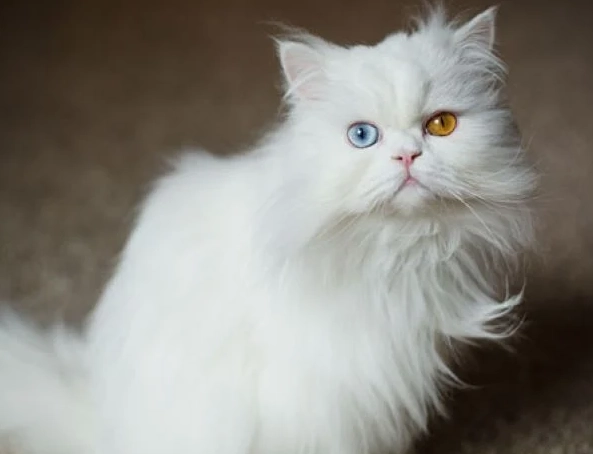
Green Flags: Breeder is registered with CFA or TICA, asks you many questions, provides health records for parents (PKD test, cardiac screening), has a contract requiring spay/neuter and a return clause, lets you see the kitten's environment, and remains a resource for the cat's life.
Consider breed-specific rescues too. Adult Persians in rescue often come from owners unprepared for the grooming commitment. You can skip the kitten phase and offer a loving home to a cat in need, often with a known health and personality history.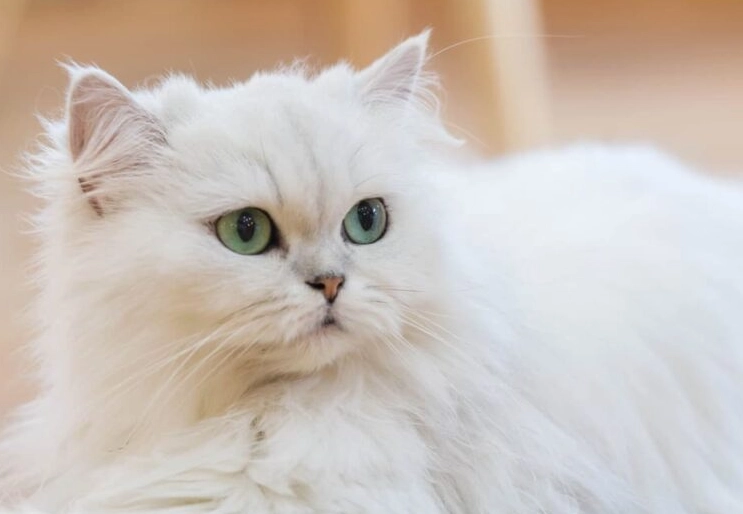
Your Persian Cat Questions Answered
I work 9-hour days. Is a Persian cat a good choice for a single person?
What's the single biggest mistake new Persian owners make with grooming?
Are Traditional Persians better with health issues than the ultra-flat show types?
My Persian's tear stains are terrible and won't come off. What can I do?
Is it cruel to shave a Persian cat in the summer to keep them cool?
The Traditional Persian cat is not a pet; it's a lifestyle. They offer unparalleled quiet companionship and beauty in exchange for your dedicated, daily stewardship. If you look at that grooming chart and feel dread, this isn't the cat for you. But if you see a chance for a peaceful, bonding ritual and can provide a calm, loving home, you'll be rewarded with one of the most gentle and devoted feline friends imaginable. Do your homework, choose your source wisely, and prepare for a decade or more of luxurious purrs and elegant companionship.