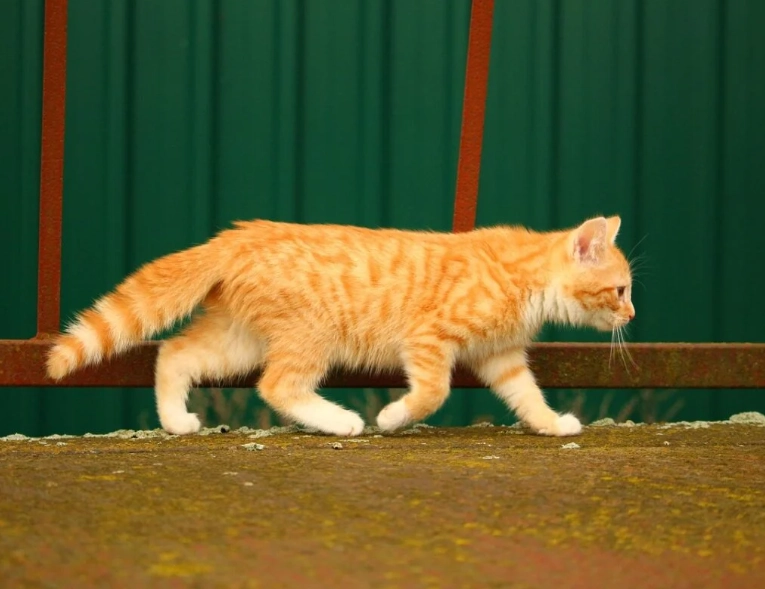
You've probably seen the photos. A stunning cat with vibrant, warm orange patches mixed with crisp white, labeled as an "Abyssinian." It pops up on social media, in forums, and maybe even in casual conversation. It's a captivating image. But here's the thing I've learned after years around cat shows and breeders: a true, pedigree Abyssinian cat is almost never "orange and white" in the way you're picturing. That search term often leads people down a rabbit hole of misunderstanding. Let's clear it up. The classic Abyssinian coat is a masterpiece of ticking—each hair has multiple bands of color—resulting in a warm, ruddy hue often described as orange-ish, but it's a solid, agouti pattern without distinct white patches. If you're seeing stark orange and white, you're likely looking at a beautiful mixed-breed cat, an Aby mix, or a cat with a completely different coat pattern influenced by social media filters.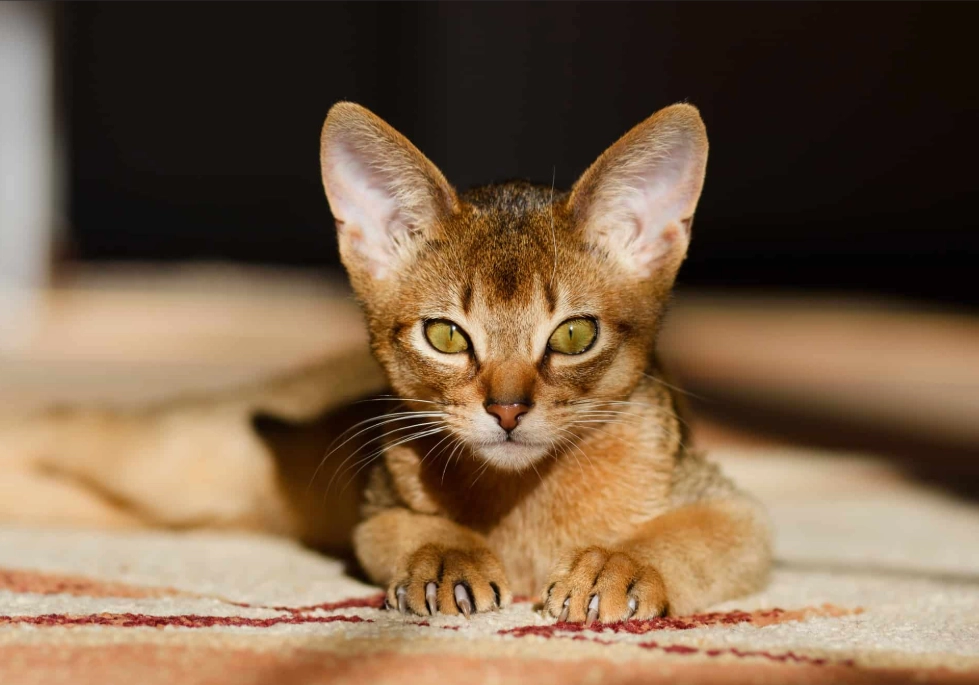
What You'll Discover
The True Abyssinian Coat: It's All About "Ruddy"
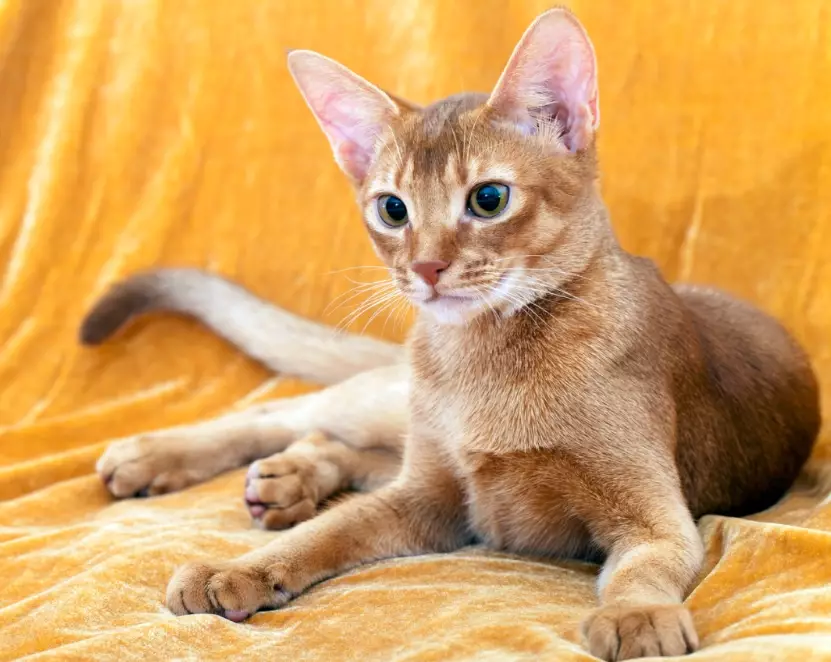
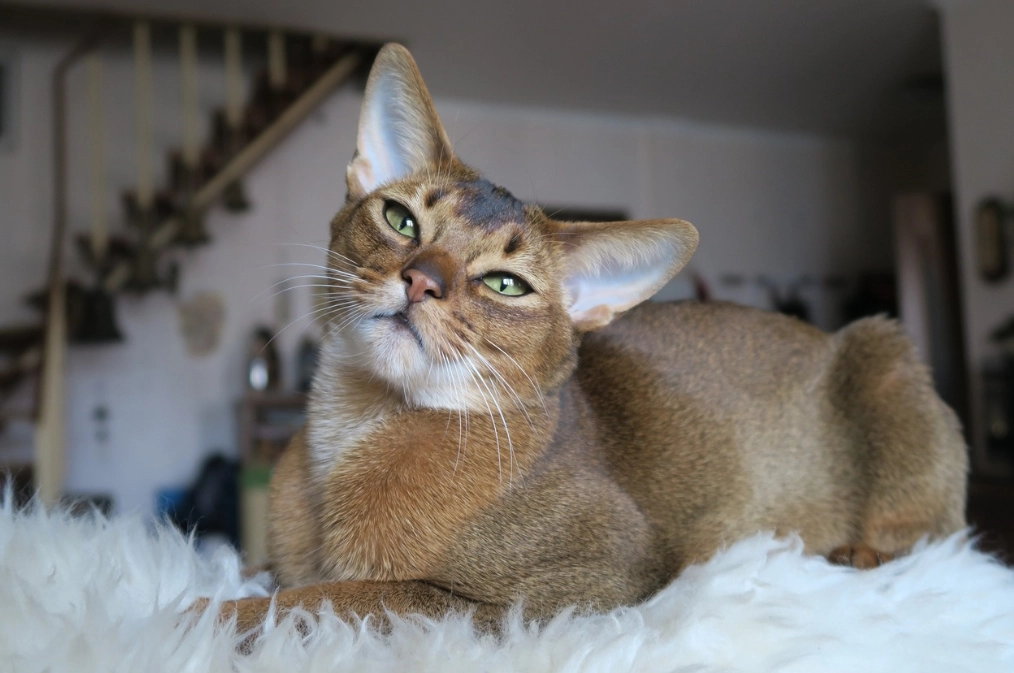
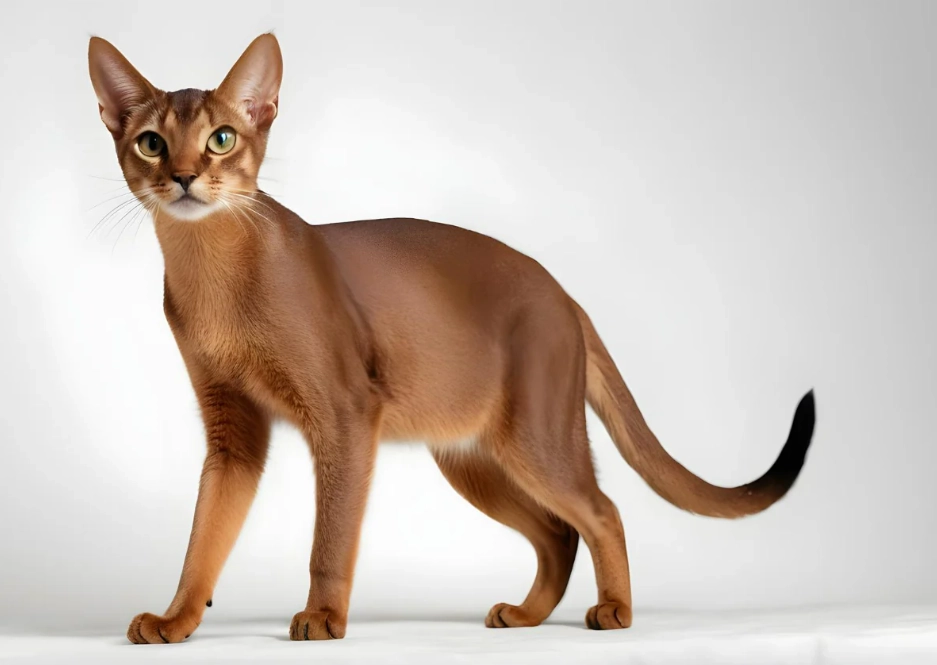
Forget solid blocks of color. The Abyssinian's signature is its ticked tabby coat. Under breed standards, like those from the Cat Fanciers' Association (CFA), the original and most recognized color is Ruddy. This isn't a flat orange. It's a rich, burnt sienna base where each hair is banded (ticked) with alternating shades of black, dark brown, and orange. The overall effect is a warm, reddish-brown glow—sometimes likened to the coat of a wild rabbit. The underside, chest, and inner legs are a softer, unticked apricot or peach color, but this is a gradual transition, not a sharp white patch.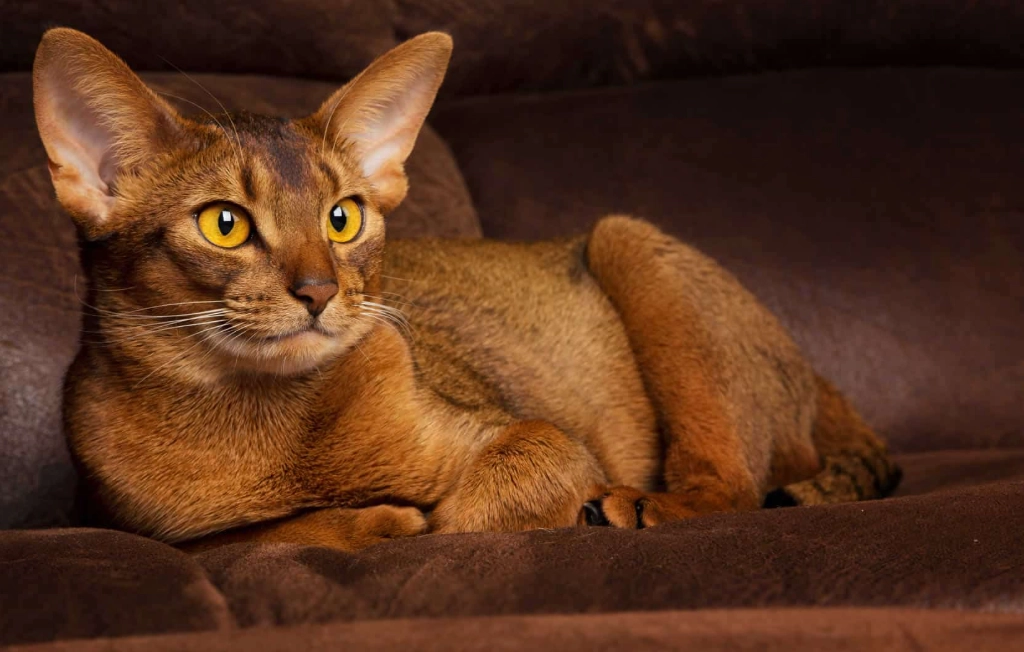
A quick note from experience: In certain lights, especially warm indoor lighting, a Ruddy Abyssinian can photograph with incredibly vibrant, almost neon-orange highlights. I've seen many photos online where someone has boosted the saturation, turning this natural ruddy glow into a solid, cartoonish orange. That's likely a big source of the "orange Aby" myth.
Other accepted colors include Red (a cinnamon-like, warmer tone), Blue (a soft slate with peach undertones), and Fawn (a light rose-beige). White spotting, piebald patterns, or large solid white areas are major faults in the show ring and are not part of the breed standard. A purebred Aby with a clear white chest medallion or white paws would be disqualified, indicating outcrossing somewhere in its lineage.
| Official Abyssinian Color | What It Looks Like | Common Mislabeling |
|---|---|---|
| Ruddy | Warm burnt sienna/copper with black ticking. Underside is peach/apricot. | Often called "orange" or "ginger" in poor light or edited photos. |
| Red (Sorrel) | Rich cinnamon-red with chocolate brown ticking. Underside is pinkish-cream. | Can be mistaken for a solid "orange" cat, but the ticking is still visible up close. |
| Blue | Soft blue-gray with slate blue ticking. Underside is creamy beige. | Not relevant to orange/white, but shows the breed's color range. |
| Fawn | Light cocoa-pink with dark cream ticking. Underside is ivory. | Shows how "warm" colors in Abys are muted and ticked, not solid. |
What "Orange and White" Might Actually Mean
So, if a cat is genuinely orange and white, what do you have? Let's run through the most likely scenarios. This is where your search intent really matters.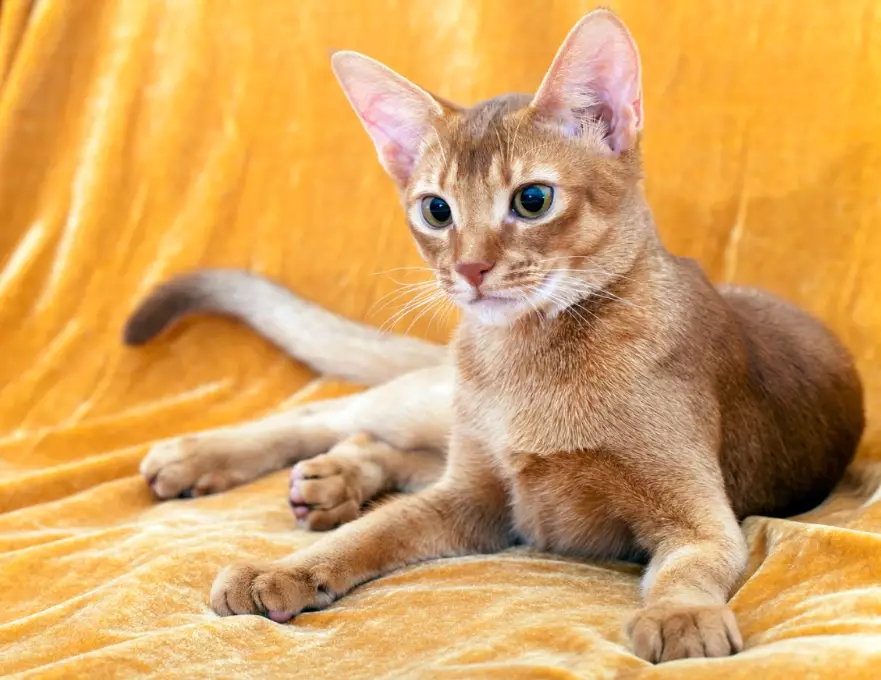
Scenario 1: The Abyssinian Mix (The "Aby-ish" Cat)
This is the most common answer. An Abyssinian mixed with a domestic shorthair—often one carrying the piebald or white spotting gene—can produce kittens with the Aby's ticked coat and white markings. You might get a cat with the lean build, big ears, and ticked orange patches on the back, but with white paws, a white bib, or a white belly. These cats are wonderful! They often have charming, hybrid personalities. But they are not purebred Abyssinians, and their temperament and care needs can vary more widely.
Scenario 2: A Different Breed Altogether
That stunning orange and white cat might be a completely different breed. An Egyptian Mau in the "bronze" color can have a spotted pattern that looks vaguely ticked from afar, with subtle lighter underparts. Some Oriental Shorthairs or Siamese (in red point or cream point patterns) can have reddish points and a white body. Even a standard domestic shorthair with a classic tabby or mackerel pattern in red tabby and white can be mistaken for something more exotic.
Scenario 3: Social Media & Terminology Confusion
Language is fuzzy. Someone might call their Ruddy Aby "orange" as a simple descriptor. A breeder might list a "red" Aby, and a viewer interprets that as "orange." Add a bright photo filter that washes out the peach undercoat to look white, and the myth gets reinforced. I once spent ten minutes at a cat show with a novice enthusiast who was convinced a champion Ruddy was a "new orange color" because of the hall's lighting.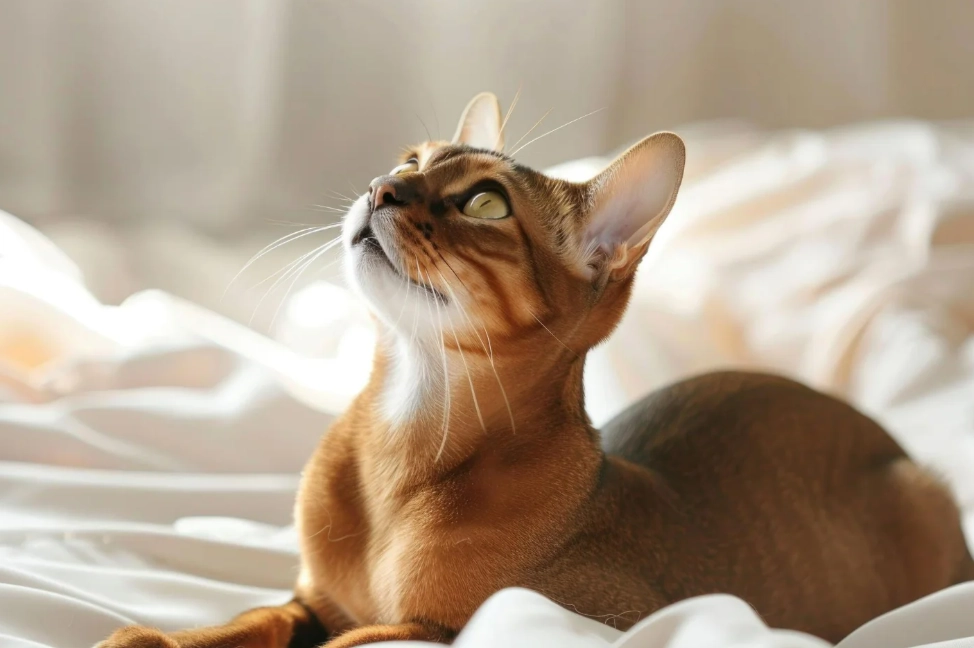
Abyssinian Personality & Care (Regardless of Color)
If you're drawn to the "orange and white Aby" image, you're probably attracted to a certain look. But the breed's soul is in its personality, which is consistent whether the coat is ruddy, blue, or red.
Abyssinians are not couch ornaments. They are interactive, intelligent, and athletic. Think of them as permanent, curious toddlers with springs in their feet. They need engagement. A bored Aby is a destructive Aby. This isn't a minor point; it's the core of living with one.
Care needs are specific:
- Diet: High-protein, quality food. They have high metabolisms. I've seen too many Abys become picky eaters if fed low-quality kibble early on.
- Exercise: Non-negotiable. Cat trees reaching the ceiling, daily interactive play sessions (feather wands, laser pointers—though always end with a physical toy), and puzzle feeders are essential. Consider leash training.
- Grooming: Easy. Their short, fine coat needs only a weekly rub-down with a grooming mitt to remove loose hair. They often love the attention.
- Health: Generally robust, but reputable breeders test for genetic issues like Pyruvate Kinase Deficiency (PK def) and Progressive Retinal Atrophy (PRA). Never buy from a breeder who cannot provide proof of these health screenings. This is more important than any coat color detail.
Finding Your Cat: Breeder vs. Rescue
Your path depends on what you truly want.
If you must have a purebred Abyssinian: Prepare for a process. Contact the CFA or The International Cat Association (TICA) for breeder referrals. Expect to be vetted. A good breeder will interview you, show you their cats' health certificates, and let you visit their home. Kittens cost $1,200 to $2,500+. They will not have white spots. You'll likely wait months. Ask about the parents' personalities—this is your best predictor of your kitten's temperament.
If you love the look and want a similar cat: Check shelters and breed-specific rescues. Search Petfinder or Adopt-a-Pet using terms like "Abyssinian Mix" or "Ticked Tabby." Describe the look you like to rescue volunteers. You might find an amazing "Aby-ish" orange and white cat for a fraction of the cost. I've helped rehome several, and they've been some of the most affectionate, quirky pets.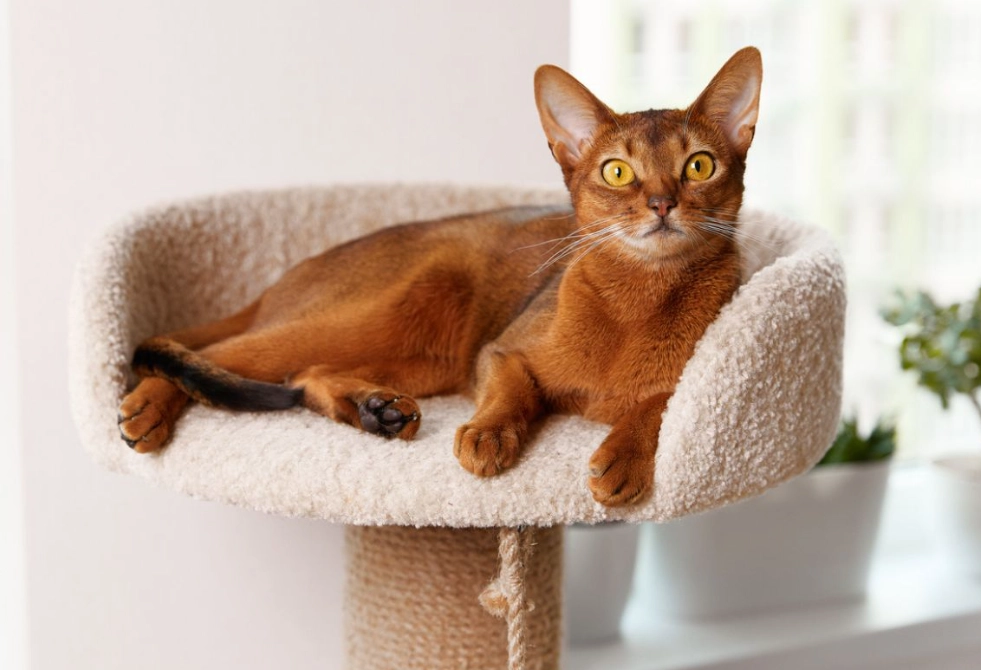
FAQ: Debunking Common Color Myths
Can an Abyssinian cat have long hair and be orange and white?
A long-haired Abyssinian is called a Somali, and they come in the same colors as Abys (ruddy, red, blue, fawn). The breed standard for Somalis also disqualifies significant white spotting. So, a purebred Somali won't be orange and white either. A fluffy orange and white cat is likely a domestic longhair mix, perhaps with some Maine Coon or Persian ancestry, not an Aby/Somali.
My vet says my cat is an orange and white Abyssinian mix. What does that mean for her health?
Your vet is likely making a visual guess based on body type and coat texture. For health, this "mix" label means little. Focus on the health history you know. A mixed-breed cat from a shelter may have a broader genetic pool, potentially reducing the risk of certain inherited disorders. However, you lose the predictability of health-tested parents. Schedule regular check-ups and discuss a diet appropriate for her age and activity level, which will be high if she has Aby energy.
 Are "orange and white Abyssinian" kittens more expensive?
If a breeder is charging a premium specifically for "orange and white" markings on a purported purebred Abyssinian, that is a major red flag. It suggests they are either breeding non-standard, faulty cats or misleading buyers about the breed. In ethical breeding, color variations within the standard (like a particularly vivid ruddy vs. a dull one) don't wildly affect price. Price should reflect health testing, socialization, and breeder reputation, not a rare (and non-existent) color pattern.
How do I get my Ruddy Abyssinian's coat to look more vibrant and "orange"?
Nutrition is key. A diet rich in animal proteins and healthy fats (like omega-3 and omega-6 from fish oil) promotes a shiny, healthy coat. Regular brushing stimulates oil production. Avoid over-bathing, which can strip natural oils. Most importantly, understand that the beauty of the coat is in its ticking and warmth, not a flat, solid orange. Appreciate the subtlety. Chasing a social media filter look does a disservice to the breed's unique elegance.
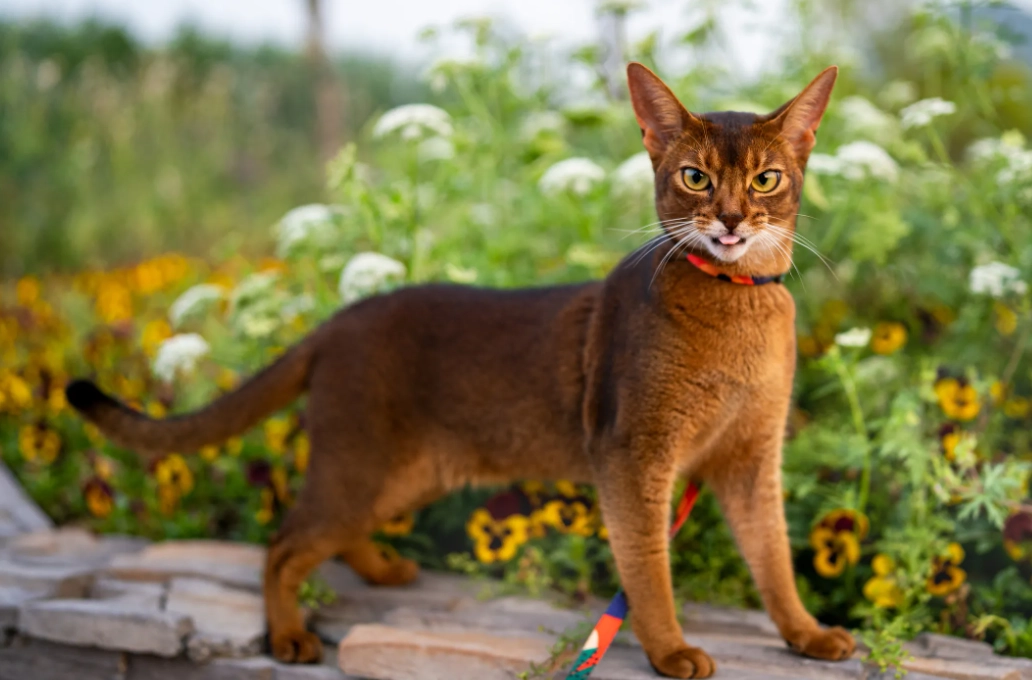 The allure of the orange and white Abyssinian cat is understandable. It's a striking visual. But the reality of the breed is even more fascinating—a complex, ticked coat housing a boundless, intelligent spirit. Whether you find a purebred Ruddy Aby from a meticulous breeder or fall in love with a lookalike mix at a shelter, let the cat's true needs and personality guide you, not just a picture on a screen. That's how you find a real companion, not just a color scheme.