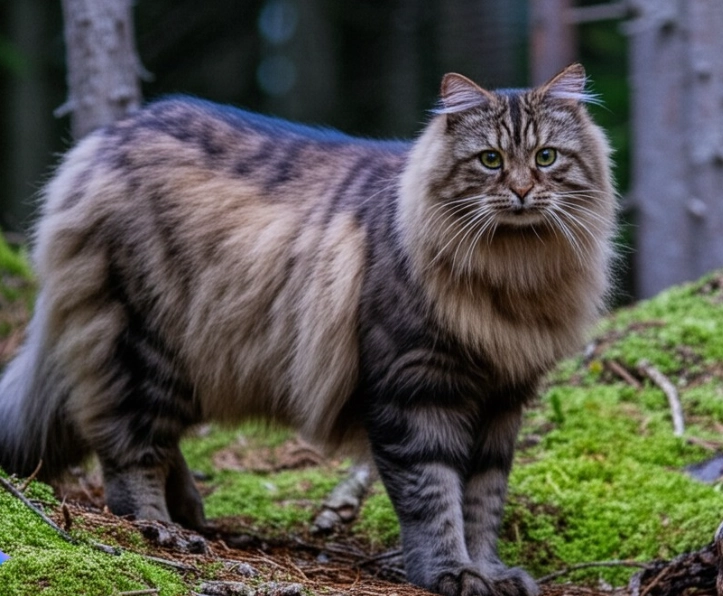
You see a sturdy, round-faced cat with a plush coat. It's obviously an American Shorthair. But is it a silver tabby, a blue smoke, or a classic brown patched tabby? The variety in American Shorthair colors is staggering—officially, over 80 different color and pattern combinations are recognized. Most people think of the iconic silver tabby from the cat food commercials, but that's just the tip of the iceberg. I've been breeding and showing American Shorthairs for over a decade, and the most common mistake I see is folks falling in love with a picture of a color without understanding the genetics or the breed standard behind it. Let's fix that.
What's Inside This Guide
- The Official Breed Standard Color Groups
- Beyond Solid: Understanding Tabby, Tortoiseshell & More
- The Silver & Smoke Factor: Genetics Explained
- How to Choose an American Shorthair Kitten Based on Color
- Coat Care Tips for Different American Shorthair Colors
- Your Questions on American Shorthair Colors Answered
The Official Breed Standard Color Groups
Major cat registries like the Cat Fanciers' Association (CFA) have a detailed standard. Colors aren't just about looks; they're tied to specific genetic codes. Broadly, they fall into a few core categories. Think of these as the base coat colors before patterns are applied.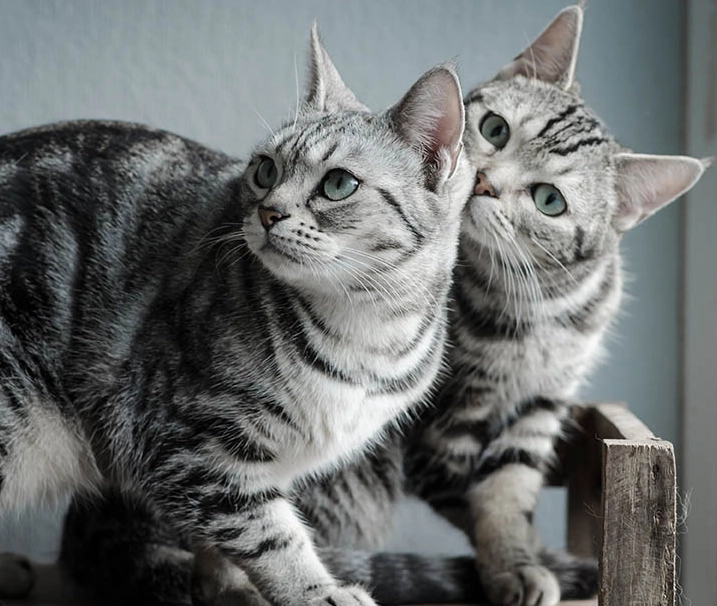
Quick Note: "Blue" is cat fancy talk for gray. "Red" means orange or ginger. It can be confusing at first, but you'll get used to it.
Here’s a breakdown of the primary solid color families you'll encounter:
| Color Group | Common Names & Examples | Eye Color | Notes & Rarity |
|---|---|---|---|
| Black Series | Black, Blue (Gray), White | Gold, Copper, Green (in whites) | Solid white is caused by a masking gene and is less common. Blue is a diluted form of black. |
| Red Series | Red (Orange/Ginger), Cream | Gold, Copper | Cream is the diluted form of red. These colors are sex-linked, so most red/cream American Shorthairs are male. |
| With Silver | Silver Tabby, Smoke, Shaded Silver | Green, Hazel, Gold | Not a color itself, but a modifier that removes warm tones from the base coat. Highly sought after. |
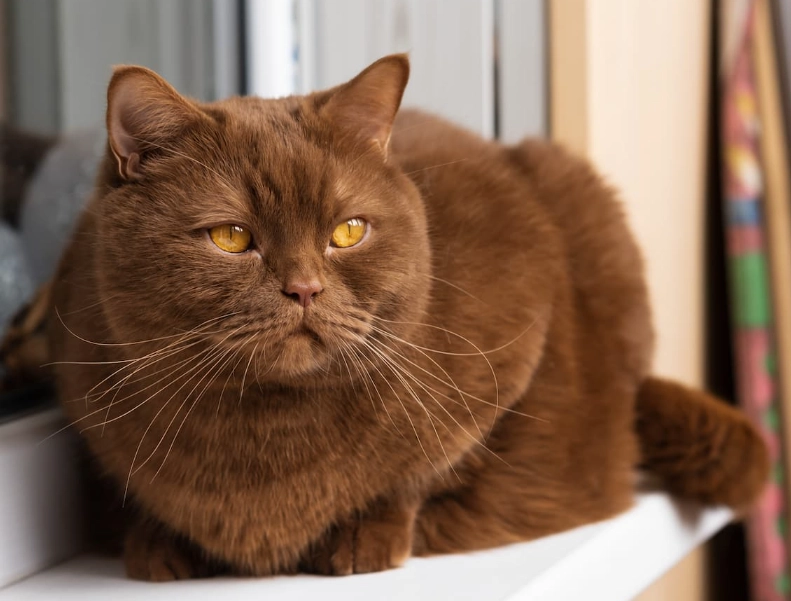
| Brown & Dilute | Chocolate, Lilac, Cinnamon, Fawn | Gold, Copper | These are newer, rarer colors in the breed. You won't find them in every litter. |
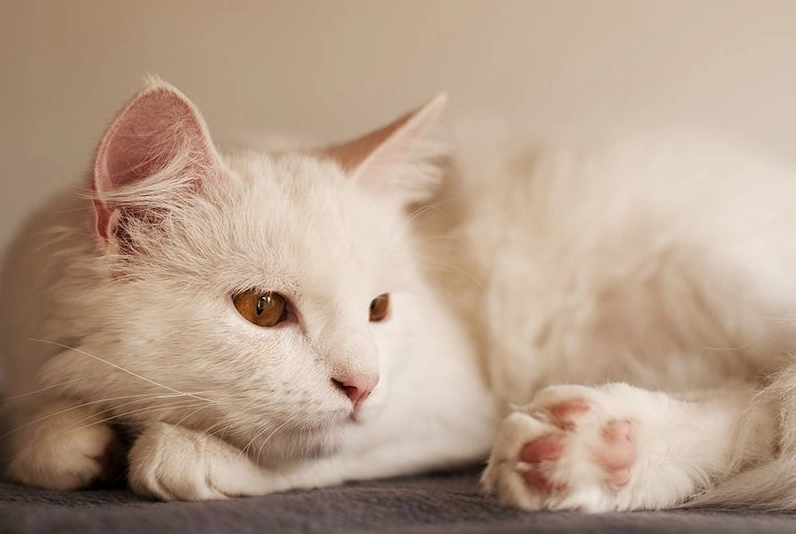
White is a special case. A pure white American Shorthair isn't albino; it has a dominant white gene that covers up its underlying genetic color. You might see a tiny smudge of another color on the head of a kitten that disappears, a ghost of its true genetics. Their eye color can be brilliant blue, gold, copper, or even odd-eyed (one blue, one gold), which is stunning.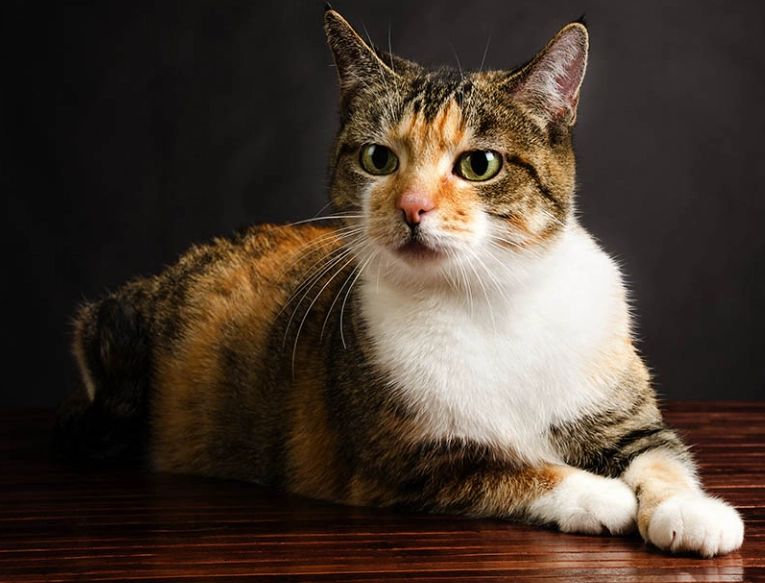
Beyond Solid: Understanding Tabby, Tortoiseshell & More
This is where American Shorthair colors get really interesting. The base color is just the canvas. The pattern is the painting. Almost all cats are genetically tabbies; "solid" cats have a modifier that makes the pattern invisible. But in American Shorthairs, the tabby pattern is celebrated and comes in distinct types.
The Four Classic Tabby Patterns
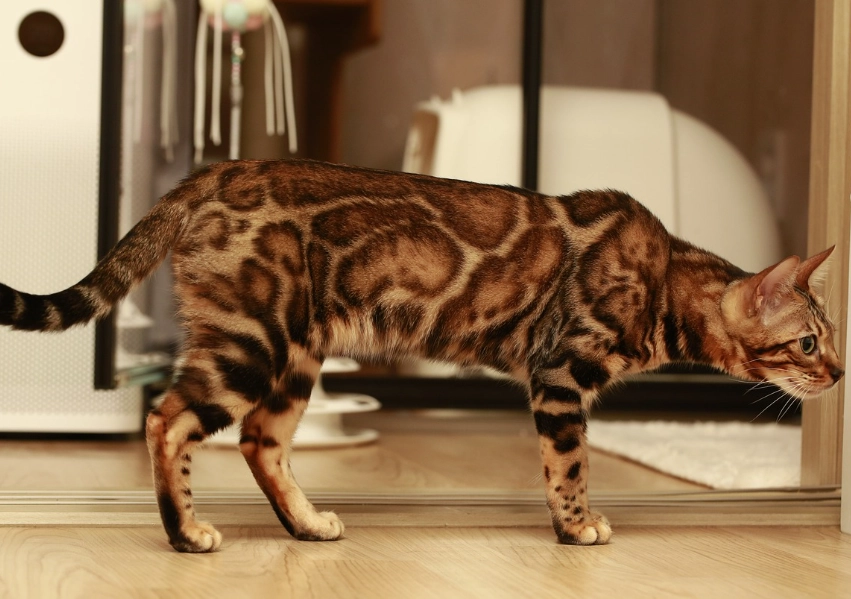
Classic Tabby: This is the marbled pattern. Swirls on the sides, a butterfly shape on the shoulders, and thick bands on the legs and tail. It's bold and beautiful. A brown classic tabby looks like a miniature wild cat.
Mackerel Tabby: Think tiger stripes. Narrow, vertical stripes running down the sides from a solid spine line. This is probably the most common pattern you see in random-bred cats, but it's crisp and clean in a well-bred American Shorthair.
Spotted Tabby: Instead of swirls or stripes, the pattern breaks up into distinct spots. It's rarer and gives the cat a more exotic, Ocicat-like appearance. The spots should be round and clear, not blurry.
Patched Tabby (Torbie): This is a combo plate. It's a tabby cat (of any pattern) also expressing the tortoiseshell (red/black) or blue-cream patches. So you get a cat with both stripes/swirls and patches of red or cream. They are almost always female and have incredibly unique, confetti-like coats.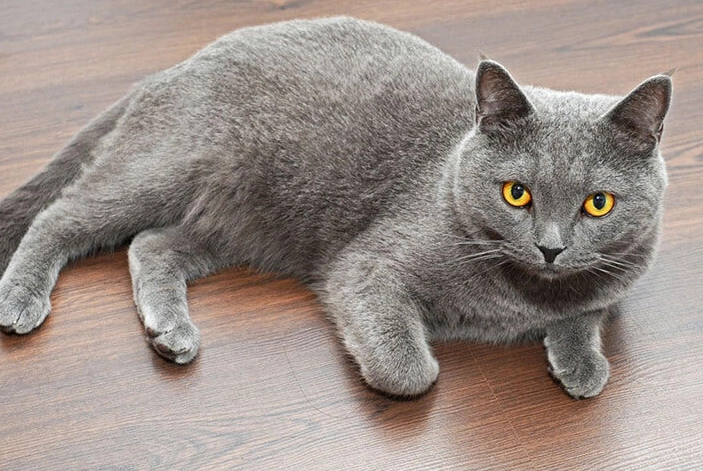
Tortoiseshell, Calico, and Bi-Color
Tortoiseshell: A mix of black and red (or blue and cream) in a brindled, intermingled pattern. No large distinct patches, just a beautiful mottled effect. Again, almost exclusively female.
Calico: Tortoiseshell plus white. The white allows the black and red to form larger, distinct patches. The classic "tricolor" cat. Finding a male calico is like finding a four-leaf clover; it's a genetic anomaly.
Bi-Color: Any of the above colors combined with white. The key in the breed standard is that the white should be distributed in a balanced, pleasing way—like a white muzzle, chest, belly, and paws. A "tuxedo" cat is a black and white bi-color.
The Silver & Smoke Factor: Genetics Explained
Let's talk about the superstar: the silver gene. This is the "I" (Inhibitor) gene. It doesn't add color; it takes it away. It inhibits the development of warm yellow and red pigment (phaeomelanin) in the hair shaft, leaving only the cool black/gray pigment (eumelanin) at the tips.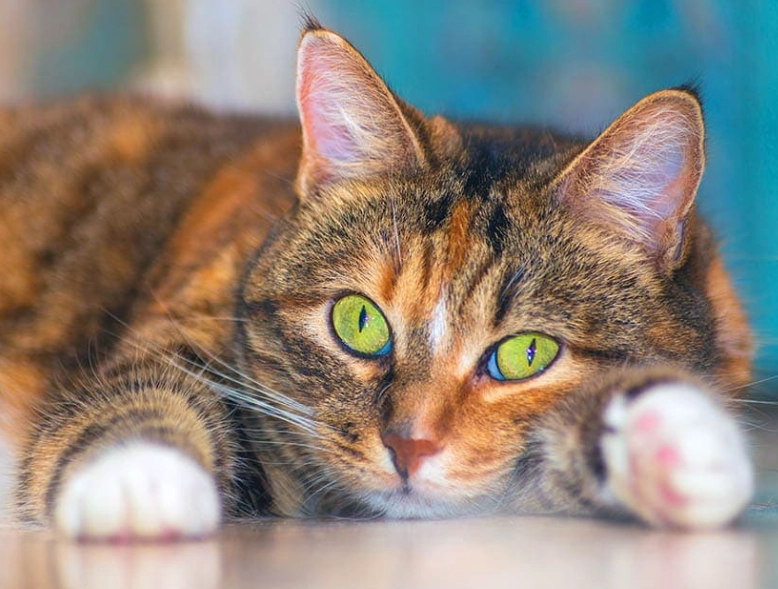
How this gene expresses itself creates three stunning effects:
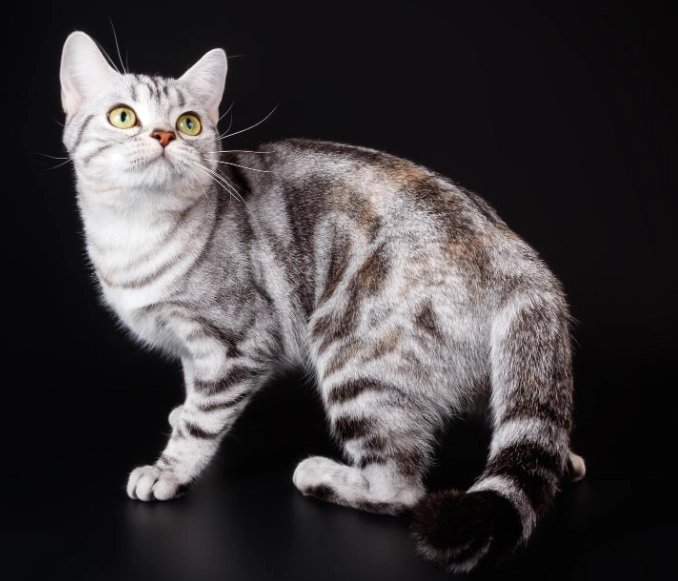
- Silver Tabby: The inhibitor gene works on a tabby pattern. The background fur becomes a pale, clear silver to white, while the tabby markings remain a deep black (or blue, chocolate, etc.). The contrast is sharp and breathtaking. My first show cat was a silver classic tabby, and in the sun, his coat looked like polished metal.
- Shaded Silver / Chinchilla: Here, the color is only on the very tips of the hair. A shaded silver looks like a white cat dipped in ink, with color only on the back, flanks, head, and tail. A chinchilla has even less tipping, appearing almost white with just a sprinkling of color on the back.
- Smoke: This is the solid version. A black smoke looks like a solid black cat... until it moves. Then you see a flash of pure white undercoat. It's a dramatic, hidden surprise. Blue smoke, red smoke, and tortie smoke are equally gorgeous.
Many new owners don't realize that a silver or smoke kitten can look a bit dull and dark at birth. The silvering comes in over the first few months. Don't panic if your 8-week-old silver tabby kitten looks like a little gray ghost—give it time.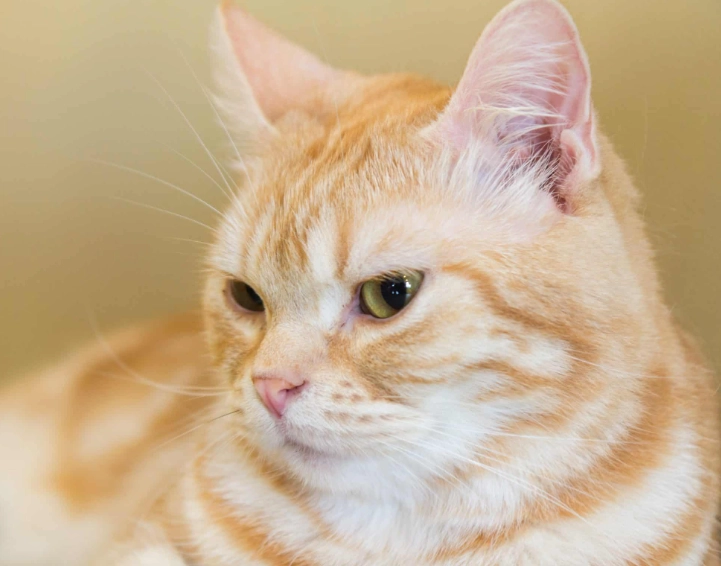
How to Choose an American Shorthair Kitten Based on Color
You're sold on the breed. Now, how do you pick a color? Beyond personal preference, there are a few practical things to consider that most guides won't tell you.
First, temperament is not linked to color. The old wives' tale about torties being spicy ("tortitude") is just that—a tale. A cat's personality is shaped by genetics, socialization, and individual quirks, not its coat pigment.
Here’s what you should think about:
- Visibility of Shedding: A white cat's fur shows up on dark furniture. A black cat's fur shows up on light carpets. A silver tabby or a dilute color like blue might be a happy medium. It seems trivial, but it's a daily reality.
- Grooming Perception: Darker solids and classic tabbies can hide a bit of dirt or dander between brushings. A pure white or pale cream coat will show every speck. If you're not committed to weekly brushing, a lighter color might feel higher maintenance.
- Availability and Price: The common silver tabby is widely available. The rarer colors—chocolate, lilac, shaded silvers—often come from specialized breeders and may have a longer waitlist and a higher price tag. Don't choose a breeder based solely on having a rare color; choose a breeder with healthy, well-socialized kittens first.
- The "Show Look" vs. "Pet Look": In the show ring, clarity and contrast are king. A pet-quality kitten from the same litter might have a slightly less crisp pattern or a deeper background color. It will be just as healthy and loving, often at a lower cost. The "imperfect" coat is perfect for a home.
Coat Care Tips for Different American Shorthair Colors
Their coat is low-maintenance, but a little targeted care keeps any color looking its best.
For silvers, smokes, and whites, a fine-toothed stainless steel comb is your best friend. It helps remove loose undercoat without breaking the delicate guard hairs. Some silvers can develop a yellowish tinge (called "rusting") around the mouth or eyes from saliva or tears. A damp cloth wipe-down after meals helps. There are also specialty whitening shampoos for show cats, but for pets, regular wiping is enough.
Dark solids and bold tabbies benefit from a rubber grooming brush or a bristle brush. This brings up the natural oils and gives a fantastic shine, making the black look jet-black and the tabby stripes pop. You'll see the coat gleam.
All American Shorthairs, regardless of color, shed. A weekly 10-minute brushing session does wonders for reducing hairballs and keeping their signature plush feel. Their coat density is what gives them that sturdy, resilient feel—it's weather-resistant, a trait from their working cat origins.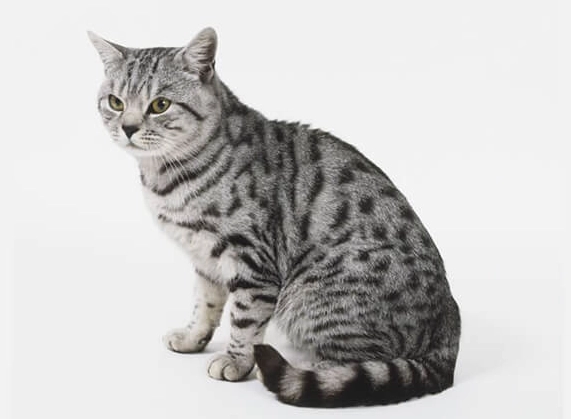
Your Questions on American Shorthair Colors Answered
Choosing an American Shorthair based on color is fun, but remember, you're bringing home a companion for 15+ years. That bold tabby pattern or that elusive silver sheen is the wrapping paper. The real gift is their steady, affectionate, and adaptable nature. Whether you end up with a common silver or a rare lilac smoke, you're getting a classic piece of Americana with a purr.