Explore This Guide
- What Exactly Is a Welsh Cat? Unpacking the History and Origins
- The Welsh Cat Personality: What's It Really Like to Live With One?
- Physical Characteristics: How to Spot a Welsh Cat
- Health and Lifespan: Are Welsh Cats Robust?
- Caring for Your Welsh Cat: A Practical Guide
- Finding a Welsh Cat Kitten or Cat: A Cautious Approach
- Final Thoughts: Is a Welsh Cat Right for You?
So you've stumbled upon the term "Welsh cat" and you're wondering what on earth it is. Is it a mythical creature from the hills of Wales? A new designer breed? Let me clear that up right away. When people talk about a Welsh cat, they're usually referring to one of two things, and honestly, the confusion is real. Sometimes it's used as a quaint, almost poetic name for any domestic cat from Wales. But more specifically, and more interestingly for us cat enthusiasts, it can point to the Welsh Mountain Cat – a robust, natural breed that's said to have developed in the Welsh countryside. It's not as famous as a Maine Coon or a Siamese, and that's part of its charm. There's a lot of hearsay and not a ton of official documentation, which makes digging into the truth a bit of an adventure.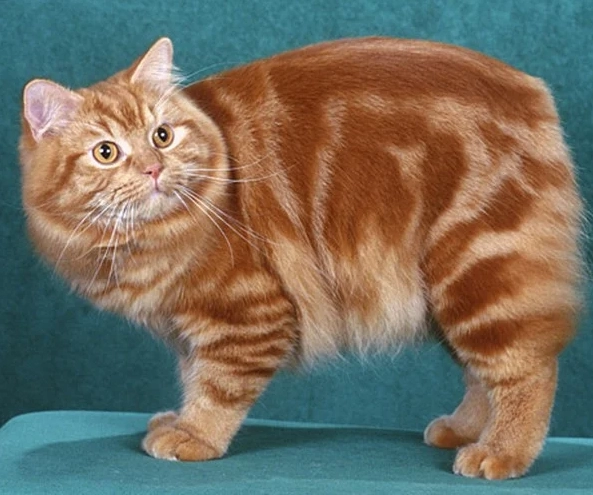
I remember first hearing about them from a fellow cat show exhibitor years ago. He described a sturdy, intelligent cat with a thick coat, built for the damp, rugged outdoors. I was skeptical. Another obscure breed with more legend than fact? But the more I looked, the more a distinct picture emerged. This guide is my attempt to piece together everything a potential owner, or just a curious cat lover, would want to know. We'll cut through the myths, look at what these cats are actually like to live with, and figure out if one might be your perfect furry match. Forget the fluffy marketing; let's talk real cat stuff.
Let's be clear upfront: The "Welsh cat" isn't universally recognized by every major cat registry like The International Cat Association (TICA) or the Cat Fanciers' Association (CFA) as a standardized breed. This is crucial. It often exists in a space between a recognized natural breed and a regional type. This means you won't find an official "Welsh Cat" breed standard on the CFA website. The information here is compiled from historical accounts, breeder profiles (where they exist), and the experiences of owners who have these captivating cats.
What Exactly Is a Welsh Cat? Unpacking the History and Origins
This is where things get fuzzy, in a non-furry way. The story of the Welsh cat isn't written in a formal studbook. It's passed down. The common thread is that these are cats that adapted over generations to the specific environment of Wales. Think about it: rolling hills, plenty of rain, cooler temperatures. A cat surviving there would need a water-resistant coat, good muscle tone, and a savvy intelligence for hunting.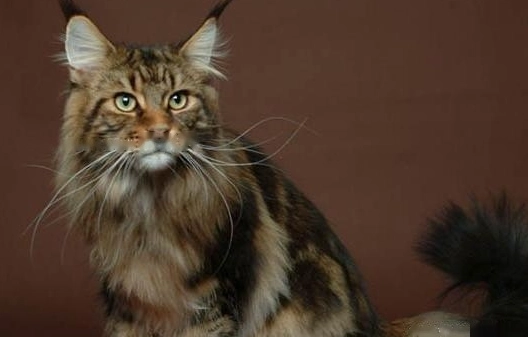
Some believe the Welsh Mountain Cat has ancestry that goes way back, possibly linked to early working cats brought to the British Isles. They weren't bred for looks in a parlor; they were selected by nature and practicality. Their evolution was about utility, not aesthetics. This often results in a healthier, more resilient animal, free from the extreme physical traits that can cause problems in some highly engineered purebreds. I find that aspect really appealing – a cat that's a cat, first and foremost.
You might read claims online that they're related to the Norwegian Forest Cat or other long-haired natural breeds. While there are similarities (thick coat, sturdy build), direct lineage is hard, if not impossible, to prove. It's more likely a case of convergent evolution – similar environments producing cats with similar features. The governing body for pedigree cats in the UK, the Governing Council of the Cat Fancy (GCCF), has historically recognized various British breeds, but the "Welsh" as a distinct entity has floated on the periphery.
So, is it a formal breed? Not exactly. Is it a real type of cat with consistent characteristics? According to those who know them, absolutely.
The Welsh Cat Personality: What's It Really Like to Live With One?
This is the million-dollar question, right? You can forgive a slightly odd look if the personality is golden. Based on accounts from owners and breeders, the Welsh cat temperament is a fascinating mix. Don't expect a lazy lap-cat that never moves. These cats are often described as having a strong, independent streak – a legacy of their supposed working background. They are intelligent and curious, the kind of cat that figures out how to open cupboard doors or watches you intently as you solve a puzzle.
But here's the nice balance: they're also reported to be deeply affectionate on their own terms. They might follow you from room to room, not necessarily to sit on you, but to be near you. They form strong bonds with their families but might be initially reserved with strangers. One owner described her Welsh-type cat as a "shadow with paws" – always present, quietly involved, but never clingy. I personally love this kind of temperament. It feels respectful, almost like a friendship with mutual space.
A Quick Reality Check: That independence can be misinterpreted as aloofness. If you dream of a cat that will be a constant, cuddly accessory, a Welsh cat might disappoint you. They appreciate interaction but often initiate it themselves. They're thinkers and observers.
They tend to have a high play drive well into adulthood. Interactive toys like feather wands or puzzle feeders that dispense treats are a big hit. Their hunting instinct is typically strong, so if you have other small pets (like rodents or birds), careful introductions and supervision are non-negotiable. This isn't a breed quirk; it's a cat thing, dialed up a bit because of their history.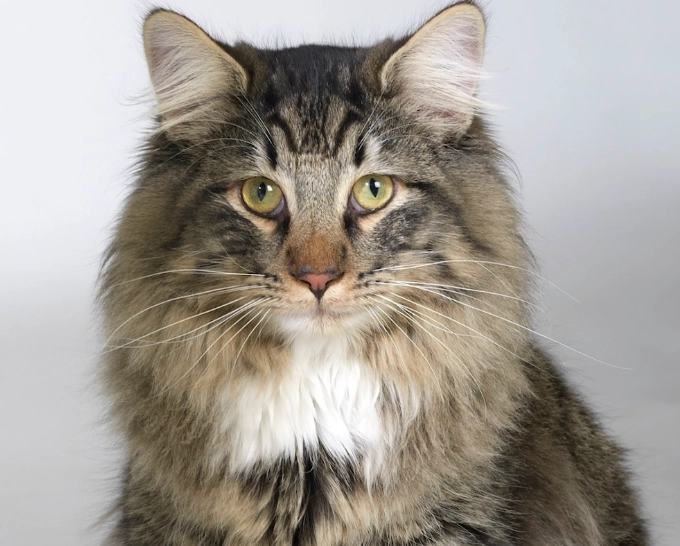
Key Welsh Cat Temperament Traits at a Glance
| Trait | Description | What It Means for You |
|---|---|---|
| Intelligence | Highly smart, curious, and quick to learn. | Needs mental stimulation. Gets bored easily with routine. Can be trained to do tricks or use complex puzzle toys. |
| Independence | Self-sufficient and confident. Doesn't suffer from separation anxiety as easily as some breeds. | Can be a good fit for people who work regular hours. Not overly demanding of constant attention. |
| Affectionate Loyalty | Forms a deep, quiet bond with primary caregivers. Shows love through proximity and gentle interaction. | Don't expect loud purring and constant lap-sitting. Their love is shown in more subtle, consistent ways. |
| Activity Level | Moderate to high. Retains a playful, energetic nature as an adult. | Requires daily play sessions. Enjoys cat trees, shelves, and safe outdoor access (like a catio) if possible. |
| Voice | Typically not overly vocal. Communicates with chirps, trills, and soft meows rather than loud, persistent yowling. | A quieter household companion. They "talk" when they have something specific to say. |
Physical Characteristics: How to Spot a Welsh Cat
Since there's no rigid breed standard, there's some variation. But the classic description of a Welsh Mountain Cat paints a pretty consistent picture. Think of a cat built for endurance and weather.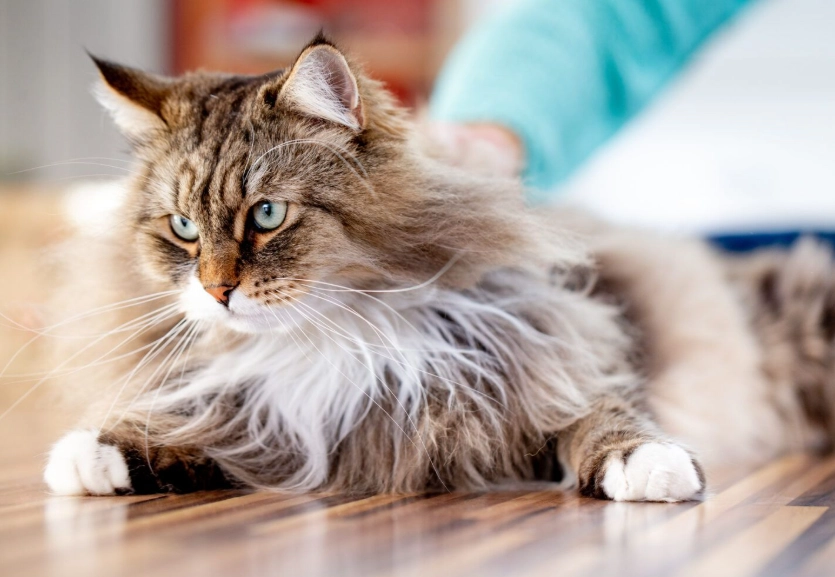
The coat is a standout feature. It's described as semi-longhaired to longhaired, with a dense, water-resistant undercoat and a heavier, slightly oily topcoat. This double layer is designed to shed rain and insulate against cold. The texture isn't super silky; it's more substantial, maybe even a bit woolly. It comes in a wide array of colors and patterns – solids, tabbies, tortoiseshells. The "natural" look means almost anything goes. Grooming is important, though. That thick coat can mat, especially behind the ears and under the legs, so a good brushing a couple of times a week is a must. During shedding season, it'll be more.
The body is medium to large, muscular, and solid without being bulky. They have a broad chest and strong legs – a physique that suggests capability, not delicacy. The head is often described as rounded but not extreme, with full cheeks and medium-sized, wide-set ears that sometimes have little tufts (like a tiny lynx). Their eyes are large, round, and expressive, usually in shades of green, gold, or copper.
The first time I met a cat that fit this description, the impression was one of robust health. There was a solidity to him, a lack of the finicky fragility you sometimes see. His coat felt different—denser, more like the coat of an outdoor animal. It wasn't "prettified." It was functional.
Health and Lifespan: Are Welsh Cats Robust?
This is a major potential advantage. Cats that have developed through natural selection, rather than intensive selective breeding for specific looks, often have a broader genetic pool. This can mean fewer inherited genetic disorders that plague some purebred lines. There's no evidence to suggest Welsh cats are prone to breed-specific ailments like hypertrophic cardiomyopathy (HCM) or polycystic kidney disease (PKD) at higher rates than the general domestic cat population.
That said, they are not immune to general cat health problems. You still need to watch for common issues like dental disease, obesity (especially if their activity needs aren't met), and routine parasites. Their thick coat can also hide weight loss or skin issues, so regular hands-on checks are important. Run your hands over their body weekly to feel for any lumps, bumps, or sore spots.
Because of their purported outdoor heritage, they are often noted for having strong constitutions and good immune systems. Anecdotally, owners report them being hardy cats with a good appetite for life. Their lifespan is typically in the range of 12-16 years, sometimes longer with excellent care. As with any cat, the cornerstone of health is a high-quality diet, regular veterinary check-ups (the American Veterinary Medical Association recommends annual visits), keeping them indoors or in safe enclosures to avoid accidents, and staying up-to-date on vaccinations and preventatives.
No cat is maintenance-free, but a Welsh cat might just be lower on the drama scale, health-wise.
Caring for Your Welsh Cat: A Practical Guide
Okay, so you're smitten with the idea. What does caring for one of these cats actually entail? Let's break it down into the essentials.
Diet and Nutrition
Feed them like the active, muscular cats they are. A high-protein, meat-based diet is key. Look for foods where a named meat (chicken, turkey, fish) is the first ingredient. Whether you choose wet, dry, or a combination is a personal and veterinary decision, but wet food can help with hydration. Portion control is critical. That solid build can easily slip into overweight if they're overfed and under-exercised. Follow feeding guidelines and adjust based on your individual cat's activity level and body condition. I made the mistake of free-feeding a similarly built cat years ago, and getting those extra pounds off was a battle.
Grooming Needs
That gorgeous coat needs work. Plan on a thorough brushing session 2-3 times per week with a sturdy steel comb and a slicker brush. This prevents mats, removes loose hair, and distributes skin oils. Pay special attention to the armpits, behind the ears, and the britches (the fluffy area on the hind legs). During spring and fall, you'll likely need to brush daily to manage the shedding. They usually don't need frequent baths unless they get into something messy—their coat tends to stay fairly clean.
Exercise and Enrichment
This is non-negotiable. A bored Welsh cat is a potential disaster (think curtains climbed, items knocked off shelves). They need physical and mental challenges.
- Interactive Play: Two 15-minute sessions per day minimum. Use wand toys to simulate hunting.
- Puzzle Feeders: Make them work for their food. It engages their brain.
- Vertical Space: Cat trees, wall shelves, window perches. They like to survey their domain from up high.
- Safe Outdoor Access: If possible, a secure catio (cat patio) is the absolute dream for a cat with this background. It allows them to experience the sights, sounds, and smells safely. The Humane Society has great resources on building a catio.
Finding a Welsh Cat Kitten or Cat: A Cautious Approach
This is the tricky part. Because they aren't a mainstream recognized breed, you won't find a Welsh cat listing in the phone book. You must be incredibly careful to avoid scams or backyard breeders.
- Reputable Breeder Search: Your best bet is to look for breeders who specialize in "natural" or "heritage" British cat types. They might not call them "Welsh cats" outright. Look for breeders who prioritize health testing (even if just for general issues), raise kittens in-home with plenty of socialization, and ask you as many questions as you ask them. A good sign is a breeder who has a waitlist.
- Rescue and Adoption: Don't discount this! Especially in the UK, you may find cats in shelters or with rescue groups that perfectly match the Welsh cat description. They might be listed as "Domestic Longhair" or "Moggy," but their traits could be spot-on. Adopting an adult cat also has the benefit of a known personality.
- Red Flags: Run from anyone who has multiple litters available immediately, who only communicates via email/text refusing calls, who won't let you see where the cats live, or who doesn't ask about your home environment. Anyone claiming their Welsh cats are "100% hypoallergenic" is lying. No cat is.
Final Thoughts: Is a Welsh Cat Right for You?
Let's wrap this up honestly. The Welsh cat isn't for everyone. It's not the cat you get for status or because it's trendy. You might spend time explaining what it is to friends. You'll need to be proactive in finding a responsible source.
But if you're looking for a cat with a robust personality, a quiet intelligence, and a less-manicured, more natural beauty, then the Welsh cat archetype is incredibly compelling. They offer a connection to a more functional type of feline companionship—a partner in curiosity rather than a decorative doll. They ask for engagement and give loyalty in return. They seem to carry the spirit of the Welsh landscape in their sturdy build and watchful eyes.
Do your homework. Be patient in your search. And if you're lucky enough to share your home with one of these charismatic cats, you'll likely find yourself with a uniquely rewarding companion, a true individual with paws planted firmly on the ground and a wild, thoughtful heart.
Just be ready to buy a really good brush.