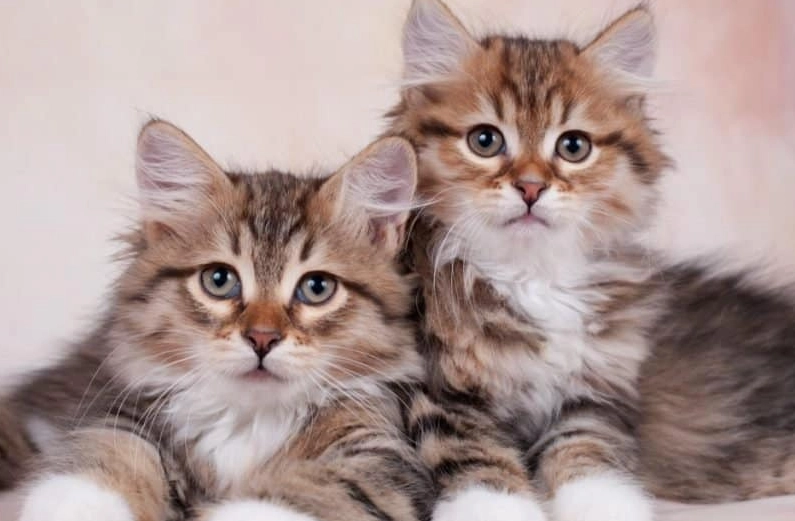
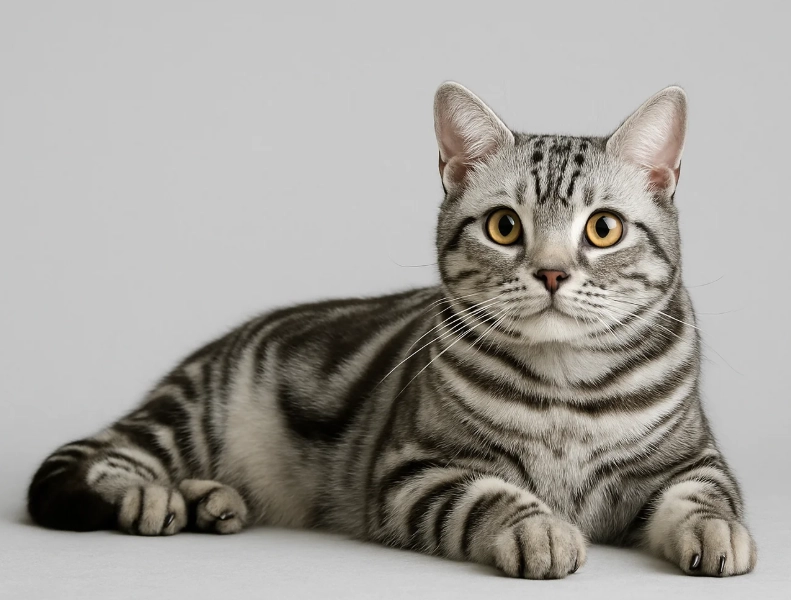
So you're thinking about bringing home a Turkish Angora. Those mesmerizing blue or odd-colored eyes, that silky white (or colored) coat, and that playful, almost dog-like personality are hard to resist. But before you get lost in daydreams, the first practical question hits: how much do Turkish Angora cats cost?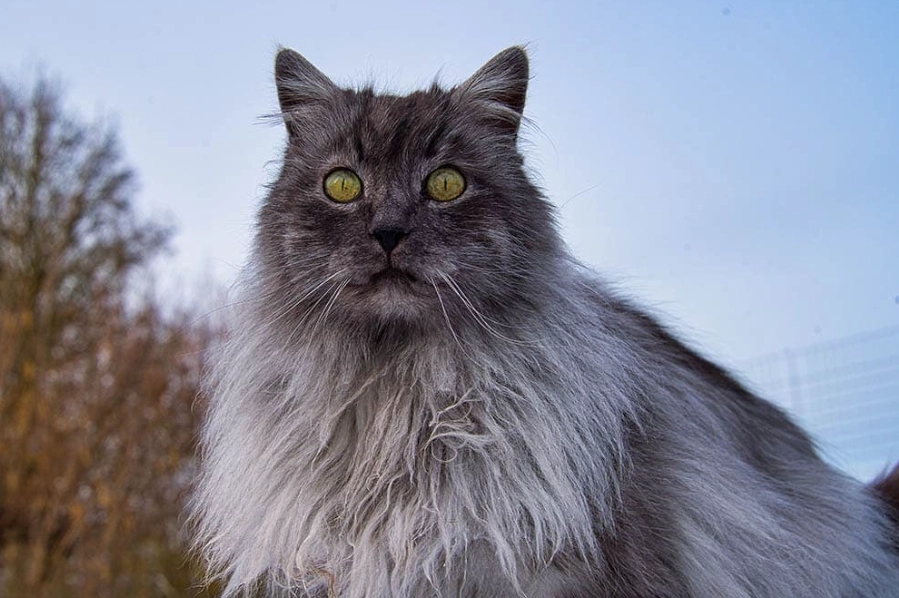
The short answer is, it varies wildly. You might see a figure like $800 to $2,500 thrown around, but that's just the tip of the iceberg. That number only covers the purchase price from a breeder. The real cost—the one that impacts your wallet for the next 15+ years—includes a mountain of other things: vet bills, food, insurance, grooming tools, and the occasional replacement of a curtain they've decided to climb.
I've been around purebred cats for over a decade, and the biggest mistake I see new owners make is focusing solely on the kitten's price tag. They budget for the cute ball of fluff, then get blindsided by the first-year setup costs or a sudden health issue. A cheap kitten can become a very expensive cat if it comes from a questionable source.
Let's break down every dollar you need to consider, from reputable breeders and surprising adoption options to the ongoing care that makes these aristocrats of the cat world thrive.
What's Inside This Guide?
The Purchase Price: Where Your Money Actually Goes
This is the number everyone searches for. It depends entirely on where you get your cat.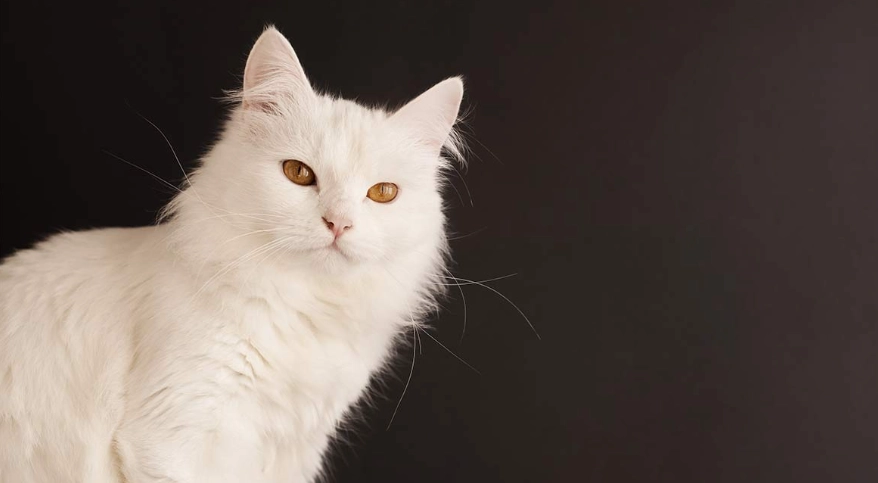
From a Reputable Breeder
This is the most common route for a purebred Turkish Angora. A responsible breeder invests heavily in their cats: genetic health testing (crucial for this breed), high-quality food, excellent vet care, early socialization, and registration with cat fancier associations like The Cat Fanciers' Association (CFA) or The International Cat Association (TICA).
Here’s a realistic price breakdown based on pedigree and purpose:
| Cat Type / "Quality" | Price Range | What You're Paying For |
|---|---|---|
| Pet Quality | $1,200 - $2,000 | A healthy, socialized kitten with purebred parents, but perhaps with a minor cosmetic "flaw" (like a mismatched coat pattern) that prevents it from being shown. It will be spayed/neutered before you take it home. |
| Show / Breeding Quality | $2,000 - $3,500+ | A kitten that meets the strict breed standard perfectly. It comes with breeding rights and is often not altered. This price reflects its potential to win shows or produce future litters. Expect a lengthy contract. |
| Rare Coat Color / Eyes | Premium on top of above | While classic white is iconic, colored Angoras (black, blue, tabby) and those with striking odd-eyes (one blue, one amber/green) often command higher prices due to demand and genetics. |
Anything advertised significantly below $1,000 from a "breeder" should raise red flags. It likely means skipped health tests, poor living conditions, or the cat isn't a documented purebred at all.
Adoption and Rescue: The Overlooked Option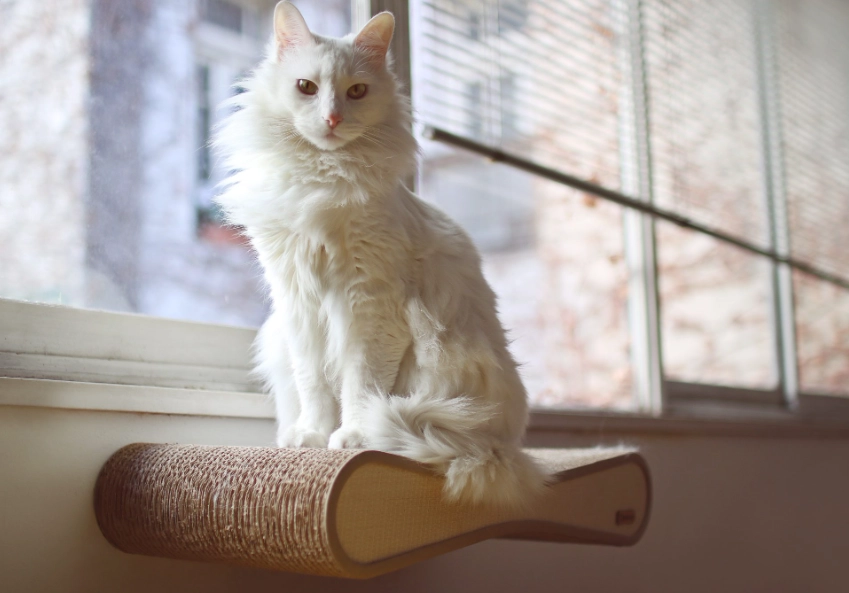
Yes, you can find Turkish Angoras or Turkish Angora mixes in shelters and breed-specific rescues. People's circumstances change—divorce, moving, allergies. Purebred cats get surrendered too.
**Adoption fees are dramatically lower: typically between $150 and $400.** This almost always includes spay/neuter, initial vaccinations, a microchip, and a basic vet check. It's arguably the most cost-effective and ethical way to bring a cat into your home.
The catch? You need patience. They aren't as readily available as domestic shorthairs. Your best bet is to apply to general shelters and specifically contact breed-specific cat rescues. Get on their waitlists. Let them know exactly what you're looking for. I helped a friend adopt a stunning 3-year-old white Turkish Angora mix this way; the fee was $250, and he was the most affectionate cat I've ever met.
The Hidden First-Year Startup Costs
The kitten price is just your entry ticket. Setting up your home and covering initial vet care is a significant, one-time (mostly) investment. People forget to budget for this.
Let's assume you're bringing home a healthy kitten from a good breeder who has done the first round of shots.
- Initial Vet Visit & Setup: $200 - $400. This is for a thorough check-up, possibly a fecal test, and planning the remainder of the vaccination schedule (like rabies).
- Spay/Neuter: $300 - $600. If not already done by the breeder or rescue. This is non-negotiable for pet health and preventing behavioral issues.
- Essential Supplies: $300 - $600. This isn't just a food bowl and a collar. We're talking:
- A sturdy, tall cat tree (Angoras love to climb and observe).
- A high-quality carrier.
- Multiple scratching posts (save your furniture).
- Interactive toys (they're smart and need mental stimulation).
- A good brush and nail clippers.
- High-quality kitten food (not the cheap grocery store stuff).
- Two litter boxes and the litter you plan to stick with.
- Microchipping: $50 - $100 if not already included.
Do the math. Even on the lower end, you're looking at an additional $850 to $1,700 in the first few months, on top of the purchase price. This is why that "cheap" $500 kitten from an online ad loses its appeal fast.
Lifetime Annual Expenses: The Long-Term Budget
This is the cost of responsible, loving ownership. A Turkish Angora can live 15-18 years, so plan accordingly.
| Expense Category | Estimated Annual Cost | Notes & Tips |
|---|---|---|
| High-Quality Food | $400 - $800 | Turkish Angoras do best on a protein-rich diet. Wet food is great for hydration. Don't skimp here; good nutrition prevents many health issues. |
| Routine Vet Care | $300 - $600 | Annual check-ups, booster vaccinations, and parasite prevention (fleas, ticks, heartworm). |
| Pet Insurance | $250 - $500 | My strongest recommendation. For a breed that can be prone to certain genetic conditions like hypertrophic cardiomyopathy (HCM), insurance is a financial lifesaver. A major illness can cost $5,000+. |
| Litter | $200 - $300 | They're not particularly messy, but you'll go through it. |
| Toys, Treats, & Replacements | $100 - $200 | Toys get destroyed, beds get worn out. |
| Grooming (Optional Professional) | $0 - $200 | Their semi-long coat is low-matting, but occasional professional grooming during shedding season can help. |
| Miscellaneous / Emergency Fund | $200 - $500 | For the unexpected. Always have a buffer. |
Total Estimated Annual Cost: $1,450 - $3,100. This doesn't include major medical emergencies, which is where pet insurance or a robust savings account comes in.
How to Find a Turkish Angora Kitten (The Right Way)
Finding a reputable source is the most important step in controlling long-term costs. A healthy, well-socialized kitten from good genetics is worth every penny of a higher initial price.
Start with the breed associations. Go to the websites of The Cat Fanciers' Association (CFA) and The International Cat Association (TICA). Use their breeder referral lists. These breeders agree to a code of ethics.
Ask the hard questions when you contact a breeder:
- Can I see the kitten's parents and their living conditions?
- What genetic health testing do you perform on the breeding cats? (Ask specifically about HCM).
- Can I see the veterinary records for the kitten and its parents?
- What is included in the purchase price? (Contract, health guarantee, registration papers?).
- What is your policy if I can no longer care for the cat?
A good breeder will have answers ready. They will also ask you plenty of questions in return.
Avoid: Online marketplaces like Craigslist, Facebook Marketplace, or "kitten mill" websites that have many breeds available 24/7. These are often backyard breeders or brokers who prioritize profit over health.
Your Turkish Angora Cost Questions Answered
Why are some Turkish Angora cats so cheap online?
Extremely low prices are a major warning sign. It usually indicates a backyard breeder cutting every corner: no health testing, poor nutrition, minimal vet care, and overcrowded conditions. These "savings" often translate into thousands in vet bills later for respiratory infections, parasites, or genetic disorders. The initial price is a reflection of the investment in the cat's wellbeing.
Is it worth paying extra for a show-quality kitten if I just want a pet?
For 99% of people, no. A pet-quality kitten from the same healthy, well-socialized litter is the perfect choice. It will have the same wonderful temperament and beauty, just perhaps a tiny deviation from the perfect show standard that only a judge would notice. You save money and get a spayed/neutered cat, which is easier for pet life.
 What's the single biggest unexpected cost new owners face?
Emergency veterinary care. A blocked urinary tract, an ingested foreign object, or an accident can result in a bill of $2,000 to $10,000 overnight. This is why I view pet insurance not as an optional cost, but as a mandatory part of the annual budget for any purebred animal. It turns a catastrophic financial decision into a manageable monthly premium.
Can the cost of grooming a long-haired cat like this break the bank?
Turkish Angoras are a pleasant exception. Their single-layer, silky coat is far less prone to matting than a Persian's. A weekly brushing session at home with a good comb is usually sufficient. The main cost is your time, not professional grooming fees. You might need a pro during heavy seasonal sheds, but it's not a monthly necessity.
How much should I budget for the total first-year cost of a Turkish Angora?
Be prepared for a total outlay of $3,000 to $5,000 for Year One. This combines a mid-range purchase price from a good breeder ($1,500), all the startup costs ($1,200), and the first year of annual expenses ($1,500). Adopting would bring this total down significantly, potentially under $2,000 for the first year. Seeing the full picture helps you avoid being financially strained by your new family member.