If you've ever squinted at a beautifully patchy cat and wondered, "Is that a tortie or a calico?" you're not alone. The terms get thrown around interchangeably, but they describe two distinct and fascinating feline coat patterns. The confusion usually stems from one simple, often overlooked factor: the presence and amount of white fur. It's more than just a color quirk—it's a window into your cat's unique genetic blueprint. Getting it right matters, especially when you're trying to understand potential health links or even just describe your cat accurately to the vet. Let's clear up the confusion once and for all.
What's Inside This Guide?
The 5-Second Definitions: Tortie vs Calico
Before we dive into the science, here's the simplest way to tell them apart.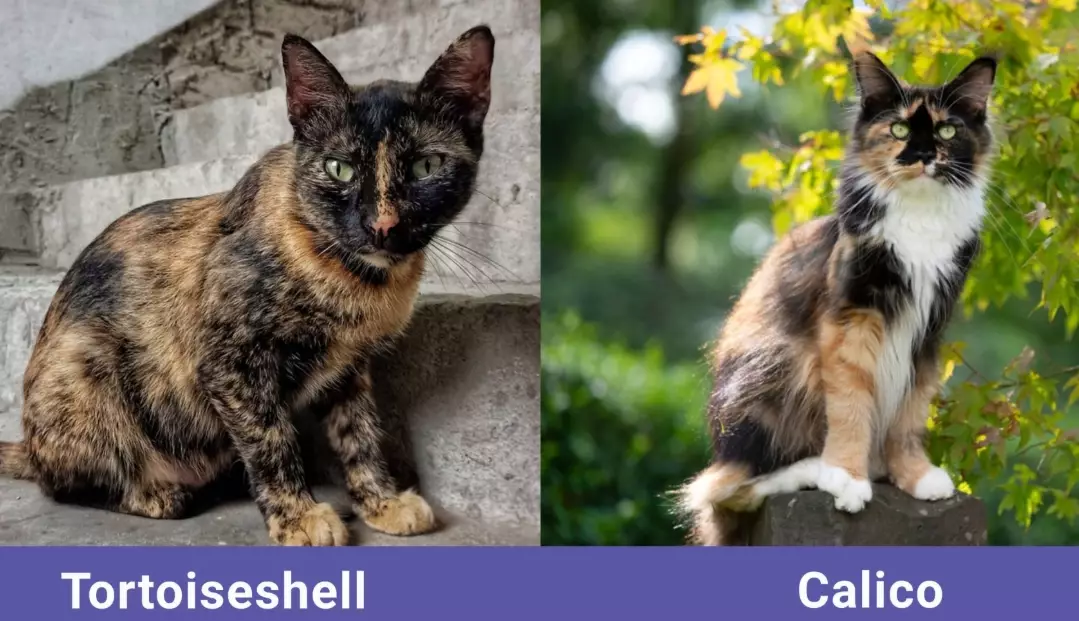
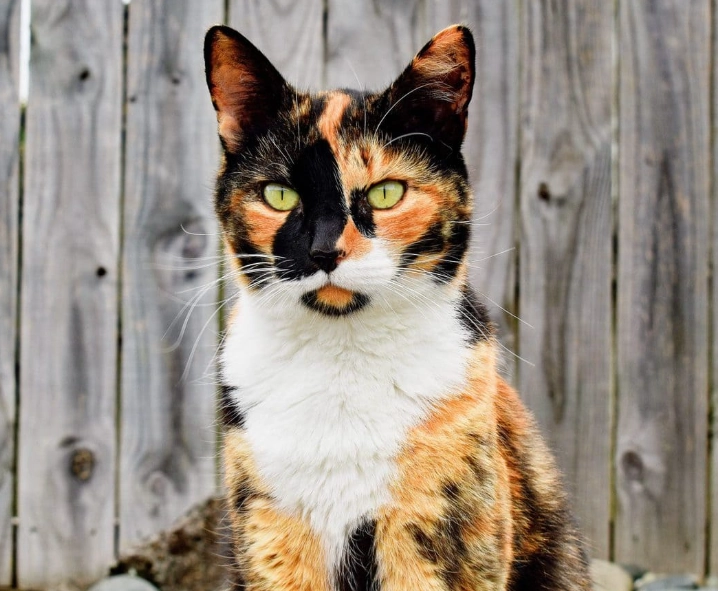
A tortoiseshell cat ("tortie") has a coat mottled with black and orange (or their dilute versions: gray and cream). The colors are mixed together in a brindled, marbled, or swirled pattern. Key point: little to no white fur. If you see white, it's usually just small spots on the paws, chest, or face.
A calico cat has the same black and orange colors, but they appear in distinct, separate patches. The defining feature: significant amounts of white fur creating a clear tri-color effect of black, orange, and white.
Think of it this way: all calicos are technically tortoiseshells with a white spotting gene turned on. But not all tortoiseshells are calicos.
The White Rule: This is the single most reliable visual clue. Scan the cat's body. Large, clear blocks of white fur separating the darker colors? You're looking at a calico. A mottled mix of colors with maybe just a tiny white locket or toes? That's a classic tortie.
The Genetic Blueprint: It's All About the X Chromosome
This is where it gets interesting, and where most casual explanations stop short. The black and orange colors are carried on the X chromosome. Female cats have two X chromosomes (XX). If one X carries the gene for orange fur and the other for black, you get the patchwork expression we see in both torties and calicos. This phenomenon is called X-inactivation.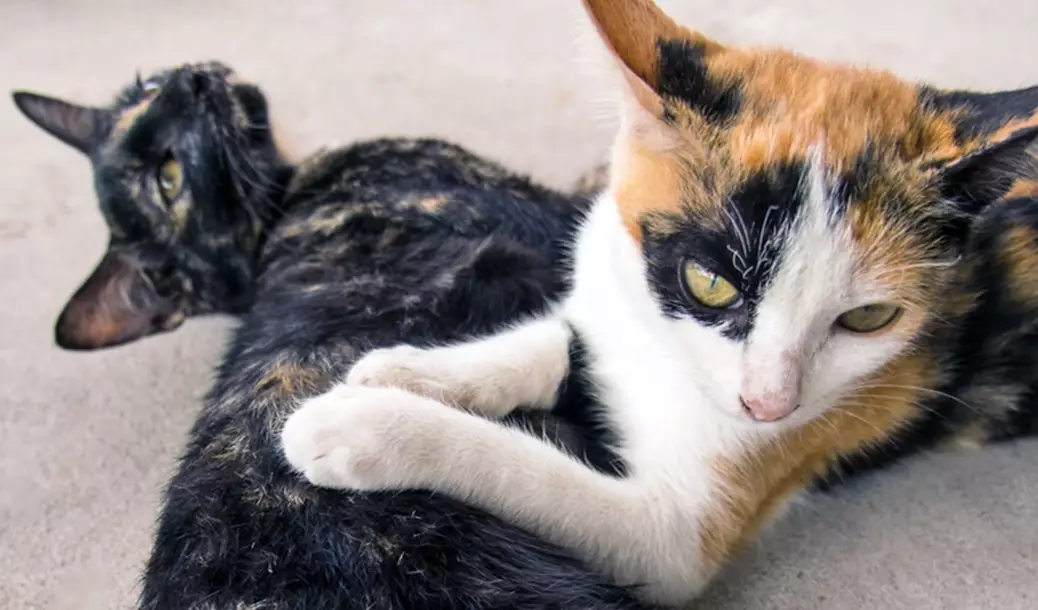
X-Inactivation: The Cellular Coin Toss
Early in a female embryo's development, one X chromosome in each cell is randomly "switched off." If the cell keeps the "orange" X active, that patch of fur grows orange. If it keeps the "black" X active, the fur grows black. This random process creates the unique, non-repeating mosaic. It's why no two tortoiseshell or calico cats are ever exactly alike—a true genetic fingerprint.
The White Spotting Gene: The Calico Maker
Here's the crucial divider. The calico pattern requires an additional, completely separate gene: the white spotting gene (often denoted as the 'S' gene). This gene is not on the sex chromosomes. It affects the migration of melanocytes (pigment cells) during development. If a cat inherits a copy (or two) of this gene, it develops white areas of varying sizes. When this gene is expressed in a tortoiseshell cat, the white fur "breaks up" the brindled colors into the larger, distinct patches we recognize as calico.
The strength of this white spotting gene determines how much white there is. A low expression might give a "tortie with white" (mostly tortie pattern with some white on the belly). A high expression creates the classic, mostly-white calico with colored patches.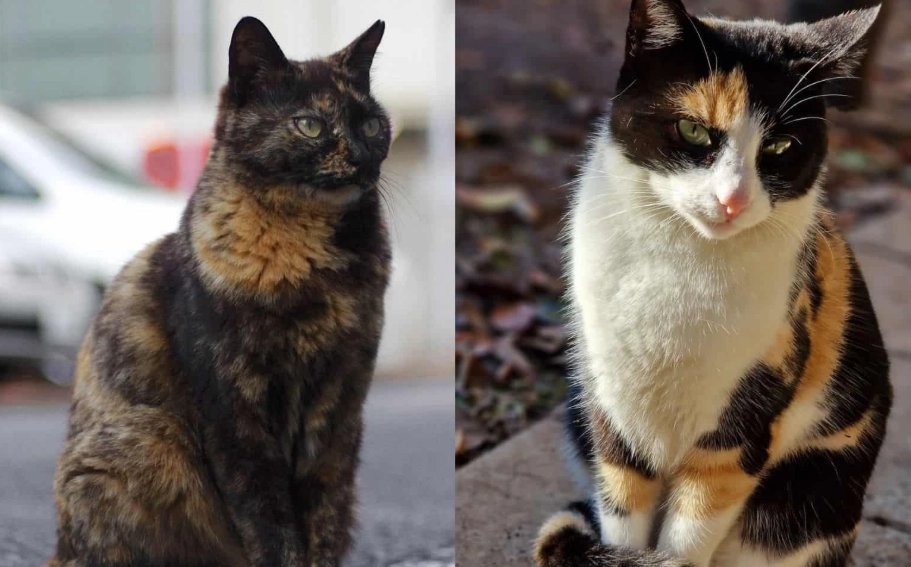
| Feature | Tortoiseshell Cat (Tortie) | Calico Cat |
|---|---|---|
| Core Colors | Black & Orange (or their dilutes: gray & cream) | Black, Orange, & White |
| Pattern | Brindled, marbled, swirled. Colors intermingled. | Distinct, separate patches of color. Colors are blocky. |
| Amount of White | Little to none. May have small white marks. | Significant, often large areas of white fur. |
| Primary Genetic Cause | X-inactivation in a female (XX) cat. | X-inactivation PLUS the white spotting ('S') gene. |
| Rarity in Males | Extremely rare (XXY chromosome abnormality). | Even rarer than male torties. |
Color & Patterns: From Brindled to Patched
Beyond the basic definitions, there's a beautiful spectrum within each category.
Tortoiseshell Variations
- Classic/Brindled Tortie: The black and orange are finely mixed, like pepper in salt. It's the most common pattern.
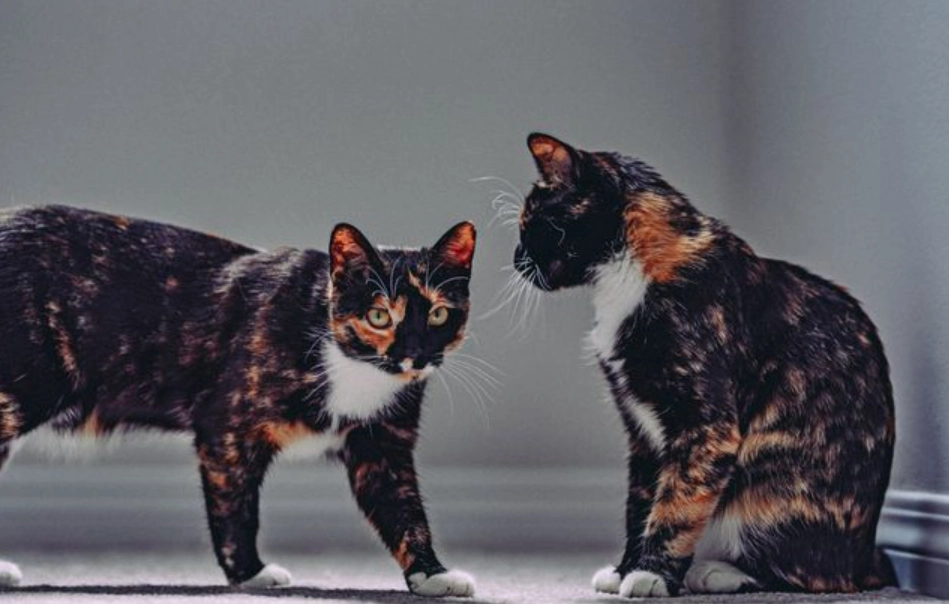
- Patched Tortie (or "Torbie"): A blend of tortoiseshell and tabby. The black patches might have tabby stripes, or the orange patches might be clearly mackerel or classic tabby. This is a very common mix-up—people often call these calicos, but if there's no major white, it's a patched tabby/tortie.
- Dilute Tortie: The colors are softened. Black becomes blue-gray, and orange becomes a pale cream. The effect is stunning and subtle.
Calico Variations
- Classic Calico: Large, well-defined patches of black, orange, and white. The white is usually on the underside, legs, and part of the face.
- Dilute Calico: Patches of blue-gray, cream, and white. Arguably one of the most visually soft and beautiful coat patterns.
- Caliby: A calico with tabby stripes within the colored patches (not the white areas). Again, the white is the key to calling it a "calico" variation.
The Truth About "Tortitude"
Ah, the famous "tortitude"—the supposed sassy, strong-willed, independent personality attributed to tortoiseshell and calico cats. Let's be real: there's no scientific study from a place like the UC Davis School of Veterinary Medicine that proves coat color dictates personality in a direct, causal way.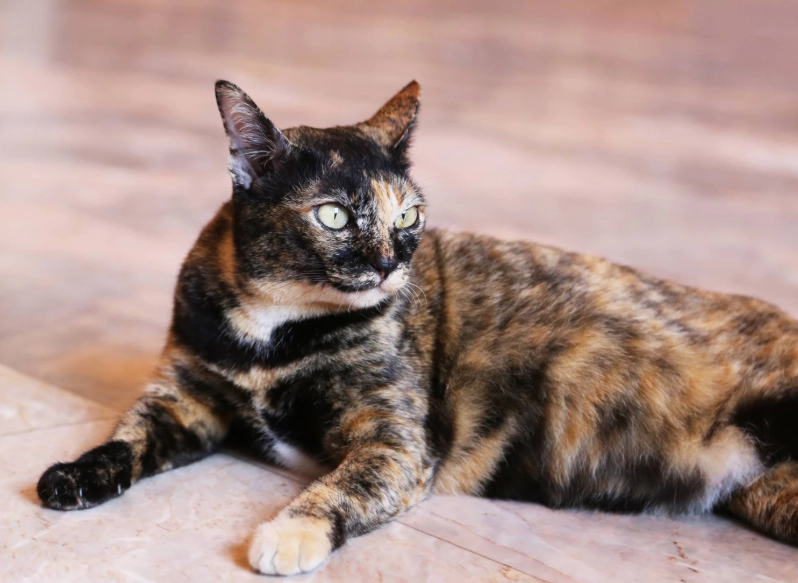
Personality is shaped by genetics (breed mix), early socialization, and individual experience. However, the perception of tortitude is strong. Why? Confirmation bias plays a huge role. If you expect your tortie to be feisty, you'll notice and remember every hiss or swat and forget the hours of quiet purring.
There might be a tiny, indirect link. The gene for orange fur is linked to boldness and activity in some studies. Since torties/calicos express both orange and non-orange, could there be a unique behavioral cocktail? It's possible, but it's not a rule. I've met plenty of torties that were shy lap cats and solid black cats with massive 'tude.
Labeling a cat based on its coat can do a disservice. It might make an adopter overlook a wonderful tortie they assume will be "difficult," or it might cause someone to dismiss real behavioral issues as just "tortitude." Treat the cat as an individual.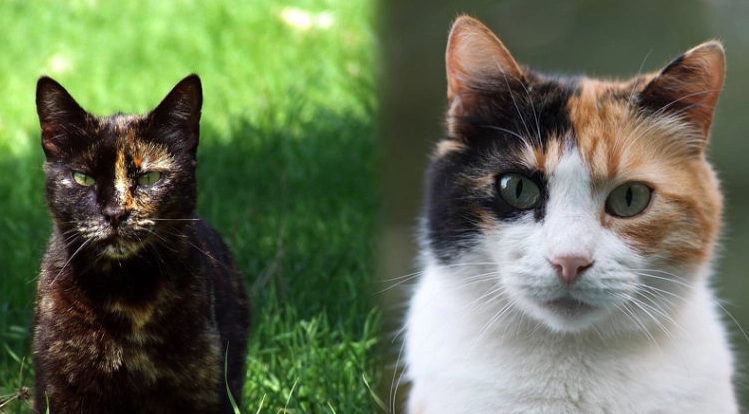
Care & Health: What's Actually Different?
Do torties and calicos need special care? Not specifically because of their colors. Their care needs are identical to any other cat of their age, breed, and health status. However, their genetics do point to a few important considerations.
The Male Cat Exception (And Its Health Implications)
Male tortoiseshell or calico cats are extraordinarily rare. For a male (XY) to have both orange and black fur, he must have an extra X chromosome, making him XXY. This is similar to Klinefelter syndrome in humans.
Here's the critical, often-unmentioned detail: Male torties/calicos are almost always sterile. More importantly, the XXY condition can be associated with a higher risk for certain health problems. If you are ever lucky enough to meet or own a male tortie/calico, proactive veterinary care is essential. Discuss potential screening with your vet, as resources from organizations like The International Cat Association (TICA) note the unique genetic status of these males.
No Color-Linked Diseases
Unlike some purebred traits linked to health issues, the tortoiseshell and calico patterns themselves are not associated with specific diseases. The white spotting gene in calicos, if very strong, can sometimes be linked to a higher chance of congenital deafness in the ear on the side with a predominantly white ear—a trait seen in many white or mostly-white cats, not just calicos. A simple BAER test at the vet can check hearing.
The main takeaway? Choose a vet who looks at your cat, not its coat color. Base the wellness plan on its actual needs.