You see a photo of a Norwegian Forest cat. It's perched on a fence, thick fur ruff blowing in the wind, looking like a creature from a Viking legend. Your first thought is probably, "Wow, that's a big cat." And you're right. But the size of a Norwegian Forest cat is more than just a number on a scale. It's about proportion, adaptation, and a set of care requirements that many enthusiastic but unprepared owners overlook. I've been around this breed for over a decade, and the most common surprise isn't their gentleness—it's the practical, daily reality of living with a cat built like a small lynx.
Let's get the headline figure out of the way: a male Norwegian Forest cat typically weighs between 12 to 16 pounds (5.4 to 7.3 kg), with some well-bred individuals pushing 18 pounds or more. Females are smaller, usually in the 9 to 12 pound (4 to 5.4 kg) range. But weight alone is deceptive. They are long, muscular, and solidly built with substantial bone structure. When you pick one up, you feel their density. A 14-pound Forest cat can feel heavier and more substantial than a 16-pound cat of a less sturdy breed.
Inside This Guide
The Defining Traits: How Big Do They Actually Get?
Describing a Norwegian Forest cat's size requires looking beyond the scale. According to the breed standard from organizations like The International Cat Association (TICA), it's a combination of elements that create their impressive presence.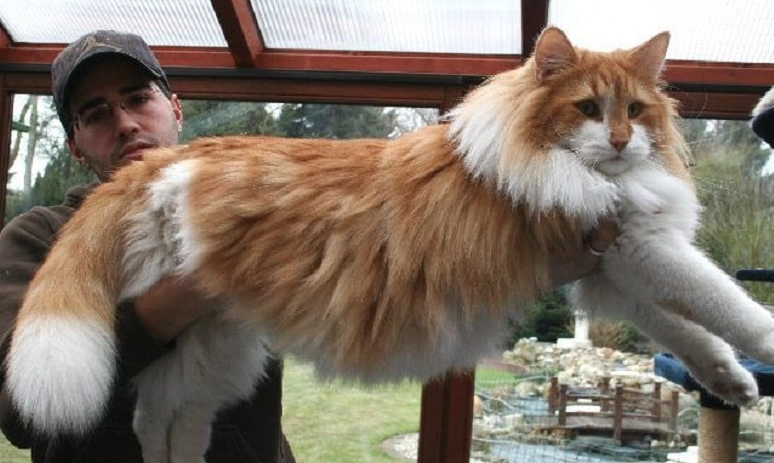
Body: They have a long, muscular torso with a broad chest. This isn't the lean length of an Oriental breed, but a powerful, rectangular frame. The back legs are slightly longer than the front, giving them a distinctive, powerful stance—perfect for their original job of climbing Norwegian cliffs and trees.
Bone Structure: This is key. Their bones are heavy and substantial. You can feel it in their paws, which are large, round, and well-tufted. A common mistake is seeing a large-boned kitten and thinking it's overweight. They're not; they're just built on a different blueprint.
The Coat Illusion: The famous double coat adds significant visual bulk. The woolly undercoat provides insulation, while the long, glossy, water-resistant guard hairs lie smoothly over it. In full winter ruff, a male can look twice as wide across the shoulders. This coat is functional, not just decorative, and it changes with the seasons.
I remember a friend who adopted a Forest cat kitten. At six months, it was already the size of her adult domestic shorthair. She panicked, thinking she was overfeeding him. The vet just laughed and said, "He's not fat. He's just going to be a very big boy." And he was right.
Putting Size in Perspective: A Breed Comparison
It helps to see how they stack up against other popular large and medium-sized breeds. This isn't about declaring a "winner," but understanding the physical niche the Norwegian Forest cat occupies.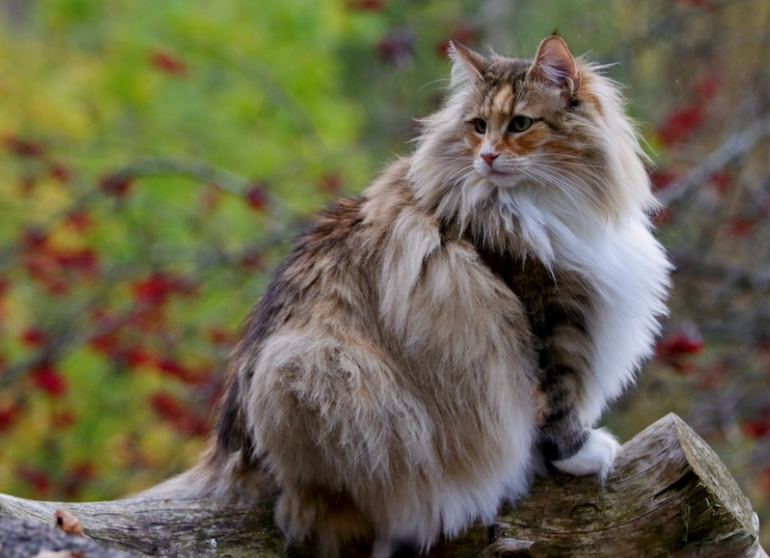
| Breed | Average Male Weight | Average Female Weight | Key Size Distinction |
|---|---|---|---|
| Norwegian Forest Cat | 12-16 lbs (5.4-7.3 kg) | 9-12 lbs (4-5.4 kg) | Long, muscular, athletic build; substantial bone; heavy seasonal coat. |
| Maine Coon | 13-18 lbs (5.9-8.2 kg) | 8-12 lbs (3.6-5.4 kg) | Often heavier/longer; rectangular body; square muzzle; shaggy coat. |
| Ragdoll | 15-20 lbs (6.8-9 kg) | 10-15 lbs (4.5-6.8 kg) | Heavier, more placid body type; less athletic build; semi-long coat. |
| Domestic Shorthair (Average) | 10-12 lbs (4.5-5.4 kg) | 8-10 lbs (3.6-4.5 kg) | Variable, but generally lighter in bone and shorter in body. |
The takeaway? The Forest cat is among the largest domestic breeds, but often with a leaner, more agile profile than the Maine Coon or Ragdoll. Their size is functional, harking back to surviving harsh Scandinavian winters.
From Kitten to Giant: The Norwegian Forest Cat Growth Timeline
These cats don't reach their full size overnight. They mature slowly, often not reaching their full physical potential until they are 4 to 5 years old. This extended adolescence is something prospective owners must be ready for.
Here's a rough timeline:
- 0-6 Months: Rapid growth. They'll quickly outpace most other kitten breeds in height and leg length. They're all paws and ears, clumsy and energetic.
- 6 Months - 2 Years: Steady filling out. The lanky teenager phase. Muscle mass develops, the chest broadens, and the bone structure becomes more apparent. They gain most of their adult length during this period.
- 2-4 Years: Final maturation. This is when they truly "fill out." The muscle becomes denser, the coat reaches its full, glorious potential, and they achieve their adult weight. A male might gain another pound or two of pure muscle during this time.
- 4-5 Years: They are now fully mature adults. Their size is stable, and their personality settles into its final, calm, and confident form.
This slow growth means their nutritional needs are different. They need a high-quality, protein-rich kitten food for longer—sometimes up to 18-24 months—to support proper bone and muscle development. Switching to adult food too early is a classic error.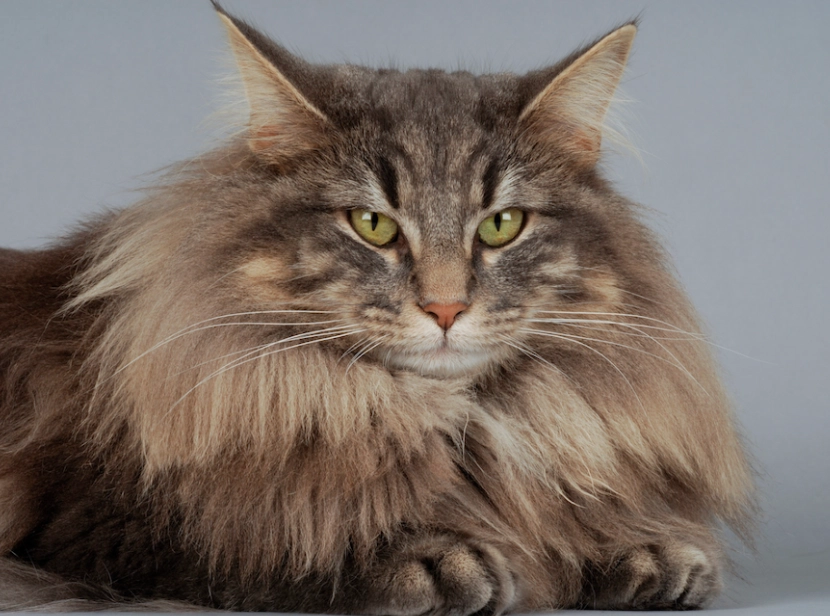
A word on "big boned": It's not an excuse for obesity, but a real trait. You should be able to feel their ribs with a light layer of fat over them. If you can't feel the ribs at all, it's fat, not frame. Their waist should still be visible from above, even under all that fur. A vet can help you determine their ideal weight based on their specific build.
Caring for a Giant: Special Considerations for Large Cats
Owning a large-breed cat like the Norwegian Forest cat changes your shopping list and your daily routine. It's not harder, just different.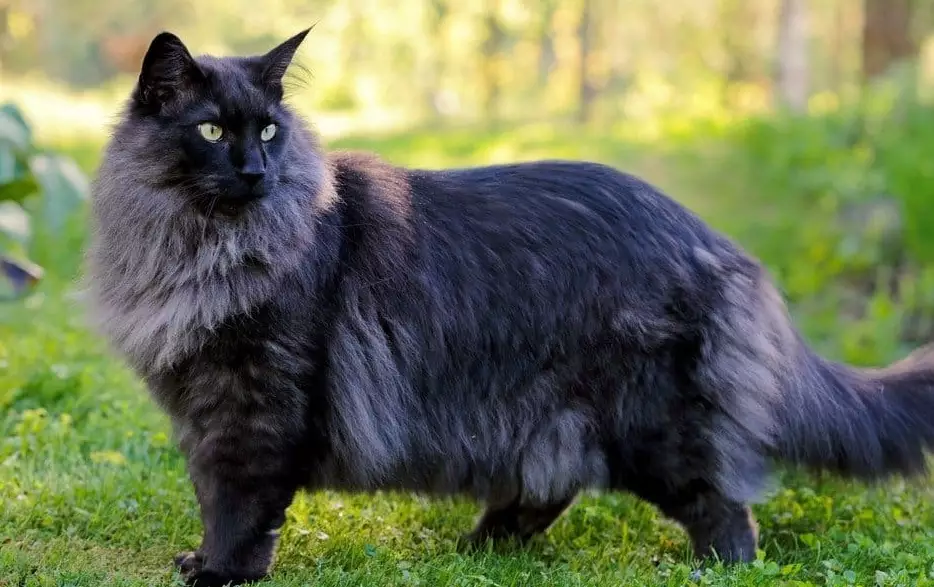
Space and Enrichment: Think Vertically
They are expert climbers. A flimsy, 4-foot cat tree from a discount store is a waste of money and a safety hazard. It will topple.
You need a sturdy, floor-to-ceiling cat tree with large, solid platforms. Wall-mounted shelves and perches are fantastic. They need high vantage points to survey their kingdom. A window perch must be securely anchored to hold 15+ pounds of cat lounging in the sun.
Diet and Nutrition: Fueling the Machine
They need high-quality food, but portion control is critical. A large frame doesn't mean an unlimited calorie pass. Obesity puts immense strain on their joints.
Consult your vet for precise portions. I generally recommend measured meals twice a day over free-feeding. Look for foods with real meat as the first ingredient and appropriate levels of protein and fat for an active cat. As they are slow to mature, discuss with your vet when to transition from kitten to adult formula.
Grooming: The Matting Battle
This is the biggest practical commitment. That beautiful coat mats, especially under the arms, behind the ears, and in the "britches" (the fluffy fur on the hind legs).
You must commit to brushing 2-3 times a week. A slicker brush and a wide-toothed metal comb are your best friends. During spring and fall shedding seasons (when they "blow" their undercoat), daily brushing is non-negotiable. Neglect leads to painful, skin-pulling mats that often require shaving by a vet—a traumatic experience for the cat and an expensive one for you.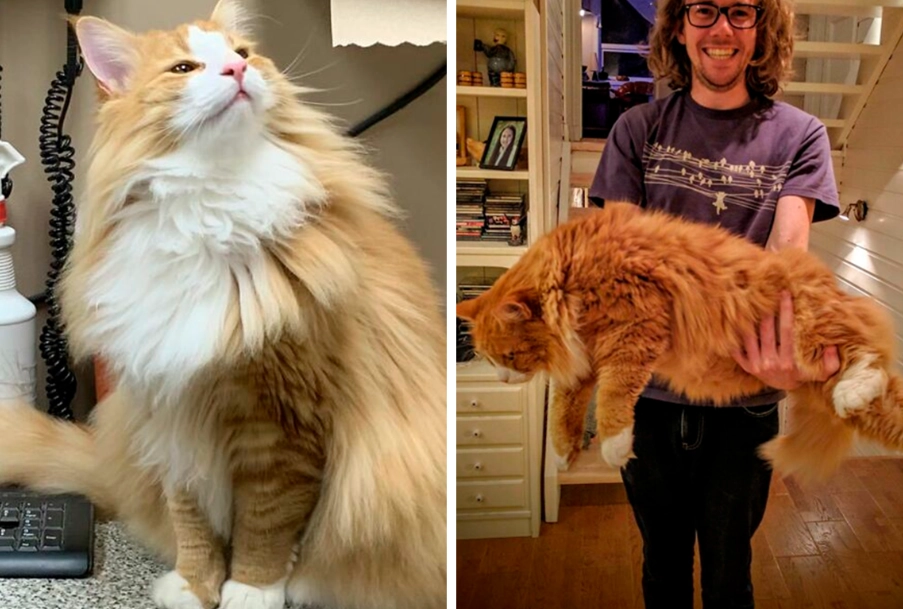
Health Screenings: Proactive Care
All cats need vet care, but large breeds can be predisposed to certain conditions. Responsible breeders screen for Hypertrophic Cardiomyopathy (HCM) and hip dysplasia. Ask for proof of parental screening. Regular vet check-ups are essential to monitor heart health and joint function, especially as they age.
Their size also means they can be adept at hiding minor illnesses until they become major. Subtle changes in appetite, litter box habits, or activity level warrant a quicker vet visit than with a smaller cat.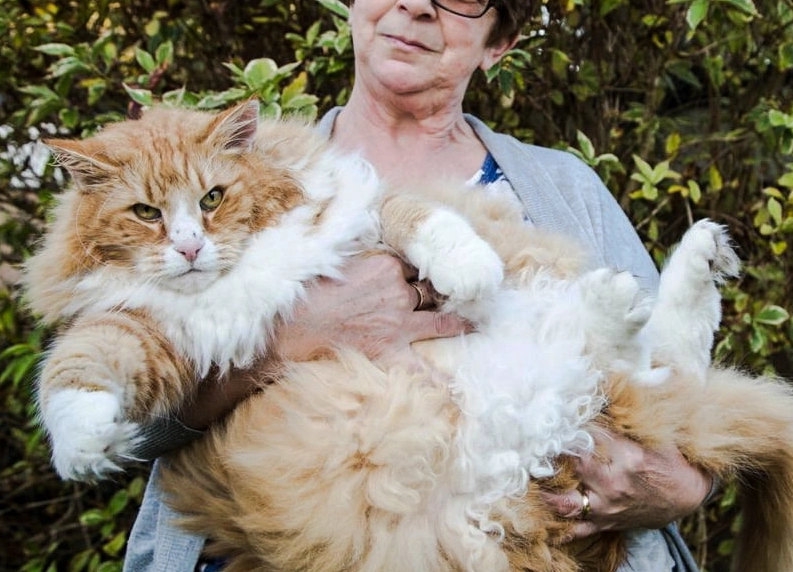
Your Questions on Norwegian Forest Cat Size, Answered
So, the size of a Norwegian Forest cat is truly majestic, but it's a package deal. It comes with a need for sturdy furniture, a dedicated grooming routine, and mindful nutrition. If you're prepared for that, you'll be rewarded with a gentle, intelligent, and breathtakingly beautiful companion—a living piece of Nordic wilderness right in your home. Just make sure your bookshelves are anchored to the wall.