You've seen them everywhere—on calendars, in memes, lounging in sunbeams. The orange tabby cat holds a special place in our culture and, more importantly, in the hearts of countless cat owners. But is it just the striking marmalade coat, or is there something more to these fiery felines? As someone who's shared a home with a few of these charismatic gingers over the years, I can tell you it's not just hype. There's a unique blend of genetics, personality, and even a bit of feline folklore that makes the orange tabby truly special. It goes deeper than the color.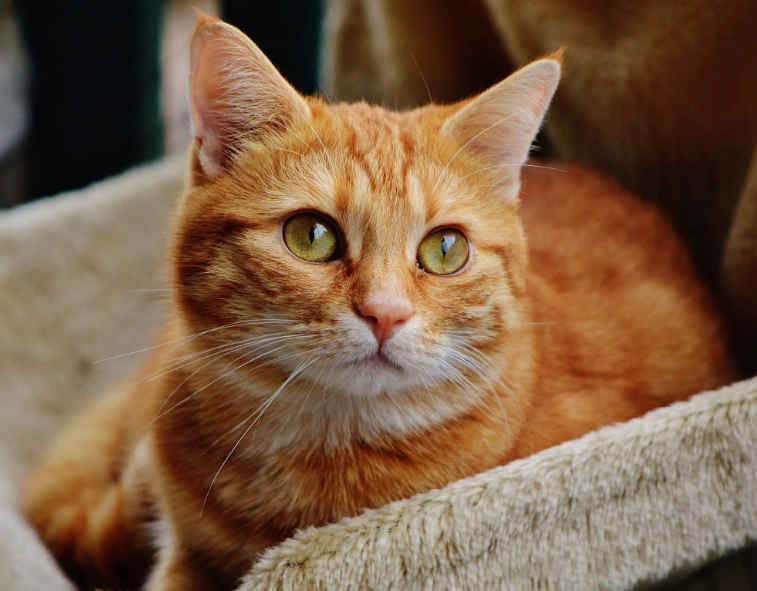
The Genetics Behind the Orange Tabby Coat
Let's get the science out of the way first. That vibrant orange color isn't just a simple paint job. It's the result of a specific gene—the "O" gene, which codes for orange pigment (pheomelanin) instead of black (eumelanin). This gene sits on the X chromosome.
Here's where it gets interesting: because of this location, most orange tabbies are male. A male cat (XY) only needs one copy of the orange gene on his single X chromosome to rock the ginger look. A female (XX) needs two copies—one on each X chromosome—making orange females like calicos, a bit less common. Statistically, about 80% of orange tabbies are boys, and only 20% are girls.
The "tabby" part refers to the pattern, not the color. All orange cats are tabbies—the gene for solid orange doesn't really exist in the same way. Their fur displays one of four classic patterns: classic (swirling marbles), mackerel (stripes like a tiger), spotted, or ticked. That distinctive "M" shape on their forehead is a universal tabby trademark, not just an orange thing, but on a bright coat, it really pops.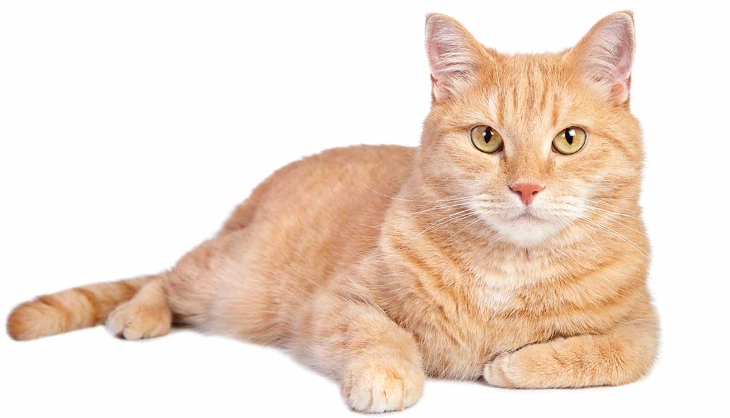
Orange Tabby Personality: Friendly, Food-Obsessed, and Full of Character
Now, the million-dollar question: do they have a distinct personality? Science is cautious about linking coat color to behavior, but ask any shelter worker, vet, or long-time cat owner, and you'll hear a chorus of agreement: orange tabbies often share a certain "je ne sais quoi."
From my own experience and countless anecdotes, they tend to be:
- Outgoing and Social: They're often the first to greet visitors, the ones who follow you from room to room, and the "supervisors" of household activities. Shyness is less common.
- Vocal and Communicative: Many orange tabbies are talkers. They'll chirp, trill, and meow to get your attention, not just for food, but for conversation.
- Playful and Goofy: They often retain a kitten-like playfulness well into adulthood. Expect acrobatic leaps, silly antics, and a fondness for interactive toys.
But here's the big one, the near-universal trait: they are notoriously food-motivated. This isn't a minor quirk; it's a defining characteristic. An orange tabby will learn the sound of the can opener, the crinkle of a treat bag, and the exact time dinner is served. They're master manipulators when it comes to scoring an extra snack.
A common mistake new owners make is giving in to those pleading, adorable eyes. Overfeeding is a serious risk with these cats, more so than with many other colorations. Their love for food is special, but it requires special attention from you to prevent obesity.
Famous Orange Tabbies: From Garfield to Internet Stars
Their personality traits make them perfect characters, which is why they're overrepresented in pop culture. This isn't a coincidence. Creators tap into the archetype of the friendly, sometimes lazy, food-loving cat that orange tabbies so often embody.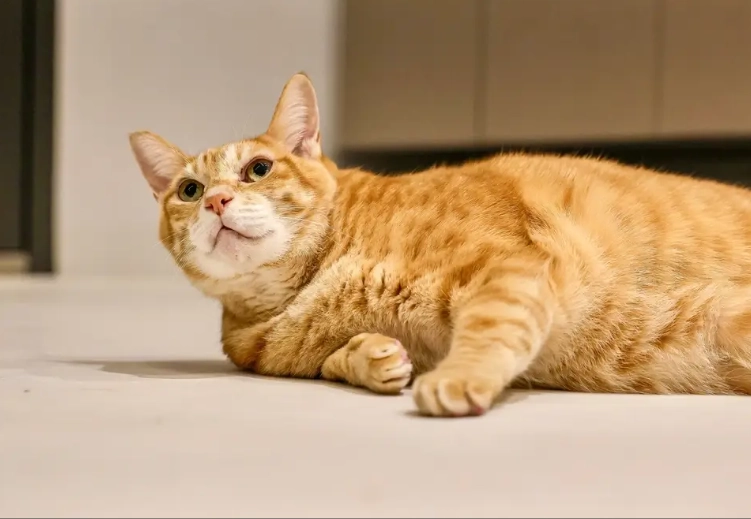
| Famous Name | Where You Know Them From | Personality Trait They Embody |
|---|---|---|
| Garfield | Comic Strip & Movies | The ultimate food-obsessed, lasagna-loving, Monday-hating couch potato. |
| Orangey | Classic Hollywood films like "Breakfast at Tiffany's" | Charming, trainable, and a scene-stealer—showcasing their intelligence. |
| Morris the Cat | 9Lives Cat Food Mascot | The picky but sophisticated eater, cementing the foodie stereotype. |
| Internet Cats (Maru, Bob, etc.) | YouTube, Instagram, Books | Friendly, adventurous, and deeply bonded with their humans. |
These characters reinforce the public perception, but they also stem from a kernel of truth observed in real orange tabbies. It's a feedback loop that's made the "ginger cat" an icon.
Health and Care: More Than Just a Pretty Coat
So, you're thinking of welcoming an orange ball of sunshine into your home. What do you need to know beyond their charming quirks?
Health Considerations
Again, no disease is exclusive to the color orange. Their main health adversary is their own appetite. Obesity is the single biggest health threat to orange tabbies. This can lead to a cascade of problems: diabetes, arthritis, urinary tract issues, and a shortened lifespan. Portion control, measured meals (no free-feeding!), and regular play are non-negotiable.
Some studies, like those referenced by the UC Davis School of Veterinary Medicine in their research on cat coat color and behavior, have suggested possible correlations between orange pigmentation and certain traits, but these are broad statistical observations, not individual guarantees. The takeaway? Focus on the individual cat, not just the color stereotype.
Care and Enrichment
These are intelligent, social cats. They can get bored. Puzzle feeders are a fantastic tool—they engage their brains and slow down their eating. Interactive play sessions with wand toys are essential, not optional. They crave interaction, so be prepared to be more involved than you might with a more aloof breed.
Grooming is straightforward: a weekly brush to manage shedding and reduce hairballs. Most enjoy the attention, turning it into a nice bonding session.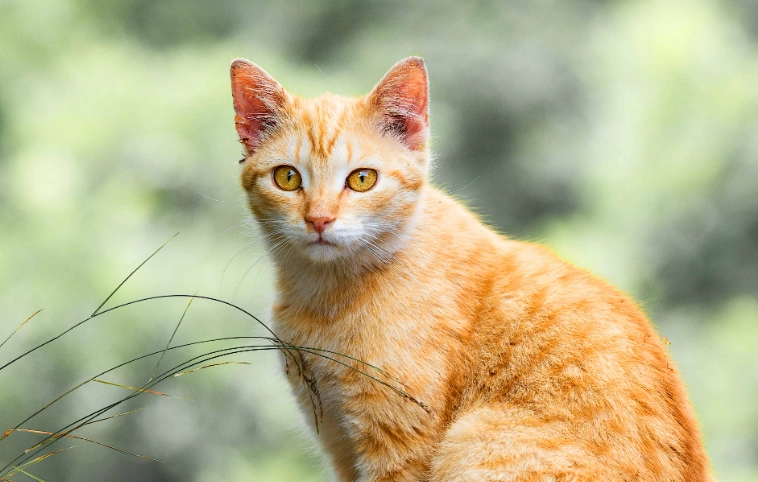
Your Orange Tabby Questions Answered
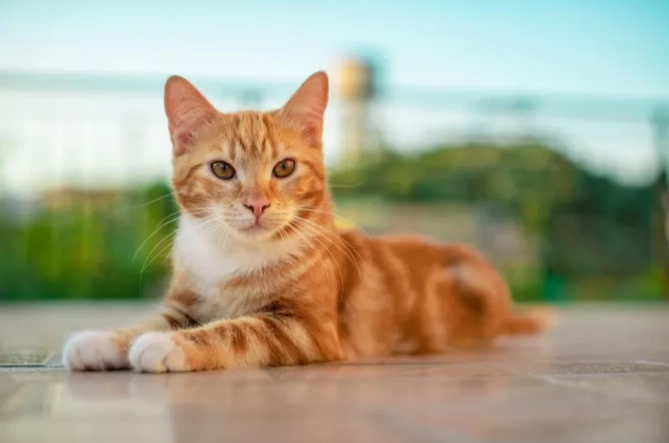 So, what's so special about orange tabby cats? It's the perfect storm of striking genetics, a personality package that leans heavily towards the friendly and funny, and a cultural footprint that's impossible to ignore. They're not just cats; they're characters. If you're looking for a companion that's likely to be affectionate, communicative, and keep you on your toes about the treat jar, an orange tabby might just be your perfect match. Just remember to go easy on the lasagna.