You're scrolling through photos of exotic wildlife, and you see it—a small, stunning cat covered in black rosettes, looking like a miniature leopard. It's not a photoshopped kitten; it's the Asian leopard cat (Prionailurus bengalensis). This isn't some mythical creature hidden deep in unexplored jungle. It's one of the most widespread wild cats in Asia, and with a bit of know-how, you might just spot one. But there's a lot of confusion out there. People mix them up with domestic cats, wonder if they can own one, and completely misunderstand where they fit in the ecosystem. Let's clear that up.
What's Inside This Guide
What Exactly Is an Asian Leopard Cat?
Think of it as the archetypal small wild cat. Weighing between 3 to 7 pounds (1.5–3 kg) and measuring about the size of a large domestic cat, its power is in its proportions. Longer legs, a slender build, and a distinctly wild facial structure—narrower snout, larger eyes set for night vision. The coat is where the magic is: a tawny background dotted with solid black rosettes and spots. Look closely at the face, and you'll see the trademark white muzzle and those two dark stripes running from the eyes over the head like racing stripes.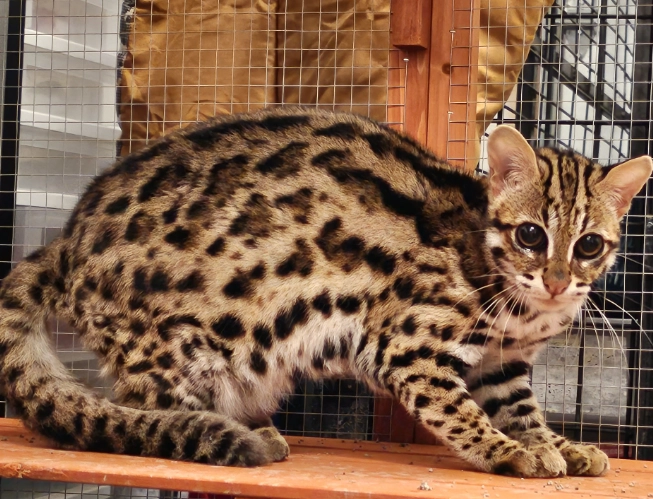
Their range is massive, stretching from the Russian Far East down through China, across the Indian subcontinent, and all through Southeast Asia to Indonesia and the Philippines. This wide distribution means there's significant variation in size and coat color. Leopard cats in the colder north (like Russia) are larger with thicker, paler fur, while their tropical cousins in Indonesia are smaller and darker.
A Quick Profile
Scientific Name: Prionailurus bengalensis
Size: 18-30 inches body length, plus a 9-12 inch tail.
Diet: Strictly carnivorous. Rodents, birds, lizards, insects, sometimes fish or frogs.
Activity: Primarily nocturnal and crepuscular (active at dawn/dusk).
Status: Classified as Least Concern globally by the IUCN Red List, but several island subspecies are endangered. The main threat everywhere is habitat loss and fragmentation.
I remember talking to a researcher in Sri Lanka who spent months trying to get a clear camera trap photo. "They're ghosts," he said. "You see the signs—scratches, scat—but the cat itself melts into the shadows." That's their nature. They're not curious about us. They're professionals at avoiding attention.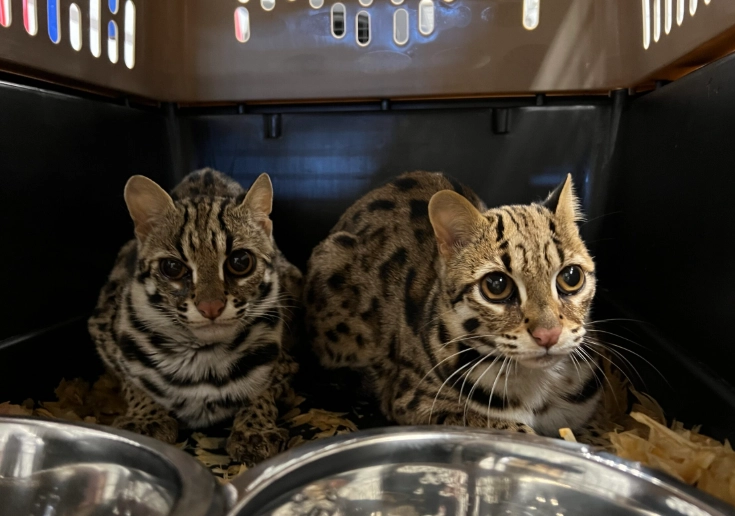
Where to Find Asian Leopard Cats: Habitats and Hotspots
Forget the deep, dark, untouched rainforest. Asian leopard cats are habitat generalists and survivors. Yes, they thrive in tropical rainforests, but you're just as likely to find them in temperate forests, scrublands, mangroves, and even agricultural areas bordering forests. They need cover and a food source. That's it.
If your goal is to see one, you need a strategy. Simply hiking a random trail during the day won't cut it.
Top Locations for Potential Sightings
National Parks with Night Safari Options: This is your single best bet. Parks that offer guided night drives or walks with spotlights increase your chances exponentially.
- Khao Yai National Park, Thailand: Perhaps the most reliable place. Join an official night safari tour. The open trucks and experienced guides know where to look. It's not cheap, but it's structured for wildlife viewing.
- Taman Negara, Malaysia: The ancient rainforest here is prime territory. Some lodges on the park fringes organize night walks. Temper your expectations—seeing one is a special event, not a guarantee.
- Western Ghats, India: Parks like Parambikulam or Anamalai in Kerala and Tamil Nadu. Leopard cats are present but overshadowed by their larger feline cousins. A skilled local naturalist is invaluable here.
The "Garden Variety" Secret: In many parts of rural Southeast Asia, leopard cats live on the edge of villages, hunting rats in plantations. You won't see them, but knowing they're there, living parallel to human communities, changes your perspective.
A common mistake tourists make? Shining lights wildly and talking loudly. On a night walk, use a red-light filter if you can, move slowly, and listen. You might hear the scurry of prey more often than you see the cat itself.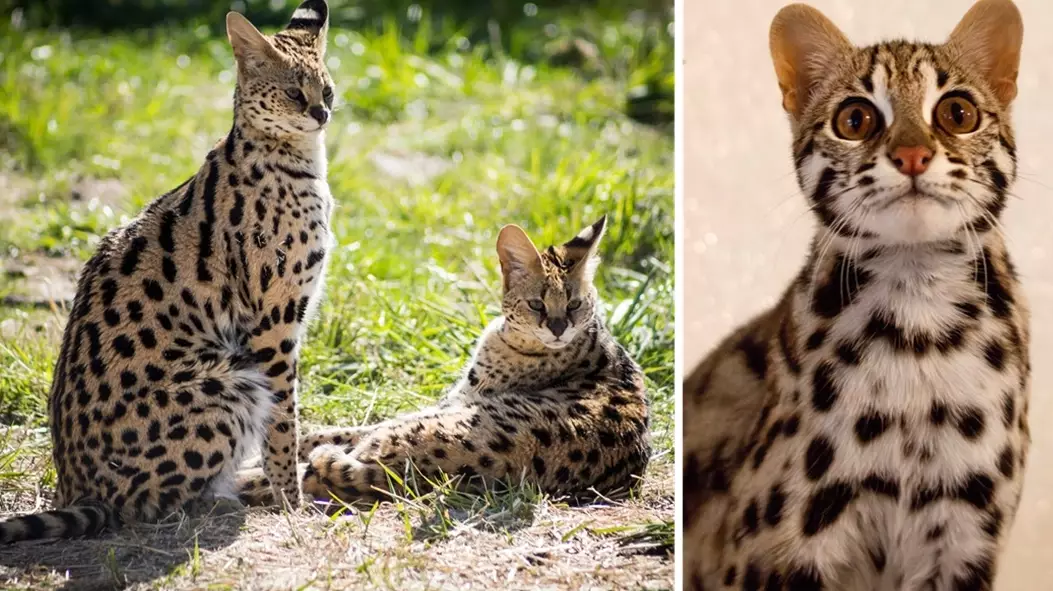
Asian Leopard Cat vs. Your House Cat: The Real Differences
This is where most online information gets fuzzy. People see a spotted cat and think "wild." But the differences are profound, and they're not just skin deep.
| Trait | Asian Leopard Cat | Domestic Cat |
|---|---|---|
| Build & Posture | Slender, elongated body. Long legs. Stands taller. Tail is thick and often held low. | More variable, but often stockier. Shorter legs relative to body. Tail carriage varies (often up). |
| Head Shape | Narrower, longer muzzle. Pronounced white muzzle spot. Two dark head stripes are very distinct. | Broader, shorter muzzle. Facial markings are more varied and less defined. |
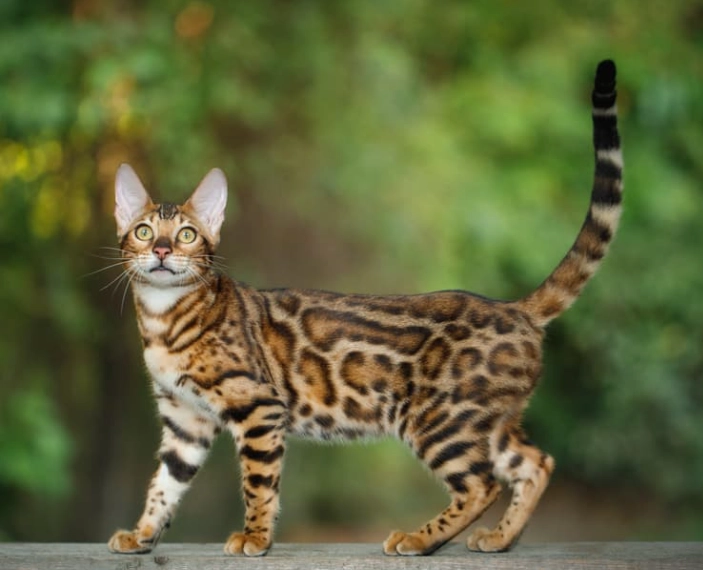
| Coat Pattern | Rosettes are solid black or dark brown on a tawny background. Spots on legs and belly. | Classic tabby has stripes or blotches, not rosettes. Spotted breeds (like Bengals) have two-toned rosettes. |
| Behavior | Extremely shy, avoids humans. Silent unless breeding. Truly solitary. | Social spectrum exists. Vocalizes (meows, purrs). Can be solitary or social. |
| Genetics | 38 chromosomes. Wild instincts hardwired. | 38 chromosomes, but thousands of years of domestication have altered gene expression for tameness. |
The biggest takeaway? You cannot "tame" an Asian leopard cat kitten into behaving like a domestic cat. That wild instinct is non-negotiable. They don't seek human affection, they don't understand your home as territory, and they will always see you as a potential threat.
The "Pet" Myth and the Bengal Cat Connection
Here's the painful truth that fuels a lot of unethical trade: you almost certainly cannot, and absolutely should not, keep a purebred Asian leopard cat as a pet. It's illegal in most places without special (and hard-to-get) permits for zoos or sanctuaries. More importantly, it's cruel. Their environmental and psychological needs are impossible to replicate in a house.
So what are people talking about when they say "pet leopard cat"? They're almost always referring to the Bengal cat.
The Bengal is a domestic cat breed created by crossing Asian leopard cats with domestic cats several generations back. Modern Bengals are many generations removed from their wild ancestor and are considered domestic cats. But—and this is a huge but—early-generation Bengals (F1-F3) can retain strong wild traits: skittishness, high energy, specific dietary needs, and a powerful urge to mark territory. They are not beginner pets.
Reputable Bengal breeders work for generations to stabilize a friendly, predictable temperament. The unethical ones cash in on the "wild" look and sell problematic cats to unprepared owners. If you love the look, get a Bengal from a top-tier breeder who health tests and prioritizes temperament, and be ready for a demanding, intelligent, and active companion. Don't kid yourself that it's a "tame leopard cat." It's a high-maintenance house cat with a cool coat.
How to Help (Without Getting One)
You're fascinated by this animal. You want to contribute. The best thing you can do is support their existence in the wild.
- Choose Responsible Tourism: When visiting areas where they live, use local guides and eco-lodges that invest in conservation. Your tourism dollars should support habitat protection.
- Support Habitat Corridors: Organizations like the World Wildlife Fund work on connecting fragmented forests, which is crucial for species like the leopard cat that need room to roam.
- Be a Smart Consumer: Palm oil, unsustainable timber, and agricultural expansion are major drivers of habitat loss in Southeast Asia. Being mindful of what you buy has a ripple effect.
- Report Illegal Trade: If you see an Asian leopard cat or a very early-generation Bengal being advertised as a pet online, report it to local wildlife authorities.
Conservation isn't just about saving tigers and elephants. It's about preserving the entire, complex tapestry of life. The Asian leopard cat is a vital thread in that tapestry, a key predator of rodents and a breathtaking symbol of wild, adaptable nature.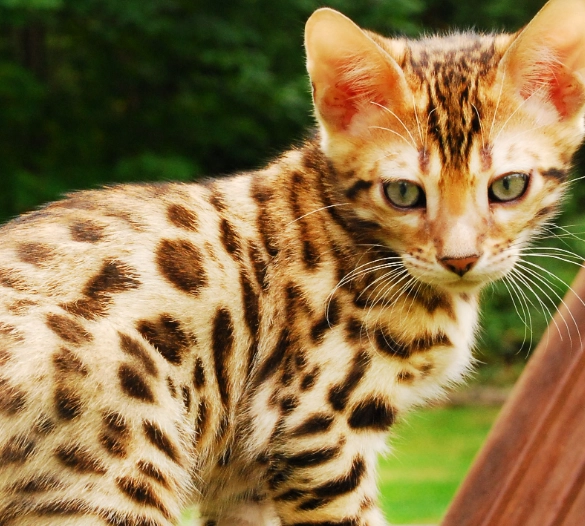
Your Burning Questions, Answered
Can Asian leopard cats be kept as pets?
In most countries, it is illegal and highly unethical to keep a purebred Asian leopard cat as a pet. They are wild animals with complex needs that cannot be met in a home environment. The cats sold as "pet leopard cats" are almost always Bengal cats, a domestic breed with some Asian leopard cat ancestry. Even Bengals require experienced owners.
Where is the best place to see an Asian leopard cat in the wild?
Your best chance is in well-managed national parks in Southeast Asia. Khao Yai National Park in Thailand and Taman Negara in Malaysia are known for leopard cat sightings, especially on night safaris. In India, try the forests of the Western Ghats. Remember, sightings are never guaranteed; patience, a good guide, and realistic expectations are key.
How can I tell the difference between a Bengal cat and an Asian leopard cat?
Look for subtle but clear signs. The Asian leopard cat has a smaller, more slender frame with longer legs. Its head is narrower with a distinct white muzzle spot and two dark stripes running from the eyes over the head. Its rosettes are solid black or dark brown. A Bengal cat is stockier, has a broader head, and its rosettes often have a lighter, two-toned center.
Are Asian leopard cats dangerous to humans?
No, they pose no threat. They are extremely shy, secretive, and actively avoid humans. An Asian leopard cat's primary response to encountering a person is to flee immediately. There are no verified records of unprovoked attacks on humans. The real danger flows the other way—habitat loss and human activity are the major threats to their survival.
We often glorify the idea of owning a piece of the wild. The Asian leopard cat challenges that notion. Its value isn't in being possessed; it's in simply being—a self-sufficient, elusive, and perfectly adapted creature living its life on the edges of our world. The thrill isn't in having one in a cage, but in knowing that if you're very quiet and very lucky, you might just catch a glimpse of those brilliant rosettes disappearing into the undergrowth. That moment of mutual, fleeting awareness is worth more than any ownership.