If you've spent any time around cat circles online or in real life, you've heard the stereotype: orange tabby cats are the golden retrievers of the feline world. Friendly, goofy, food-obsessed, and brimming with personality. My own cat, Max, a classic mackerel tabby with fur the color of a sunset, lives up to about 80% of this reputation. He's affectionate, follows me from room to room, and has a meow that could command a ship. But the other 20%? That's where the real story is—the part most generic lists get wrong.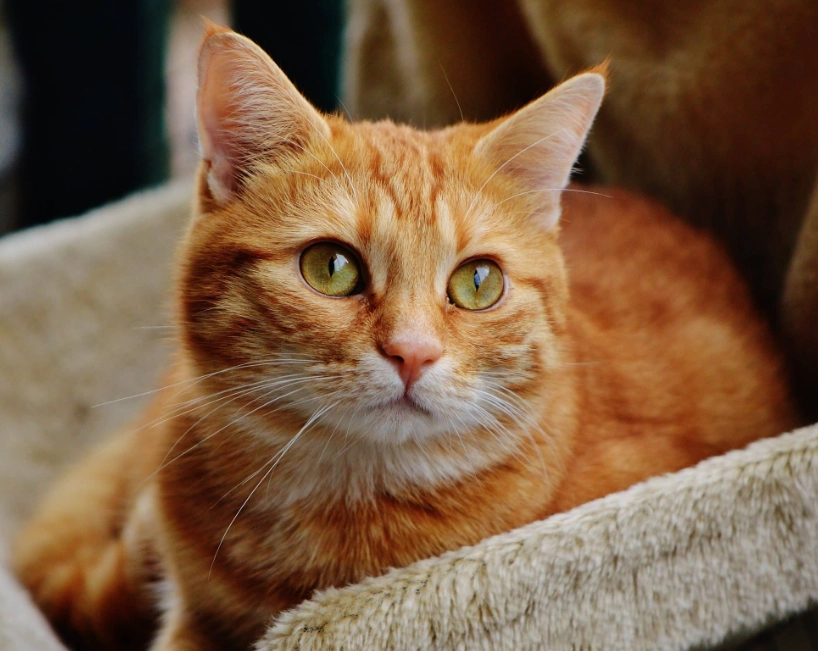
The truth is, labeling an entire group of cats based on fur color is like saying all blondes are fun-loving. It's reductive. But here's the twist: with orange tabbies, the stereotype exists for a observable, if genetically indirect, reason. Their personality isn't dictated by the pigment in their fur, but by the genetic and breed history that *comes with* that pigment. Understanding this distinction is what separates a superficial overview from a genuine insight into your marmalade companion.
What's Inside This Guide
Myth vs. Reality: What Science and Experience Actually Say
Let's cut through the folklore. The famous "M" on their forehead? A common tabby marking, not a divine stamp of personality. The idea that they're always male? Mostly true—about 80% are, due to the sex-linked orange gene—but that remaining 20% of females can be just as charismatic.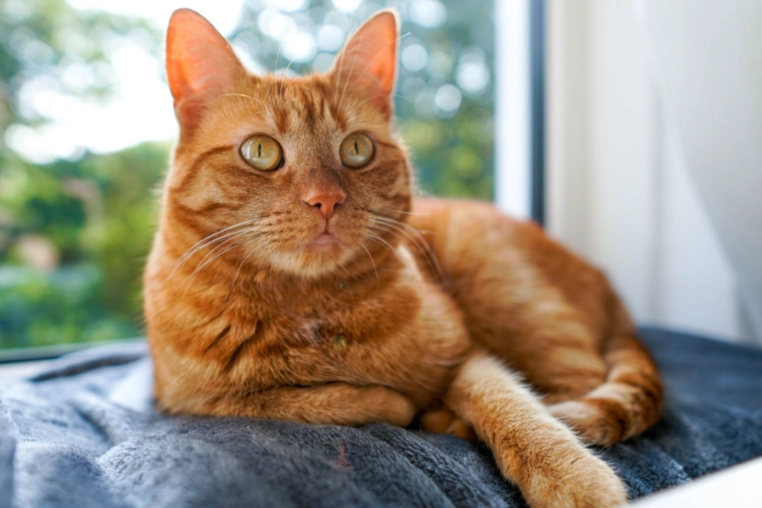
The Big Myth: "Orange fur causes a friendly, dumb, and hungry cat." This is pure correlation mistaken for causation.
The Reality: The gene for orange fur is linked to certain genetic lineages. These lineages often belong to, or are mixed with, breeds historically selected for sociability, hardiness, and boldness—think outgoing breeds like the Maine Coon, Abyssinian, or even robust moggies. People didn't breed for orange fur; they bred for friendly, adaptable cats, and the orange color was a frequent passenger in that genetic package. A study often cited in animal behavior circles (like those discussed by the ASPCA) notes that coat color may correlate with behavior in populations due to this linked genetics and human perceptual bias—we notice and remember the loud orange cat more.
I made a mistake early on with Max. I assumed his friendliness meant he'd be low-maintenance. Wrong. His need for interaction wasn't just a preference; it was a demand. Ignoring it led to "attention-seeking" behaviors like knocking my coffee mug off the table—precisely at 7:03 AM, every weekday. It wasn't malice; it was a schedule. He'd learned that chaos got a reaction.
The Core Orange Tabby Personality Traits (Backed by Real Observations)
So, what can you generally expect? From managing a multi-cat household and talking to countless other orange tabby owners, these traits show up with enough frequency to be noteworthy. Think of them as strong probabilities, not guarantees.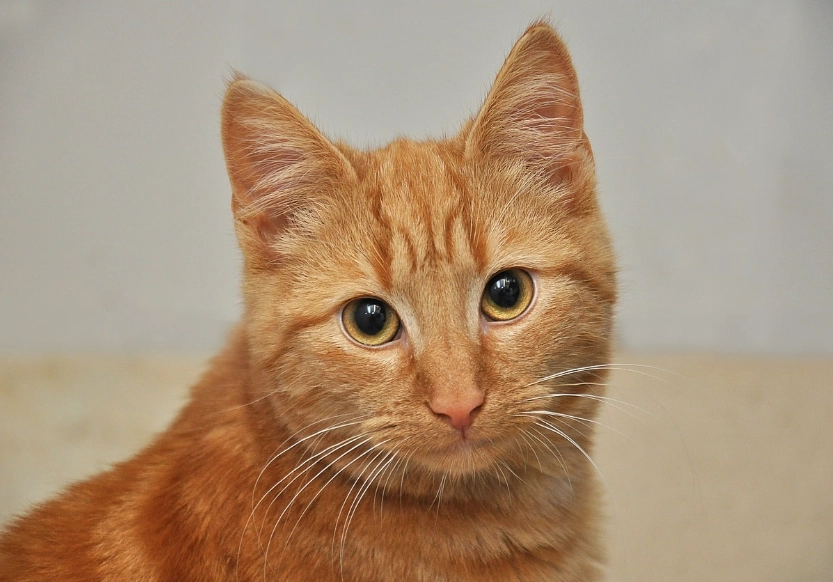
Confidence That Borders on Audacity
This is the number one trait. Orange tabbies often lack the skittishness of some other colorations. They're frequently the first to greet strangers, explore a new cardboard box, or claim the highest perch in the room. This isn't fearlessness—it's a high curiosity threshold paired with boldness. It's why they adapt well to busy households, but it also means they can be terrible at recognizing danger (like the neighbor's dog).
Profound Food Motivation
Call it hunger, call it obsession. This is the most reliably accurate stereotype. Your orange tabby will likely view meal times as the pivotal events of the day. This isn't just about being greedy; it's a powerful training tool. You can teach an orange tabby almost anything (come, sit, high-five) using their kibble as a reward. The flip side? They are masterful counter-surfers and food thieves. Never leave a chicken unattended.
A Vocal and Opinionated Nature
Many are not quiet cats. They have things to say about dinner being late, the state of their litter box, or the fact that you've dared to close the bathroom door. The meow is often described as more of a chirp, trill, or loud, conversational murmur. Max has a specific "brrrrp?" sound for when he's asking where I am. This vocalness is part of their social toolkit. It can be endearing, but at 5 AM, it can feel like a flaw.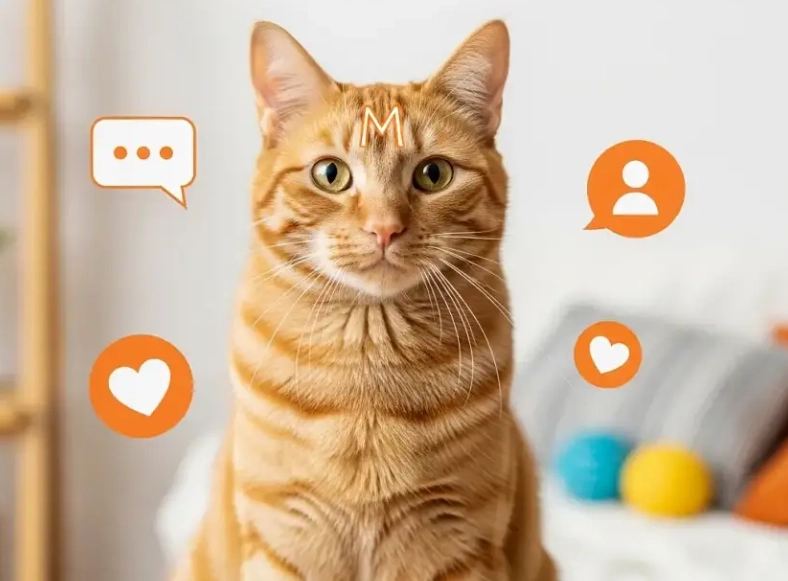
Affectionate, But on Their Terms
They are often lap cats and shadow-followers, but the "velcro cat" label can be misleading. Their affection is usually active. They want to be *involved*—sitting on your keyboard while you work, patting your face while you sleep, supervising dishwashing. This is different from a cat who simply sleeps next to you. It's interactive affection. They get bored with passive petting quickly and might give a gentle love bite to say, "Okay, now throw the mouse."
Do Different Tabby Patterns Mean Different Personalities?
This is a niche debate among enthusiasts. While no formal science backs it, anecdotal observations from breeders and long-term owners suggest subtle shades of difference. The tabby pattern (classic, mackerel, spotted, ticked) is controlled by different genes than the orange color, but the combination might hint at underlying breed mix.
Take this with a huge grain of salt, but here's what some swear by:
- Classic (Blotched) Orange Tabby: Often seen as the more relaxed, "couch potato" type. The swirls on their side supposedly match a laid-back attitude. Might be more prone to the stereotypical chonk.
- Mackerel (Striped) Orange Tabby: Like my Max. Often described as more active, playful, and "talkative." The tiger stripes hint at a more energetic spirit.
- Ticked Orange Tabby: (Where each hair is banded, giving a sandy look). This pattern is prominent in Abyssinians. If your orange tabby is ticked, you might see a more elegant, active, and intensely curious personality—less clown, more acrobat.
Again, this is folk wisdom, not fact. But it's fun to consider if your cat fits the mold.
How to Shape and Live With an Orange Tabby's Behavior
Understanding their personality is pointless if you don't know how to work with it. Here are actionable tips, born from trial and error.
Channel the Food Motivation Positively
Ditch the food bowl for meals. Use puzzle feeders, snuffle mats, or simply hide kibble around the house. This turns mealtime into a mentally stimulating hunt that satisfies their clever, food-driven brains. It slows down eating and prevents boredom. I started using a simple rolling puzzle ball for Max's breakfast, and the 5 AM wake-up calls reduced by half—he was too busy batting the ball around.
Manage the Vocal Demands
The golden rule: Never reward the scream. If they meow for food and you feed them, you've trained a louder meow. Instead, establish ironclad routines. Feed at the same times. If they scream, wait for a moment of silence—even just two seconds—then act. For attention meows, try the "reverse time-out." When the loud demands start, you calmly get up and leave the room. Return when it's quiet. You're not punishing them; you're teaching that quiet behavior gets your presence.
Provide Outlets for Their Confidence and Energy
A confident cat who is bored becomes a destructive cat. They need vertical space—tall, sturdy cat trees by windows are non-negotiable. They need daily interactive play sessions (10-15 minutes, twice a day) with wand toys that let them stalk, chase, and pounce. End with a treat to simulate a successful hunt. This ritual does more to curb nighttime zoomies and random attacks than anything else.
I learned this the hard way. Before implementing scheduled play, Max's idea of "evening fun" was ambushing my feet from under the bed. Now, he knows the wand toy comes out after dinner, and he's usually content to snooze afterwards.
Your Orange Tabby Personality Questions Answered
 At the end of the day, an orange tabby cat's personality is a fascinating blend of genetic predisposition and individual spirit. They are not a monolith. You might get a silent, aloof orange cat (they do exist!), but the odds are you'll get a companion who is engaging, sometimes frustrating, endlessly entertaining, and deeply attached. The key is to see past the sunny fur and the "M" myth, and engage with the intelligent, motivated, and social creature underneath. Work with their traits, not against them, and you'll have a bond that's anything but standard issue.