That fluffy white kitten tumbling across your floor is more than just a cute ball of fur. It's a commitment to understanding a set of specific needs that often go unmentioned. I've raised several white cats over the years, and while they share the same basic needs as any kitten, there are nuances—some critical—that many new owners miss. This isn't about scare tactics; it's about giving your white feline companion the best, healthiest start possible.
We'll move beyond the generic advice and dive into what really matters for a white kitten's wellbeing.
Understanding the White Coat: It's More Than Color
First, let's clear something up. "White cat" isn't a breed. It's a coat color that appears across many breeds, from the common Domestic Shorthair to the regal Persian or the quirky Turkish Van. The genetic cause matters. The dominant white gene (W) masks all other color genes and is the one often linked with blue eyes and a higher chance of congenital deafness.
Then there's albinism, which is different and rarer. Albino cats lack melanin entirely, resulting in pale blue or even pinkish eyes and extremely light-sensitive skin.
Why does this matter to you? Because knowing the potential genetic background helps you anticipate needs. A white Persian kitten will demand vastly different grooming than a white Siamese mix. The core principle remains: that stunning white fur and often lighter skin come with specific vulnerabilities.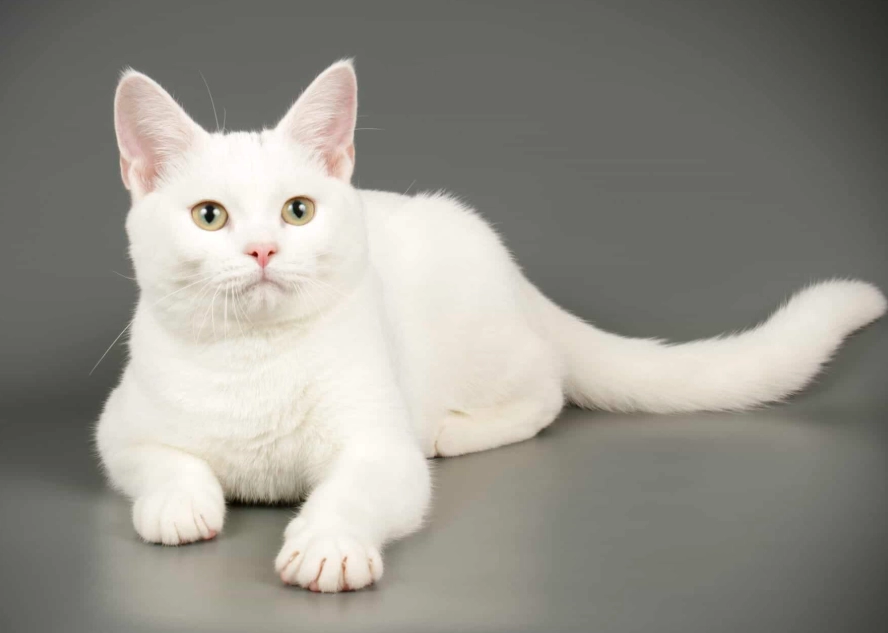
White Kitten Health: The Deafness Question and Beyond
This is the big one everyone whispers about. Let's talk facts, not fear.
The correlation between a white coat, blue eyes, and deafness is well-documented. Studies, like those referenced by the Cornell Feline Health Center, show that white cats with two blue eyes have a significantly higher probability of being born deaf in one or both ears. The gene affects the development of the inner ear's hair cells.
How to Responsibly Check for Deafness
Forget clapping loudly behind its head. You'll just scare any kitten. Here's a better method:
Wait until your kitten is relaxed, facing away from you, and in a quiet room. Make a high-pitched sound it can't see—like crinkling a treat bag or tapping a ceramic bowl with a spoon. Watch its ears. A hearing cat's ears will swivel like little satellite dishes (the "preyer reflex") towards the sound. A deaf kitten won't react. Test each ear separately from the side. Do this over several days. No consistent reaction? It's time for a veterinary visit. A BAER (Brainstem Auditory Evoked Response) test is the definitive, non-invasive diagnostic tool.
Other Health Watchpoints
Deafness isn't the only consideration. That pale skin is vulnerable.
Sunburn and Skin Cancer: This is the most under-discussed risk. The ears, nose, and any sparsely-haired areas are prime targets for squamous cell carcinoma. I've seen it. It's aggressive. If your white kitten loves sunbathing, you need a strategy.
Vision Sensitivity: Light-colored eyes, especially blue, can be more sensitive to bright light. You might notice your kitten squinting or seeking shade on very sunny days.
| Health Focus | What to Watch For | Proactive Step |
|---|---|---|
| Hearing | No startle reflex to unseen noises, sleeping very deeply, being "extra" vocal. | Home observation, then vet BAER test if concerned. |
| Skin/Sun Damage | Pinkness or redness on ear tips/nose, scaly patches, sores that don't heal. | Limit midday sun, use pet-safe sunscreen (vet-approved). |
| Eyes | Excessive squinting, watery discharge, redness around pale eyes. | Provide shaded areas, monitor for irritation, regular vet checks. |
Grooming a White Kitten: Keeping That Coat Pristine
A white coat is a high-maintenance fashion statement. Dirt, tear stains, and food smudges show up with embarrassing clarity. The goal isn't just vanity—it's skin health.
Tear Stains: Those reddish-brown tracks under the eyes are caused by porphyrins, pigments in tears. Some kittens are just prone to them. Daily maintenance is key. Use a soft, damp cloth or a cotton pad with warm water or a vet-recommended tear stain solution. Wipe gently from the inner corner outward. Never use human products.
The Bathing Debate: You don't need to bathe a healthy kitten frequently. Over-bathing strips essential oils. But for a white kitten, an occasional bath (every 4-8 weeks) with a gentle, brightening shampoo made for cats can lift grime and maintain coat brightness. Always use lukewarm water and dry thoroughly.
The real hero? Regular brushing. Start young to build positive associations. For short-haired white kittens, a fine-toothed comb or rubber grooming mitt 2-3 times a week removes dirt and loose hair before it mats or discolors the coat. For long-haired varieties, daily combing is non-negotiable to prevent painful mats.
Building a White Kitten Care Routine
Let's stitch this all into a practical daily and weekly plan. Think of it as a tailored care package.
Sun Management: This is non-optional. Keep your kitten indoors during peak sun hours (10 am - 4 pm). If you have sunny windows, provide shaded hideaways nearby. For unavoidable outdoor time (e.g., on a secure patio), apply a vet-approved pet sunscreen to the ear tips and nose 15 minutes before exposure. Reapply as directed. I use a stick formula for easy application on my cat's ears.
Diet and Stain Prevention: What goes in affects what shows up. Some believe that high-quality food with no artificial additives can minimize tear and saliva staining. Ensure your kitten drinks plenty of fresh water from a clean, stainless steel or ceramic bowl (plastic can harbor bacteria that worsen stains).
Environmental Enrichment for a Potentially Deaf Kitten: If your kitten is deaf, it will rely heavily on sight and vibration. Use visual cues like flicking the light switch to call it, and always approach from the front so you don't startle it. Stomp your foot lightly on the floor to create a vibration it can feel. Deaf cats adapt brilliantly, but you need to adapt your communication.
Vet Partnership: At your kitten's veterinary visits, specifically mention it's a white cat. Ask them to do a thorough ear exam and check the skin on its ears and nose during every check-up. Early detection of any issue is everything.
Your White Kitten Questions Answered
 Caring for a white cat kitten is a uniquely rewarding journey. It asks for a bit more observation, a few specific habits, and a lot of proactive love. You're not just getting a pet; you're becoming the guardian of a beautiful, sometimes delicate, creature. Pay attention to the ears, respect the sun, and keep that coat clean. Do those things, and you'll have a confident, healthy, and dazzling companion for years to come. The extra effort? You'll forget all about it the first time that little white furball curls up, purring, in your lap.