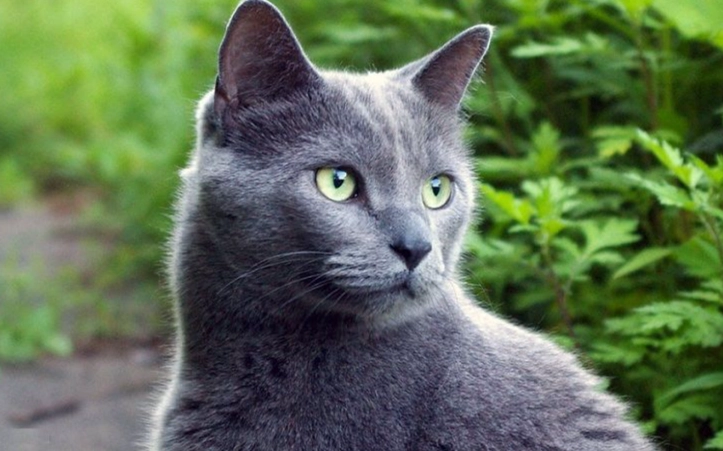
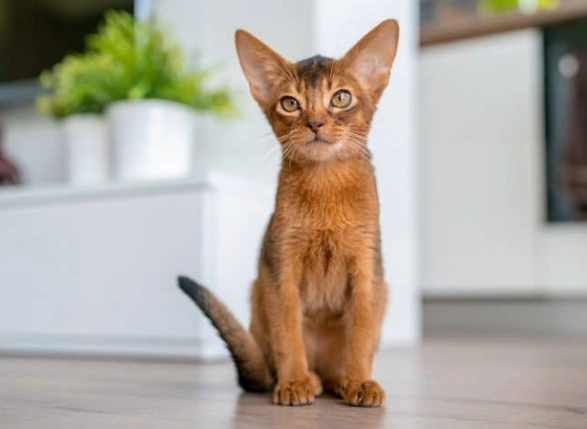
You've seen the photos. That stunning, wild-looking coat with rosettes like a leopard, paired with an intense, intelligent gaze. The Bengal cat captures imaginations instantly. The question isn't "Are they beautiful?"—that's obvious. The real, pressing question people type into Google is: Are Bengal cats good pets?
Let's cut to the chase. The answer is a resounding "it depends." For the right person, a Bengal is an unparalleled, engaging, and deeply rewarding companion. For the wrong person, they can be an exhausting, destructive nightmare. This isn't your average lap cat. Owning a Bengal is less like having a pet and more like entering a permanent partnership with a tiny, furry CEO who has endless energy and demands constant stimulation.
I've shared my home with cats for over two decades, including a now 7-year-old Bengal named Leo. Through trial, error, and a lot of scratched furniture (early on, I'll admit), I've learned what makes this breed tick. This guide won't just list facts. It'll give you the unvarnished reality of life with a Bengal, the mistakes most new owners make, and how to decide if you're truly equipped for one.
What's Inside This Guide?
The Bengal DNA: Unpacking the Wild Side
To understand the pet, you must understand its origin. The Bengal breed is a hybrid, created by crossing domestic cats with the Asian leopard cat (Prionailurus bengalensis), a small wild feline from South and East Asia. The pioneering work began in the 1960s and 70s by breeders like Jean Mill, who aimed to create a cat with the exotic look of the wild but the temperament of a domestic companion.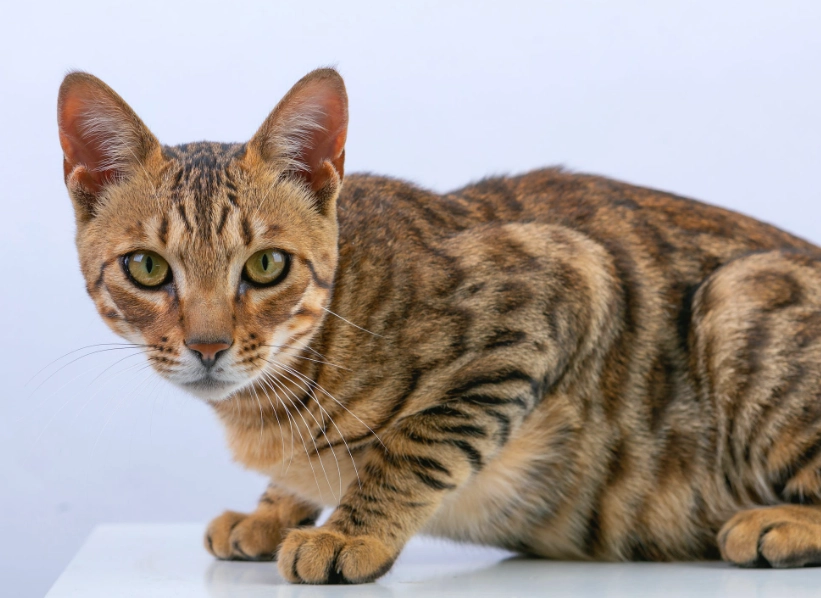
Modern Bengals are many generations removed from their wild ancestors (typically F4 and beyond), which is crucial. Reputable breeders, like those registered with The International Cat Association (TICA), focus on temperament. But those wild genes aren't just for show—they influence behavior in fundamental ways.
Key Takeaway: A well-bred Bengal from a reputable breeder should not be "wild" in temperament. However, the legacy of its ancestry manifests as high intelligence, extreme energy, a powerful prey drive, and a curious, confident nature. Ignoring these traits is the number one reason people fail with this breed.
The Bengal Personality: Not Just a Pretty Coat
Forget the aloof, independent cat stereotype. A Bengal is in your business. Always.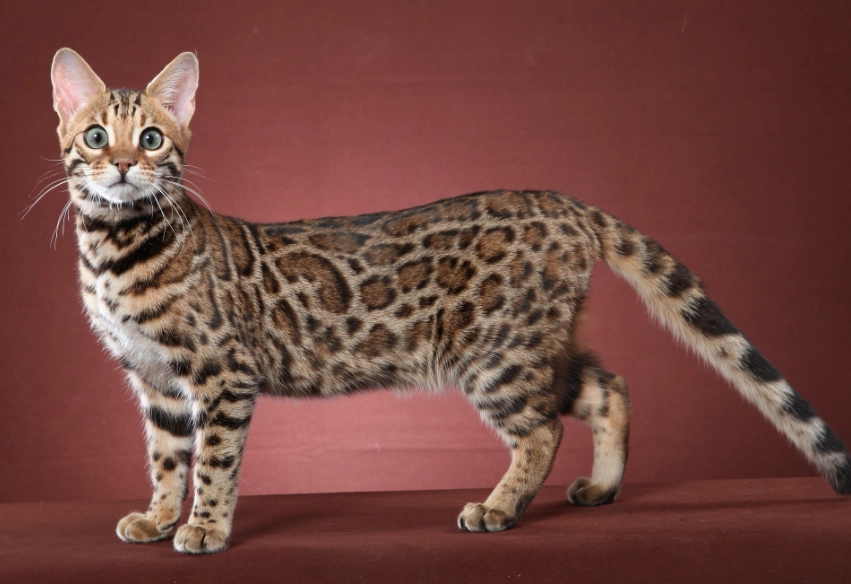
They Are Dog-Like, But More
People call them dog-like, but that's almost an understatement. Leo fetches with more dedication than any dog I've known. He brings his toy mouse, drops it at my feet, and yowls until I throw it. He'll do this for 20 minutes straight. They often enjoy walking on a harness, learn tricks quickly (think: high-five, spin, even using the toilet), and form intense bonds with their chosen humans. They follow you from room to room, not for cuddles necessarily, but to supervise.
The Engine That Never Idles
Their energy level is their defining—and most challenging—characteristic. A Bengal kitten is a tornado. An adult Bengal is a focused hurricane. They need vigorous, interactive play at least twice a day, every single day. A wand toy waved limply for five minutes won't cut it. You need to mimic prey: quick, erratic movements that trigger their chase instinct until they are genuinely panting. If you work 10-hour days and just want to Netflix and chill, a Bengal will express its boredom on your curtains.
Masters of Communication (And Mischief)
They are notoriously vocal, but not with standard meows. It's a range of chirps, trills, and loud, conversational yowls. Leo has a specific sound for "I'm bored," another for "My water bowl is 10% empty," and a particularly piercing one for "Why is that cupboard door closed? I demand it be open." Their intelligence means they learn how to open doors, drawers, and faucets. Childproof locks are not a suggestion; they are a necessity.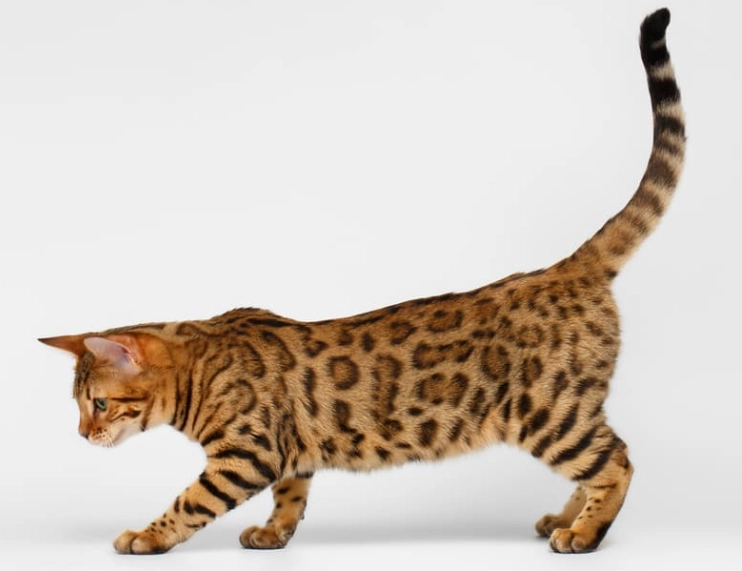
The Pros & Cons: Real Talk
Let's break it down without the sugar-coating.
The Shining Pros:
- Unmatched Interactive Companionship: You will never be bored. They engage with you, play with you, and involve themselves in your life actively.
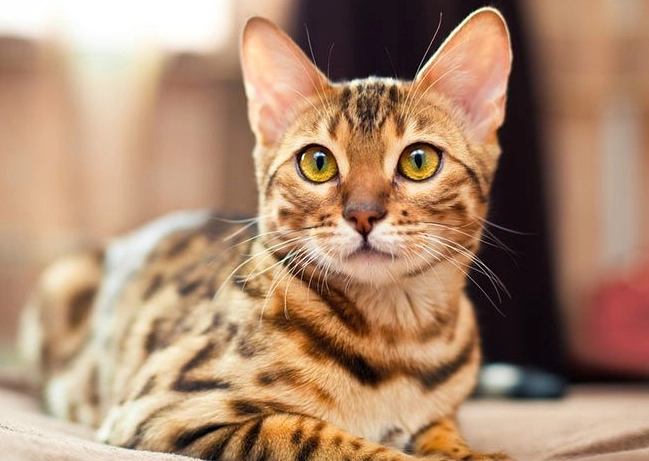
- Stunning and Unique: Their coat is a work of art. The glitter effect (where the hairs shimmer) and bold patterns are constantly eye-catching.
- Often Hypoallergenic(ish): Many allergy sufferers report fewer reactions to Bengals. Their short, pelt-like coat sheds minimally. No guarantees, but it's a common benefit.
- Cleanliness Fanatics: They are fastidious groomers and many have a strange love of water, making bath time (if ever needed) easier.
The Hard Cons:
- Demanding Energy & Stimulation Needs: This is the deal-breaker. They require more time and creative engagement than most pets.
- Destructive Potential: A bored or under-stimulated Bengal will find its own fun: chewing wires, shredding toilet paper, knocking things off shelves.
- Can Be Stubborn & Loud: They are smart enough to be stubborn. If they want something, they will tell you—repeatedly and loudly—until they get it.
- Strong Prey Drive: Small pets like birds, rodents, or even fish are at serious risk. They may also "hunt" your ankles.
- Expensive: From initial purchase ($1,500-$3,000+ from a good breeder) to high-quality food, sturdy cat trees, and endless toys, the costs add up.
Are You a Good Match? The Bengal Owner Quiz
Be brutally honest with yourself.
- Do you have at least 60-90 dedicated minutes per day for interactive play and training?
- Is your home environment relatively active, not a silent sanctuary?
- Can you provide vertical space (cat trees, shelves) and puzzle feeders as standard equipment?
- Are you patient, with a good sense of humor about minor chaos?
- Do you value an interactive, "in-your-face" companion over a quiet lap cat?
- Is your budget flexible enough for premium care?
If you answered "yes" to most, a Bengal could be a fantastic fit. If several "nos" popped up, especially regarding time and energy, admire them from afar. Consider a more laid-back breed.
Bengal Care Beyond the Basics
Feeding and litter boxes are just the start. Bengal care is about environmental design.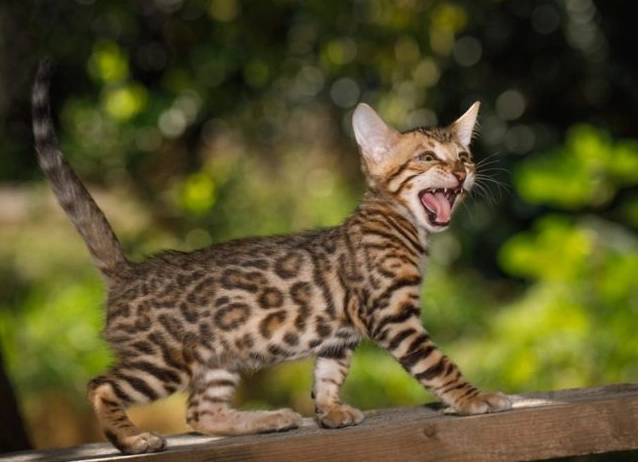
Essential Bengal Gear (Non-Negotiable)
The Cat Highway: Wall shelves and tall, extremely stable cat trees (think 6+ feet) are not luxuries. They are territories. Bengals need to survey their kingdom from on high.
Indestructible (or Close) Toys: Wand toys, puzzle balls where treats are dispensed, and electronic motion toys are lifesavers. Rotate them to prevent boredom.
Water Features: Many Bengals prefer running water. A cat water fountain can prevent constant faucet demands and encourage hydration.
Secure Everything: As mentioned, child locks on cabinets containing food, trash, or chemicals. Secure valuable knick-knacks.
The Daily Routine That Actually Works
Morning: 20-30 minutes of intense play before breakfast. Hunt, eat, groom, sleep—that's the natural order.
Day: Leave out food puzzles and solo-play toys. Consider a "cat TV" (bird feeder outside a secure window).
Evening: Another 20-30 minute play session. This is critical to prevent the 3 AM "zoomies."
This routine burns their energy predictably and creates a much more harmonious household.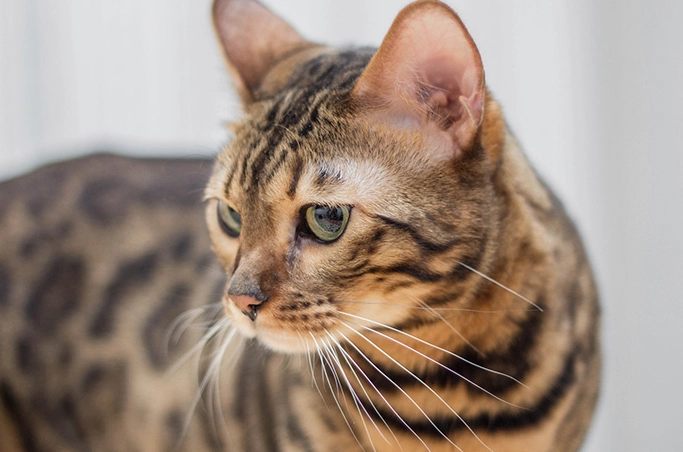
Your Bengal Questions Answered
So, are Bengal cats good pets? They are exceptional pets—for the right human. They are not a decorative animal. They are a commitment to an active, intelligent, and sometimes chaotic partnership. If you can meet their needs for engagement, respect their wild heritage, and embrace their loud, quirky personality, you'll gain a companion like no other. If your lifestyle is calm, quiet, or time-poor, you'll both be frustrated.
Look past the spots. Look at your own life. The answer to whether a Bengal is right for you is already there.