You look at your cat, with its warm, ruddy coat and big, curious eyes. There's something... different about it. It doesn't just lounge; it perches. It doesn't just play; it strategizes. A friend mentioned it might be an Abyssinian, and now you can't unsee it. But how can you be sure? Identifying a cat breed, especially if it's a rescue or a mix, isn't always straightforward. Forget vague descriptions. Let's get into the specific, tangible details that separate an Abyssinian from the crowd.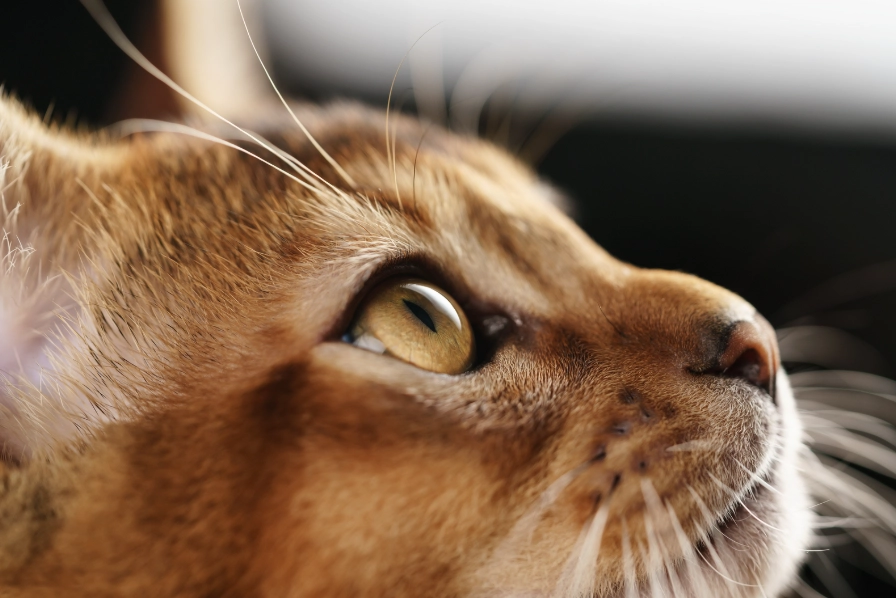
What's Inside?
The #1 Sign: The "Ticked" Coat (It's Not Just Color)
This is the hallmark. The non-negotiable. An Abyssinian's coat isn't a flat color. It's a masterpiece of banding called "ticking" or "agouti". Each individual hair has 4-6 alternating bands of light and dark color. The tip is the darkest, creating a shimmering, warm depth. This is a "ticked tabby" pattern, but without the classic stripes, swirls, or spots on the body.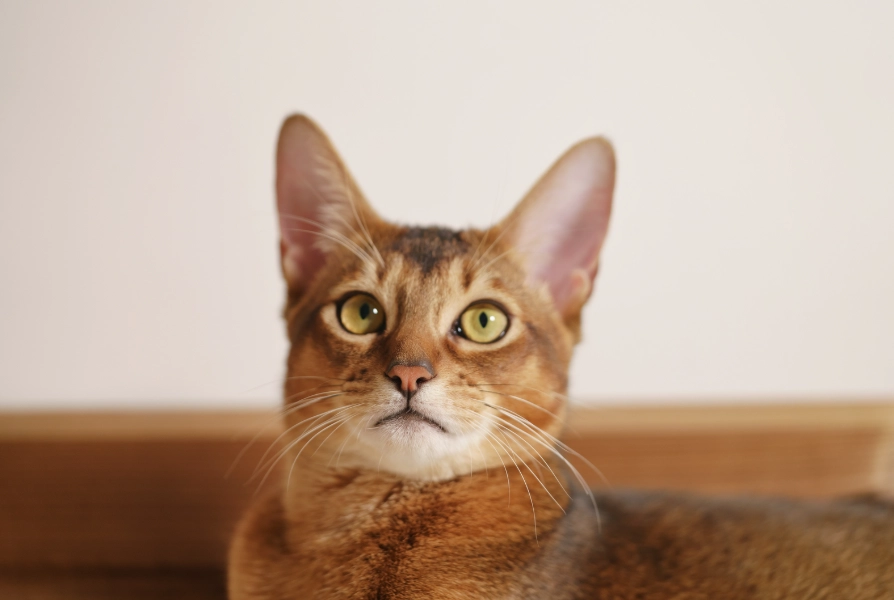
Here’s how to check: Part the fur on your cat's back with your fingers. Look closely at a single hair. Do you see distinct light and dark bands running along its length? If it's one solid color from root to tip, it's not exhibiting true Abyssinian ticking.
Now, let's talk colors. While the "ruddy" or "usual" (a warm burnt sienna/orange-brown) is the most iconic, Abyssinians come in officially recognized shades. The Cat Fanciers' Association (CFA) and The International Cat Association (TICA) are the main registries that set these standards.
| Coat Color (CFA Name) | Description | Base Coat & Ticking Color |
|---|---|---|
| Ruddy | The classic. Warm burnt orange-brown. | Dark brown/black ticking on a warm orange-brown base. |
| Blue | A soft, warm slate blue-gray. | Steel blue ticking on a pale cream/oatmeal base. |
| Fawn | A delicate light cocoa or café-au-lait. | Light cocoa brown ticking on a warm ivory base. |
| Chocolate/Sorrel | A rich, coppery red-brown (lighter than ruddy). | Chocolate brown ticking on a apricot base. |
A common mistake is focusing only on the color and ignoring the texture. I've seen many a ginger tabby or a brown mackerel tabby mistaken for an Abyssinian. The pattern is key.
The Abyssinian Body: Built for Speed and Agility
Abyssinians aren't couch potatoes in physique. They are the middle-distance runners of the cat world. Their body is medium-sized but feels surprisingly dense and muscular when you pick them up—a quality breeders call "hard" muscle tone.
Key physical markers:
A graceful, arched neck that makes them look perpetually alert.
Legs that are slender and long in proportion to their body. They stand on what looks like tip-toe.
Paws that are small, oval, and compact. It's like they're wearing tiny, elegant boots.
A tail that is fairly long, thick at the base, and tapering. It's not fluffy, but it's substantial.
Their overall silhouette should be balanced and graceful, not bulky or extreme. Think of an athlete, not a bodybuilder.
The Abyssinian Face: Expressive and Alert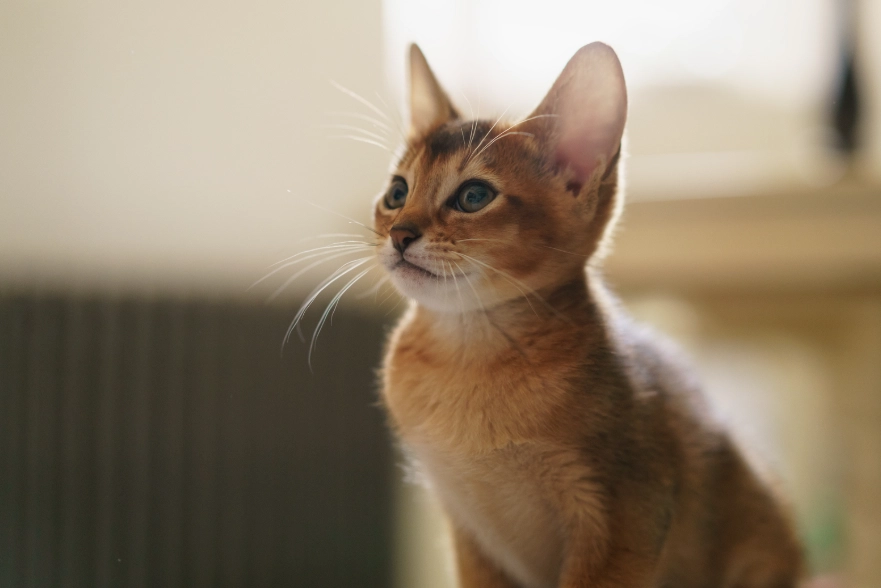
The face is where the intelligence shines through. It's not overly round or flat (like a Persian) or extremely wedge-shaped (like a Siamese). It's a modified, slightly rounded wedge.
Eyes: The Windows to a Busy Soul
Abyssinian eyes are large, almond-shaped, and expressive. They are set well apart. The color is gold, green, or hazel, and it should be rich and clear. A muddy or pale eye color is a deviation from the breed standard. You'll often see a dark pencil line encircling the eye, accentuating its shape, with a lighter "eyeliner" just inside it.
Ears and "Mascara"
The ears are notably large, broad at the base, and cupped. They are set alertly on the head, as if constantly scanning for interesting sounds. A distinctive feature is the "thumbprint" marking on the back of the ear—a darker patch of fur in a lighter background.
Look for the classic "mascara" lines. These are dark lines that extend from the eyes and eyebrows, much like a human's eyeliner. The forehead often has an "M" or intricate tabby markings, a ghost of their ancestral pattern.
Personality: The Ultimate Litmus Test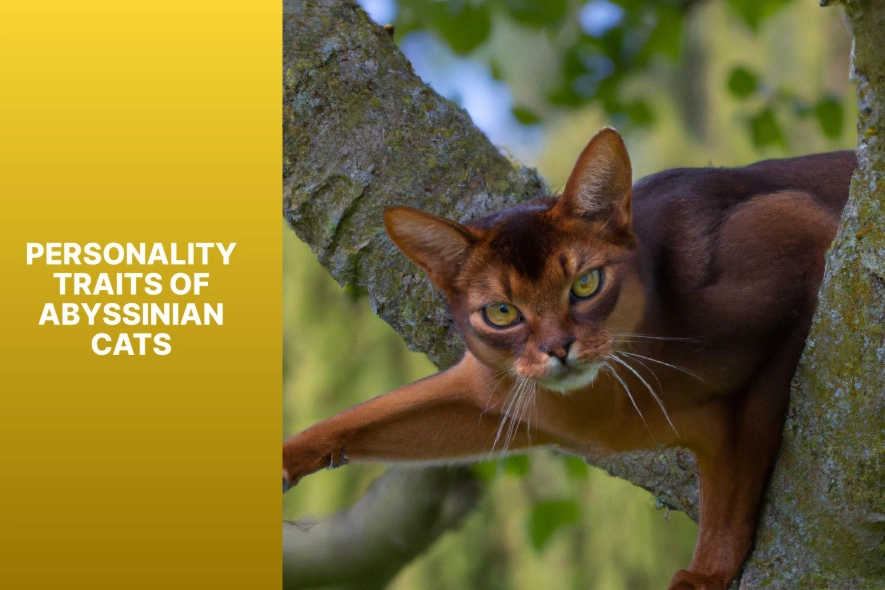
You can fake a look, but you can't fake a personality. If your cat matches the physical traits but is a shy, sedentary lump, it's probably not an Abyssinian. Their temperament is arguably their most defining feature.
Abyssinians are famously people-oriented, playful, and curious to a fault. They are not lap cats in the traditional, snooze-for-hours sense. They are "with-you" cats. They follow you from room to room, supervise all activities, and need to be in the middle of everything. Their play is intense and intelligent—puzzle toys are a must.
A word of caution: This high intelligence and energy can be a double-edged sword. An under-stimulated Abyssinian is a recipe for mischief. They can learn to open cabinets, turn on faucets, and will vocalize their boredom. They often don't do well as only pets for long hours. They thrive with another playful pet or an engaged human family.
They communicate with soft, chirping meows and have a fascination with water. Don't be surprised if yours tries to join you in the shower or pats at the water in your glass.
Is It a Purebred or an Abyssinian Mix?
This is the most common scenario. You see the ticking, the color, the big ears... but something's off. Maybe the body is stockier, the face rounder, or the personality is more laid-back. You likely have an Abyssinian mix or a domestic shorthair with strong Aby-like traits.
Mixed-breed cats can inherit the stunning ticked coat without the specific body type or extreme personality. I had a cat once who was a dead ringer for a ruddy Aby in coat color, but his face was as round as a dinner plate and his favorite hobby was napping. He was a beautiful mix, not a purebred.
Look for a combination of traits. A single trait (like a ticked coat) is just a clue. A true purebred Abyssinian will have all the pieces of the puzzle: coat, color, body, head, and personality.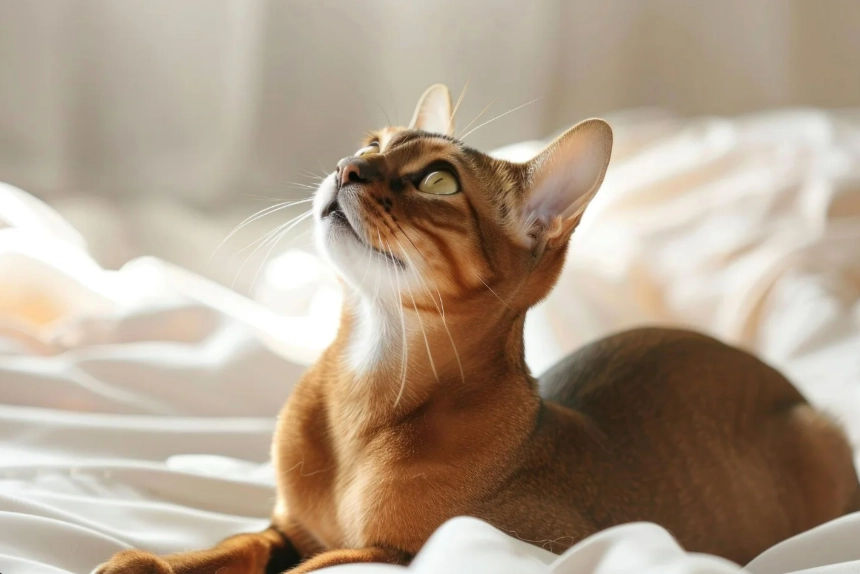
Getting a Definitive Answer: DNA Testing & Pedigree
For absolute certainty, especially with a rescue cat, a cat DNA test is your best bet. Companies like Basepaws, Wisdom Panel, and Orivet can screen for genetic markers associated with the Abyssinian breed. These tests won't just say "yes" or "no"; they'll give you a breed percentage breakdown.
It's important to manage expectations. These tests compare your cat's DNA to a database of known purebreds. If your cat is several generations removed from a purebred ancestor, the signal might be faint or undetectable. A negative result doesn't mean your cat isn't special—it just means its unique look wasn't captured in the current reference panels.
The only irrefutable proof of a purebred Abyssinian is a registered pedigree from a reputable organization like CFA or TICA. If you acquired your cat from a breeder without papers, it is, for all official purposes, considered a domestic shorthair of unknown origin, regardless of appearance.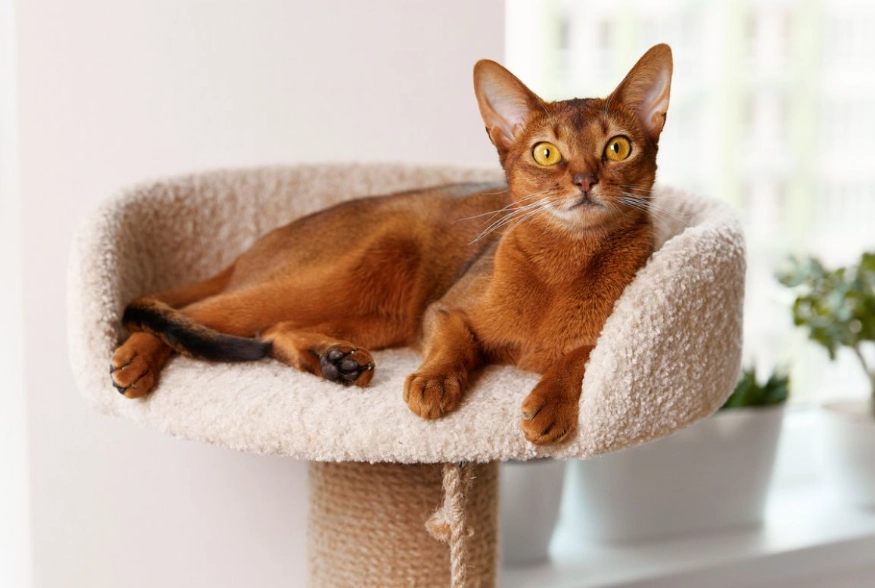
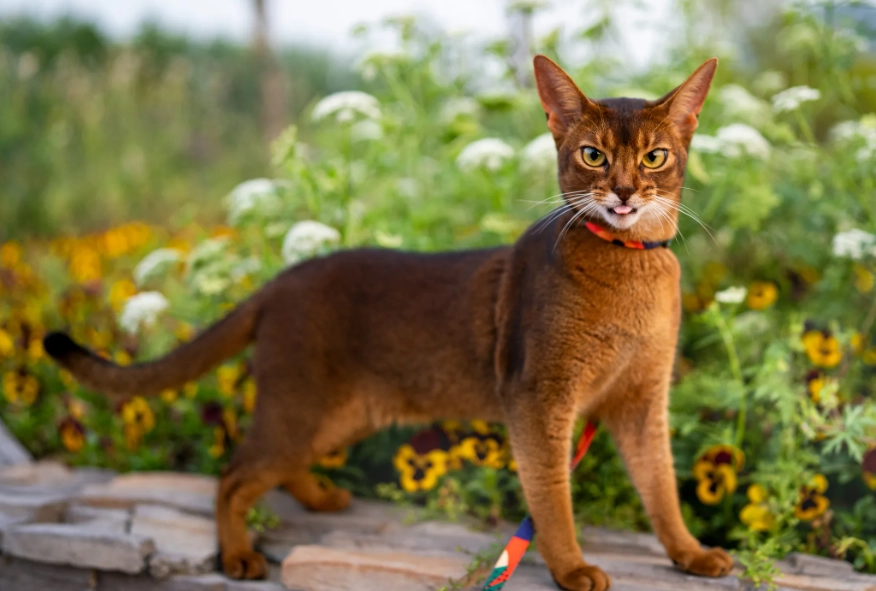 Can an Abyssinian have white markings or a fluffy tail?