You see that adorable, round-faced British Shorthair kitten online or at a cat show. You fall in love with its plush coat and calm demeanor. Then you see the price tag: often well over $1,500, sometimes pushing $3,500 or more. The immediate reaction is a sharp intake of breath. "For a cat?"
I've been involved in the cat fancy world for over a decade, and I've seen this reaction countless times. It's a valid question. But after years of talking to breeders, vets, and owners, I can tell you the high price isn't arbitrary greed. It's the culmination of massive, upfront investment, relentless care, and a commitment to health that cheap, backyard breeding completely ignores.
Let's pull back the curtain. The price you pay for a British Shorthair from a reputable source isn't just for the cat. It's a contribution to a whole system of ethical animal husbandry. We're going to dissect every cost factor, from the genetics lab to your living room.
What You'll Find in This Guide
The Foundation of Cost: Responsible Breeding
This is where the biggest chunk of your money goes. A reputable breeder isn't running a kitten mill. They're running a small, passion-driven conservation program for the breed.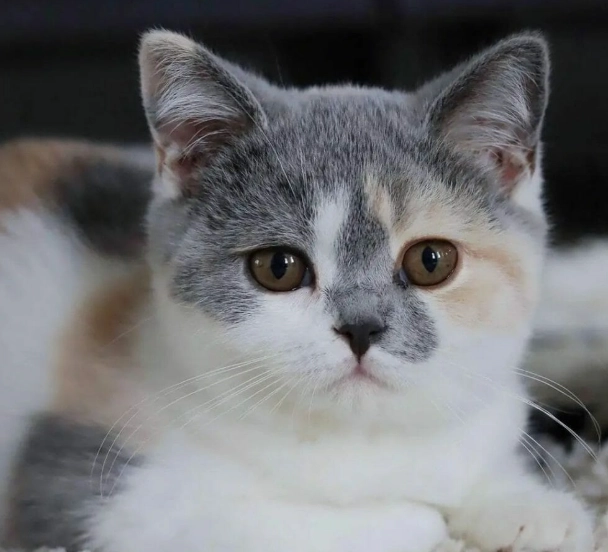
Starting with Superior Stock
A good breeder starts with exceptional, health-tested foundation cats, often imported from established bloodlines in Europe. We're talking $2,000 to $5,000 per cat just to buy them. Then there's the cost of showing these cats to championship titles (entry fees, travel, grooming), which proves they meet the strict breed standard—dense coat, round eyes, sturdy body, correct temperament. This isn't vanity; it's a public audit of quality.
The Breeding Process Itself
It's not just putting two cats together. A responsible queen (female) will have only 2-3 litters in her lifetime, with long rest periods between. Pregnancy involves premium nutrition, frequent vet check-ups, and potentially costly interventions. The breeder is on call 24/7 as the birth nears.
Then come the kittens. The first eight weeks are labor-intensive.
- Around-the-clock care: Neonatal kittens need feeding every few hours if the mother needs help.
- Premium diet: High-quality wet and dry food for the queen and weaning kittens isn't cheap.
- Socialization: This is critical. Breeders handle kittens daily, expose them to household noises, people, and other pets. This man-hours investment creates the famously placid British Shorthair temperament.
- Vet care for the litter: Deworming, flea prevention, and initial vaccinations before they go home.
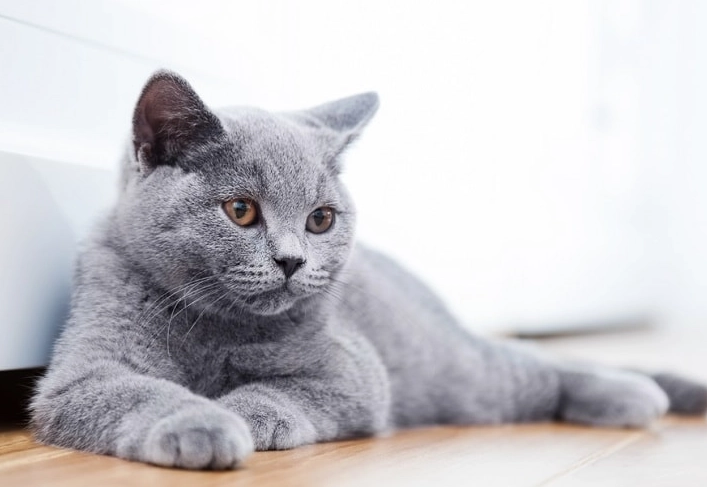
The Non-Negotiable Health Investment
This is the line in the sand between a reputable breeder and everyone else. British Shorthairs, like all purebreds, have known genetic predispositions. Ethical breeders test for them aggressively.
The Health Testing Price Tag (Per Breeding Cat)
Before a cat ever has a single kitten, a breeder spends hundreds, often thousands, on health screenings. This isn't a one-time cost; it's repeated annually.
- Genetic Test for PKD (Polycystic Kidney Disease): $80 - $150. A must. Breeders should provide certificates proving parents are clear.
- Cardiac Ultrasound for HCM (Hypertrophic Cardiomyopathy): $300 - $600. Performed by a veterinary cardiologist, not a regular vet. This is the single biggest health cost. A clean scan one year doesn't guarantee a clean scan the next, so it's repeated.
- Blood typing: Crucial to avoid neonatal isoerythrolysis in kittens. $50 - $100.
- General pre-breeding wellness panels: $200 - $400.
Add that up for a breeding pair. Then multiply it for a cattery with several breeding cats. You see how the numbers balloon. A breeder skipping these tests is playing Russian roulette with the kittens' health—and your future vet bills.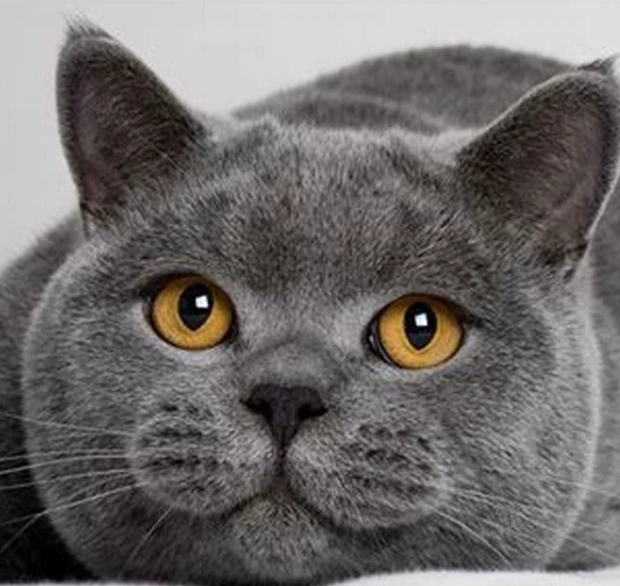
I once spoke to a breeder who had to retire her beloved, champion-winning queen because an annual HCM scan revealed early signs of the disease. That cat would never breed again. The breeder lost her investment in that bloodline but gained immense trust from her kitten buyers. That's the ethical standard you're paying for.
Supply, Demand, and the "Teddy Bear" Effect
Let's talk economics. British Shorthairs are incredibly popular. Their stocky, plush look—often compared to a teddy bear—is massively appealing, fueled by social media and celebrity owners.
High demand meets limited supply. An ethical breeder might only produce 10-15 kittens a year across all their queens. When you have hundreds of inquiries for a handful of kittens, basic economics takes over. The price reflects that scarcity of well-bred kittens.
Color plays a role too. The classic "British Blue" is the most iconic, but rare colors like golden or colorpoint can command even higher prices due to their scarcity within the breed.
British Shorthair vs. Other Options: A Cost Comparison
To understand the value, it helps to see the landscape.
The Backyard Breeder or Online Scam ($200 - $800): This is where the "too good to be true" price lives. No health testing, poor socialization, often early separation from the mother. You save money upfront but risk thousands in vet bills for genetic diseases, plus potential behavioral issues. You're also supporting unethical practices. I cannot stress this enough: this is the most expensive "cheap" option in the long run.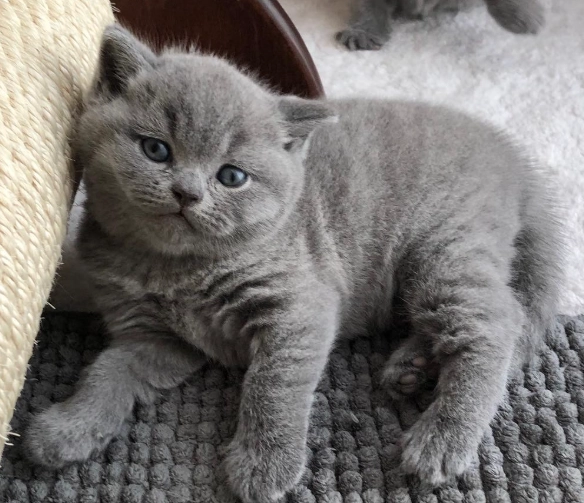
Adoption from a Shelter or Rescue ($50 - $200): An absolutely wonderful option. You save a life and get a vaccinated, neutered companion. The cost difference is monumental. The trade-off? You likely won't get a purebred British Shorthair with its predictable temperament and look. You might get a wonderful domestic shorthair with an unknown health history. For many, this is the perfect choice. For someone specifically seeking the BSH traits, it's a different path.
Other Purebred Cats (Varies Widely): Compared to some other popular breeds, British Shorthairs are mid-to-high range. Common breeds like Siamese or Abyssinians might be slightly less. Rarer or more difficult-to-breed cats like Bengals or Scottish Folds can be similarly priced or higher. The BSH price is consistent with the investment required for a healthy, well-established purebred.
How to Spot a Reputable (and Rightly Priced) Breeder
So you've decided the cost is worth it for the breed you love. How do you ensure your money goes to the right place?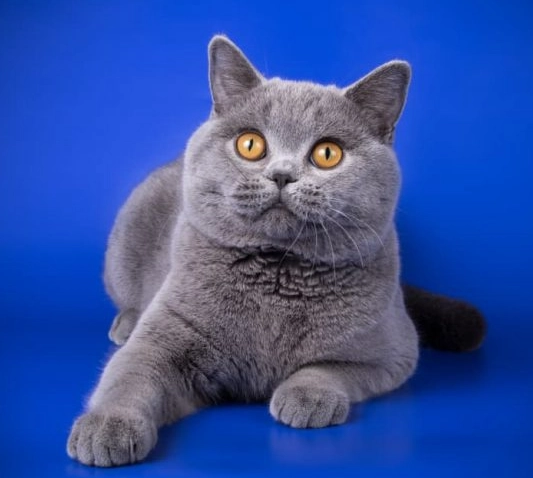
- They ask more questions than you do. They'll grill you about your home, lifestyle, and plans for the cat.
- Health certificates are transparent. They willingly show you the HCM and PKD clearances for both parents, by name.
- They have a contract. It should require spay/neuter for pet-quality kittens, have a health guarantee, and require the cat be returned to them if you can't keep it.
- You visit the cattery. It's clean, the cats live in the home, and they are social and healthy-looking.
- Kittens leave no earlier than 12-14 weeks. This is crucial for proper socialization and vaccination.
- They are registered with a major association like TICA or CFA and are knowledgeable about the breed standard.
If a "breeder" has multiple litters available year-round, sells kittens under 12 weeks, won't let you visit, or has no health testing proof, walk away. No matter the price.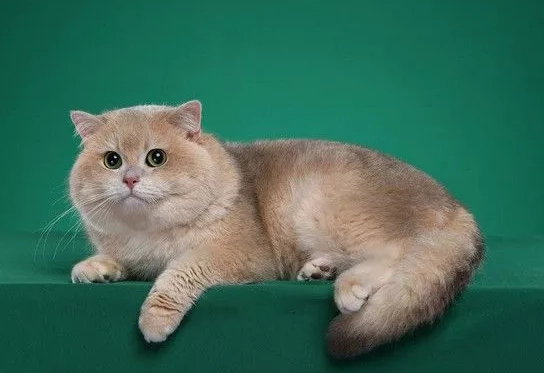
Your British Shorthair Cost Questions Answered
The bottom line is simple. The high price of a British Shorthair from a good breeder isn't a luxury tax. It's the real, amortized cost of doing things right—of prioritizing health, temperament, and the future of the breed over quick profit. It ensures that the charming, round-faced kitten you bring home is set up for a long, healthy, and happy life as part of your family. That, in the end, is what you're truly investing in.