Let's cut to the chase. You're probably picturing a fluffy, serene cat curled contentedly in your lap, purring away as you watch TV. That image is why so many people ask, "Are Himalayan cats snuggly?" The short, general answer is a resounding yes. Himalayans, or "Himmies," are famously affectionate and often seek out human companionship. But here's the thing I've learned after years with these beautiful creatures: that "yes" comes with more layers than their luxurious coats. Not every Himalayan is a stage-five clinger, and understanding why is the key to a happy life together.
What You'll Discover
The Breed's Blueprint: Why Snuggling is in Their DNA
To understand a Himalayan's personality, you need to know where they came from. They're not a natural breed but a deliberate cross between Persians and Siamese. This mix is crucial.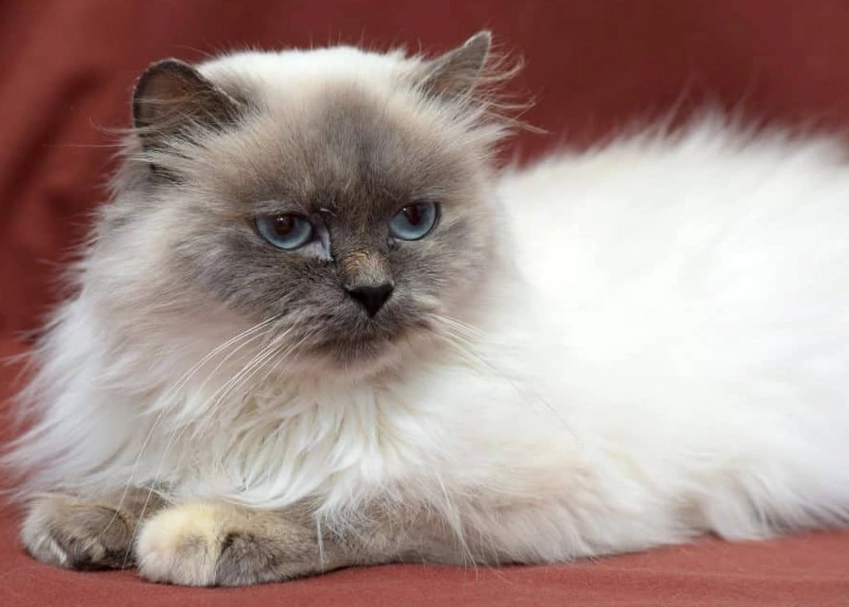
From the Persian side, they inherited that quintessential laid-back, calm, and sweet temperament. Persians are couch potatoes of the cat world, preferring a stable, quiet home. From the Siamese side, they got a dash of social curiosity and vocal expressiveness (though usually not as loud as a pure Siamese). This combination often results in a cat that desires closeness but expresses it in a quieter, more relaxed way than, say, an energetic Abyssinian.
The Cat Fanciers' Association describes them as sweet-tempered, placid, and dependent. That "dependent" part is key—they often form deep bonds with their primary person and look to them for security and interaction. This genetic predisposition is the foundation of their snuggly reputation.
The Himalayan Snuggle Spectrum: From Velcro Cat to Casual Cuddler
Here's where new owners sometimes get tripped up. Assuming all Himalayans will be lap cats can lead to disappointment. In reality, there's a spectrum. I've seen it in my own cats and those of friends in the breeding community.
| Snuggle Style | Typical Behaviors | What It Means |
|---|---|---|
| The Lap Glacier | Seeks out your lap the moment you sit down, settles in for hours, may follow you room-to-room. | High need for physical contact and warmth. You are their favorite piece of furniture. |
| The Nearby Navigator | Prefers to sit beside you on the couch, or on a chair right next to yours, within petting distance. | Desires companionship and proximity, but may overheat easily or want more personal space. |
| The Schedule Cuddler | Predictably snuggly at certain times (morning, bedtime) but more independent during the day. | Affection is important, but on their own terms and routine. Very common. |
| The Observer | Content to be in the same room, watches you intently, may accept brief pets but rarely seeks prolonged contact. | Bonding is expressed through quiet presence. May be shyer or from a less-handled lineage. |
My first Himalayan, Mochi, was a classic "Nearby Navigator." He'd never sit on my lap if I was wearing jeans—the texture bothered him. But put on soft sweatpants, and he'd be right there. It was a specific, quirky preference I had to learn. Another common misconception is that a cat sitting nearby isn't being affectionate. With Himmies, that steady, calm presence in your orbit is their love language.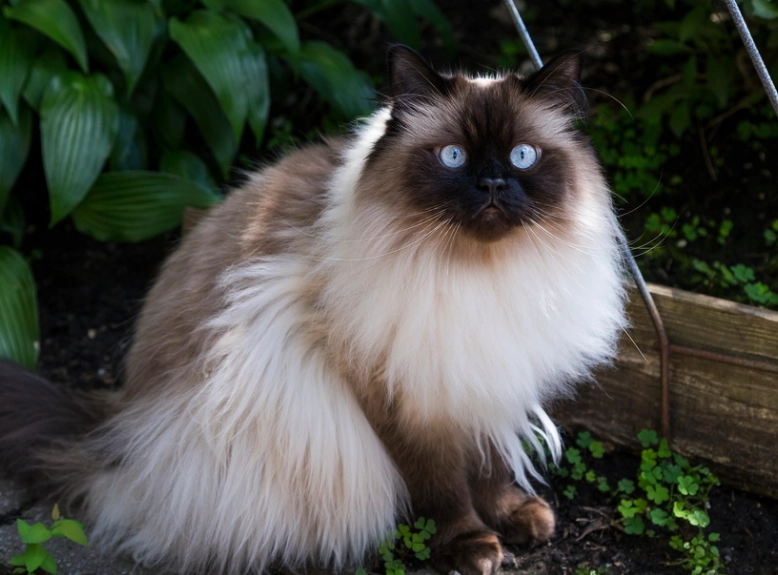
What Really Influences Your Himmy's Affection Level?
So why is your friend's Himalayan a cuddle monster while yours seems aloof? It's rarely about you personally. Several concrete factors play a huge role.
Early Socialization (The Kitten Blueprint)
This is the biggest one. A kitten handled gently and frequently by multiple humans from weeks 2 through 7 is far more likely to be confident and people-oriented as an adult. Reputable breeders, like those affiliated with The International Cat Association, prioritize this. A kitten from a chaotic environment or a pet store may be more timid. Ask your breeder about their socialization practices—it matters more than the kitten's color.
Temperature and That Luxurious Coat
This is a practical point many overlook. Himalayans have a dense, double-layered coat designed for insulation. In a warm house, they can easily overheat. Your snuggly winter lap cat might become a "floor cat" in summer. Keeping your home cool (around 70°F or 21°C) can surprisingly increase snuggle time. Also, a matted, uncomfortable coat makes any cat grumpy. Regular grooming is non-negotiable for their comfort and mood.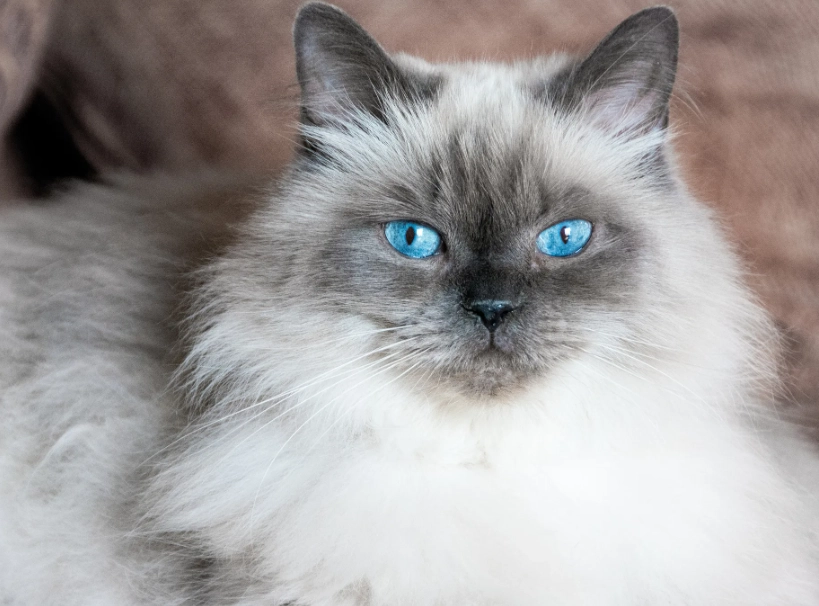
Health and Comfort
A Himalayan in pain won't want to be touched. Their flat (brachycephalic) faces can lead to breathing issues and dental problems. A sudden change from snuggly to solitary can be a red flag. Common issues to watch, as noted by veterinary resources, include eye weeping (requiring daily cleaning), polycystic kidney disease (PKD), and dental disease. Discomfort from any of these can dampen their cuddle drive.
A Non-Consensus Grooming Tip Most Owners Miss
Everyone says "brush your Himalayan daily." But the real secret is in the type of brush and the order of operations. Using a metal comb before a slicker brush is a game-changer. The comb teases out the tiny undercoat mats close to the skin that the slicker brush just glides over. Missing these leads to painful pelted fur near the skin, which is a major reason a Himmy will suddenly reject belly rubs or being picked up. Start at the rear legs and work forward, gently. If you hit a snag, don't pull—work it apart with your fingers first.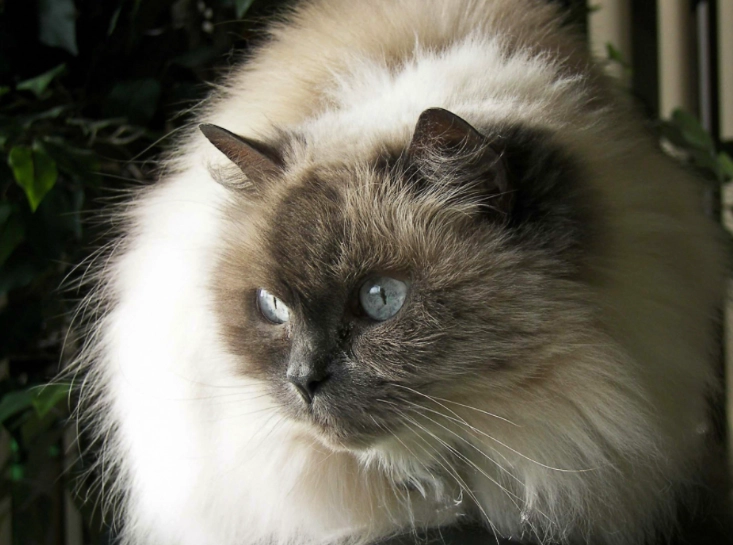
How to Build an Unbreakable Bond with Your Himalayan
You can actively encourage your Himalayan's snuggly side. It's about creating positive associations and respecting their nature.
- Make Lap Time a Ritual, Not a Demand. Choose a calm time, like evening TV watching. Have a soft blanket on your lap (most Himmies love fleece). Let them come to you. Pair it with gentle chin scratches, not full-body restraint.
- Interactive Play is Bonding. Use a wand toy to engage their hunting instinct for 10-15 minutes daily. It builds trust, provides exercise, and makes them more relaxed and likely to settle down with you afterward.
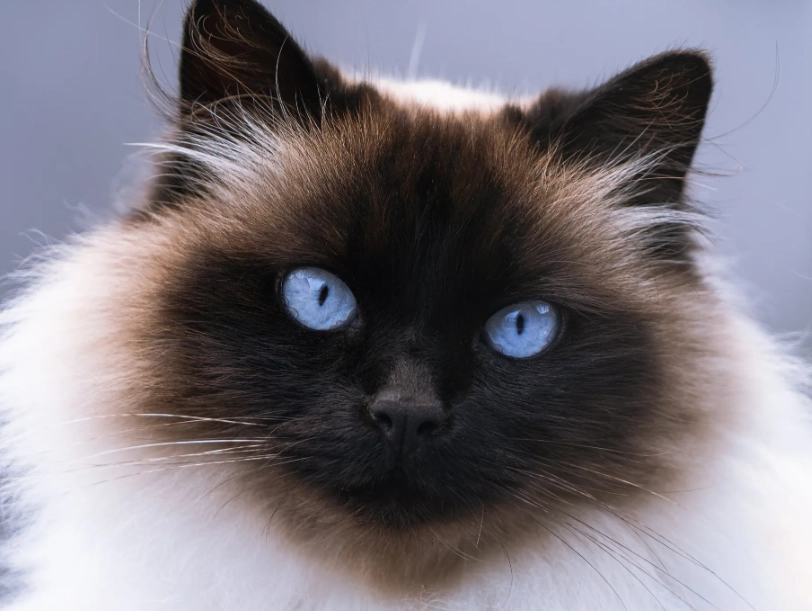
- Hand-Feed Treats and Meals. This associates your hands with incredibly good things. Try giving a portion of their kibble by hand or offering a special wet food treat from your fingers.
- Learn Their "Petting Threshold." Many Himalayans adore attention but have a limit. Signs they're done include tail twitching, skin rippling, or ears rotating sideways. Stop before they get annoyed to teach them that your touch is always pleasant.
- Provide Cozy, Elevated Perches Near You. If they're not a lap cat, give them a warm, soft bed on the desk next to you or a cat tree by the window in your home office. Proximity without pressure is still a win.
I made the mistake early on with Mochi of always picking him up for cuddles when I wanted them. He started to avoid me. When I switched to letting him initiate 80% of the time, he became much more consistently affectionate. It was a lesson in feline consent.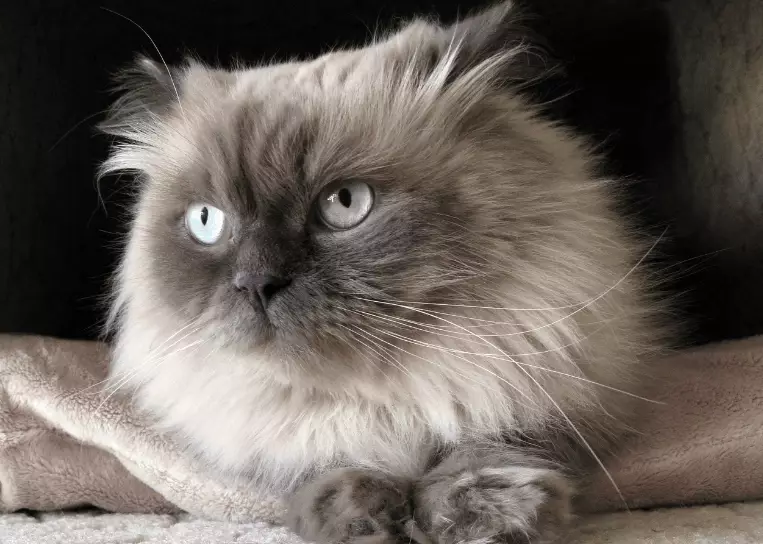
Your Top Himalayan Snuggle Questions, Answered
So, are Himalayan cats snuggly? The breed leans heavily toward yes, but with the grace notes of individuality, comfort, and past experience shaping the final melody. They offer a deep, quiet companionship that is less about constant physical contact and more about a profound, calming presence. If you provide a gentle, stable home, respect their boundaries, and keep that glorious coat in good order, you're likely to find yourself with a devoted, soft-hearted friend who expresses love in the most beautifully fluffy way imaginable.