You've seen the pictures. A majestic, thick-furred cat with eyes like forest pools. The Siberian cat looks like it just stepped out of a Russian fairy tale. But behind that impressive exterior lies a personality that's genuinely surprising. Forget the aloof, independent cat stereotype. Living with a Siberian is more like having a loyal, chatty, and occasionally hilarious roommate who happens to shed a lot. I've been involved with the breed for over a decade, first as an admirer, then as an owner, and later consulting with breeders. The biggest mistake people make? Assuming they're getting a living teddy bear. You're getting a highly intelligent, emotionally tuned-in companion with a strong will of their own.
In This Article You'll Discover
The 5 Core Traits of the Siberian Cat Temperament
Let's break down what makes these cats tick. It's not just "friendly." It's a specific blend of traits that creates their unique charm.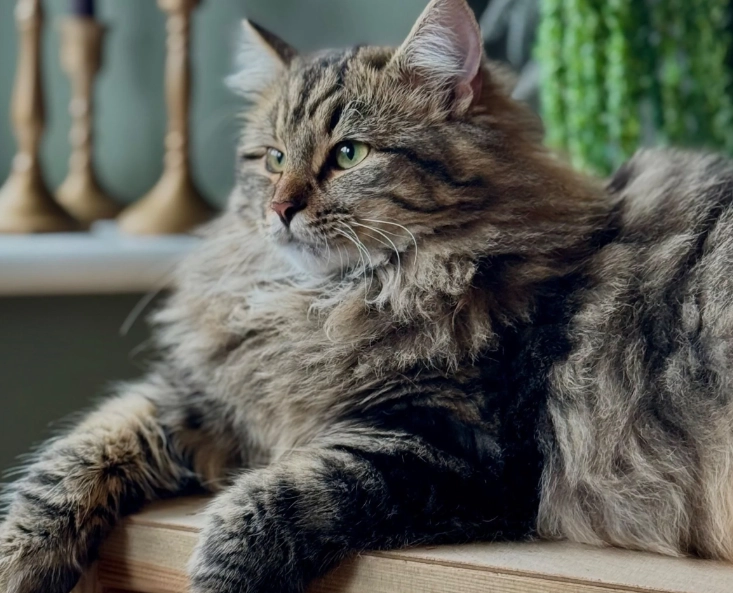
1. Dog-Like Loyalty (They Pick a Person)
Siberians often form a profound bond with one or two people in the household. This isn't a cat that just tolerates you. My male, Misha, follows me from room to room. He doesn't always want to be on my lap, but he needs to be in the same room, supervising. He greets me at the door. This loyalty means they can be wary of strangers initially—not aggressive, but observant. They'll often hide for an hour when new people visit, then emerge to cautiously inspect them. This period of assessment is normal; don't force interaction.
2. Playful & Agile Well Into Adulthood
These are natural athletes. They retain their kitten-like playfulness for years. A Siberian doesn't just bat at a feather wand; they'll leap three feet in the air, twist, and land gracefully. They need vertical space. A tall, sturdy cat tree isn't a luxury; it's a necessity. Without it, your bookshelves and curtain rods become their jungle gym. Interactive play sessions of 15-20 minutes, twice a day, are crucial to channel their energy and intelligence.
3. Surprisingly Vocal & Communicative
They're not yowlers, but they are conversationalists. You'll hear a range of chirps, trills, and meows. They'll "talk back" when you speak to them. It's one of their most endearing qualities. You're not owning a pet; you're acquiring a fuzzy, opinionated family member who has thoughts on dinner time, the weather, and your choice of television program.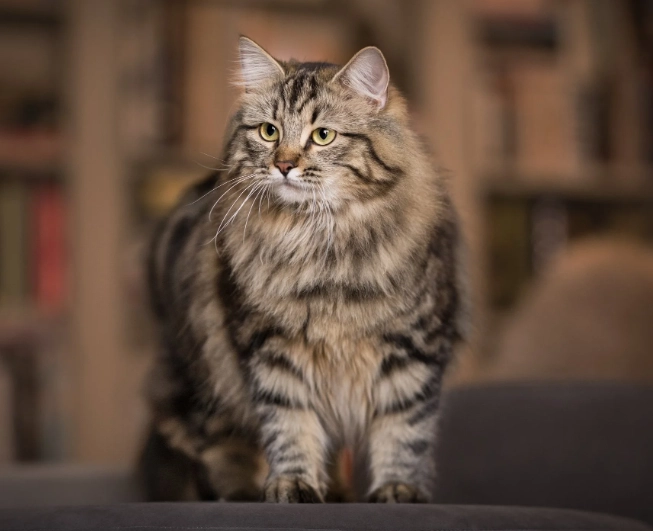
4. Intelligent & Problem-Solving
This intelligence is a double-edged sword. They learn tricks easily (fetch is a common one) but also learn how to open cabinet doors, lever-style doorknobs, and puzzle feeders meant to last an hour in under five minutes. Boredom is your enemy. Food puzzles, training sessions, and rotating toys are mandatory to keep their clever minds occupied and out of mischief.
5. Affectionate, But On Their Terms
They can be incredibly cuddly, often nuzzling and head-butting (a behavior called "bunting"). But it's rarely a 24/7 lap cat situation. They'll seek you out for intense affection sessions, then wander off to their own business. They enjoy being near you, not necessarily smothered by you. This balance makes them perfect for people who want companionship without clinginess.
Expert Insight: Many online profiles describe Siberians as "gentle giants." That's true, but it misses their resilience. Bred to survive harsh Russian winters, they have a robust constitution and a calm, steady nerve. Loud noises or household chaos that would spook another breed often just earns a mildly curious glance from a Siberian.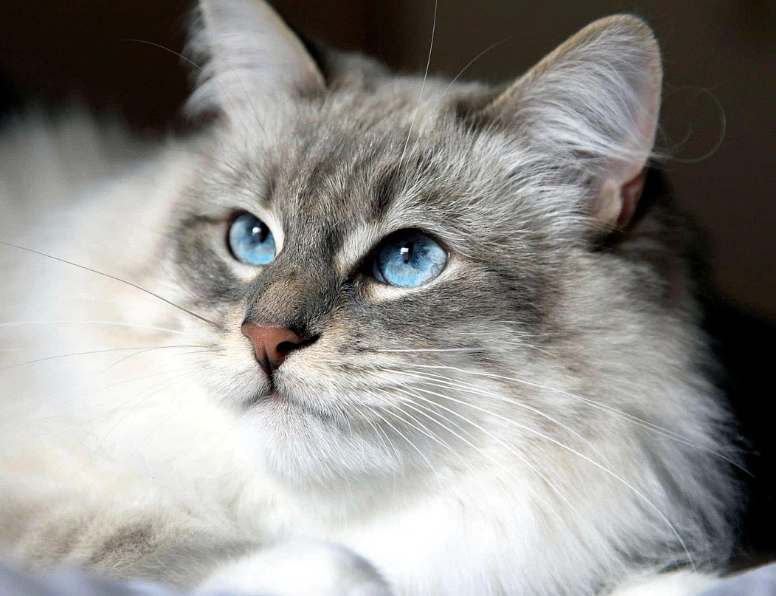
Are Siberian Cats Good Family Pets? (The Real Scoop on Kids & Dogs)
The short answer is yes, famously so. But let's get specific, because "good with kids" can mean a lot of things.
With children, their patient and sturdy nature shines. They can tolerate a certain amount of clumsy petting better than a delicate-boned breed. However, they are not punching bags. Teaching children respectful interaction—no tail pulling, letting the cat come to them—is non-negotiable. A well-socialized Siberian will see gentle children as delightful, warm sources of petting and play.
With other pets, they generally have a high success rate. Their confident demeanor helps them integrate with resident cats, especially if introduced slowly. Their dog-like qualities often make them fantastic companions for dog-friendly canines. I've seen Siberians and retrievers become inseparable nap buddies. The key, as with any introduction, is a gradual, scent-first process over several days, not just throwing them together.
| Living Situation | Siberian Cat Suitability | Key Considerations |
|---|---|---|
| Families with Young Kids | Excellent | Supervise early interactions. Teach kids to read cat body language. The cat's patience is high but not infinite. |
| Other Cats | Very Good | Best with a slow introduction. Their confidence can either reassure a shy cat or clash with a dominant one. |
| Dog Households | Very Good to Excellent | Ideal with calm, cat-respectful dogs. Their playful side can even engage dogs in gentle play. |
| First-Time Cat Owners | Good | Their easygoing nature and robust health are pluses, but their grooming and intelligence needs require commitment. |
| Apartment Living | Good (with caveats) | Must provide ample vertical space and dedicated playtime. A small studio without enrichment is a recipe for boredom. |
| Single-Person Household | Excellent | They thrive on companionship. If you work long hours, consider a pair to keep each other company. |
Siberian Cat Care: Avoiding the 3 Most Common Mistakes
Their personality dictates their care needs. Get these wrong, and even the sweetest Siberian can develop behavioral issues.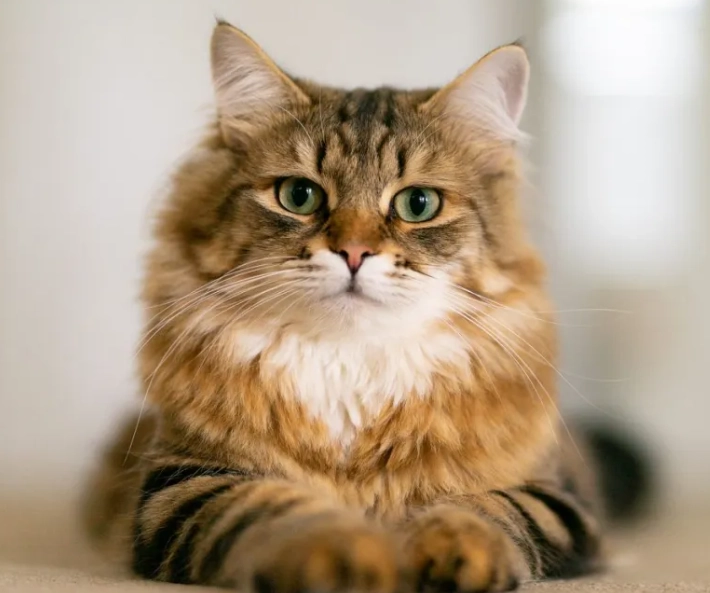
Mistake #1: Neglecting the Undercoat. That glorious triple coat is weatherproof. It mats, not on the top, but close to the skin in the dense undercoat, especially under the arms and around the ruff. A weekly thorough combing with a stainless steel comb and a slicker brush is mandatory. During spring and fall shedding seasons ("blowing coat"), daily sessions are needed. Bathing them 2-4 times a year actually helps manage shedding and prevents matting—most accept water quite well if introduced to it gently as kittens.
Mistake #2: Underestimating Their Food Drive. These are large, active cats. They need high-quality, protein-rich food. But they also love to eat and can become opportunistic snackers. Measure their portions! Free-feeding dry food often leads to an overweight Siberian, which puts strain on their joints. Use puzzle feeders to slow them down and engage their brains.
Mistake #3: Providing Inadequate Environmental Enrichment. A bored Siberian is a destructive Siberian. They need to climb, hunt, and explore. This isn't optional. Your setup should include:
- A cat tree at least 6 feet tall, with sturdy bases.
- Window perches for bird-watching.
- A rotation of interactive toys (wand toys, laser pointers—used correctly).
- Secure outdoor access like a catio is the ultimate enrichment, but never let them roam freely.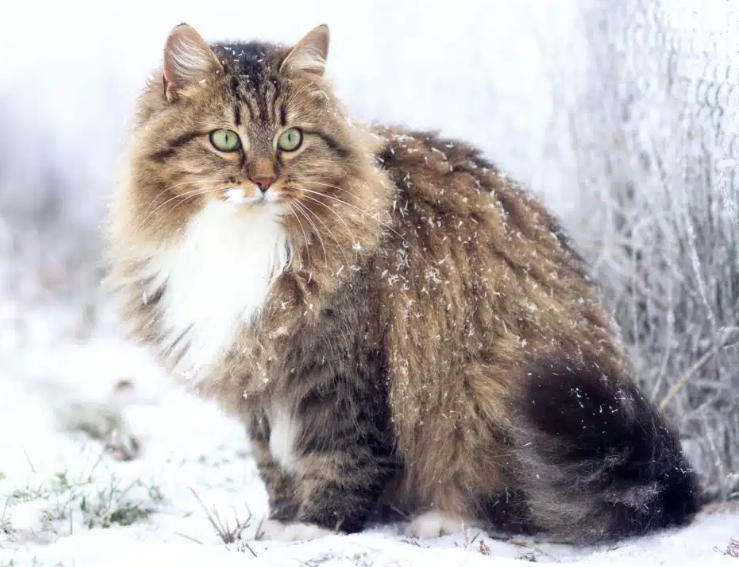
The Hypoallergenic Question: What Breeders Don't Always Tell You
This is the #1 reason people seek out Siberians. The science, according to studies like those often referenced by The International Cat Association (TICA), suggests some Siberians produce lower levels of the Fel d 1 protein, a common allergen, in their saliva. When they groom, this protein gets on their fur and becomes airborne.
Here's the critical nuance everyone misses: Lower levels do not mean zero levels. Reaction is individual. Some allergy sufferers live symptom-free with a Siberian; others react just as strongly. There is no guarantee.
The only reliable test is exposure. Reputable breeders will allow you to visit their cattery, spend time with the cats, and even send you a fur sample to test your reaction before committing. If a breeder guarantees 100% hypoallergenic, be skeptical. You're managing an allergy, not curing it. Regular grooming (to remove saliva-laden fur), HEPA air filters, and washing bedding help manage allergens from any cat, Siberian or not.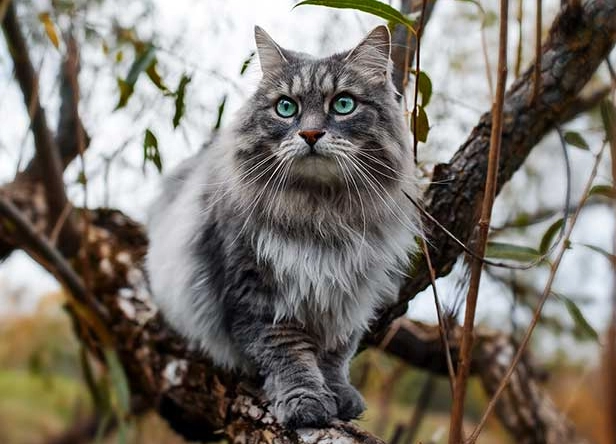
How to Know If a Siberian Cat's Personality is Right For You
Don't just fall for the fluff. Ask yourself these questions:
- Can I commit to 15+ years of regular, thorough grooming? The fur is a daily reality.
- Do I want interactive companionship or just decorative? A Siberian will demand to be part of your life.
- Am I prepared for a smart, sometimes mischievous pet? Childproof your cabinets.
- Do I have space (vertical and horizontal) for a large, active animal?
- Is my allergy mild to moderate? If it's severe, no cat breed is truly safe.
If you answered yes, you might just be ready for one of the most rewarding feline companions out there. Their loyalty, humor, and serene presence are worth every bit of fur on the couch.