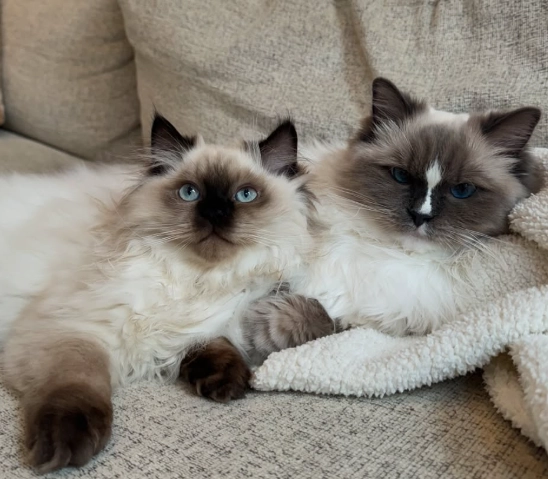
Let's clear something up right away. You won't find "Himalayan Tabby" listed as an official breed with cat registries like the Cat Fanciers' Association (CFA). What you have is a fascinating and beautiful hybrid—a cat that combines the luxurious, color-pointed coat of a Himalayan (or a Colorpoint Persian) with the distinctive striped, swirled, or spotted pattern of a tabby. It's not a standard breed, but it's a specific and sought-after look that pops up in litters, often to the delight (and sometimes surprise) of breeders. If you're drawn to fluffy cats with striking markings and piercing blue eyes, you're in the right place. This guide cuts through the confusion and gives you the real-world details on what it's like to live with one of these feline masterpieces.
Your Quick Guide to Himalayan Tabby Cats
- What Exactly Is a Himalayan Tabby Cat?
- The Himalayan Tabby Appearance & Coat Colors
- Himalayan Tabby Cat Personality and Temperament
- How to Groom a Himalayan Tabby Cat
- Himalayan Tabby Cat Health Considerations
- Is a Himalayan Tabby Cat Right for You?
- Finding a Himalayan Tabby Cat: Breeder vs. Rescue
- Your Himalayan Tabby Questions Answered
What Exactly Is a Himalayan Tabby Cat?
Think of it as a best-of-both-worlds scenario, with a hefty side of grooming. The Himalayan cat itself is a man-made breed, a cross between a Persian and a Siamese, designed to get the Persian's long, plush coat and the Siamese's striking color points. The "tabby" part comes from a separate genetic ingredient—the agouti gene, which creates the classic tabby patterns (mackerel, classic, spotted, ticked).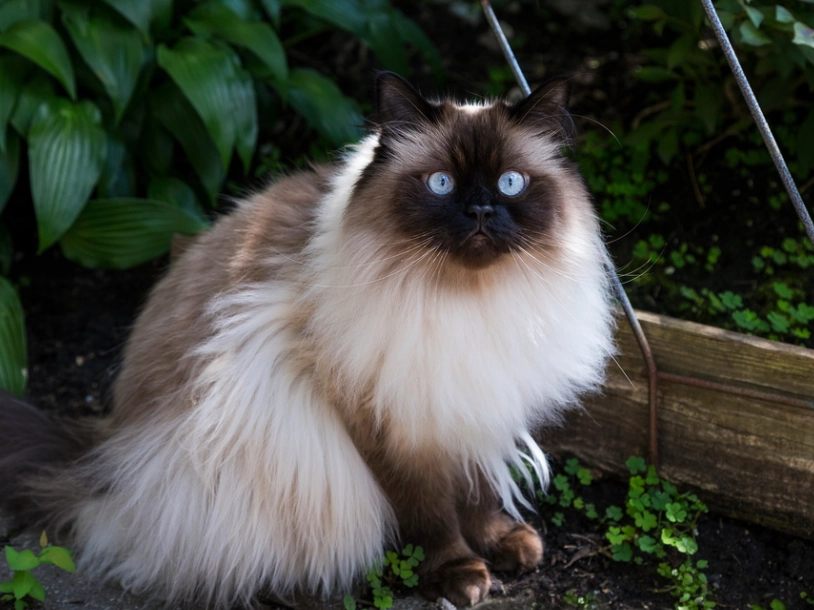
When these genetics mix in a pointed cat, you get a Himalayan with tabby markings specifically on its points—the face mask, ears, legs, and tail. The body remains a lighter, creamy color. This pattern is technically called a "lynx point" in the cat fancy world. It's a recessive trait, so both parents must carry the tabby gene for it to show up in a pointed kitten.
A quick genetics lesson: The "pointed" pattern is temperature-sensitive. The cooler areas of the body (extremities) develop darker pigment. The tabby pattern then lays on top of that darker pigment. So, you'll see clear stripes or swirls on the ears, but the warm torso stays pattern-free. It's a pretty cool trick of nature.
The Himalayan Tabby Appearance & Coat Colors
This is where the magic happens. Forget the solid seal or chocolate points. A Himalayan tabby's points are alive with pattern. The base color of the points can vary, creating different combinations.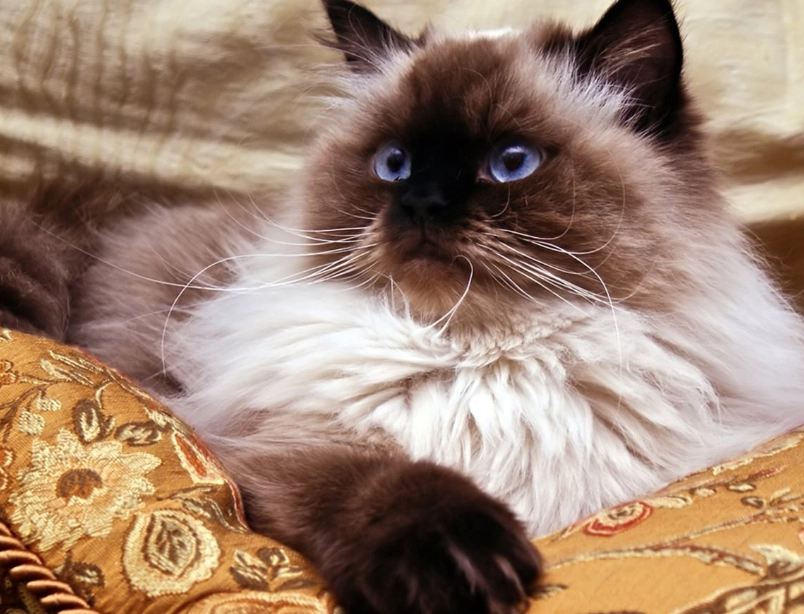
| Point Color | Tabby Pattern Color | Body Color | Eye Color | Common Name |
|---|---|---|---|---|
| Seal | Dark brown/black stripes | Pale fawn to cream | Deep, vivid blue | Seal Lynx Point |
| Blue | Slate gray stripes | Glacial white | Bright blue | Blue Lynx Point |
| Chocolate | Milk chocolate stripes | Ivory | Aqua blue | Chocolate Lynx Point |
| Flame (Red) | Bright orange-red stripes | Cream | Vivid blue | Flame Lynx Point (A real showstopper) |
| Tortie (Tortoiseshell) | Mix of black & red patches with tabby stripes | Pale cream | Blue | Tortie Lynx Point |
Beyond color, you have the Persian build: a cobby, muscular body, short legs, a broad head with a flat face (brachycephalic), and small, rounded ears. That flat face is a major point of contention and care. While adorable, it leads to brachycephalic syndrome, which can cause breathing difficulties, dental issues, and excessive tearing that stains the face. Not all Himalayans have extremely flat faces; some breeders aim for a "traditional" or "doll-faced" look with a more pronounced muzzle, which is healthier.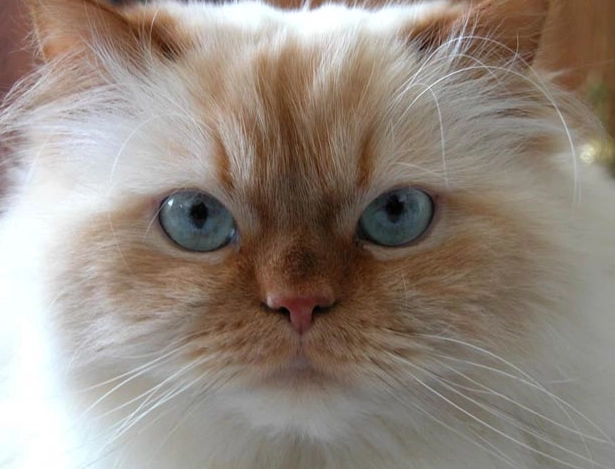
Himalayan Tabby Cat Personality and Temperament
Expect a companion, not an athlete. These cats inherited the Persian's laid-back, sweet nature and the Siamese's loyalty, but usually without the Siamese's constant vocal commentary. They are quintessential lap cats.
They form deep bonds with their favorite person and will follow you from room to room, not to get into trouble, but just to be near you. They're content to watch the world from a sunny windowsill or your lap. Don't expect them to be jumping onto high bookshelves—they're more likely to figure out how to get you to lift them up.
They're generally quiet, using soft chirps and meows to communicate. They get along well with gentle children, dogs, and other cats, preferring a peaceful household. Loud noises and chaos stress them out. Their intelligence is often underestimated because of their calm demeanor. They learn routines quickly and can be trained with positive reinforcement, especially if treats are involved.
How to Groom a Himalayan Tabby Cat
Here's the non-negotiable part. That gorgeous double coat is a magnet for mats. If you skip grooming, you will have a miserable, matted cat within weeks. This isn't a casual brushing situation; it's a commitment.
Pro Tip from a Long-Time Groomer: Most people brush the top of the coat and think they're done. The mats form close to the skin, in the dense undercoat. You must part the fur and brush all the way down to the skin, especially in high-friction areas: behind the ears, under the armpits, around the collar, and the belly. A slicker brush and a sturdy metal comb are your best friends.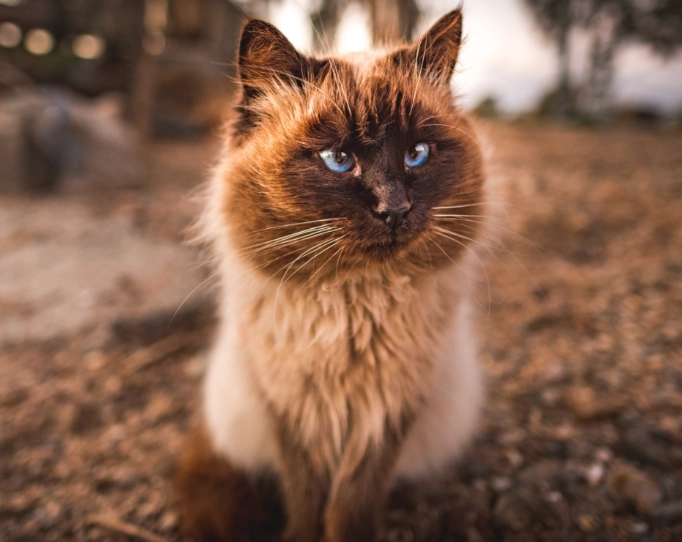
The Daily/Weekly Routine:
- Brushing: A thorough comb-through every other day is ideal. Daily is better during shedding seasons (spring and fall).
- Bathing: Every 4-6 weeks. It sounds extreme, but a good bath with a cat-specific shampoo helps remove loose undercoat before it can form mats, keeps the coat clean, and reduces allergens. Get them used to it as kittens.
- Eye Cleaning: Daily. Their tear ducts are often kinked due to the flat face, causing tears to overflow. Wipe the corners of their eyes gently with a soft, damp cloth to prevent ugly brown tear stains and skin infections.
- Rear End Hygiene: Check regularly. Long fur can trap litter and feces. You may need to keep the fur around their backend trimmed short (a "sanitary trim").
If the thought of this routine makes you tired, a Himalayan tabby is not for you. Consider a professional groomer every 6-8 weeks as a backup, but it's expensive.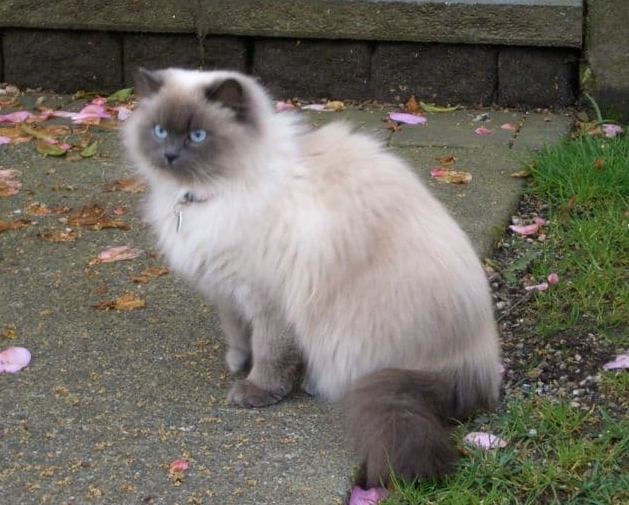
Himalayan Tabby Cat Health Considerations
They share the health concerns of their Persian and Himalayan relatives. Reputable breeders screen for these conditions, so always ask for proof.
- Polycystic Kidney Disease (PKD): An inherited disorder causing cysts in the kidneys. A DNA test exists, and responsible breeders test their breeding stock. Ask for the PKD test results.
- Brachycephalic Airway Syndrome: The shortened skull leads to narrowed nostrils, an elongated soft palate, and a small windpipe. This causes snoring, noisy breathing, exercise intolerance, and overheating. In severe cases, surgery might be needed.
- Dental Issues: Their small, crowded jaws make them prone to periodontal disease. Annual dental check-ups and daily tooth brushing are crucial.
- Hypertrophic Cardiomyopathy (HCM): A form of heart disease. Breeders should have their cats regularly screened by a cardiologist.
Heat Sensitivity: Their long coat and compromised breathing make them extremely prone to heatstroke. They must be kept in air-conditioned environments during hot weather. Never leave them in a car, even for a minute.
Is a Himalayan Tabby Cat Right for You?
Let's do a quick reality check.
You might be a good fit if: You work from home or are home often. You enjoy (or don't mind) a detailed grooming routine. You want a calm, affectionate shadow. You live in a quiet, stable home without young kids who might be too rough. You're prepared for potential vet bills associated with their breed-specific issues.
Think twice if: You want a low-maintenance pet. You're rarely home. You have severe allergies (they are not hypoallergenic). You're on a tight budget. You desire an active, playful cat that fetches toys.
Finding a Himalayan Tabby Cat: Breeder vs. Rescue
Because it's a specific pattern and not a breed, you won't find many breeders advertising "Himalayan Tabbies." You need to look for reputable Himalayan or Persian breeders and inquire if they ever produce lynx point kittens. Be patient; it might take time.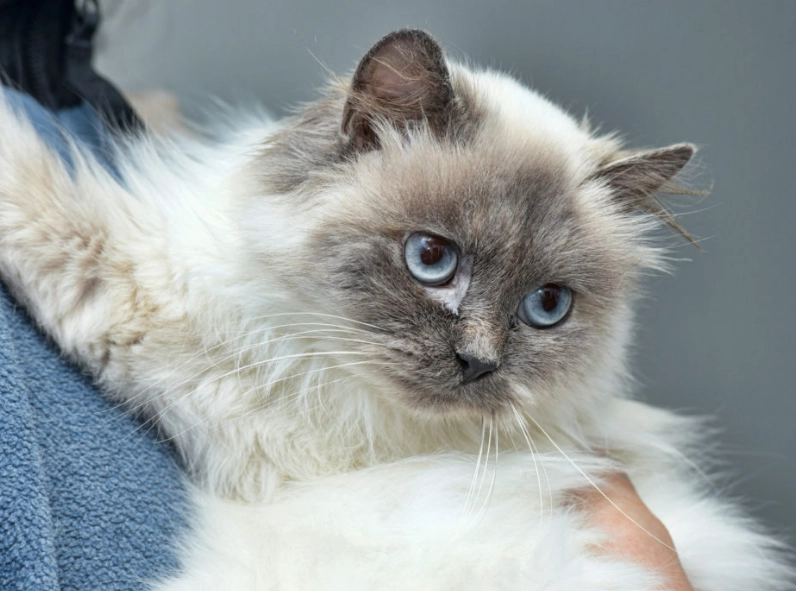
Questions for a Breeder:
- Can I see the PKD and HCM screening results for the parents?
- What is the facial structure of your lines? (Traditional vs. extreme flat face)
- Do you socialize the kittens in your home?
- What is your health guarantee?
Don't overlook rescues! Persian and Himalayan-specific rescues often get cats of all colors and patterns, including beautiful lynx points. These are often adult cats whose grooming needs became too much for their previous owners. Adopting an adult means you skip the crazy kitten phase and get a cat whose personality is already known. Check organizations like Persian Cat Rescue or regional purebred cat rescues.