Let's get one thing straight right away. When you search for "Egyptian cat white," you're probably picturing a sleek, spotted cat like an Egyptian Mau, but in a stunning, solid snow-white coat. It's a gorgeous mental image. But here's the reality check that many websites gloss over: a pure, solid white Egyptian Mau is incredibly rare and not recognized as a standard color by major cat registries like The International Cat Association (TICA) or the Cat Fanciers' Association (CFA). What most people find—or think they've found—is often something else entirely. This guide will cut through the confusion, explain the genetics behind white coats in Egyptian-type cats, show you how to identify the real deal, and give you the unvarnished truth about caring for one.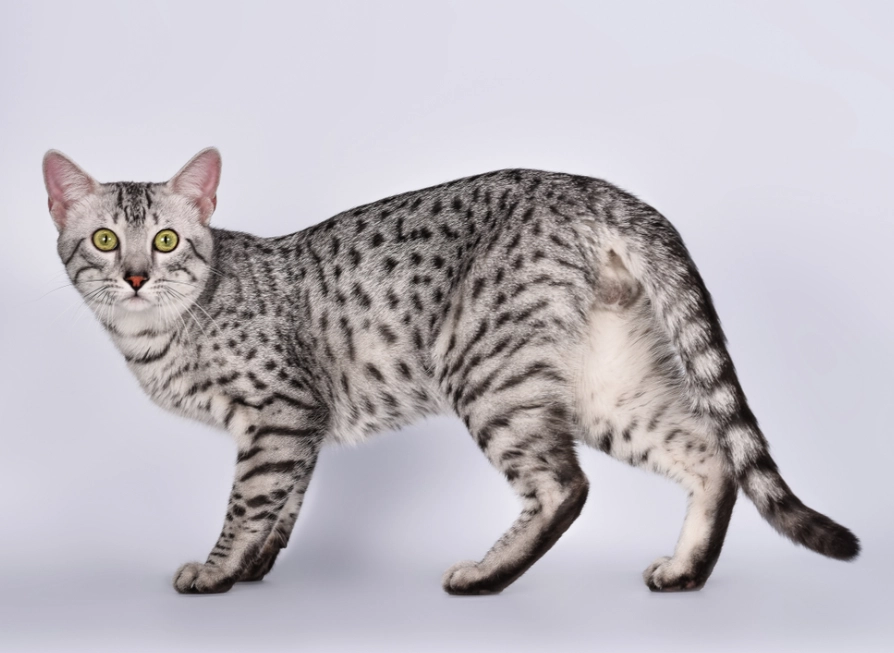
What’s Inside This Guide
What Exactly is an Egyptian Mau?
Before we talk color, you need to know the canvas. The Egyptian Mau is the only naturally spotted domestic cat breed. That means its spots aren't the result of later breeding with wild cats; they're in its DNA. The word "Mau" is ancient Egyptian for "cat." These cats are known for a distinctive "worried" expression, gooseberry-green eyes, and a graceful, muscular build. They're also famously fast.
The breed standard accepts specific colors: silver, bronze, smoke, and black (solid). The spots must be in sharp contrast to the background color. This is crucial. When you see a photo of a "white Mau," look closely. Is it truly solid white, or is it a very pale silver where the faintest tabby markings might be visible in certain light? That distinction is everything.
Does a White Egyptian Mau Actually Exist?
Officially, in the show ring, no. A solid white coat disqualifies an Egyptian Mau from championship status under TICA or CFA rules. However, genetics are messy and wonderful. Through rare genetic mutations or in non-pedigreed populations that resemble Maus, white cats with the Mau body type can occur.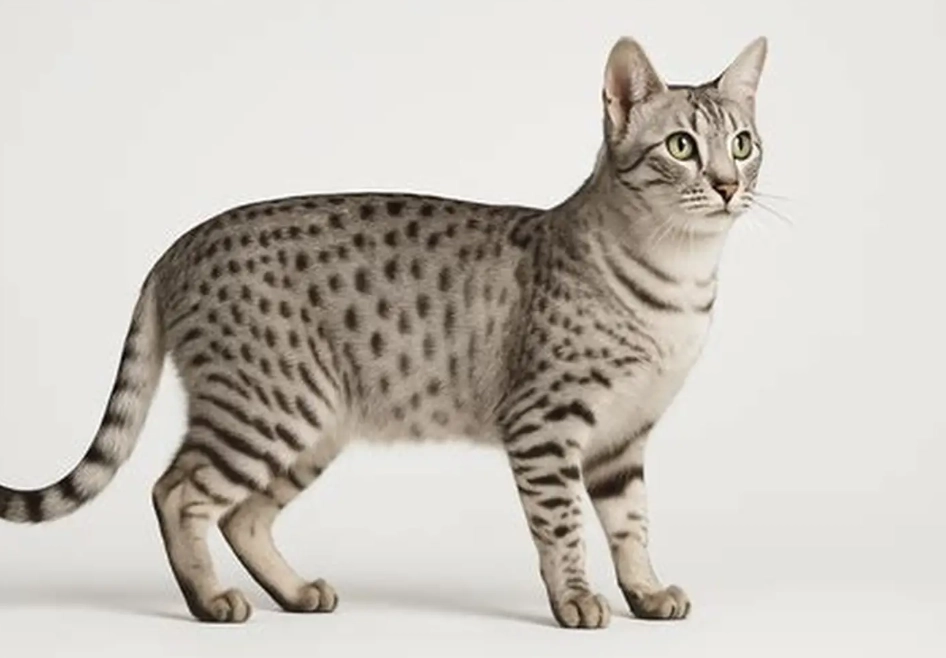
Most often, what's advertised as a "white Egyptian Mau" falls into one of three categories:
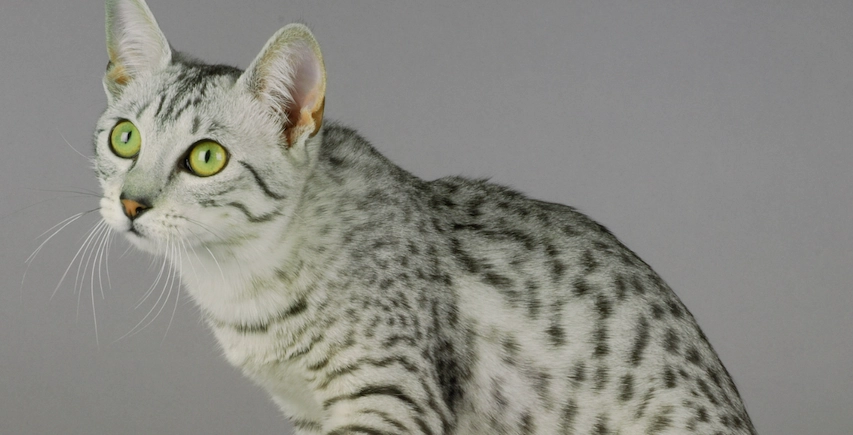
- A Very Light Silver Mau: In photos or poor lighting, a pale silver Mau can look white. But up close, you'll see the faintest ghost tabby markings and a pale gray undercoat.
- A Foreign White Oriental Shorthair: This is a common mix-up. Oriental Shorthairs come in solid white and have a similar sleek, foreign body type. But they lack the Mau's specific spot pattern, brow markings, and slightly less extreme facial structure.
- A Domestic Shorthair with Mau-like Qualities: Your standard amazing moggie can have spots and a graceful build. A white one might be called an "Egyptian cat" due to its appearance, but it lacks the pedigree and predictable traits.
Key Takeaway: If a breeder is charging premium prices for a "rare white Egyptian Mau," ask for pedigree papers registered with a major association. If they can't provide them, you're likely looking at a beautiful cat that is not a recognized Egyptian Mau.
The Genetics Behind a White Coat
To understand the rarity, let's dive into the science—simplified. White fur in cats is usually caused by one of two genes:
The Dominant White (W) Gene
This gene is a powerhouse. It masks all other color and pattern genes. A cat with one copy of this gene will be white, regardless of what its underlying genetics are for spots, tabby, etc. This gene is also linked to blue, green, or odd-eyed colors and a higher incidence of congenital deafness, especially in cats with blue eyes. If a white Mau-like cat exists, this gene is the most likely culprit.
The White Spotting (S) Gene
This gene creates bicolor patterns (tuxedo cats) or van patterns (color mostly on the head and tail). In its most extreme form, it can cover nearly the entire body in white, leaving just a tiny spot of color. This is less likely to produce a perfectly solid white cat.
For a registered Egyptian Mau breeder, introducing the dominant white gene intentionally would be counterproductive, as it would hide the prized spotted pattern they've worked for generations to perfect. This is why it's so rare in the breed.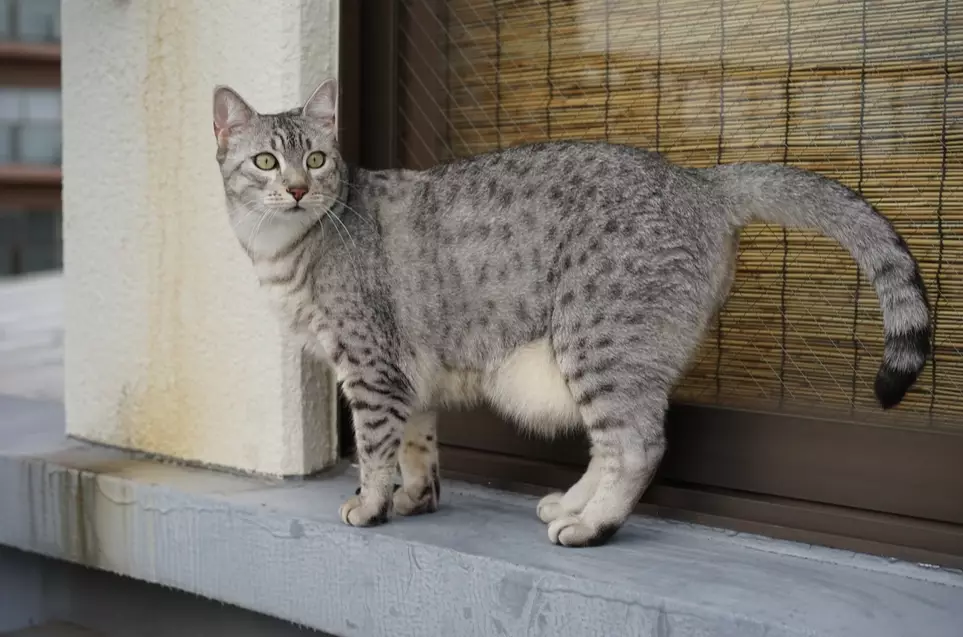
How to Spot a True "Egyptian Cat White"
Let's say you encounter a stunning white cat that claims Egyptian heritage. Here’s a practical checklist to assess what you're really looking at. I've based this on years of talking to breeders and seeing the confusion firsthand.
| Feature | Authentic Egyptian Mau (Non-White) | Potential "White Egyptian Cat" (Mau-Type) | Foreign White Oriental Shorthair |
|---|---|---|---|
| Coat Pattern | Clear, random spots. Distinct "M" on forehead. | Solid white. No visible spots or tabby markings. | Solid white. No spots. |
| Body Type | Moderate, muscular. Skin flap from flank to knee. | May resemble Mau structure if from Mau lines. | Extremely sleek, tubular, and slender. |
| Eyes | Gooseberry green only in adults. | Blue, green, gold, or odd-eyed. Deafness risk with blue. | Blue, green, or odd-eyed. Sapphire blue is common. |
| Head Shape | Slightly rounded wedge, not extreme. | Variable. | Long, triangular wedge with large ears. |
| Registration | TICA/CFA pedigree with known lineage. | Likely none, or registered as "experimental." | TICA/CFA pedigree as Oriental Shorthair. |
My personal rule? The papers don't lie. A cat's beauty is one thing; its documented genetics are another. If the breed and color are important to you, documentation is non-negotiable.
Special Care for a White Egyptian Cat
Assuming you have a white cat of Egyptian Mau descent or similar build, its care has specific nuances beyond standard cat care. The white coat is the main event here.
Sun Protection is Non-Negotiable
White and lightly pigmented cats are highly susceptible to sunburn and, consequently, squamous cell carcinoma (a type of skin cancer) on their ears, nose, and eyelids. This isn't a minor concern.
- Keep them indoors during peak sun hours (10 am - 4 pm).
- If they have outdoor access (in a secure catio, ideally), talk to your vet about pet-safe sunscreen. Never use human sunscreen containing zinc oxide, which is toxic if ingested.
- Provide plenty of shaded areas.
Deafness Awareness
The link between the dominant white gene, blue eyes, and deafness is well-established. If your white cat has blue eyes, have your vet perform a BAER (Brainstem Auditory Evoked Response) test to check hearing. A deaf cat can live a full, happy life but requires a safer indoor environment (no surprise approaches from behind) and different training cues (vibration, light signals).
Grooming and Stain Management
A white coat shows everything. Tear stains, dirt, and even a slight yellowing from licking can be visible.
- Regular wiping: Gently wipe the corner of the eyes daily with a soft, damp cloth to prevent tear stains.
- Diet matters: Sometimes, tear stains are related to diet. A high-quality diet with no artificial colors can help. Discuss with your vet.
- Bathing: You may need to bathe a white cat occasionally with a gentle, cat-specific whitening shampoo. This is a big deal for most cats, so start young and make it positive.
From Experience: I've cared for a white oriental-type cat. The single biggest hassle wasn't grooming—it was the constant vigilance about sun exposure. Every sunny window spot became a calculated risk. We ended up applying static-cling window film that blocked UV rays, which was a game-changer.
Your Questions Answered: FAQs & Myths Debunked
 Can a white Egyptian Mau be shown in competitions?
 In the end, the allure of the "Egyptian cat white" is powerful. It combines the mystique of an ancient breed with the striking beauty of a snow-white coat. Just go in with your eyes open. Understand the genetics, the breed standards, and the practicalities of care. Whether you find that mythical pure white Mau or fall for a white cat with a similar regal air, you'll be prepared to give them the informed, loving home they deserve.