If you've ever browsed a cat show catalog or scrolled through a breeder's website, you've probably seen terms like "Longhair" or "Natural." These aren't just random descriptors. They're part of a formal system used by major cat registries to organize the wonderful chaos of domestic cat breeds. Understanding these seven classifications is more than trivia—it's a practical tool that tells you a lot about a cat's grooming needs, personality tendencies, and even potential health considerations before you welcome one home.
Let's cut through the confusion. The seven groups are based primarily on physical characteristics and, to a lesser extent, perceived origin. The Cat Fanciers' Association (CFA) and The International Cat Association (TICA) are the big players here, and their systems are largely similar. We'll focus on the CFA model, as it's the most widely referenced.
What's Inside This Guide
What Are Cat Breed Classifications, Really?
Think of it like sorting books in a library. You could throw them all on one shelf, but it's useless. Instead, you group them by genre—mystery, biography, science fiction. Cat classifications work the same way. The system groups breeds that share fundamental physical traits, particularly coat type, body shape, and head structure.
This isn't about ranking one group as "better" than another. It's a functional taxonomy for shows, breeders, and enthusiasts. For you, the potential cat owner, it's a shortcut. Knowing a breed is in the "Longhair" group immediately signals a significant grooming commitment. A "Natural" breed classification often suggests a robust, less artificially manipulated constitution.
A quick note: These are breed classifications. Your wonderful domestic shorthair (DSH) or domestic longhair (DLH)—the adorable "mutts" of the cat world—don't fit into these official groups because they aren't a standardized breed. They're their own wonderful category, often combining traits from many groups.
The 7 Cat Breed Groups (With Examples)
Here they are, the seven official classifications. I've found that newcomers often get hung up on memorizing the list. Don't. Focus on understanding the logic behind each group. What common thread binds these breeds together?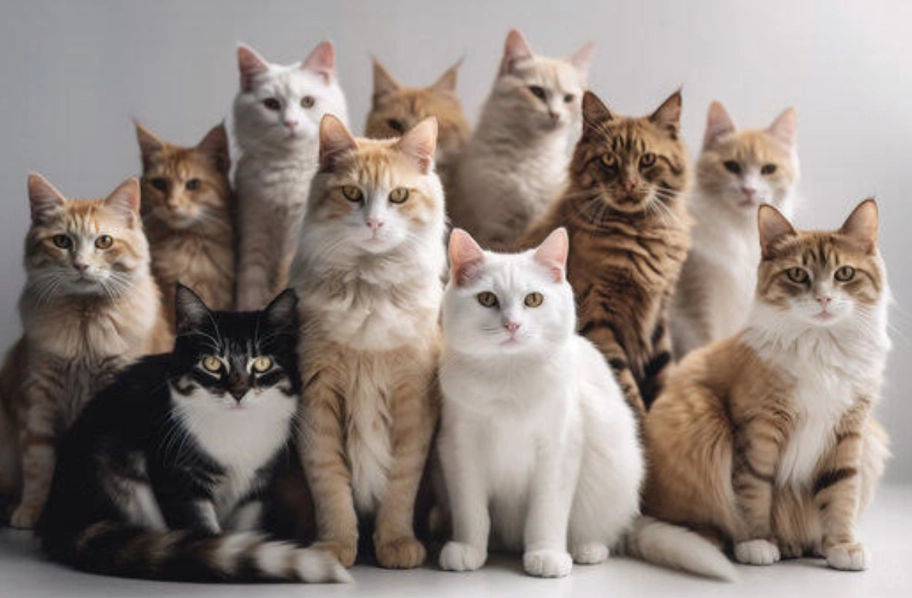
| Classification | Core Trait | Key Example Breeds | Good to Know |
|---|---|---|---|
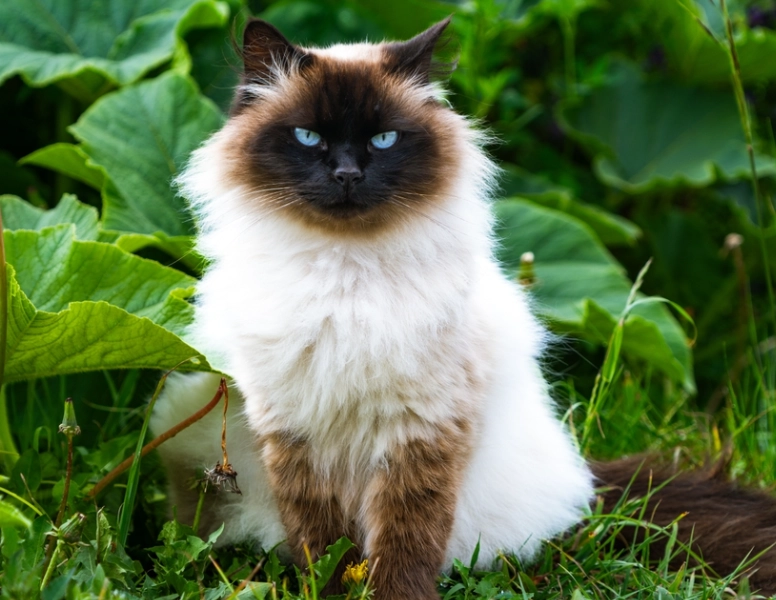
| 1. Longhair | Profuse, flowing double coat requiring daily grooming. | Persian, Himalayan, Birman | Not for the time-poor or allergy-prone. Matting is a real and painful risk. |
| 2. Semilonghair | Moderately long, silky coat with less dense undercoat. | Maine Coon, Norwegian Forest Cat, Ragdoll | Often more manageable than full Longhairs. Many are large, gentle "gentle giant" types. |
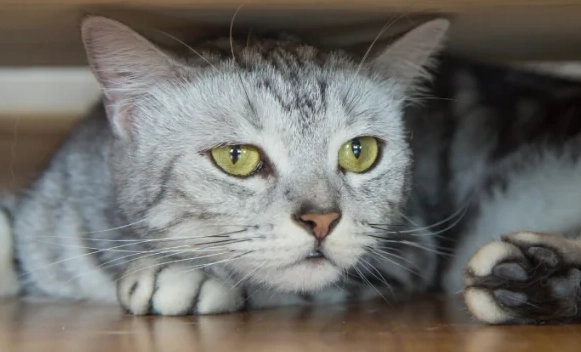
| 3. Shorthair | Short, close-lying, easy-care coat. | British Shorthair, American Shorthair, Exotic Shorthair | The largest and most diverse group. A great "starter" category for new owners. |
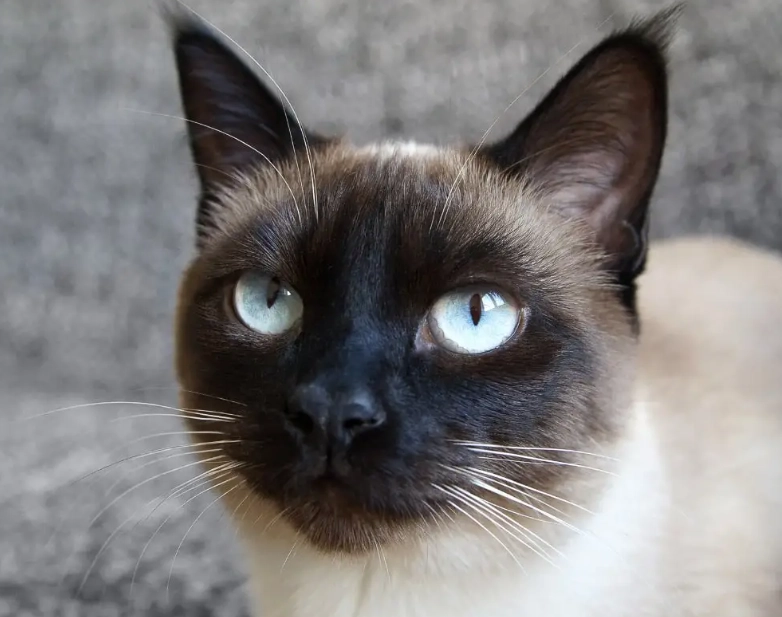
| 4. Oriental | Svelte body, large ears, wedge-shaped head, vocal personality. | Siamese, Oriental Shorthair, Balinese (longhair version) | Extroverted and chatty. They form intense bonds and demand interaction. |
| 5. Natural | Breeds that developed with minimal human selective breeding. | Abyssinian, Turkish Van, Japanese Bobtail | Tend to be active, intelligent, and retain strong "natural" instincts. Often very healthy. |
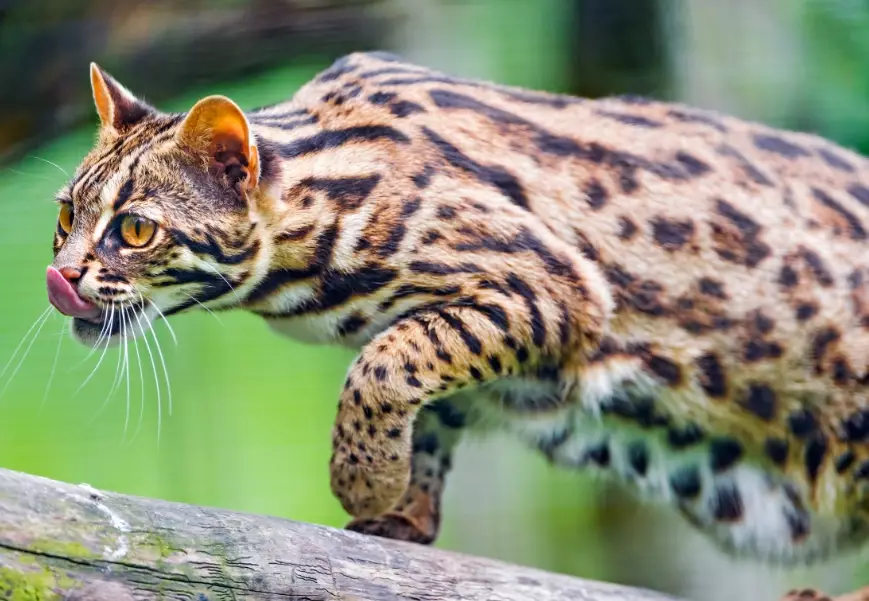
| 6. Spotted | Distinct spotted tabby pattern as a breed hallmark. | Egyptian Mau, Ocicat, Bengal | High-energy, playful, and need lots of engagement. The Bengal's wild ancestry adds specific needs. |
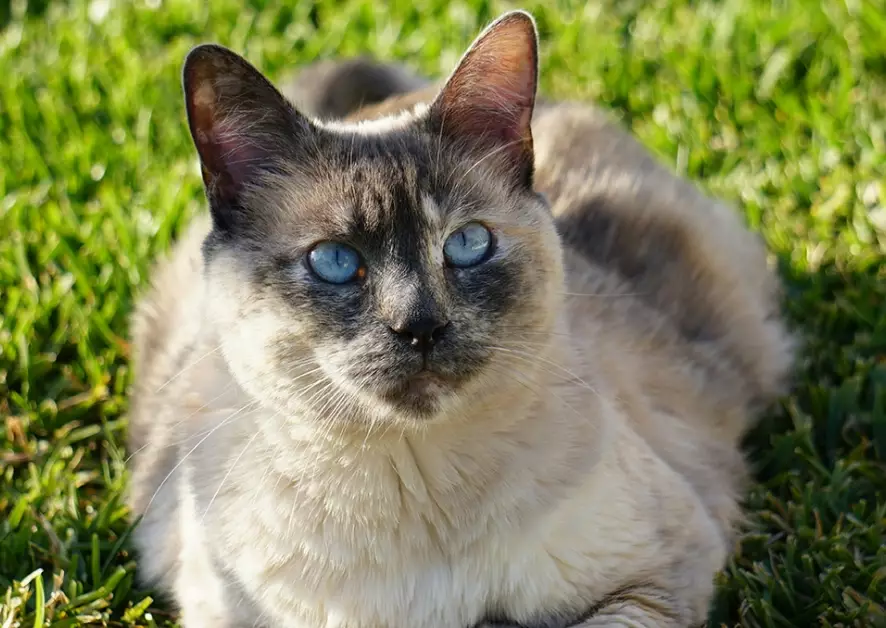
| 7. Pointed | Colorpoint pattern (dark extremities, lighter body). | Siamese, Ragdoll, Birman, Himalayan | The point gene is temperature-sensitive. Many pointed breeds overlap with other groups (e.g., Longhair). |
See how it works? The "Longhair" and "Shorthair" groups are mostly about maintenance. The "Oriental" group is about a specific body and personality type. The "Natural" and "Spotted" groups speak to origin and pattern.
One nuance beginners miss: some breeds appear in multiple tables. A Ragdoll is a Semilonghair by coat, but also a Pointed breed by color pattern. A Siamese is Oriental by body type and Pointed by color. The primary classification for shows is usually based on the most defining physical trait (coat length or body type).
How Are Cat Breeds Classified? It's Not Just Hair
While coat is the first filter, registries look at the whole package. Let's take the Oriental group. Yes, Siamese and Orientals have short hair (usually), but that's not why they're grouped. It's the combination of the elongated, tubular body, the triangular wedge of the head, the large, wide-set ears, and that famously loud, social personality. Put a British Shorthair (Shorthair group) next to an Oriental Shorthair, and you'll see they're different animals in build and demeanor, despite both having short coats.
The Natural group is fascinating. Breeds like the Abyssinian are thought to have ancient lineages or to have developed naturally in a specific region with little human design. They often have a "ticked" tabby coat (each hair has bands of color) and an athletic, curious nature. The classification acknowledges their historical, less-manipulated development.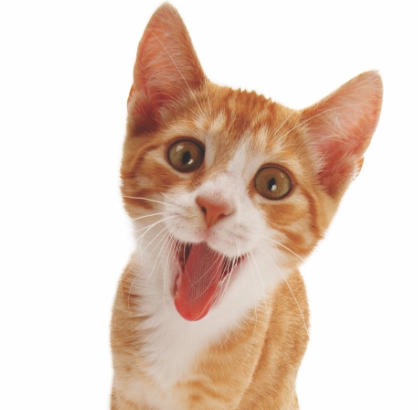
The Spotted group is the smallest and most specific. The spotted pattern is the non-negotiable entry ticket. But here's a tip many don't know: not all spotted cats are in this group. Only breeds where the spotted pattern is a primary and defining breed standard. A spotted Domestic Shorthair isn't a Spotted breed in this formal sense.
How to Use This Knowledge When Choosing a Cat
This isn't just for show-goers. Use these groups as a decision-making funnel.
Scenario: You're a busy professional in an apartment. You love cats but can't handle hours of grooming.
- Step 1: Eliminate by maintenance. The Longhair group is probably out. Semilonghair might be workable with weekly brushing, but daily is a stretch.
- Step 2: Consider energy and space. The Spotted and Natural groups are typically high-energy. A Bengal (Spotted) or Abyssinian (Natural) might go stir-crazy in a small space without massive playtime.
- Step 3: Factor in personality. Do you want a shadow who talks to you all day? Look at the Oriental group. Prefer a more independent, quiet companion? The Shorthair group, like a British Shorthair, might be perfect.
Your shortlist just got a lot shorter. You've likely narrowed it down to the Shorthair group or maybe a mellower Semilonghair like a Ragdoll. Now you can dive into researching specific breeds within those groups.
I always advise people to attend a cat show (check the CFA or TICA website for schedules). It's the best way to see all seven classifications under one roof, talk to breeders, and feel the difference between the plush coat of a Persian (Longhair) and the sleek pelt of an Egyptian Mau (Spotted).
Your Questions on Cat Classifications Answered
I live in a small apartment and work long hours. Which cat breed group should I avoid?
I'd be cautious with the Spotted and high-energy Natural breeds as a first choice. Breeds like Bengals, Ocicats, and Abyssinians are intelligent athletes. Without sufficient space and dedicated interactive play (think 30-45 minutes daily), they often invent their own destructive games. A bored, energetic cat in a small space is a recipe for shredded curtains. A more sedentary Shorthair or a calm Semilonghair like a Ragdoll is often a better fit for that lifestyle.
Are "Natural" breed cats healthier than others?
There's a common belief that less human intervention means better health, and there's some truth to it. Natural breeds like the Turkish Van or Japanese Bobtail often have robust genetic diversity and fewer of the extreme features that can cause problems. However, it's not a guarantee. Every breed, natural or not, can have predispositions. Abyssinians, for example, can be prone to a hereditary kidney issue. The key is to research the specific breed and choose a breeder who does comprehensive genetic health screening, regardless of the group.
My child wants a fluffy cat, but I'm worried about shedding. Is the Semilonghair group better than the Longhair group?
It can be, but it's not a simple yes. Shedding depends more on the undercoat than the length of the topcoat. Some Semilonghairs, like the Maine Coon, have a heavy undercoat and shed profusely, especially seasonally. A Longhair Persian has a incredibly dense coat that sheds too, but because it's so fine, it can form dust-bunny-like clumps rather than covering every surface in loose hair. The bigger issue with Longhairs is matting. If you skip daily brushing, their fur knots into painful mats close to the skin that often need to be shaved out. For a busy family, a Shorthair or a Semilonghair with a silky, single coat (less undercoat) like a Ragdoll might be a more manageable "fluffy" compromise.
Why is the "Pointed" group separate if it's just a color pattern?
It's a fair point. The Pointed group exists because the colorpoint pattern is governed by a specific temperature-sensitive albino gene, and it's a dominant feature in the breeds that have it. It's also a major focus for breeders who work with color and pattern. In practice, this group heavily overlaps with others. It's useful to know because pointed cats are born all white and develop their points as they cool down with age. Also, that same gene can sometimes be linked to slight cross-eyes or nystagmus (a wobble in the eyes) in some lines, something a good breeder works to avoid.
So, the seven classifications aren't just arbitrary boxes. They're a language developed by fanciers to make sense of feline diversity. Whether you're dreaming of a majestic Maine Coon (Semilonghair), a sleek Siamese (Oriental), or a spotted marvel like an Egyptian Mau, understanding which group they belong to gives you the first, crucial clue about the life they'll lead and the care they'll need. It turns a daunting list of 50+ breeds into a manageable map, guiding you toward the feline friend that truly fits your world.