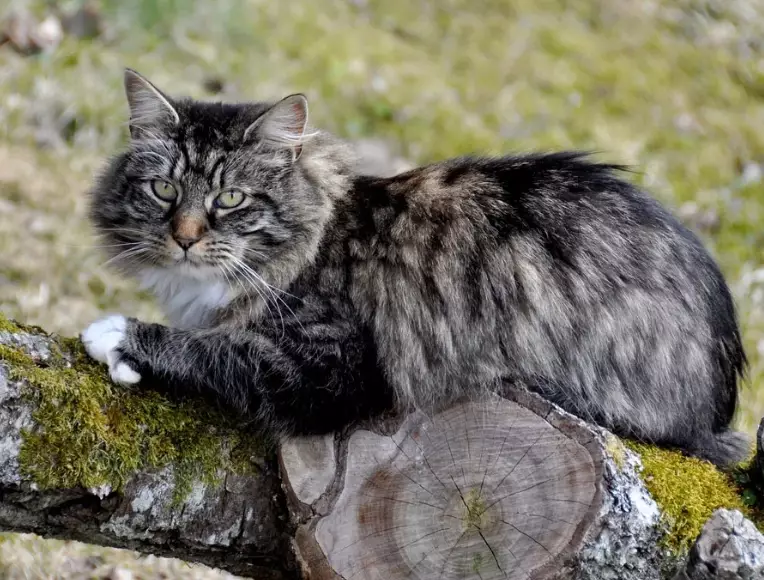
You see that cat across the street, the one with the swirling grey stripes and that classic "M" on its forehead. It's beautiful. And a question pops into your head: Are grey tabby cats rare? Maybe you're thinking of adopting one, or perhaps you already have a grey tabby purring on your lap and you're wondering if your feline friend is something special. The short, direct answer is no, the grey tabby pattern itself is not rare. In fact, it's one of the most common coat patterns in the domestic cat world. But that's just the start of the story. The real intrigue lies in the why, the genetics behind it, and the specific situations where a grey tabby can become a standout.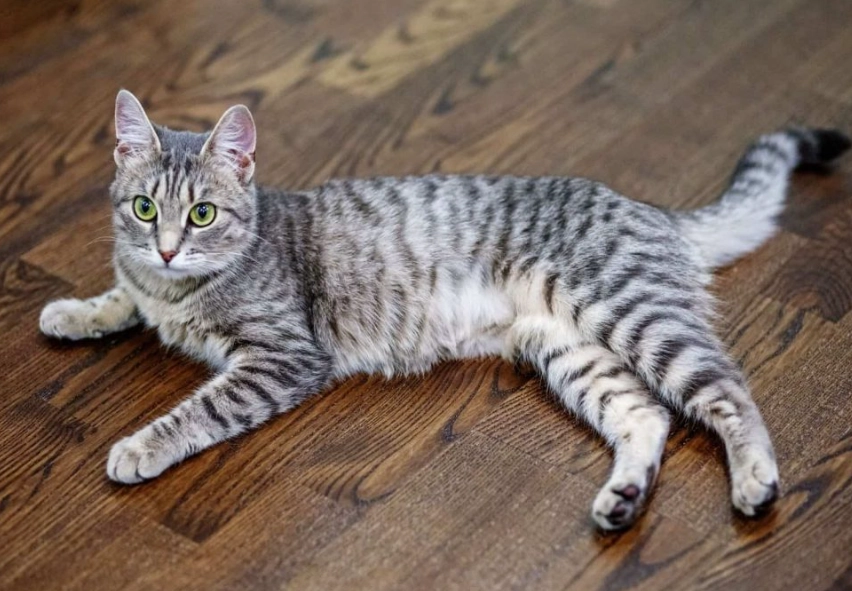
What's Inside?
What Exactly is a "Grey Tabby" Anyway?
Let's clear up a major point of confusion first. "Grey tabby" isn't a breed. It's a description of a coat color and pattern. You're actually talking about two separate things combined:
- Grey (or Blue): This is the color. In cat fancy terms, what we commonly call grey is often referred to as "blue." It's a dilution of black fur.
- Tabby: This is the pattern. It's the stripes, swirls, spots, or ticking. All cats genetically carry a tabby pattern; it's just more visible on some than others. The classic "M" on the forehead is a universal tabby marker.
So, a "grey tabby" is any cat with a diluted black (grey) coat that clearly shows its tabby patterning. This combination is incredibly widespread in the general domestic cat population, often called Domestic Shorthairs (DSH) or Domestic Longhairs (DLH). Walk into almost any animal shelter, and you'll likely see a few grey tabbies looking for homes. I've volunteered at my local rescue for years, and the intake sheets are rarely without a "grey DSH tabby."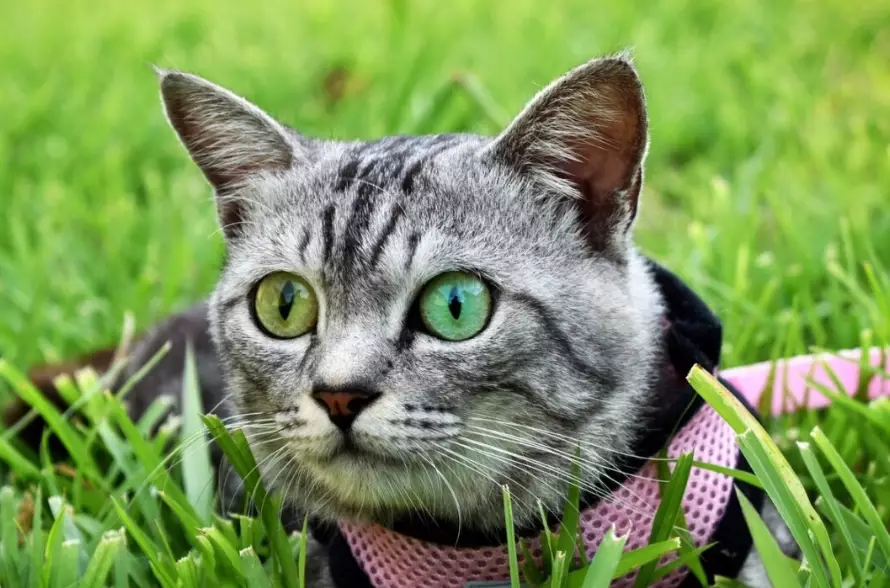
Key Takeaway: The grey tabby pattern is common because both the grey (dilute) gene and the tabby pattern gene are very common in the general, mixed-breed cat gene pool. It's a classic, functional, and beautiful look that nature has perfected.
The Genetics Behind the Coat: Why Grey Tabby is So Common
To understand why you see so many grey tabbies, you need a quick, painless lesson in cat coat genetics. Don't worry, we'll skip the complex charts.
Think of it like this: a cat's fur color and pattern are determined by a set of switches (genes).
- The Tabby Switch: The agouti gene controls whether the tabby pattern is visible. The dominant form (A) says "show the stripes." The recessive form (a) says "hide them," resulting in a solid-colored cat (like a solid black cat, who still has hidden tabby stripes under there!). The "show stripes" version is more common.
- The Color Dilution Switch: The dilute gene takes a dense color like black and waters it down. The dominant form (D) gives full color (black). The recessive form (d) gives the diluted version (grey/blue). This recessive dilute gene is also very common.
When a cat inherits the common "show stripes" gene and two copies of the common "dilute" gene (one from each parent), you get a grey tabby. It's simple math with common ingredients. This is why in the vast, random-breeding world of stray and community cats, grey tabbies appear frequently.
There's a misconception that "tabby" refers only to brown or orange cats. That's just because the pattern is super obvious on those colors. But the tabby blueprint is in almost every cat.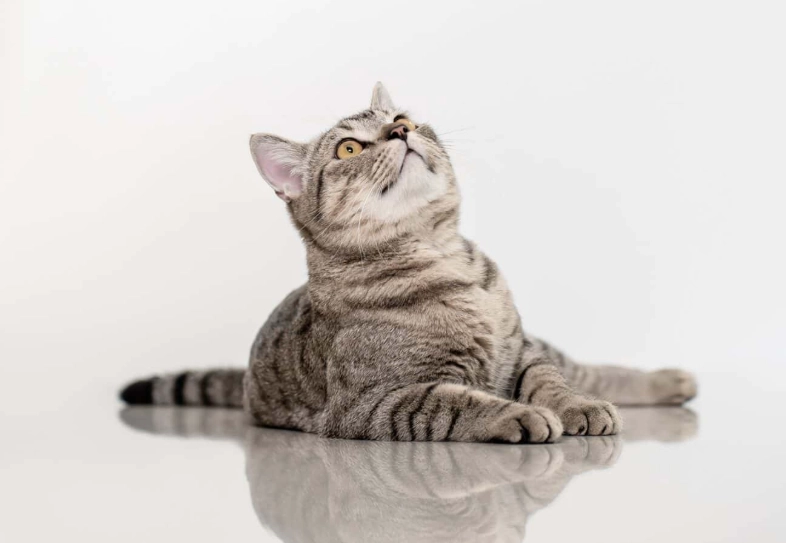
When Grey Tabby IS Rare: It's All About the Breed
Here's where the answer gets interesting. While grey tabby is common in the general cat population, its rarity skyrockets when you look at specific, purebred cats. Breed standards are picky. Some breeds have never had the dilute gene in their closed gene pool, or their breed clubs simply don't accept that color for showing.
If you're looking for a purebred cat and want a grey tabby, you'll have a much harder time. In some breeds, it's nearly impossible.
Let's break it down with a comparison. The following table shows how the "rarity" of a grey tabby coat changes dramatically depending on the context.
| Context / Breed | Grey Tabby Rarity Level | Explanation & Notes |
|---|---|---|
| Domestic Shorthair (Mixed Breed) | Very Common | The classic "moggy." Grey tabby is one of the most frequent coat patterns seen in shelters and neighborhoods worldwide. |
| British Shorthair | Recognized & Popular | The British Blue is famous, and the blue (grey) tabby is a well-established and sought-after color variant in this breed. |
| Maine Coon | Recognized but Less Common | Grey tabby Maine Coons exist and are stunning, but brown tabby and red tabby are more iconic and frequently seen. |
| Scottish Fold | Recognized | Since many Scottish Folds are outcrossed with British Shorthairs, the grey tabby pattern is accepted and can be found. |
| Siamese, Oriental Shorthair | Extremely Rare / Not Permitted | These breeds are based on a color-point pattern and the cs gene. A true tabby pattern (let alone a grey one) is not part of the breed standard. You might see "tabby points" (lynx points), but not a full grey tabby coat. |
| Russian Blue | Impossible for Show | The breed standard calls for a solid blue (grey) coat with no tabby markings. Any visible stripes (called "ghost striping," common in kittens) is a fault in adults. A true tabby Russian Blue wouldn't be a purebred according to standards. |
| Korat, Chartreux | Impossible for Show | Like the Russian Blue, these are solid blue-grey breeds. Tabby markings are not allowed in the show ring. |
See the difference? A grey tabby Domestic Shorthair is everyday. A grey tabby Russian Blue is a genetic contradiction. This is the nuance most quick answers miss.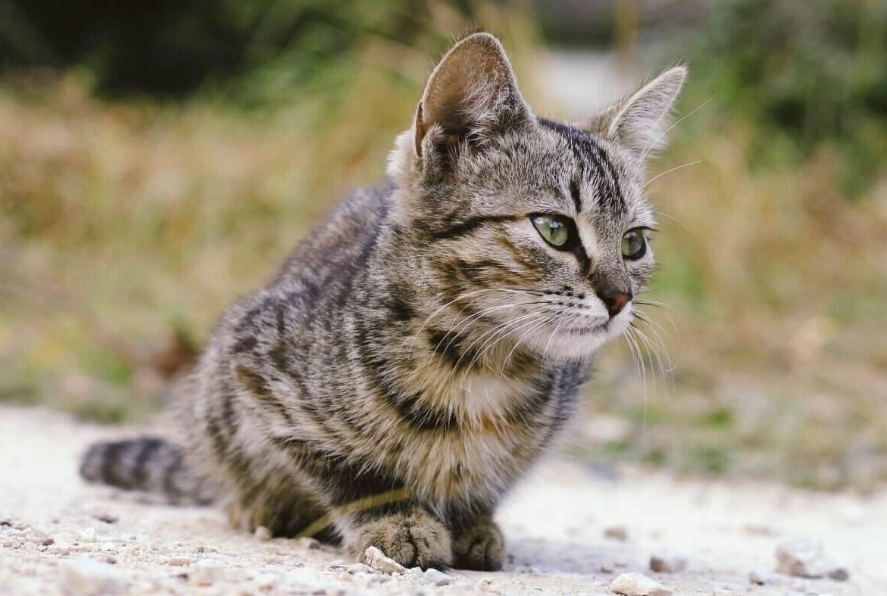
I remember talking to a Persian breeder once who was baffled by someone asking for a grey tabby Persian. "They exist," she said, "but you're looking for a needle in a haystack. Most people wanting a Persian want the solid colors or the Himalayans. The tabbies, especially grey ones, are a niche within a niche." That breeder might only have a litter with that pattern once every few years.
Finding and Adopting a Grey Tabby Cat
If you've fallen in love with the look and want to bring a grey tabby into your home, your path is straightforward—and you'll likely be saving a life.
- Your Local Animal Shelter or Rescue: This is ground zero. Visit in person or check their online listings. Use search terms like "grey tabby," "blue tabby," or simply "tabby." I can almost guarantee they will have candidates. Adult grey tabbies are often overlooked in favor of kittens, but they make incredibly loving and settled pets.
- Breed-Specific Rescue: If you have your heart set on a specific breed and a grey tabby pattern (like a British Shorthair), search for breed-specific rescues. It will be harder, but not impossible, and you're still adopting.
- Reputable Breeder (For Purebreds): Only go this route if you are committed to a specific breed. Be prepared to wait, possibly for a long time. Ask the breeder directly about the likelihood of a grey tabby in their breeding plans. A good breeder will be honest about the odds.
A personal note: My first cat as an adult was a grey classic tabby Domestic Shorthair named Jasper. I found him at the county shelter. He wasn't "rare," but he was one in a million to me—affectionate, chatty, and with a purr that could power a small town. His common coat hid an utterly unique personality.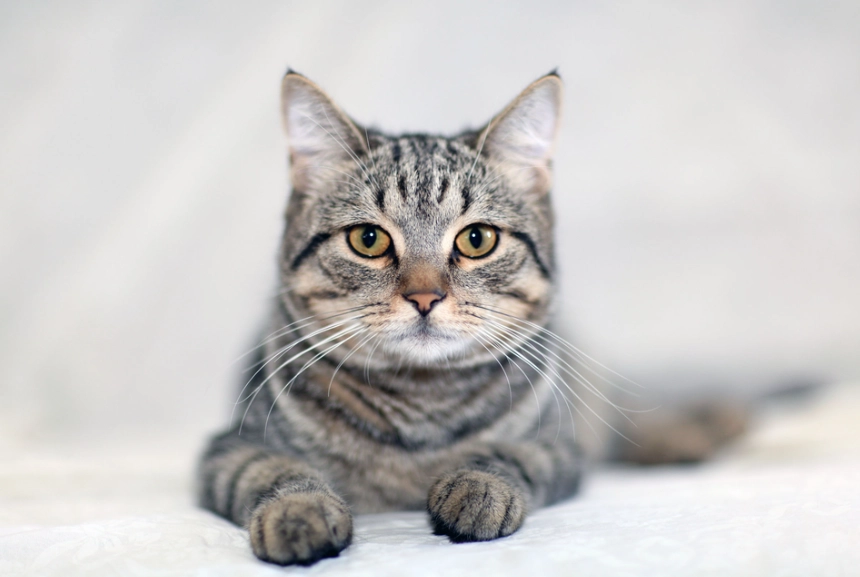
Your Grey Tabby Questions, Answered
I just adopted a grey tabby from the shelter. Does his common coat mean he's less special?
Not at all. A cat's value has zero to do with the rarity of its fur. Grey tabbies from shelters are the backbone of the cat-loving world. They are often incredibly healthy, have robust genetics from mixed ancestry, and possess every bit of the intelligence, affection, and quirkiness as any purebred. Your cat's "specialness" is in his personality, his bond with you, and the life you give him. The common coat is just a beautiful, classic wrapper.
My kitten is a grey tabby, but the breeder says she's a "rare silver tabby." What's the difference?
This is a crucial distinction. A "grey" or "blue" tabby has a cool, grey background color with darker grey/black stripes. A "silver" tabby has a pure, pale white to bright silver background with solid black stripes. It's caused by the inhibitor gene (I), which removes the warm yellow/brown pigments from the background fur. True silver tabbies, especially in patterns like "silver classic tabby," are significantly rarer than standard grey tabbies. A breeder charging a premium for a "silver" should be able to explain the genetics and show pedigree papers.
Are male grey tabbies more common than females?
For the most common type of grey tabby (the non-purebred kind), there's no significant gender bias linked to the color. You'll find plenty of both. However, if you stumble upon an orange tabby (often called ginger or marmalade), those are much more likely to be male due to the sex-linked gene for orange fur. But for grey? It's a pretty even split.
What's the biggest mistake people make when thinking about grey tabby rarity?
They confuse pattern commonality with individual value. They think, "This is a common cat, so it must be ordinary." It's a huge mistake. Every cat, common coat or not, is a complex individual. The common grey tabby you adopt has survived, adapted, and ended up with you. That's an extraordinary story, not a common one. Focusing solely on coat rarity misses the entire point of sharing your life with an animal.
Do grey tabbies have a specific personality?
Coat color does not determine personality. This is a persistent myth. A grey tabby's temperament will be shaped by its genetics (especially if it's a specific breed), its early socialization, and its individual experiences. I've met shy grey tabbies, bossy grey tabbies, and lap-addicted grey tabbies. Look at the cat in front of you, not the color of its fur, to gauge its personality.
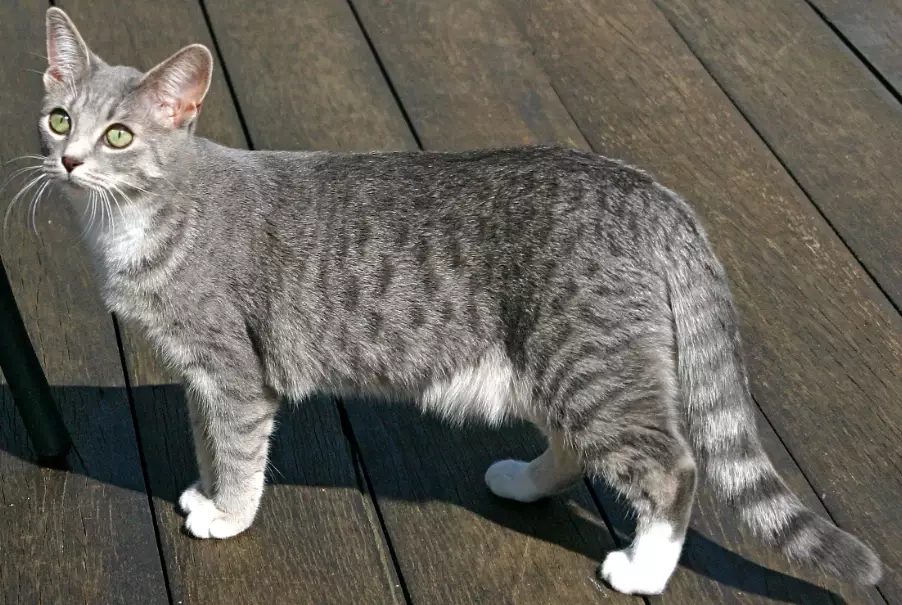 So, are grey tabbies rare? As a pattern in the wider world of cats, absolutely not. It's a testament to a successful and beautiful genetic combination. But within the confines of specific purebred standards, it can range from popular to impossible. The final truth is this: rarity is a poor measure of worth. The graceful, swirling stripes of a grey tabby, common as they may be, decorate some of the most wonderful and unique feline companions on the planet. Your search for one, whether in a shelter or from a breeder, is less about finding a rare treasure and more about finding a perfect friend.