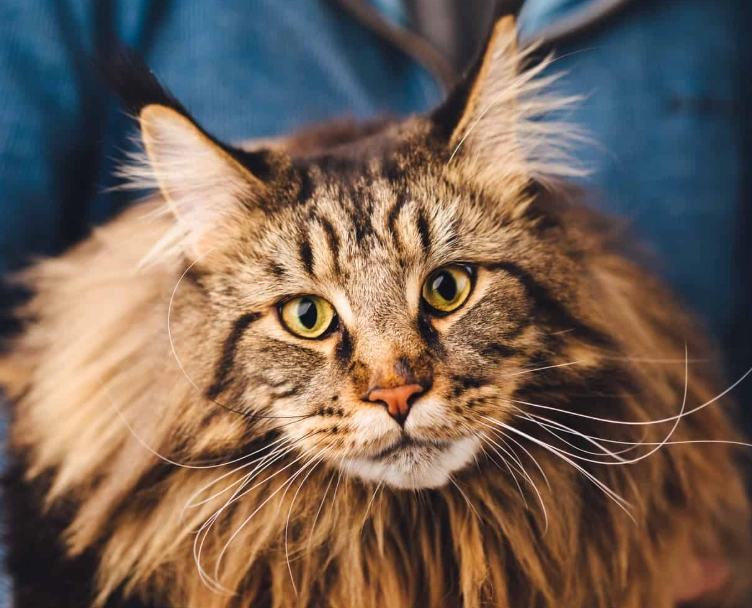
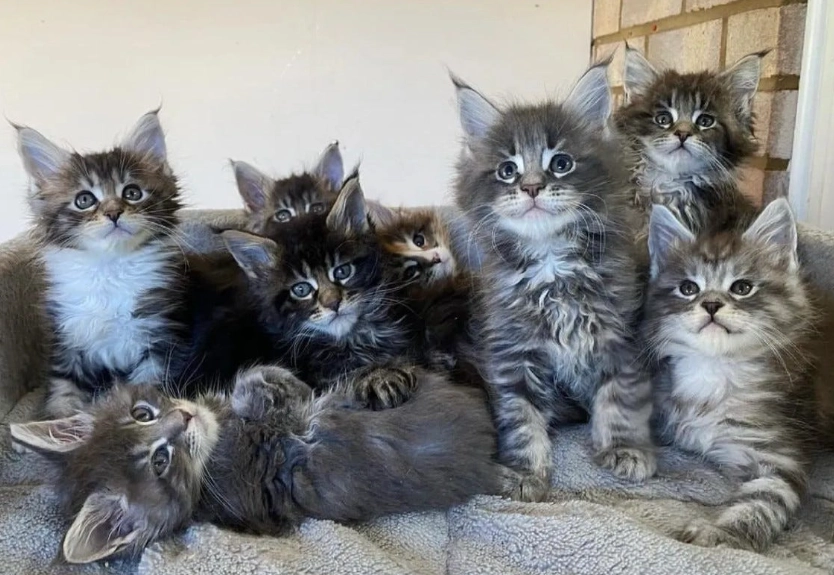
You're scrolling through photos of Somali cats, mesmerized by that incredible ruff and fox-like tail, and then the question hits you. They look so energetic, so... intense. Are Somali cats aggressive? It's a fair worry, especially if you have kids or other pets. Let me cut to the chase: labeling the entire Somali breed as "aggressive" is a massive oversimplation, and frankly, it does these clever, affectionate cats a disservice. The short answer is no, they are not inherently aggressive. But the long answer—the one that actually matters if you're thinking of bringing one home—is about understanding a high-voltage personality that's often mistaken for aggression.
I've been around cats my whole life, worked with breeders, and helped owners untangle behavioral puzzles. The most common complaint I hear about Somalis isn't aggression; it's a frustrated owner saying, "He won't stop!" The energy, the chatter, the midnight zoomies—it can feel overwhelming if you're not prepared. That's not aggression; that's a Somali cat being a Somali cat.
What You'll Discover in This Guide
Understanding the Somali Cat Temperament: Friendly Fox or Foe?
Forget the stereotype. According to the International Cat Association (TICA) breed standard, the Somali is described as alert, active, and affectionate. Let's break that down from an owner's perspective.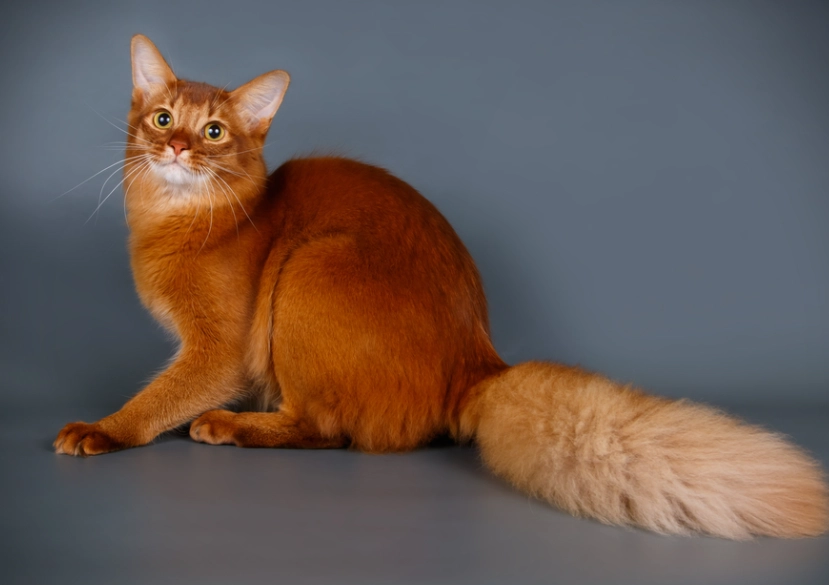
Think of them as the extroverts of the cat world. They want to be where you are, involved in what you're doing. Unpacking groceries? They're supervising. Working on your laptop? Their paw is on your keyboard. This isn't aggression; it's intense curiosity and a deep-seated need for social connection. They form very strong bonds with their people.
They're also incredibly playful—and this playfulness lasts well into adulthood, unlike some breeds that mellow out. A bored Somali is a recipe for mischief. That "aggressive" pounce on your ankle as you walk by? Nine times out of ten, it's an invitation to play, executed with the subtlety of a freight train because they haven't learned better manners.
Why a Somali Cat Might Seem Aggressive (And What It Really Is)
This is where most owners get tripped up. You see a behavior that looks aggressive, but the motivation is completely different. Let's decode the most common scenarios.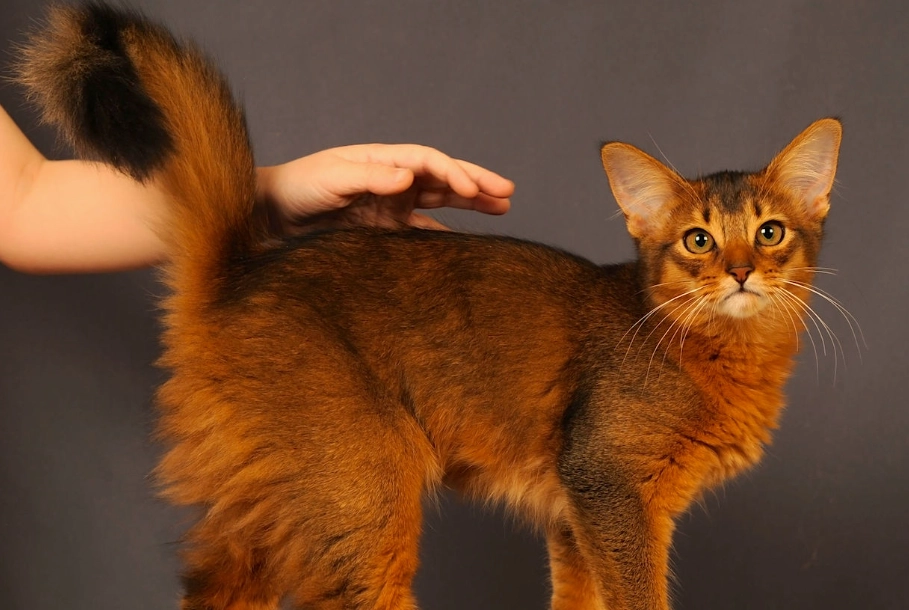
1. Play That's Too Rough
This is the number one culprit. Somalis have a high prey drive and boundless energy. If they weren't taught proper bite inhibition as kittens or if they don't have enough appropriate outlets, they'll use your hands, feet, or the other cat as prey substitutes. The biting, bunny-kicking, and chasing can look vicious, but it's play gone wrong. I've seen owners accidentally reinforce this by using their hands as toys when the cat is a kitten.
2. The Boredom Factor
A Somali left alone for 10 hours with nothing to do is a Somali planning its masterpiece of chaos. Destructive scratching, relentless meowing, knocking things off shelves—these aren't acts of aggression. They're cries for stimulation. It's the feline equivalent of a toddler throwing a tantrum because they're under-stimulated.
3. Overstimulation or Fear
Even the most social cat has limits. Too much petting (especially on the belly), a sudden loud noise, or an unfamiliar guest can lead to a quick, defensive swat or bite. This is a clear "I've had enough" or "I'm scared" signal, not unprovoked aggression. Learning your cat's subtle body language—twitching tail, flattened ears, skin rippling—is crucial.
4. Underlying Medical Issues
Never rule this out. A sudden change in behavior, including irritability or uncharacteristic biting, can be a sign of pain. Dental issues, arthritis, or infections can make the sweetest cat lash out. Your first stop with any new "aggressive" behavior should always be the vet.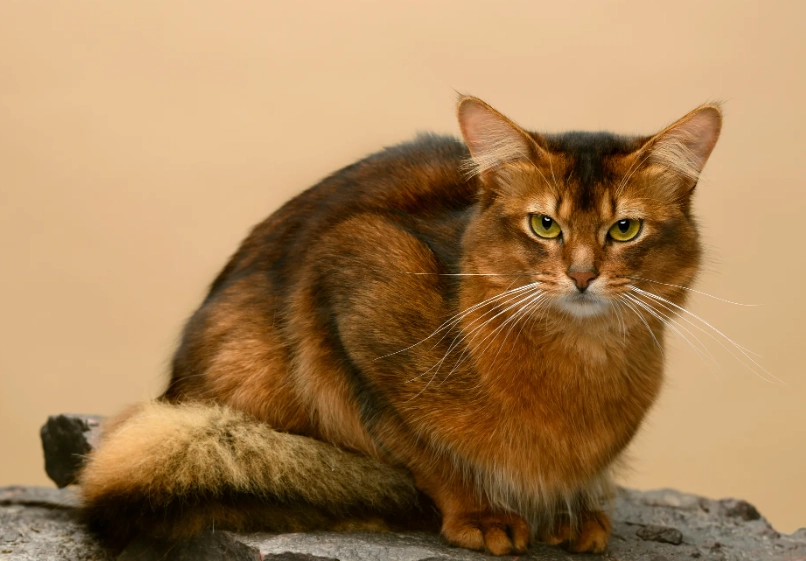
| What Looks Like Aggression | What It Usually Is | Immediate Action |
|---|---|---|
| Biting your hand during petting | Overstimulation or play solicitation | Stop interaction immediately. Use a toy for play. |
| Chasing and ambushing other pets | Inappropriate play / high prey drive | Redirect to a feather wand or laser pointer. |
| Hissing/growling at visitors | Fear or territorial anxiety | Provide a safe hiding space; don't force interaction. |
| Sudden, unprovoked attacks | Possible medical issue or severe stress | Schedule a veterinary checkup immediately. |
How to Prevent Unwanted Behavior in Somali Cats?
Prevention is everything. Setting up your home and routine for success from day one is easier than fixing problems later. It's not about suppressing their nature; it's about channeling it.
Mental & Physical Exercise is Non-Negotiable. Two 15-minute interactive play sessions per day are the bare minimum. Think feather wands, treat puzzles, and laser pointers (always end with a physical treat to avoid frustration). A cat tree by a window is a must—it's a gym and TV in one.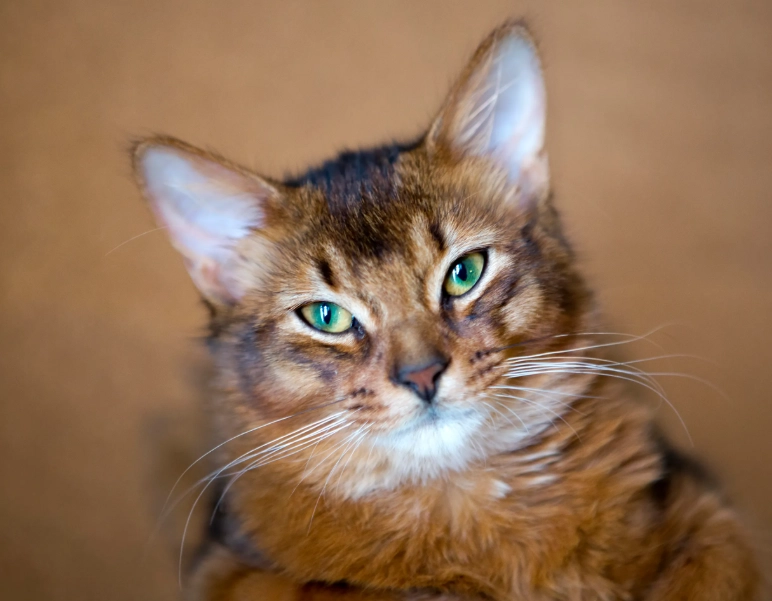
Never Use Hands as Toys. This is the golden rule. From kittenhood, if teeth or claws touch skin, play stops. Say "ouch!" in a high-pitched voice, freeze, and walk away. Redirect to a kicker toy or a stuffed animal they can bunny-kick to their heart's content.
Create a Predictable Environment. Somalis are smart and do well with routine. Consistent feeding, play, and quiet times help them feel secure. Food puzzles can turn mealtime into a stimulating hunt, tiring them out mentally.
I remember consulting for a family who thought their young Somali was "aggressively attacking" their older, placid Ragdoll at 5 AM every day. We simply installed a timed feeder that dispensed a small portion of kibble at 4:45 AM. The Somali started waiting by the feeder instead of using his brother as an alarm clock. Problem solved. It wasn't aggression; it was hunger-fueled boredom.
The Importance of Early Socialization
This is the secret sauce that many casual articles overlook. A well-socialized Somali kitten is a world apart from one that wasn't. Socialization isn't just about meeting people; it's about positive exposure to various experiences: different floor textures, vacuum cleaner noises, gentle handling of paws and mouth, meeting friendly dogs, etc.
A reputable breeder will start this process. When you visit, you should see kittens out and about, comfortable with human interaction. Ask the breeder about their socialization practices. This early foundation makes them adaptable, confident adults who are less likely to react fearfully (which can look like aggression) to new situations.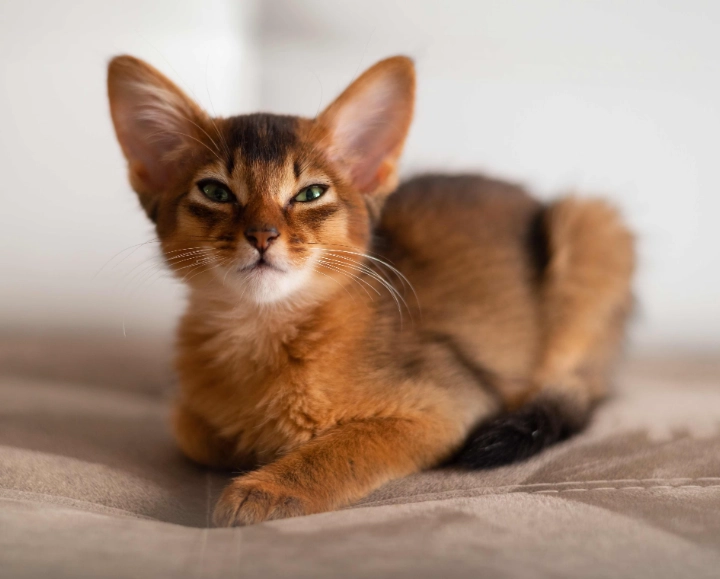
Are Somali Cats Good with Children and Other Pets?
With proper introductions and management, yes, absolutely. Their playful nature can be a great match for respectful, older children. However, their low tolerance for tail-pulling or rough handling means they're not ideal for very young toddlers. They'll simply remove themselves from the situation if they can, or they might give a warning swat if cornered.
With other pets, the high energy is the main consideration. They often do best with another active cat or a dog that respects cats. The key is slow, controlled introductions and ensuring the Somali doesn't constantly pester a more sedentary pet—that's where the play aggression misunderstanding can crop up between animals.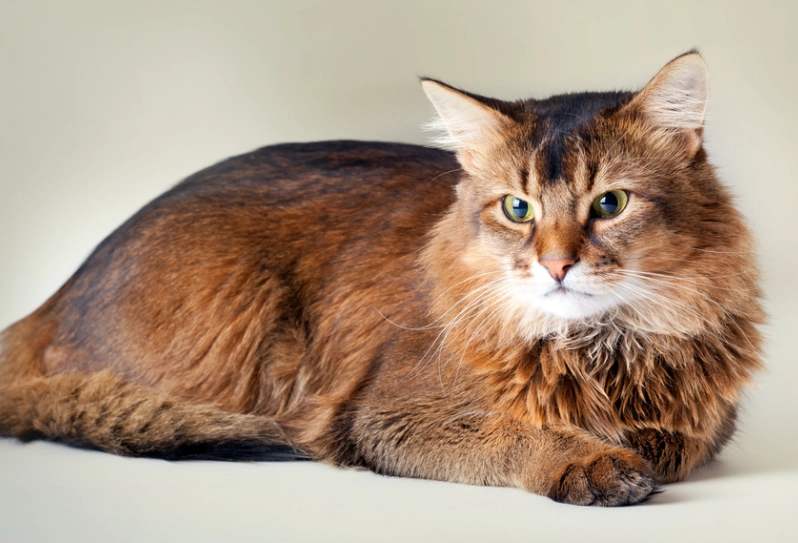
Your Somali Cat Behavior Questions, Answered
My Somali cat bites my ankles when I walk. Is this aggression?
Almost certainly not. This is classic predatory play behavior. Your moving ankles trigger their chase instinct. Keep a stash of small, throwable toys (like ping-pong balls or soft pom-poms) in strategic spots. The moment they crouch to pounce, toss the toy in the opposite direction. They'll learn that toys are for chasing, not ankles. Also, increase their scheduled play sessions to burn off that excess energy.
How can I tell if my Somali's hissing is fear or true aggression?
Context is everything. Fear-based hissing is defensive—they're backed into a corner, there's a new person/animal, or they're startled. Their body will be crouched, ears back, trying to look smaller. "True" aggression (which is rare and usually territorial or pain-related) is more offensive. The cat may be standing tall, ears forward or sideways, staring down the threat, and the hiss is a warning before an attack. In either case, the solution is never to punish. For fear, remove the threat or give them an escape route. For offensive posturing, consult a vet and then a certified cat behaviorist.
My cat is very vocal and follows me around meowing constantly. Is this a sign of anxiety or aggression?
Welcome to life with a Somali! This is typical for the breed. They are famously vocal and use chirps, meows, and trills to communicate. Constant following and chatting is usually a sign of bonding and curiosity, not anxiety or aggression. They want to be part of the action. However, if the meowing becomes incessant and distressed-sounding, especially around feeding time or litter box use, it's worth a vet check to rule out underlying issues like hyperthyroidism, which is common in older cats.
What's the one mistake new Somali owners make that leads to behavior problems?
Underestimating their need for structured play. People get a cute kitten, play with it sporadically, and then wonder why their adult cat is "aggressively" attacking curtains at 3 AM. Somalis need predictable, engaging play that simulates the hunt (stalk, chase, pounce, kill). Without that outlet, all that innate energy has to go somewhere—and that's when your furniture, your ankles, or your other pet becomes the target. It's not malice; it's physics.
So, are Somali cats aggressive? The myth needs busting. They are a high-energy, intelligent, and deeply social breed that requires an engaged owner. What looks like aggression is almost always a communication gap—a cat speaking its native language of play and curiosity to an owner who hasn't yet learned to listen. Provide the right environment, respect their intelligence, and channel their energy, and you'll be rewarded with a loyal, entertaining, and wonderfully affectionate companion who is about as far from truly aggressive as a cat can be.