Blue cats are a fascinating topic in the feline world, but how rare are they really? As someone who's bred cats for over a decade, I've seen the hype and the reality. Let's cut to the chase: blue cats aren't mythical creatures, but their rarity depends heavily on breed, genetics, and pure luck. In this guide, I'll break down everything from what "blue" means in cat terms to why finding one can feel like searching for a needle in a haystack.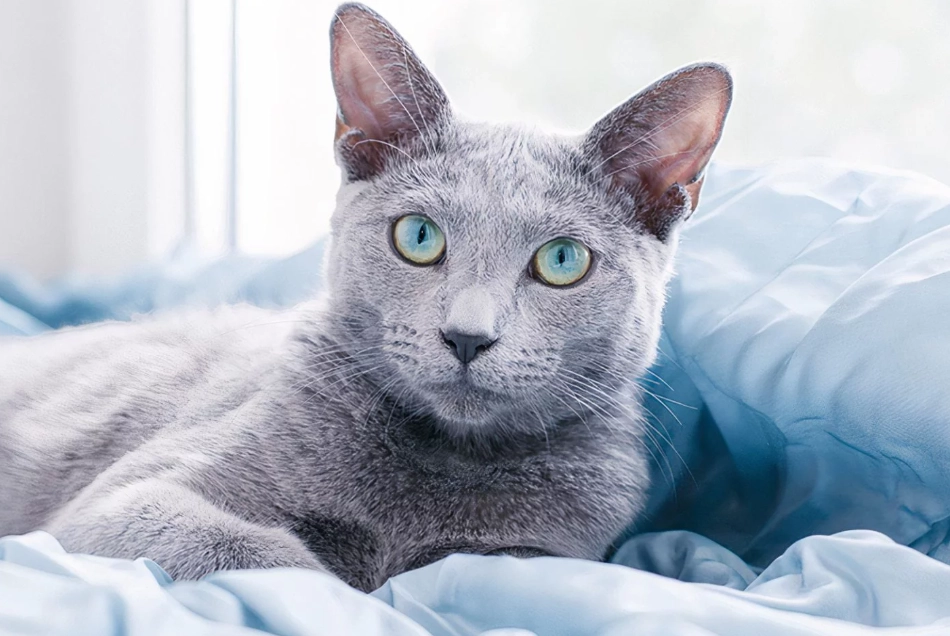
Jump to What Matters
What Makes a Cat 'Blue' Anyway?
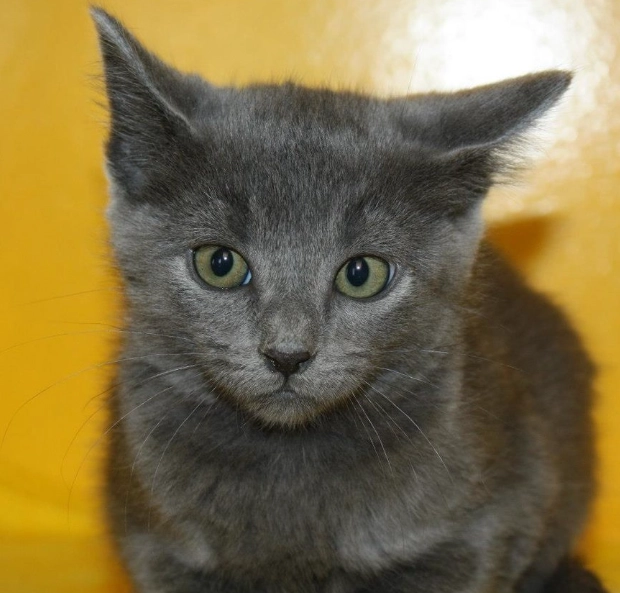
First off, when cat people say "blue," they're not talking about a Smurf-like hue. It's a specific coat color—a diluted black that appears as a uniform slate-gray with a bluish tint under light. This isn't just gray; it's a genetic outcome that gives the fur a cool, almost metallic sheen. I remember a client once brought in a cat they thought was blue, but it turned out to be a standard gray tabby. The difference? Blue cats have that subtle silver tipping and often green or copper eyes that pop against the coat.
The term comes from cat fancy associations like the Cat Fanciers' Association (CFA), which standardizes colors for shows. If you're browsing pet listings, "blue" might be used loosely, but in pedigrees, it's a precise classification. This confusion adds to the perceived rarity—many cats labeled blue online aren't the real deal.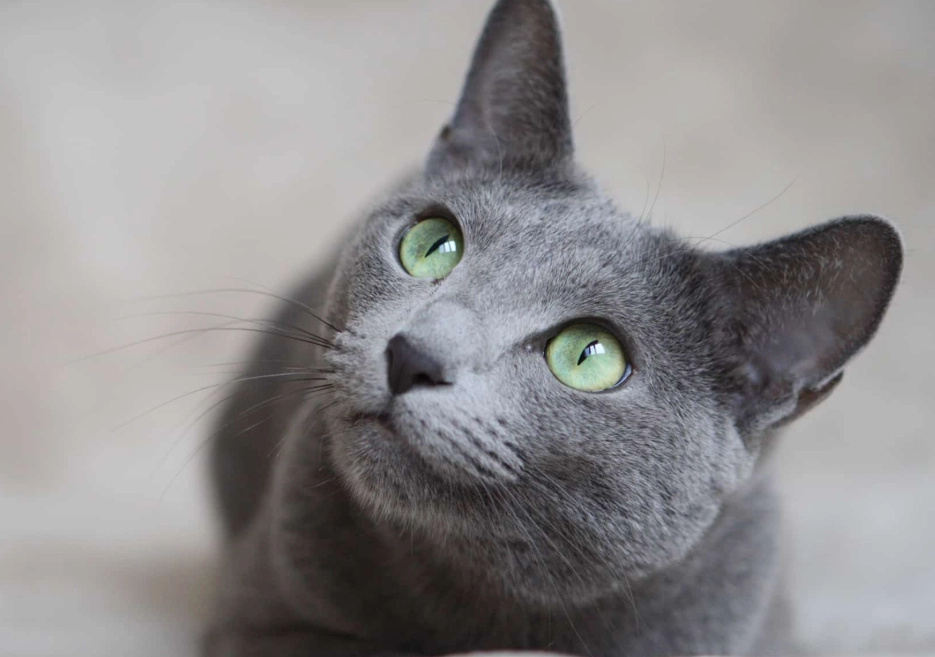
The Genetics Behind That Cool Blue Coat
Here's where it gets interesting. The blue color is caused by a recessive gene called the dilution gene (symbolized as 'd'). This gene dilutes black pigment to blue, chocolate to lilac, and so on. For a cat to be blue, it needs two copies of this recessive gene—one from each parent. That's why blue cats aren't popping up everywhere; it requires careful breeding.
I've seen breeders make the mistake of pairing two blue cats assuming they'll get all blue kittens. While that increases chances, other genes like tabby patterns can interfere. According to resources from The International Cat Association (TICA), the inheritance isn't always straightforward. A non-blue cat can carry the dilution gene and pass it on, making blue offspring possible from unexpected pairings. This genetic lottery is a big part of why blue cats feel rare.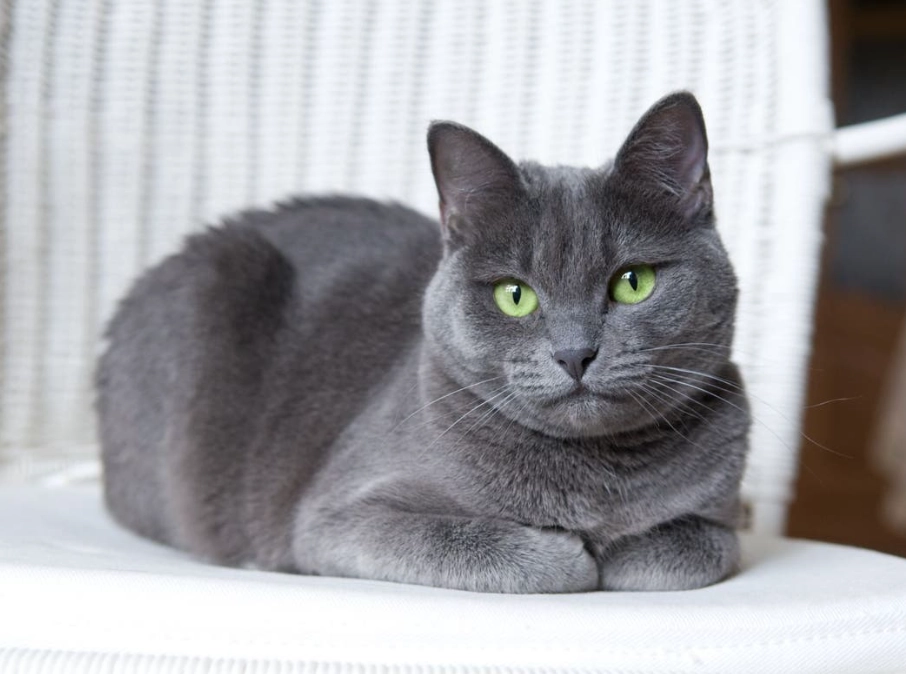
Expert Insight: One subtle error I've noticed—new breeders often ignore polygenes that affect coat depth. A blue cat might look washed-out if other genes aren't optimized, leading to poor show quality even if the color is technically correct. It's not just about the dilution gene; modifiers play a role too.
Breeds That Actually Produce Blue Cats
Not all cats can be blue. It's mostly confined to certain purebreds, though mixes can occasionally sport the color. Here's a rundown of the top breeds where blue is a recognized and sought-after variant. I've included approximate rarity based on my experience and data from breed clubs.
| Breed | Likelihood of Blue Coat | Notes |
|---|---|---|
| Russian Blue | Very High (nearly 100%) | The classic blue cat—almost always blue, but some lines may have slight variations. |
| British Shorthair | High (around 30-40% of breed) | Blue is a popular color here, but other colors like cream exist too. |
| Chartreux | Very High (nearly 100%) | Another breed where blue is the standard; rare outside of Europe. |
| Korat | Very High (100%) | Always blue-silver, but this breed is本身就 rare globally. |
| Nebelung | High (mostly blue) | A long-haired relative of the Russian Blue; gaining popularity slowly. |
| Domestic Shorthair Mix | Low (less than 5%) | Possible if parents carry the gene, but it's a lucky find in shelters. |
From this table, you can see that blue cats aren't equally rare across breeds. A Russian Blue is almost guaranteed to be blue, but the breed itself isn't super common. On the other hand, British Shorthairs are more widespread, but only a fraction are blue. When people ask "how rare are blue cats?", the answer varies wildly—it could be common in a niche breed but scarce in the general cat population.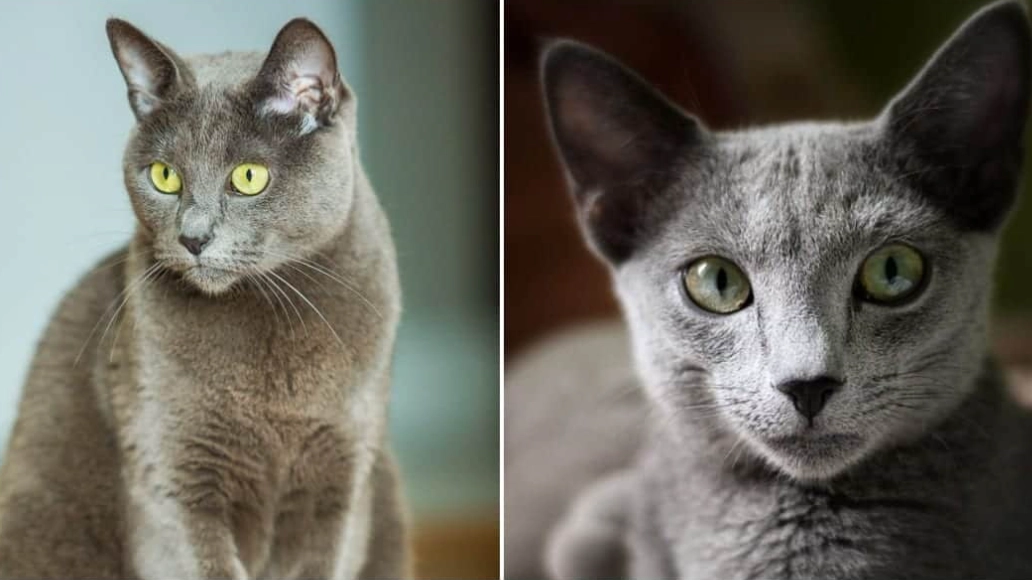
How Rare Are Blue Cats? The Numbers Game
Let's quantify this. Based on estimates from breed registries and shelter data, blue cats make up less than 10% of all purebred cats globally. For mixed-breed cats, it's even lower—maybe 1-2%. Why? The dilution gene isn't prevalent in random-bred populations. In my years of breeding, I've found that blue kittens in litters are often the minority, even when both parents carry the gene.
Demand plays a huge role. Blue cats, especially in breeds like the British Shorthair, have surged in popularity due to social media. That drives up prices and makes them seem rarer because they're snapped up quickly. I recall a time when a blue British Shorthair kitten sold for $3,000 within hours of listing—it's not just rarity, but hype.
Geographic factors matter too. In regions like Europe, Chartreux cats are more common, but in the US, they're a novelty. Shelters in urban areas might see a blue mix once every few months, while rural shelters almost never do. If you're hunting for a blue cat, your location can make or break your search.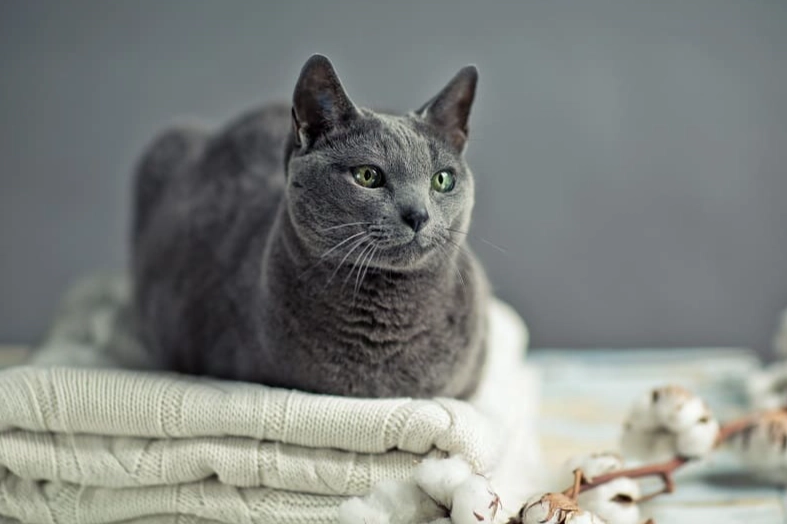
Finding a Blue Cat: Tips from an Insider
So, you want a blue cat? Here's my practical advice, drawn from hard lessons. First, decide if you're after a purebred or a mix. For purebreds, connect with reputable breeders via associations like CFA or TICA. Ask for health clearances—don't get swayed by color alone. I've seen too many buyers ignore respiratory issues in flat-faced blue cats just for that coat.
For adoption, check shelters regularly and use filters on sites like Petfinder for "blue" or "gray" coats. But be patient; it might take months. A friend of mine waited six months to adopt a blue Domestic Shorthair from a local rescue. Shelters often mislabel colors, so visit in person if possible.
Budget-wise, purebred blue cats cost more. Russian Blues range from $800 to $2,500, British Shorthairs from $1,000 to $3,000. Adoption fees are lower, $50 to $200, but availability is spotty. Don't fall for scams online—always verify breeders through official channels.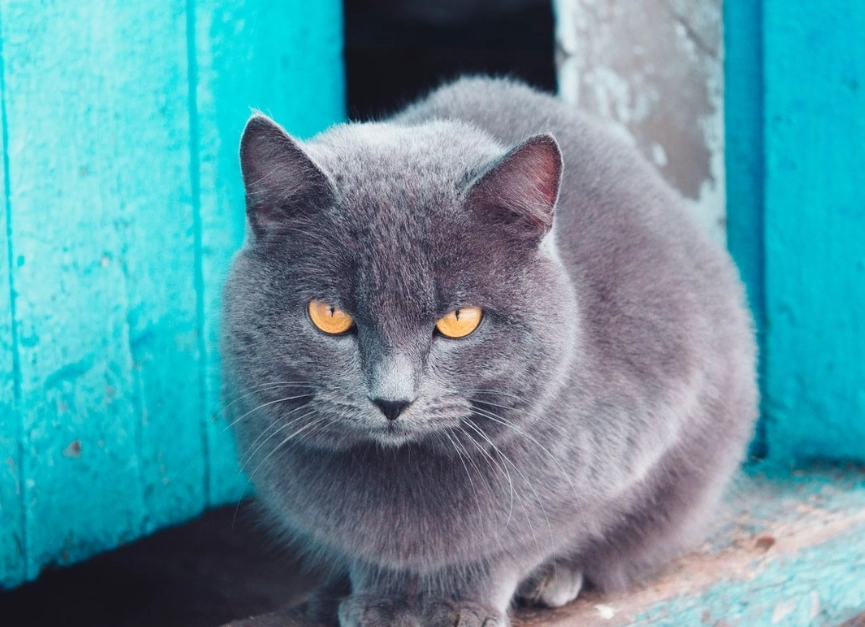
Personal Anecdote: I once bred a litter where only one kitten out of five turned out blue. The owners were disappointed, but that's genetics for you. It taught me that rarity isn't just about numbers; it's about expectations versus reality.
Your Blue Cat Questions Answered
 Wrapping up, blue cats are a blend of genetics and chance. Their rarity isn't absolute—it's contextual. Whether you're a breeder, adopter, or just curious, understanding the factors behind that blue coat can save you time and money. If you take away one thing, let it be this: don't chase rarity for its own sake. A cat's color doesn't define its worth, but knowing the facts helps make informed choices.