Let's cut to the chase. Asking "how expensive are Russian Blue cats?" is like asking how much a car costs. A used economy model and a new luxury sedan are both cars, but the price tags are worlds apart. The same goes for this elegant, green-eyed breed. If you're only looking at the kitten's initial price, you're setting yourself up for a financial surprise. The real cost of a Russian Blue is a combination of its prestigious pedigree, its first-year setup, and a decade or more of ongoing care. I've seen too many people fall in love with the plush silver coat, only to be shocked by the lifetime commitment. Based on years in the cat community and countless conversations with breeders and owners, the total cost of owning a Russian Blue can easily surpass $10,000 over its lifetime. Let's unpack every dollar.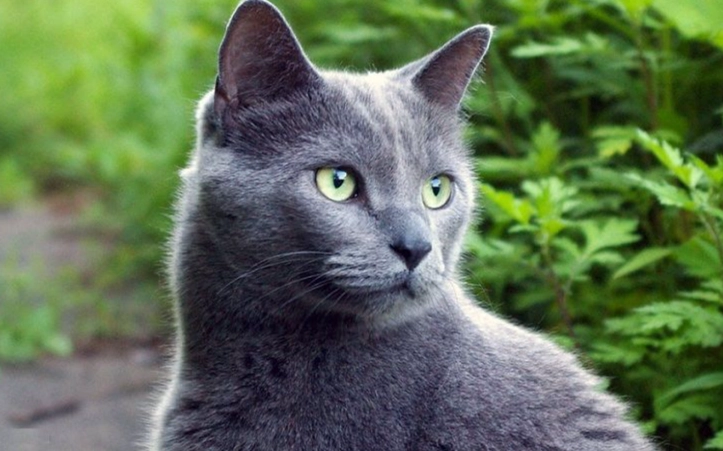
What You'll Learn in This Guide
Why Russian Blue Cats Command a High Price
You don't just pay for the cat. You pay for generations of careful breeding. Reputable breeders, like those registered with The International Cat Association (TICA) or the Cat Fanciers' Association (CFA), invest an immense amount into their programs.
Think about their expenses: high-quality food for the queen and kittens, extensive genetic health screening (for issues like hypertrophic cardiomyopathy, which responsible breeders test for), prenatal and postnatal veterinary care, registration fees, and the countless hours of socialization. A breeder might only have one or two litters a year from a queen. That investment is divided among a handful of kittens.
Then there's rarity and demand. Russian Blues aren't as common as domestic shorthairs. Their distinct personality—often described as loyal, gentle, and a bit reserved with strangers—combined with their hypoallergenic reputation (they produce less of the Fel d 1 protein) creates steady demand. Basic economics kicks in.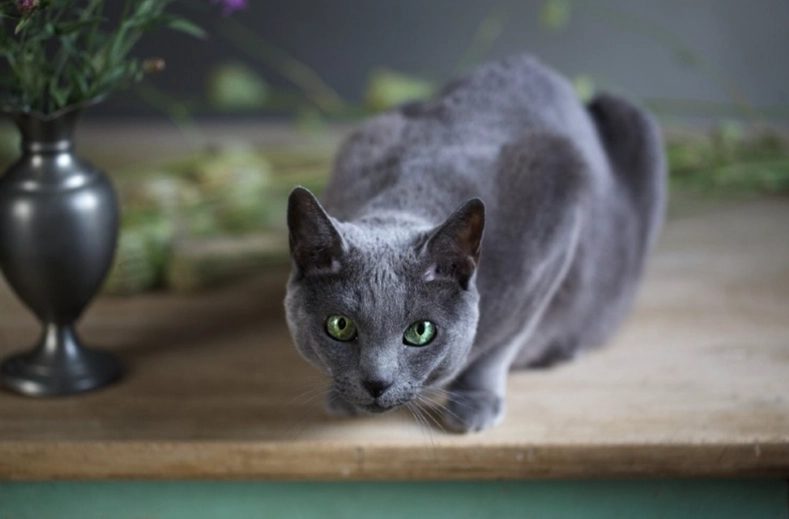
A huge mistake I see potential owners make is comparing a $1500 breeder kitten to a $300 "Russian Blue mix" online. That "mix" is almost certainly a domestic gray cat with zero health guarantees, unknown parentage, and no socialization pedigree. You're not comparing apples to apples; you're comparing a thoroughbred to a guess.
The Initial Cost Breakdown: More Than Just the Kitten
This is where budgets get blown. The kitten price is just the entry fee. Here’s what your first-year investment actually looks like.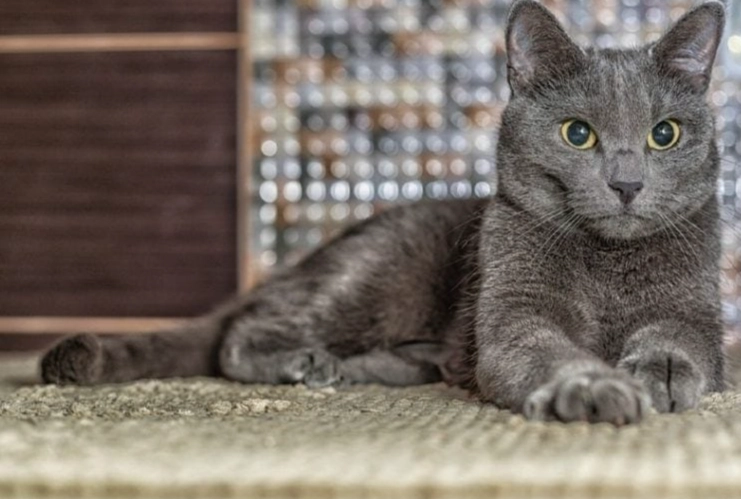
The Kitten Purchase Price: A Wide Range
From a reputable breeder, expect to pay $1,200 to $3,000+. What causes this range?
- Breeder Reputation & Location: Top-show-winning breeders in high-cost areas charge more.
- Pet vs. Breeder/Show Quality: Pet-quality kittens (spayed/neutered before going home) are less expensive than breeder-quality cats sold with breeding rights.
- Inclusions: A good price includes initial vaccinations, deworming, a veterinary health check, genetic health guarantees, and registration papers. A low price often means these are missing—a major red flag.
A Personal Observation: I once helped a friend evaluate a breeder offering "champion line" kittens for $800. The deal seemed too good to be true. It was. The "contract" was a single paragraph, vaccinations weren't documented, and the breeder couldn't provide the names of the sire or dam's genetic testing registries. We walked away. Six months later, that cattery was involved in a lawsuit over sick kittens. The upfront savings weren't worth the risk.
The Essential First-Year Setup Costs
This table breaks down the unavoidable costs in your first 12 months, on top of the kitten price.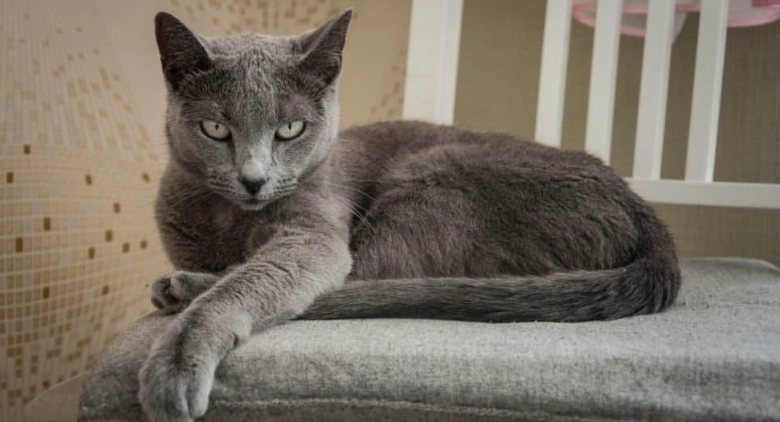
| Expense Category | Estimated Cost (Low-End) | Estimated Cost (High-End/Quality) | Notes |
|---|---|---|---|
| Initial Vet Visit & Setup | $150 - $250 | $300 - $500 | Exam, fecal test, possibly more vaccines. If not spayed/neutered by breeder, add $300-$600. |
| Core Vaccinations (First Year) | $80 - $150 | $150 - $250 | FVRCP (distemper) and Rabies series. |
| Microchipping | $50 | $50 | A non-negotiable safety measure. |
| Essential Supplies Starter Kit | $200 - $300 | $500 - $800+ | Carrier, litter box, scratching posts, bowls, bed, toys, brush, nail clippers. |
| First Year Total (Excluding Kitten Price) | ~$1,180 - $1,950 | ~$2,450 - $3,800 | This is the real cost of year one. |
See how it adds up? Even on the low end, you're spending over a thousand dollars just to get started properly. Skipping items like a sturdy cat tree (a must for this athletic breed) or insurance might save cash now but cost you more later.
The Ongoing, Lifetime Costs of Ownership
Your Russian Blue can live 15-20 years. The annual costs don't disappear after year one.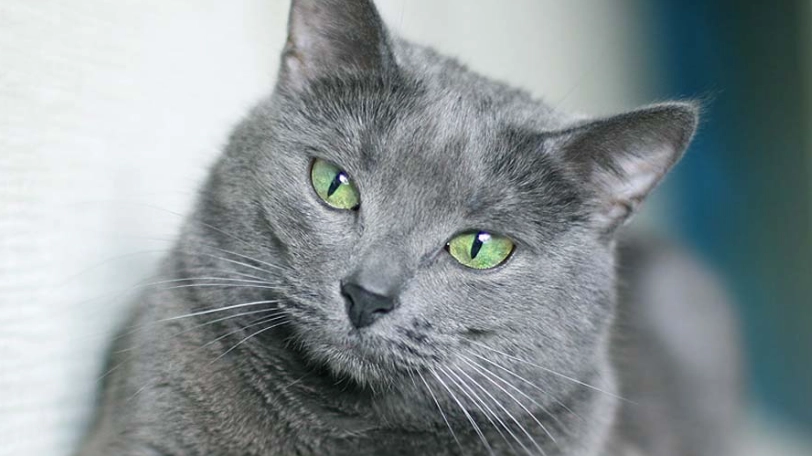
- Annual Veterinary Care: $150 - $400 per year for wellness exams, boosters, and preventatives (flea/tick/heartworm). This is for a healthy cat.
- Food & Litter: This remains consistent, roughly $40-$80 per month ($480-$960 annually).
- Pet Insurance: This is the big variable. A good policy for a Russian Blue might cost $30-$60 per month ($360-$720 annually). Is it worth it? For a purebred cat, absolutely. One emergency surgery for a urinary blockage or intestinal issue can cost $3,000-$7,000. Insurance turns a catastrophic bill into a manageable deductible.
- Grooming & Miscellaneous: They're low-maintenance groomers, but budget for replacement toys, new scratching posts, dental treats, and maybe the occasional professional nail trim if you're not comfortable doing it. $100-$200/year.
- Pet Sitting / Boarding: $20-$40 per day when you travel. For two weeks of vacation, that's another $300-$560.
Do the math. Even at a conservative $1,000 per year (excluding potential emergencies), a 15-year lifespan means $15,000 in ongoing care. Add the initial $3,000-$5,000 outlay, and you're looking at a total commitment of $18,000 to $20,000. This isn't to scare you, but to prepare you. This is the reality of responsible pet ownership for a pedigreed animal.
Realistic Ways to Save Money on a Russian Blue
I'm not going to tell you to "adopt, don't shop" because you're clearly interested in a specific breed. But there are smart ways to approach this.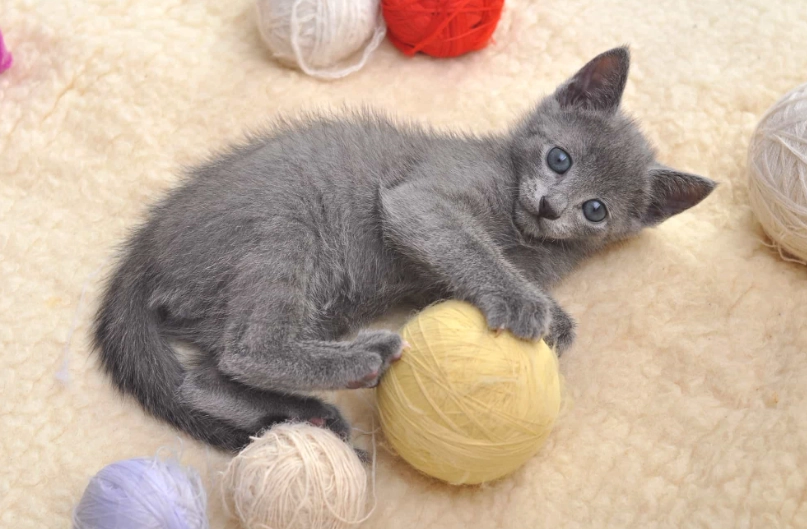
Consider an Adult or Retired Breeder Cat: Reputable breeders sometimes rehome young adult cats that didn't work out for their show program, or retire their breeding queens/kings. These cats are often already spayed/neutered, well-socialized, and have known health histories. The adoption fee is significantly lower, usually $300-$600. You skip the chaotic kitten phase and get a wonderful, settled companion.
Be a Savvy Shopper for Supplies: Don't buy the cheapest, but don't buy the most expensive branded item either. A simple, large cardboard scratching pad works as well as a fancy $100 post for many cats. Watch for sales on quality food and buy in bulk. DIY toys (crumpled paper, cardboard boxes) are often a cat's favorite.
Prioritize Preventative Care: The single best way to avoid massive vet bills is to prevent problems. Annual check-ups catch issues early. Feed a high-quality diet to support urinary and digestive health. Keep them at a healthy weight. This is non-negotiable cost-saving.
The one place not to cut corners is the source of the cat. A poorly bred Russian Blue from a backyard breeder or kitten mill might cost $600 upfront but could lead to $10,000 in vet bills for genetic conditions, poor immune function, and behavioral problems. That's a terrible trade-off.