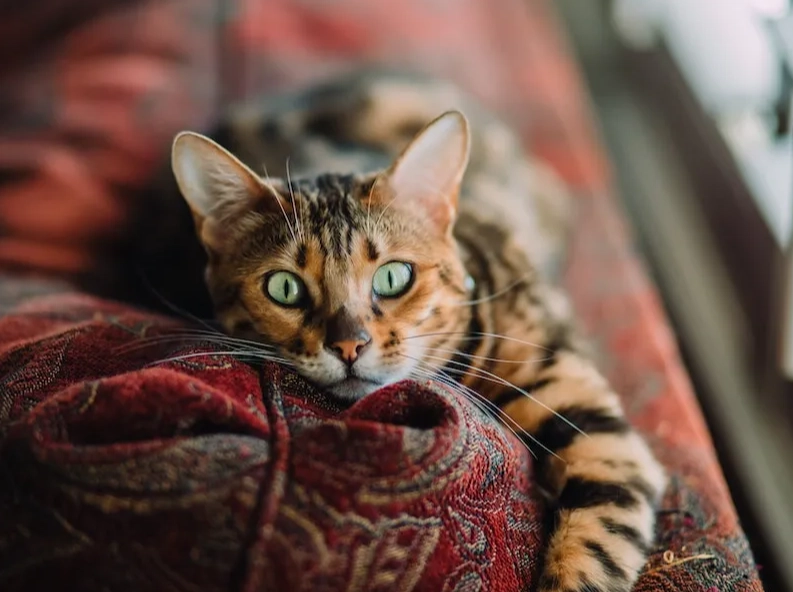
Scottish Fold cats usually live between 12 to 15 years. That's the average, but I've met ones pushing 18 and others gone too soon at 8. The difference often comes down to genetics and care. If you own one or are thinking about it, understanding their lifespan isn't just about a number—it's about making those years healthy and happy. Let's cut through the fluff and get into what really matters.
What You'll Learn in This Guide
What's the Typical Lifespan of a Scottish Fold?
Most sources say 12-15 years. The International Cat Association (TICA) notes that with good care, they can reach the upper end of that range. But here's something many sites miss: lifespan varies wildly based on whether the cat has two folded-ear parents or one. Cats from two folded-ear parents often have more severe health issues, which can knock years off their life.
I remember a friend's Scottish Fold, Mochi, who lived to 17. She was from a responsible breeder who avoided breeding two folds together. Mochi got regular vet check-ups and a balanced diet. On the flip side, I've volunteered at shelters where surrendered Scottish Folds came in with advanced joint problems at just 5 or 6 years old. It's heartbreaking.
So, while 12-15 years is the benchmark, think of it as a starting point. Your actions as an owner can shift that number up or down.
What Shortens or Lengthens a Scottish Fold's Life?
It's not just luck. Several key factors play a role, and some are within your control.
Genetics: This is the big one. The gene that causes those cute folded ears also leads to osteochondrodysplasia, a cartilage disorder. Cats inheriting it from both parents are at higher risk. Responsible breeding practices matter here—avoid breeders who don't health-test.
Diet and Weight: Scottish Folds tend to gain weight easily. Obesity stresses their joints and heart. A high-protein, low-carb diet can help. I've seen cats thrive on wet food with real meat as the first ingredient, rather than dry kibble filled with fillers.
Veterinary Care: Regular vet visits are non-negotiable. Bi-annual check-ups can catch issues early. Many owners skip this, thinking cats are low-maintenance, but with Scottish Folds, that's a mistake.
Environment: Indoor cats generally live longer. Scottish Folds aren't great jumpers due to joint issues, so a safe, enriched indoor space is ideal. Add scratching posts and low perches to encourage movement without strain.
Mental Health: Yes, cats get stressed too. Boredom or anxiety can lead to overeating or illness. Interactive toys and puzzle feeders keep their minds sharp.
Quick Takeaway: Focus on genetics through responsible sourcing, manage weight with proper diet, and never skimp on vet care. These three things alone can add years.
The Big Health Hurdles: Scottish Fold-Specific Conditions
Scottish Folds are prone to certain health problems that directly impact lifespan. Knowing these helps you stay ahead.
Osteochondrodysplasia – The Folded Ear Gene Problem
This is the hallmark issue. The same cartilage defect that folds the ears affects other joints, leading to arthritis, pain, and mobility issues. It's not a matter of if, but when. According to veterinary studies, most Scottish Folds show signs by age 2-4.
Symptoms include stiffness, reluctance to jump, swollen joints, and a peculiar gait. I've noticed that affected cats often sit in a "Buddha position" with their hind legs splayed out, trying to relieve pressure.
Heart Disease: Hypertrophic Cardiomyopathy (HCM)
HCM is common in many cat breeds, including Scottish Folds. It's a thickening of the heart muscle that can lead to heart failure. The Cat Fanciers' Association (CFA) recommends annual cardiac screenings for breeds at risk.
Watch for signs like lethargy, rapid breathing, or fainting. Early detection through echocardiograms can manage the condition with medication.
Other Common Issues
Polycystic kidney disease (PKD) and dental problems also pop up. Regular blood work and dental cleanings are crucial.
Here's a table summarizing the key health issues, their impact, and what you can do:
| Health Condition | Common Symptoms | Impact on Lifespan | Prevention/Treatment |
|---|---|---|---|
| Osteochondrodysplasia | Joint stiffness, pain, difficulty jumping | Can reduce by 2-5 years if severe | Joint supplements (e.g., glucosamine), pain meds, weight management, low-impact exercise |
| Hypertrophic Cardiomyopathy (HCM) | Lethargy, rapid breathing, fainting | Potentially reduces by 3-7 years if untreated | Annual cardiac screenings, medication (e.g., beta-blockers), low-sodium diet |
| Obesity | Excess weight, inactivity | Can shorten by 1-3 years | Portion control, high-protein diet, regular play |
| Dental Disease | Bad breath, tooth loss, gum inflammation | Indirect impact via systemic infection | Regular brushing, dental check-ups, dental treats |
One vet I spoke to said that managing osteochondrodysplasia is the single biggest factor for longevity in Scottish Folds. Ignoring it is like driving a car with a known engine problem—it'll break down sooner.
Pro Tips for a Longer, Happier Life
Extending your Scottish Fold's lifespan isn't rocket science, but it requires consistency. Here are actionable steps based on my experience and expert advice.
Diet Matters More Than You Think Feed a high-quality, high-protein diet. Avoid grains and fillers. Wet food is often better for hydration. I use a mix of commercial raw food and premium wet cans, and my cat's energy levels are night-and-day compared to when I fed dry kibble.
Weight Management is Key Weigh your cat monthly. Scottish Folds should stay lean—aim for a body condition score of 4-5 out of 9. Use a measuring cup for portions, and don't free-feed. Treats should be less than 10% of daily calories.
Exercise Without Strain Since jumping hurts, encourage low-impact play. Feather wands, laser pointers (used safely), and rolling balls work well. Set up ramps or steps to favorite spots to reduce jumping.
Vet Care Schedule Stick to this: annual check-ups for young cats, bi-annual after age 7. Include blood panels, urinalysis, and joint exams. For Scottish Folds, add a baseline X-ray for joints by age 2 and cardiac screening by age 3.
Pain Management Don't wait for obvious signs of pain. Joint supplements like glucosamine and chondroitin can help early on. Consult your vet about anti-inflammatories if needed. I've seen owners use heated beds to soothe achy joints—cats love them.
Environmental Enrichment Keep their mind active. Puzzle feeders, window perches, and regular interaction prevent boredom. A stressed cat is more prone to illness.
Common Mistake: Many owners assume Scottish Folds are "low-energy" and skip playtime. That leads to weight gain and joint stiffness. Even 10 minutes of daily interactive play makes a difference.
Case in point: A reader shared that her Scottish Fold, Binx, was diagnosed with early arthritis at 4. She switched to a joint-friendly diet, added supplements, and used ramps. Binx is now 10 and still playful. It's about proactive care, not reactive fixes.
The Breeding Debate: Should You Get a Scottish Fold?
This is where I get controversial. Scottish Folds are adorable, but their breeding raises ethical red flags. The folded ear gene is linked to that painful cartilage disorder. In some countries, like parts of Europe, breeding Scottish Folds is restricted or banned.
If you're set on one, choose a breeder who: - Health tests for osteochondrodysplasia and HCM. - Avoids breeding two folded-ear cats together. - Provides lifetime health guarantees. - Is transparent about lineage and vet records.
Better yet, consider adopting. Shelters sometimes have Scottish Folds or mixes needing homes. I've fostered a few, and with proper care, they live full lives. The obsession with purebreds often overlooks the health toll.
My take: Love the breed, but be critical. Support ethical practices, and if you adopt, you're giving a cat a second chance while avoiding some genetic pitfalls.
FAQ: Your Burning Questions Answered
Wrapping up, Scottish Fold cat lifespan isn't just a number—it's a reflection of care, genetics, and choices. Focus on what you can control: diet, vet visits, and a loving environment. Whether you're a current owner or considering one, knowledge is power. Here's to many happy years with your folded-ear friend.