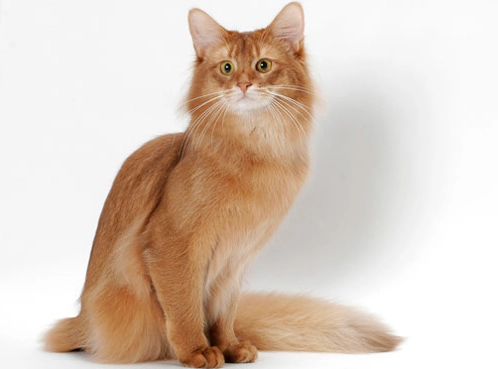
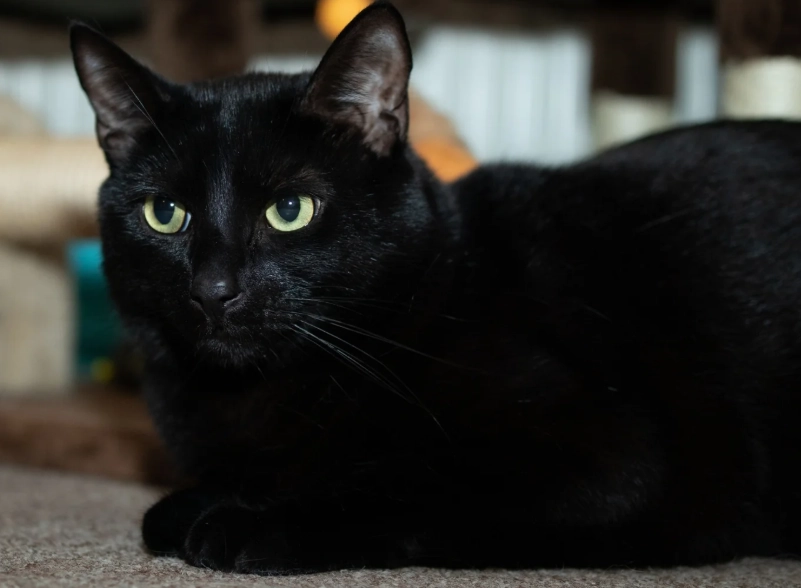
So, you're wondering about the lifespan of a White Russian cat. Let's cut to the chase first: a healthy, well-cared-for Siberian cat typically lives between 12 to 15 years. I've seen plenty hit 16 or even 17. But that number? It's just a starting point. It's like asking how long a car lasts—it depends entirely on the model, the maintenance, and frankly, a bit of luck. The "White Russian" part is just a coat color; we're talking about the Siberian cat breed, a natural powerhouse from the forests of Russia.
I remember a friend's Siberian, a majestic white fluffball named Sasha, who lived to a ripe 19. Her secret? Meticulous care and a bit of obsessive love from her owner. That's what we're really talking about here: not just a statistic, but the collection of daily choices that add up to a long, purring life.
What You'll Discover
The Siberian Lifespan: More Than Just an Average
Throwing out "12-15 years" feels insufficient. It doesn't tell you about the cat who lived to 8 or the one who thrived past 18. To understand, you need to look at the factors that create that range. Siberians are a natural breed, which generally means they have a more robust genetic foundation than some highly specialized breeds. This is a key advantage.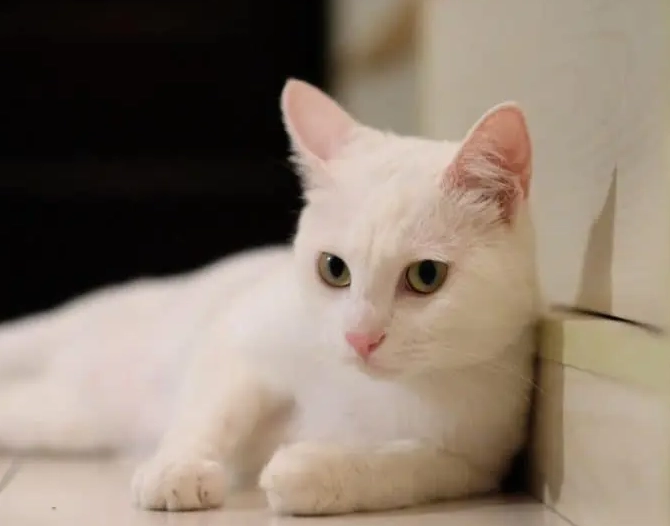
But here's a nuance most lists miss: the "white" coat itself has no direct impact on longevity. However, solid white cats can sometimes be associated with a higher chance of congenital deafness, especially if they have blue eyes. A deaf cat isn't inherently unhealthy, but it does face different environmental risks (like not hearing a car) that an owner must manage. It's this kind of specific, coat-related consideration that gets overlooked.
Quick Reality Check: When breeders or websites tout "Siberians can live 18-20 years!" they're often showing you the absolute best-case scenario. It's possible, yes, but it's like aiming for a perfect golf score. The average owner's goal should be hitting that robust 12-15 year range through consistent, excellent care.
What Actually Determines How Long Your Cat Lives
Genetics load the gun, but lifestyle pulls the trigger. Let's break down the real drivers of a Siberian cat's life expectancy.
1. Genetics and Breeding: The Foundation You Can't Change
This is where you need to be a savvy buyer if you're getting a kitten. A reputable breeder who screens for hereditary conditions is investing years into your future cat's life. The big one for Siberians is Hypertrophic Cardiomyopathy (HCM), a heart disease. According to the Winn Feline Foundation, HCM is a leading cause of death in cats. A good breeder will have their breeding cats regularly scanned by a veterinary cardiologist.
Ask for proof. Don't just take their word for it. A kitten from a line with no HCM screening is a roll of the dice with its lifespan.
2. Diet and Weight Management: The Daily Medicine
This is the biggest lever you control. Siberians are large, muscular cats, but they can easily become overweight if free-fed. Obesity is a silent killer, leading to diabetes, arthritis, and liver disease.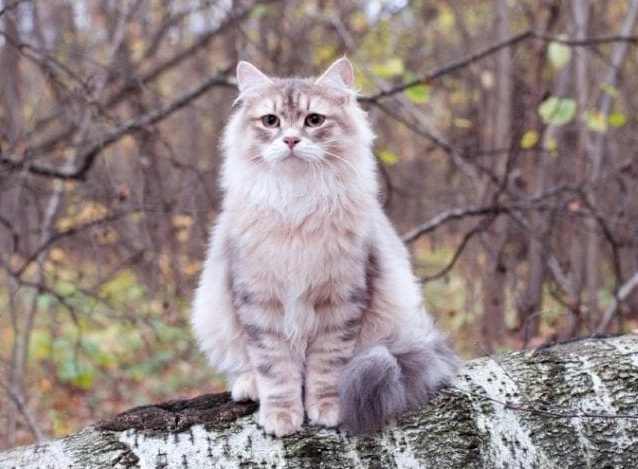
- Protein is Key: Look for a wet or dry food where a named animal protein (chicken, salmon, turkey) is the first ingredient. Cats are obligate carnivores.
- Water, Water, Water: Siberians have a thick coat and need to stay hydrated. A water fountain can encourage drinking and support kidney health long-term.
- Portion Control: Follow feeding guidelines, but adjust for your cat's activity. A lazy, indoor Siberian needs fewer calories than the charts might suggest.
3. Healthcare: Prevention Over Cure
Annual vet check-ups aren't optional; they're essential. As cats age, bi-annual visits become crucial. These aren't just for vaccines. They're for blood work that can detect early kidney disease or hyperthyroidism—two common age-related issues. Dental disease is another silent lifespan-shortener; bacteria from the mouth can affect the heart and kidneys.
4. Indoor vs. Outdoor Lifestyle: The Single Biggest Choice
This is non-negotiable for maximizing lifespan. The American Veterinary Medical Association (AVMA) clearly states that indoor cats live significantly longer. An outdoor Siberian faces risks from cars, predators, parasites, toxins, and fights with other animals. Keeping them indoors, but providing ample enrichment, is the safest path to a long life.
| Lifespan Factor | High-Risk Scenario (Shorter Lifespan) | Optimal Scenario (Longer Lifespan) |
|---|---|---|
| Environment | Outdoor or indoor/outdoor access | Strictly indoors with enrichment |
| Healthcare | Reactive (only when sick) | Proactive (annual exams, blood work, dental care) |
| Diet | Low-quality dry food, free-fed | High-protein, portion-controlled, hydrated diet |
| Genetics | From unknown/unscanned lines | From breeders who screen for HCM |
| Weight | Overweight or obese | Maintains a lean, muscular body condition |
A Practical Guide to Extending Your Siberian's Lifespan
Knowing the factors is one thing. Here's what to actually do, year after year.
Years 1-6 (Kitten & Young Adult): Establish the routines. High-quality kitten food, then adult food. Spay/neuter. Annual vet visits. Start tooth brushing. Provide tall cat trees and interactive toys to satisfy their athletic nature. This builds the foundation.
Years 7-11 (Mature Adult): This is where many owners get complacent because the cat seems fine. Don't. This is the critical window for early detection. At the annual vet visit, insist on a senior blood panel starting around age 7. Monitor weight closely—metabolism slows. Increase play sessions to maintain muscle mass.
Years 12+ (Senior & Geriatric): Switch to bi-annual vet checks. Discuss a senior-specific diet with your vet. Make home adjustments: add litter boxes with lower sides, provide steps to favorite perches, ensure water bowls are easily accessible. Watch for subtle changes in appetite, litter box habits, or activity level—these are your first clues.
Health Issues to Watch For (And How to Catch Them Early)
Siberians are generally healthy, but they're not invincible. Beyond HCM, be aware of:
- Polycystic Kidney Disease (PKD): Less common than in Persians, but some lines may carry it. An ultrasound can diagnose it.
- Hypertrophic Osteodystrophy: A rare bone development issue in kittens from some lines.
- Dental Disease: Very common. Look for red gums, bad breath, or dropping food.
The trick to managing these isn't to panic, but to observe. Keep a casual mental log. Is your cat drinking more water than usual? Using the litter box more frequently? Hiding more? These tiny shifts are worth a call to your vet. Catching kidney disease at stage 1 versus stage 3 is the difference between years of managed health and rapid decline.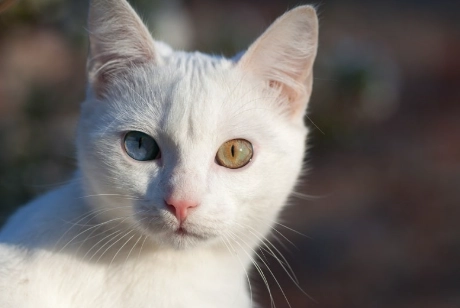
Your Siberian Cat Longevity Questions, Answered
My white Siberian is from a shelter, so I have no genetic history. What should I prioritize?
Focus intensely on the factors you control: a premium diet and unwavering preventive care. Schedule a vet appointment specifically for a baseline health check. Ask your vet about a proBNP blood test, which can sometimes hint at heart stress, and consider a cardiac ultrasound if any murmurs are detected. Your unknown history means your vigilance on diet and environment becomes even more critical.
Are male or female white Russian cats known to live longer?
There's no conclusive breed-specific data showing a significant difference. In general cat populations, neutered females might have a slight edge, but it's minimal. The quality of care you provide will overwhelmingly outweigh any minor biological sex-based difference. Don't choose a cat based on this; choose based on health and temperament.
I feed a high-quality dry food and my Siberian seems fine. Is wet food really that important for lifespan?
It can be. The high moisture content in wet food supports urinary tract and kidney health, which are major longevity bottlenecks. Many cats are chronically dehydrated on dry food alone. If you stick with dry, a water fountain is non-negotiable. But consider mixing in a wet food meal, even just a few times a week. The extra hydration is like an insurance policy for their kidneys as they age.
My 10-year-old Siberian has started sleeping more and playing less. Is this just normal aging or a sign of a problem?
This is the most common dilemma. A gradual slowdown is normal. A sudden or pronounced decrease in activity is not. The line is blurry. The safe move is to get a senior blood panel and urinalysis at your vet. It could be simple arthritis (which is manageable with supplements or medication) or an early indicator of thyroid or kidney issues. Assuming it's "just old age" without a checkup is how treatable conditions become serious.
What's one inexpensive thing I can do today to potentially help my cat live longer?
Brush their teeth. Seriously. Dental disease causes systemic inflammation and bacteria that damage the heart and kidneys. Start slow, use cat-specific toothpaste, and aim for a few times a week. It's the most cost-effective preventive health measure most owners never do. If brushing is impossible, talk to your vet about dental gels or prescription dental diets.
So, what is the lifespan of a white Russian cat? It's a story you write together, day by day. It's not a fixed number, but a range shaped by the food you choose, the vet visits you schedule, and the safe, stimulating home you create. Start with that 12-15 year expectation, but aim higher with action. Your fluffy companion is counting on you to turn those potential years into a vibrant, purring reality.