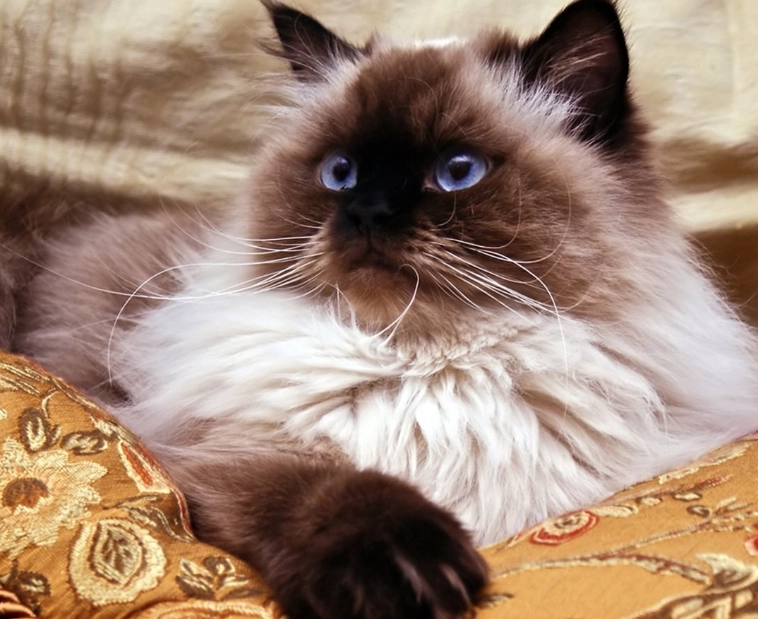
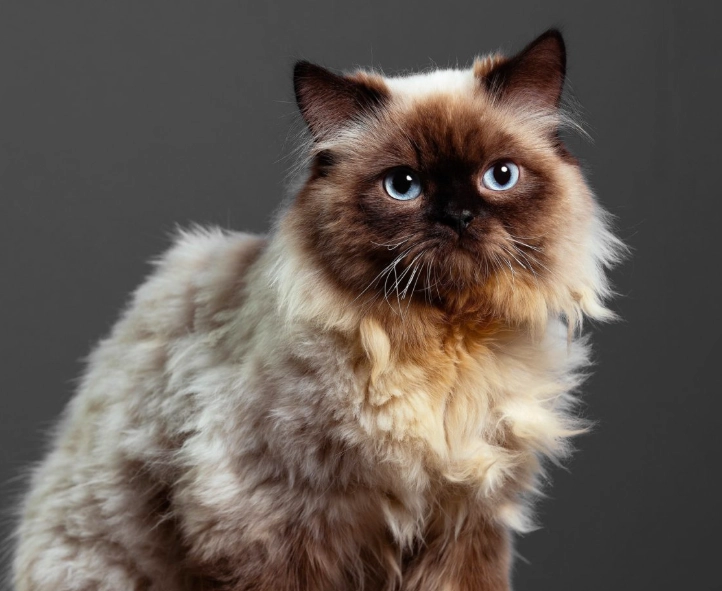
If you've ever been mesmerized by a Himalayan cat's stunning blue eyes and luxurious, color-pointed coat, you've seen the perfect blend of two feline legends. The answer is straightforward yet fascinating: the Himalayan cat is a deliberate cross between the Persian and the Siamese. But calling it a simple "mix" does a disservice to the decades of careful breeding that went into creating this distinct and beloved breed. It's like saying a masterpiece painting is just some colors on a canvas. The real story is in the details—why these two breeds, what traits each contributed, and what it actually means to live with one of these beautiful, high-maintenance cats.
What's Inside?
The Origin Story: More Than Just a Mix
The quest to create a long-haired cat with the Siamese pattern wasn't a modern whim. Breeders in the 1920s and 1930s in both Europe and North America were experimenting. The goal was crystal clear: combine the Persian's luxurious coat and sturdy body with the Siamese's striking color points and vivid blue eyes. Early efforts were called "Long-haired Siamese" or "Colorpoint Longhairs." It wasn't until the 1950s that American breeder Marguerita Goforth successfully standardized the look, and the breed was officially recognized as the Himalayan, named after the color pattern of other animals like the Himalayan rabbit. Major cat registries like the Cat Fanciers' Association (CFA) now classify the Himalayan as a color division of the Persian breed, which tells you a lot about its primary genetic allegiance.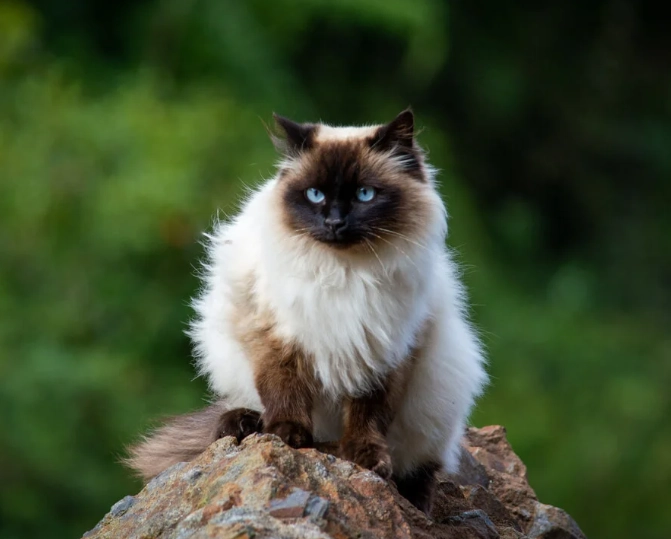
What the Persian Cat Brought to the Table
Think of the Persian as providing the canvas. This breed contributed the foundational physical traits that define the Himalayan's overall look and feel.
- The Coat: This is the big one. The Persian gave the Himalayan its incredibly long, thick, and silky double coat. It's the source of their regal appearance and, let's be honest, the bulk of their grooming needs. It's not just hair; it's a commitment.
- The Body Type: The classic "cobby" body—stocky, low to the ground, with a broad chest and short, thick legs. This gives Himalayans their characteristic plush, rounded appearance, unlike the sleek, elongated body of a Siamese.
- The Face: The modern Himalayan almost always inherits the Persian's brachycephalic (flat) face. This creates that sweet, "pansy-like" expression with large, round eyes. It's adorable, but it's the root of several health considerations we'll get into later.
- The Temperament (Base Layer): Persians are famously calm, placid, and sweet-natured. They're lap cats. This laid-back demeanor forms the core of the Himalayan's personality, tempering the more vocal and active Siamese side.
What the Siamese Cat Contributed
The Siamese provided the specific, stunning artwork that goes on the Persian canvas. Its contributions are more specialized but equally defining.
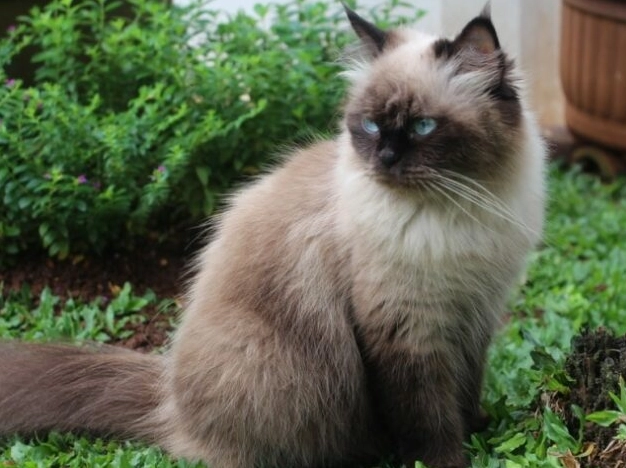
- The Color Point Pattern: This is the Himalayan's signature look. The Siamese contributed the temperature-sensitive albinism gene that causes color to develop only on the cooler parts of the body—the face (mask), ears, legs, and tail. This results in the classic seal, blue, chocolate, lilac, flame, and cream points against a lighter body.
- Those Blue Eyes: The mesmerizing, deep sapphire blue eyes are a direct gift from the Siamese, linked to the point coloration gene. No other eye color is acceptable in a purebred Himalayan.
- A Dash of Personality: While not as intensely vocal or mischievous as a pure Siamese, many Himalayans exhibit a bit more curiosity and playfulness than a typical Persian. They might "talk" to you with a softer, sweeter voice and be more likely to follow you from room to room. It's a pleasant hybrid vigor in their character.
A Quick Genetics Note: The Himalayan isn't a 50/50 split. After the initial cross, breeders repeatedly back-crossed the offspring to Persians to solidify the body type and coat length while selectively retaining the point gene. Genetically, a modern Himalayan is overwhelmingly Persian with a very specific Siamese gene addition.
Himalayan Cat Traits: A Detailed Breakdown
So, what do you get when you combine these elements? Let's lay it out clearly. This isn't just a list of traits; it's a guide to what living with this fusion breed is genuinely like.
| Trait | Description & Source Breed | What It Means for You |
|---|---|---|
| Coat & Grooming | Long, dense double coat (Persian). Requires daily brushing to prevent mats. | Non-negotiable daily 10-15 minute grooming session. Invest in a high-quality steel comb and slicker brush. Be prepared for fur on everything. |
| Body & Face | Cobby body, flat face (Persian). Brachycephalic features. | They are not agile jumpers. The flat face requires careful feeding (shallow bowls) and monitoring for breathing/tearing issues. Not a "high-energy" cat. |
| Color Points | Seal, Blue, etc. (Siamese). Temperature-sensitive albinism gene. | Kittens are born all white! Points develop over weeks. Darker points in cooler climates. The fur around the eyes can get stained from tears, requiring gentle cleaning. |
| Eyes | Vivid Blue (Siamese). Round shape (Persian influence). | Stunning to look at. Prone to excessive tearing (epiphora) due to the facial structure, not the eye color itself. Daily wiping with a soft, damp cloth is often needed. |
| Personality | Calm & Sweet (Persian base) + Playful & Attentive (Siamese hint). | Perfect for a quieter home. They are affectionate lap cats but will engage in gentle play. More interactive than a Persian, less demanding than a Siamese. A great "compromise" personality. |
The Reality of Caring for a Himalayan Cat
Owning a Himalayan is a beautiful responsibility, not a casual commitment. Based on my years of experience with long-haired breeds, here's the unfiltered daily routine you're signing up for.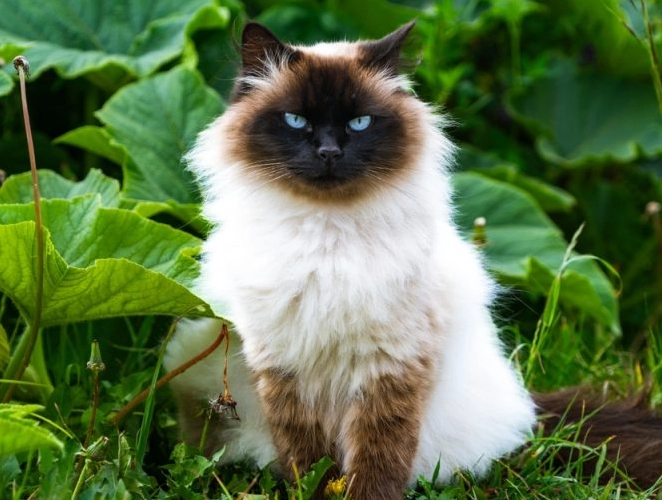
Grooming is Not Optional: Forget "weekly." It's daily. I use a two-step process: first a slicker brush to loosen the undercoat, then a wide-toothed steel comb to glide through to the skin and prevent mats, which form painfully close to the skin. Pay special attention to the armpits, behind the ears, and the belly. Many owners find a professional groomer for a "sanitary trim" every few months to be a lifesaver.
Their Flat Face Demands Adaptation: Standard deep food bowls are a problem. Their flat muzzles make it hard to pick up food from the bottom. I switched to a very shallow, wide saucer. Also, they can be messy drinkers. Keep their water bowl clean and consider a cat water fountain, which can be easier for them to use. Watch for any signs of noisy breathing or snoring—these can indicate brachycephalic airway syndrome.
Environment Matters: These are indoor-only cats. Their coat isn't suited for outdoor debris, and their lack of street smarts makes them vulnerable. Create vertical spaces with low-to-the-ground cat trees (they're not great climbers) and plenty of cozy, warm beds. They love a sunny spot by the window.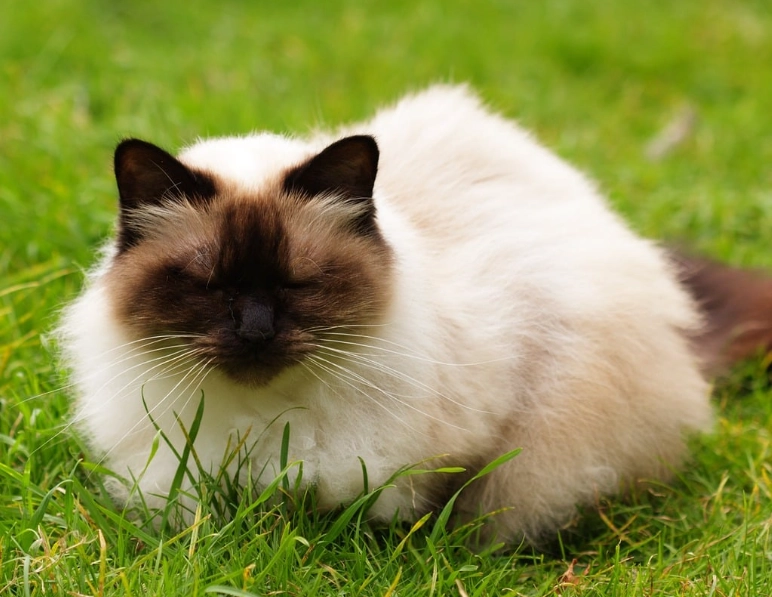
Health Considerations You Must Know
Being informed about potential health issues is part of responsible ownership. The Himalayan inherits predispositions from both parent breeds.
Primary Concerns from the Persian Side
Polycystic Kidney Disease (PKD): This is a big one. It's an inherited condition where cysts develop in the kidneys. Reputable breeders test their breeding cats for PKD. Always ask for proof of a negative PKD test from both parents. It's not a guarantee, but it drastically reduces the risk.
Brachycephalic Issues: The flat face can lead to stenotic nares (narrow nostrils), elongated soft palate, and dental crowding. This can cause breathing difficulties, overheating in warm weather, and dental disease that requires more frequent vet cleanings.
Other Considerations
Progressive Retinal Atrophy (PRA): A degenerative eye disease that can lead to blindness. Responsible breeders also screen for this.
Feline Hypertrophic Cardiomyopathy (HCM): A form of heart disease common in many cat breeds, including Persians. Regular vet check-ups are crucial.
The key takeaway? Choose a breeder who prioritizes health testing over extreme physical features. A slightly less flat-faced Himalayan is often a healthier, happier cat.