Ask anyone to picture a Persian cat, and they'll likely imagine a cloud of fur with a squashed, adorable face. That iconic look is everywhere. But here's something most pet websites gloss over: not all Persians look like that. In fact, sticking to that single image does a massive disservice to the breed and leads to a lot of confusion for potential owners. The truth is, under the umbrella of "Persian," there are two distinct physical types that dictate everything from daily care to long-term health. Choosing between them isn't just about aesthetics; it's a commitment to a specific lifestyle.
I've been around Persians for over a decade, showing them and living with them. The biggest mistake I see? People fall for the Peke-face's baby-doll look without understanding the vet bills and constant care that come with it. Conversely, the classic Doll Face often gets overlooked, which is a shame because it's often the healthier, more robust companion.
What’s Inside This Guide?
- The Two Main Persian Cat Types: A Clear Breakdown
- Doll Face Persian: The Original Classic
- Peke-Face Persian: Understanding the Extreme
- Doll Face vs. Peke-Face: Your Decision Checklist
- Beyond the Face: Color and Pattern Divisions
- How to Find Your Perfect Persian Type
- Your Persian Cat Questions, Answered Honestly
The Two Main Persian Cat Types: A Clear Breakdown
Forget complicated sub-breeds for a moment. The most critical division is based on skull structure, which creates two recognizable profiles. Cat fancier associations like the Cat Fanciers' Association (CFA) and The International Cat Association (TICA) primarily recognize one standard, but the reality in catteries and homes is binary.
Key Point: The terms "Doll Face" and "Traditional Persian" are often used interchangeably for the cat with a longer nose. "Peke-face," "Ultra-typed," "Extreme," or "Show-type" all refer to the flat-faced variety. The flat face is a result of selective breeding for a specific look, not a separate breed.
The push for an ever-flatter face in the show ring over the last 50 years created the Peke-face. It's a classic case of aesthetics overriding function. Meanwhile, many breeders, concerned about health and temperament, have continued to breed the older, more natural Doll Face type. You won't see "Doll Face" on a CFA show entry form, but you will see cats with that phenotype being shown and winning in certain categories.
Doll Face Persian: The Original Classic
This is the Persian your great-grandmother might have known. The nose is longer and more prominent, sitting in a sweet, expressive face that earns it the "doll" name. The eyes are large and round, but they don't have that bulging, constant surprise look.
What Living with a Doll Face is Really Like
Their longer nasal passage means breathing is usually normal. You won't hear the snorting, snoring, or wheezing that's common in their flat-faced cousins. Their tear ducts also drain more effectively. While all Persians need eye cleaning, a Doll Face might only need a quick wipe every other day, not a major excavation twice daily.
I've found their personalities to be consistently mellow but playful. They're less prone to the respiratory distress that can make some Peke-faces irritable or lethargic. They still have that quintessential Persian laziness—don't expect a marathon runner—but they'll happily chase a feather toy for ten minutes before demanding a five-hour nap on your lap.
Peke-Face Persian: Understanding the Extreme
The Peke-face has a nose that is set very high, between large, prominent eyes. The forehead, nose, and chin should align almost vertically in the breed standard. It's undeniably cute, tapping into our human response to baby-like features. But this cuteness comes from a brachycephalic (short-headed) structure that causes real issues.
The Health Realities No One Likes to Talk About
Brachycephalic Obstructive Airway Syndrome (BOAS) isn't just for pugs and bulldogs. Severe Peke-faces have it. Their shortened airways make breathing a laborious task, especially in heat or during exercise. They snore, they snort, they can overheat easily.
Their facial structure also leads to severe tear duct malformation. Tears don't drain; they overflow, creating constant brownish tear stains. This isn't a hygiene issue—it's an anatomical one. It requires diligent, daily cleaning to prevent skin infections. Their dental structure is often crowded, leading to higher rates of periodontal disease. You need a vet who understands brachycephalic breeds.
Let's be blunt: owning a Peke-face means accepting a higher baseline of care and potential expense. It's not for someone who wants a low-maintenance pet.
Doll Face vs. Peke-Face: Your Decision Checklist
This table isn't about good vs. bad. It's about matching a cat's needs with your lifestyle and resources.
| Feature & Care | Doll Face Persian | Peke-Face Persian |
|---|---|---|
| Face & Nose | Longer, more pronounced nose. Sweet, expressive "doll-like" profile. | Very short, upturned nose. Flat "smushed" profile with large, round eyes. |
| Breathing & Health | Generally normal. Low risk of BOAS. Fewer respiratory issues. | High risk of Brachycephalic Syndrome. Prone to snoring, overheating, and respiratory distress. |
| Eye Care | Moderate. Daily to every-other-day wiping usually sufficient. | High-intensity. Requires meticulous daily cleaning to manage constant tearing and staining. |
| Grooming Commitment | Very High (for both). Daily brushing to prevent mats is non-negotiable. | Very High, plus extra facial hygiene. |
| Typical Temperament | Calm, affectionate, playful. Often robust and comfortable. | Calm, affectionate. Can be less tolerant of play/heat due to breathing limitations. |
| Best For | First-time Persian owners, families, those concerned with long-term health costs. | Experienced cat owners who understand and can manage special needs, dedicated show enthusiasts. |
| Potential Vet Costs | Standard for a long-haired cat. Focus on dental and routine care. | Potentially higher. Budget for possible airway, dental, and eye-related issues. |
Beyond the Face: Color and Pattern Divisions
Once you've considered face type, there's a rainbow of variety. Registries divide Persians by color and pattern for showing. This doesn't affect personality but gives you a visual menu.
Solid Division: The iconic white, black, blue, cream, red. Think one uniform color from nose to tail-tip. A blue (which is actually gray) Solid Persian is probably the most recognized image.
Silver & Golden Division: These are the glamorous ones. Chinchilla Silvers have a pure white undercoat with black tipping on the hairs, giving a sparkling, frosted look. Their eyes are emerald or blue-green. They're stunning.
Shaded & Smoke Division: Similar to Silver but with more color. A shaded cat has more tipping, so the color is more pronounced. Smokes have a white undercoat that's only revealed when the cat moves—a dramatic effect.
Tabby Division: Yes, Persians can have stripes! Classic, mackerel, and patched tabby patterns, but all softened by that long, dense coat. It's a playful look on a regal cat.
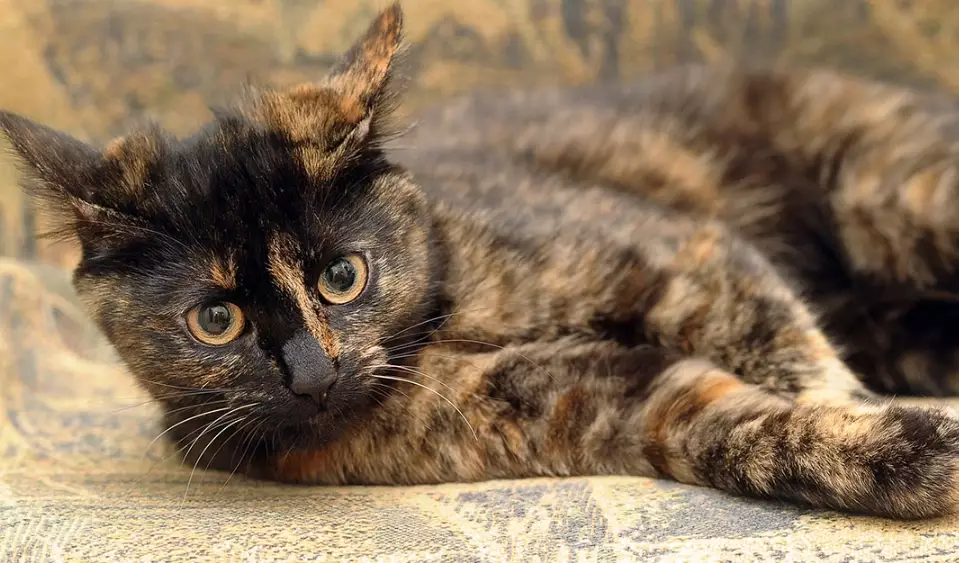
Parti-Color Division: This includes tortoiseshells (black, red, cream mixes), blue-creams, and calicos. Often female, they're living works of art.
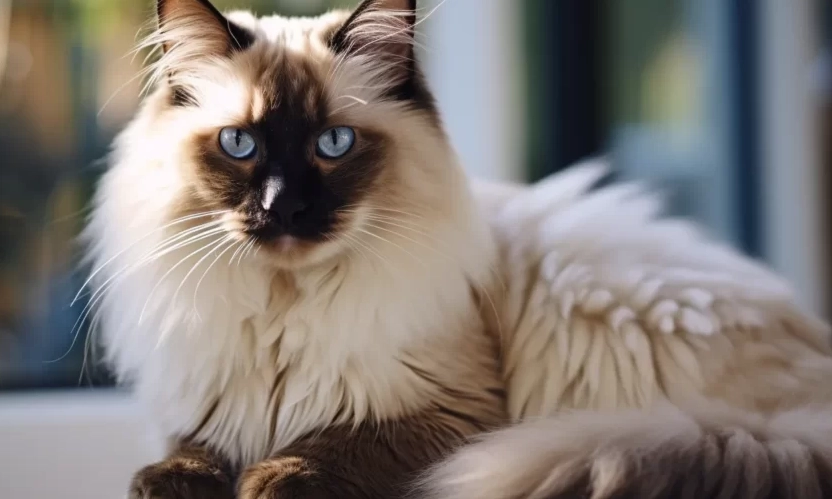
Bicolor & Himalayan Division: Bicolors have white plus another color. The Himalayan (Colorpoint) is a separate story—it's a cross between Persian and Siamese, giving the Persian body with Siamese-like points (darker color on ears, face, paws, tail). They have bright blue eyes.
How to Find Your Perfect Persian Type
Don't just browse online ads. That's where you find backyard breeders prioritizing looks over health.
1. Prioritize Health-Testing Breeders: A reputable breeder will openly discuss the face types they produce and the associated health tests. They should test for Polycystic Kidney Disease (PKD), a common issue in the breed. Ask to see the parents. Do they breathe quietly? Are their eyes clear?
2. Be Specific in Your Inquiry: Email a breeder and say, "I'm interested in a Persian kitten and am trying to decide between a Doll Face and a Peke-face. Can you tell me about the health and structure of your lines?" Their response will tell you everything. If they badmouth one type or only care about selling you the "cutest" one, walk away.
3. Consider Rescue: Persian cat rescues are full of wonderful adults. You can often meet the cat and know its exact face type, personality, and grooming needs upfront. It's a fantastic, ethical option.
Your Persian Cat Questions, Answered Honestly
Is a Peke-face Persian right for a first-time cat owner?
I'd advise against it, honestly. The learning curve for general cat care plus the intense, specific needs of a brachycephalic animal is a lot. Start with a Doll Face or even a different breed to build your confidence. A distressed, snorting cat at 3 AM because it can't breathe well is a stressful introduction to pet ownership.
Can you prevent tear stains on a flat-faced Persian?
You can manage them, but you likely can't eliminate them entirely. It's an anatomical issue. Daily cleaning with a vet-approved wipe is mandatory. Some people find diet adjustments (like a limited-ingredient food) help reduce the redness of the stains, but the tearing itself will continue. Anyone selling a "stain-removing" product as a permanent cure is misleading you.
Do Persian cat types have different personality traits?
The core Persian temperament—sweet, calm, affectionate, lap-oriented—is present in both. The difference often comes down to comfort. A Doll Face with clear airways is more likely to be consistently relaxed and engage in gentle play. A Peke-face having a bad breathing day might be more irritable or withdrawn. It's less about innate personality and more about how their physical form affects their mood.
How much does grooming really cost if I can't do it daily?
If you cannot commit to daily brushing (20-30 minutes), you must budget for professional grooming every 4-6 weeks. This isn't optional. A neglected Persian coat mats painfully close to the skin. Professional dematting or shaving (a "lion cut") costs $80-$150+ per session. Over a year, that's easily over $1,000. The grooming need is the single biggest non-negotiable for this breed, regardless of face type.
Are Himalayan cats considered a type of Persian?
In most registries like the CFA, Himalayans are a separate breed but in the Persian Group. They have the exact same body and coat as a Persian, but the pointed color pattern and blue eyes from their Si ancestry. They can also come in both Doll Face and Peke-face varieties. So when choosing a Himalayan, you need to ask the same face-structure questions as you would for any other Persian.