What You'll Learn in This Guide
- Origins and History: Where They Came From
- Physical Appearance: Side-by-Side Look
- Personality and Temperament: Daily Life with Each Breed
- Health and Lifespan: Common Concerns
- Grooming and Care Needs: What It Takes
- Cost and Availability: Finding Your Cat
- Which Breed is Right for You? A Decision Guide
- FAQ: Your Burning Questions Answered
If you're comparing Siamese and Tonkinese cats, you're probably drawn to those stunning blue eyes and sleek coats. But as someone who's owned both breeds for over a decade, I can tell you the differences go way deeper than looks. Choosing between them isn't just about aesthetics—it's about matching a personality and care routine to your lifestyle. In this article, I'll break down everything from their quirky behaviors to hidden health issues, so you can make an informed choice without surprises.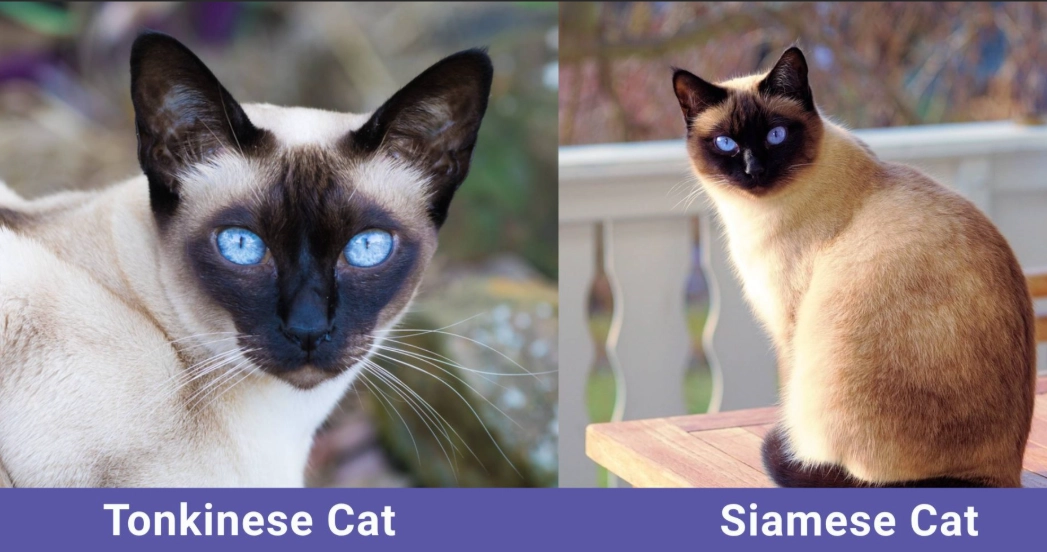
Origins and History: Where They Came From
The Siamese cat is an ancient breed, originating from Thailand (formerly Siam) centuries ago. They were revered in royal palaces and even mentioned in old manuscripts. According to The International Cat Association (TICA), Siamese cats were first brought to Europe in the late 1800s, where their exotic appearance caused a stir. I've always found it fascinating how their pointed coloration—dark ears, face, paws, and tail—evolved as a temperature-sensitive trait in warm climates.
The Tonkinese, on the other hand, is a modern hybrid. It was developed in the 1960s by crossing Siamese and Burmese cats, aiming to combine the best of both worlds. The breed gained official recognition from cat associations like TICA in the 1980s. What many people don't realize is that Tonkinese cats aren't just a random mix; breeders carefully selected for specific traits like a moderate body type and a unique "mink" coat pattern. This intentional breeding makes them more predictable than some other hybrids, but they still carry traits from both parent breeds.
Physical Appearance: Side-by-Side Look
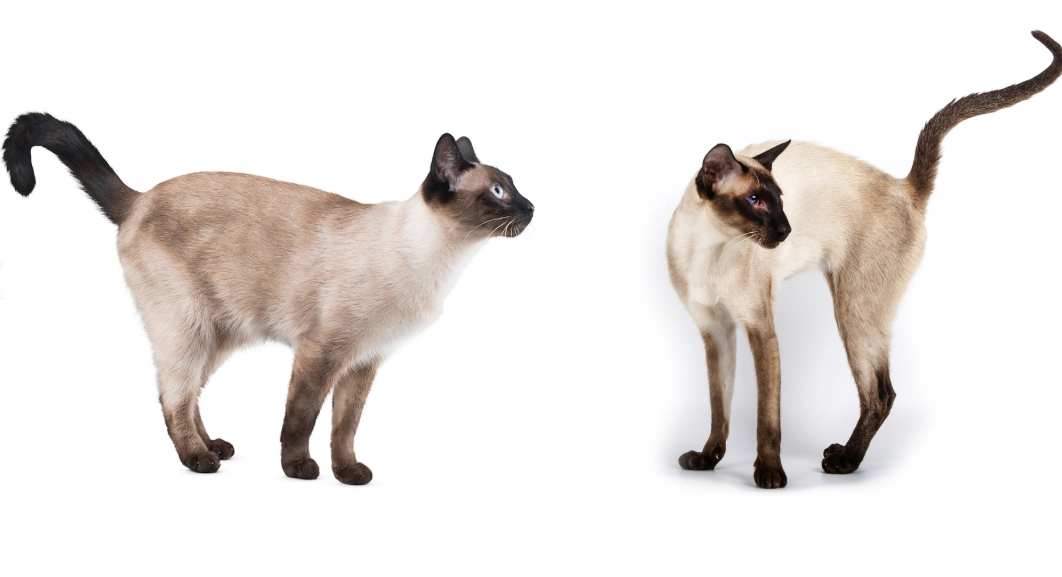
At first glance, Siamese and Tonkinese cats might seem similar, but once you know what to look for, the distinctions are clear. Let's start with a quick comparison table, then dive into the details.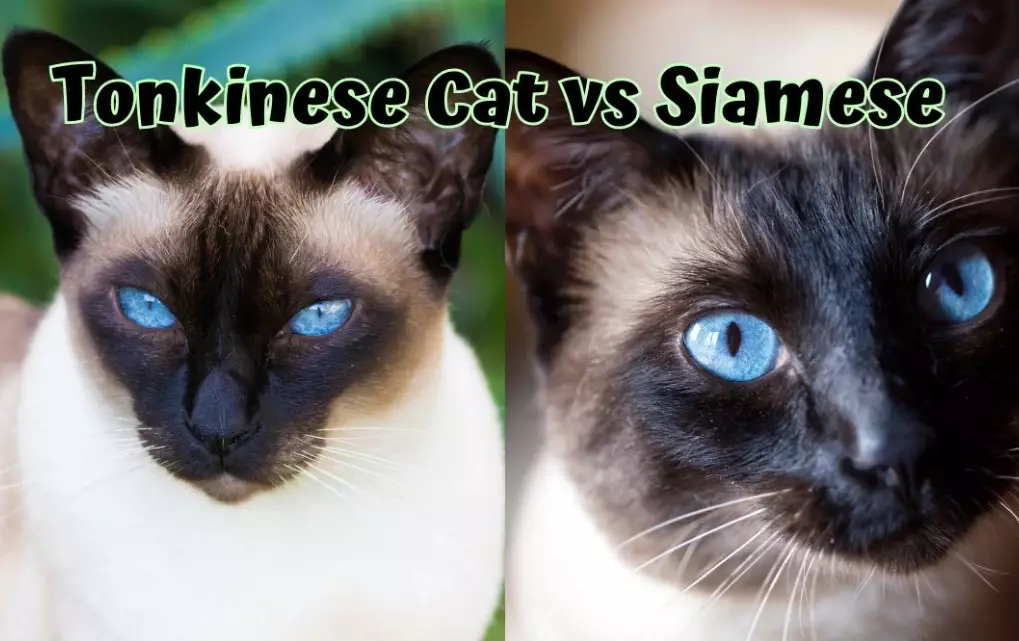
| Feature | Siamese Cat | Tonkinese Cat |
|---|---|---|
| Coat Colors | Traditional points: seal, chocolate, blue, lilac. The contrast between body and points is sharp. | Mink pattern: natural, champagne, blue, platinum. Colors blend more softly, with less contrast. |
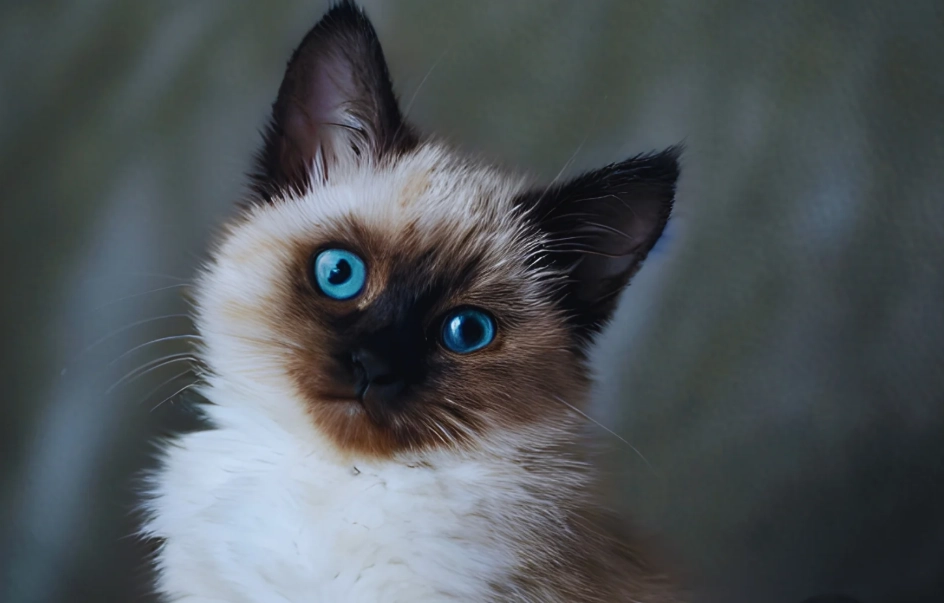
| Eye Color | Deep, vivid blue—almost sapphire-like. It's consistent across all Siamese. | Aqua or blue-green, often described as "sea-green." This is a hallmark of the breed. |
| Body Type | Slender, elegant, and elongated. They have a triangular head and large ears. | Moderate, muscular, and balanced. Not as extreme as Siamese; more like a sturdy athlete. |
| Weight Range | 8 to 12 pounds for males; females slightly smaller. | 6 to 12 pounds, with a denser feel despite similar weight. |
| Coat Texture | Short, fine, and lies close to the body. Minimal shedding. | Short, silky, and plush. Also low-shedding, but feels softer to the touch. |
I remember when I first saw a Tonkinese up close—I thought it was a Siamese with weird eyes. But after owning one, I noticed their coats have a warmer hue, especially in sunlight. Siamese cats, in contrast, often look more cool-toned. Another subtle point: Siamese kittens are born white and develop points over weeks, while Tonkinese kittens show color earlier. This isn't just trivia; it affects how breeders price them.
Coat Patterns and Genetics
The Siamese's pointed pattern is due to a temperature-sensitive albinism gene. Cooler parts of the body (like extremities) darken. Tonkinese cats inherit a modified version from Burmese ancestry, resulting in the mink pattern where colors are more blended. If you're into genetics, this means Tonkinese can produce three coat types: solid, pointed, and mink—but most pet-quality cats are mink.
Personality and Temperament: Daily Life with Each Breed
This is where the real differences kick in. Siamese cats are famously vocal and demanding. They'll follow you around, "talk" about everything, and insist on being involved in your activities. My Siamese, Luna, would meow loudly if I dared to close the bathroom door. They form intense bonds with one person and can get jealous if ignored.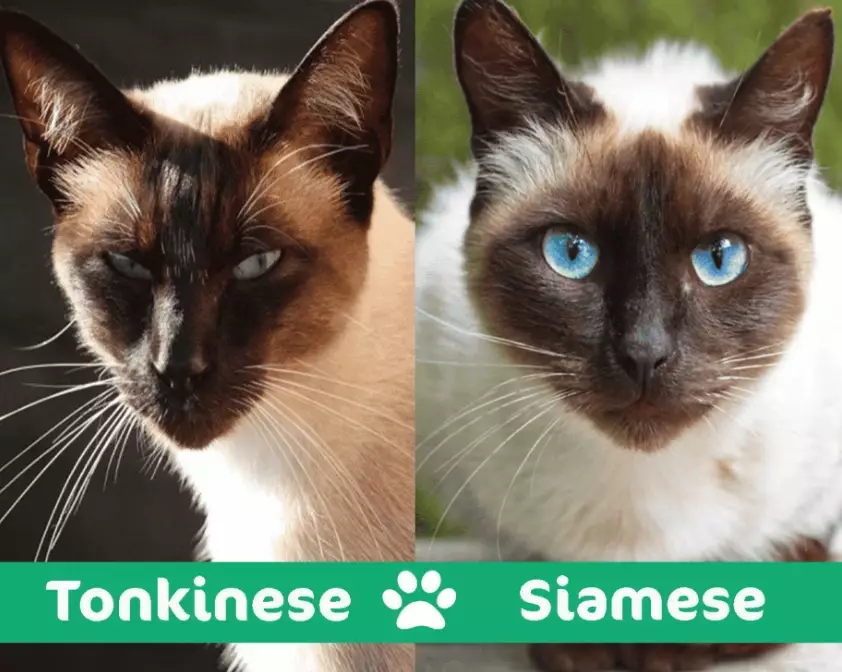
Tonkinese cats are more balanced. They're playful and affectionate but less clingy. Think of them as the social butterflies of the cat world—they love everyone, including strangers and other pets. My Tonkinese, Milo, is happy to entertain himself with toys but will curl up on my lap when he wants attention. They're often described as "dog-like" because they fetch and learn tricks easily.
A common mistake new owners make is assuming Tonkinese are just quieter Siamese. Not true. While Siamese can be drama queens over minor changes, Tonkinese adapt quicker. For example, when I moved houses, Luna hid for days, but Milo explored within hours. This adaptability makes Tonkinese better for busy households or first-time cat owners.
Energy Levels and Playfulness
Both breeds are active, but Siamese have bursts of high energy followed by deep naps. Tonkinese maintain a steady playfulness throughout the day. If you work from home, a Siamese might interrupt your calls with loud meows, while a Tonkinese will quietly play with a ball nearby. I've found that providing puzzle feeders helps channel their intelligence—both breeds are smart, but Siamese get bored faster if not mentally stimulated.
Health and Lifespan: Common Concerns
Siamese cats generally live 15 to 20 years, but they're prone to specific issues. According to veterinary resources like the Cornell Feline Health Center, Siamese can inherit conditions like progressive retinal atrophy (leading to blindness), amyloidosis (a liver disease), and dental problems. I've seen this firsthand—my friend's Siamese developed asthma, which isn't uncommon due to their slender respiratory systems.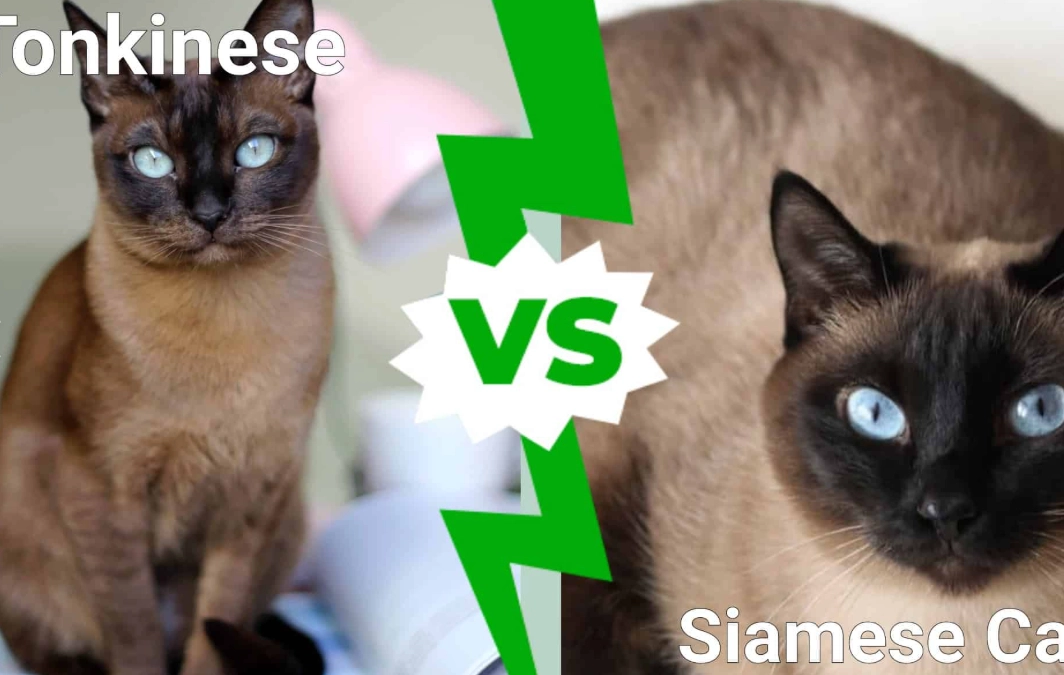
Tonkinese cats, being hybrids, often benefit from hybrid vigor and live 12 to 16 years on average. They're generally healthier, but they can inherit issues from both parent breeds, such as heart murmurs from Burmese lines or the same eye problems as Siamese. One thing rarely mentioned: Tonkinese are more prone to obesity if overfed, because their muscular build hides weight gain. Regular vet check-ups are crucial for both breeds.
Here's a quick health summary:
- Siamese: Watch for respiratory issues, dental disease, and genetic disorders. Annual blood tests can catch amyloidosis early.
- Tonkinese: Focus on weight management and heart health. A diet high in protein helps maintain muscle mass.
I always advise getting pet insurance, especially for Siamese, as their treatments can get expensive. Tonkinese might cost less in vet bills over time, but it varies by individual.
Grooming and Care Needs: What It Takes
Both breeds have short coats that are easy to groom—a weekly brush with a rubber curry comb removes loose hair. But their care needs diverge in other areas. Siamese cats require more social interaction. Leave them alone for long, and they might develop separation anxiety, leading to destructive behaviors like scratching furniture. I learned this the hard way when Luna shredded my curtains after a weekend trip.
Tonkinese are more independent but still crave playtime. They need interactive toys and climbing trees to burn energy. Grooming-wise, their ears tend to get waxier than Siamese, so a monthly clean with a vet-approved solution is a good idea. Neither breed is hypoallergenic, despite myths. I'm mildly allergic, and both trigger sneezing, though Tonkinese shed slightly less dander in my experience.
Feeding: Siamese are picky eaters and prefer wet food to support their hydration. Tonkinese will eat almost anything, so portion control is key to prevent obesity. I use puzzle feeders for both to slow down eating and provide mental stimulation.
Cost and Availability: Finding Your Cat
Siamese cats are more common and can be found from $600 to $1,200 from reputable breeders. Adoption shelters sometimes have Siamese mixes for under $200. Tonkinese are rarer and cost $800 to $1,500, depending on lineage. Show-quality cats from breeders registered with TICA or the Cat Fanciers' Association (CFA) will be at the higher end.
When I bought Milo, I visited three breeders to compare. One red flag: breeders who don't health-test for genetic issues. Always ask for documentation. Availability varies by region—Siamese are easier to find in urban areas, while Tonkinese breeders might require a waitlist. If you're on a budget, consider rescuing; many breed-specific rescues have adult cats needing homes.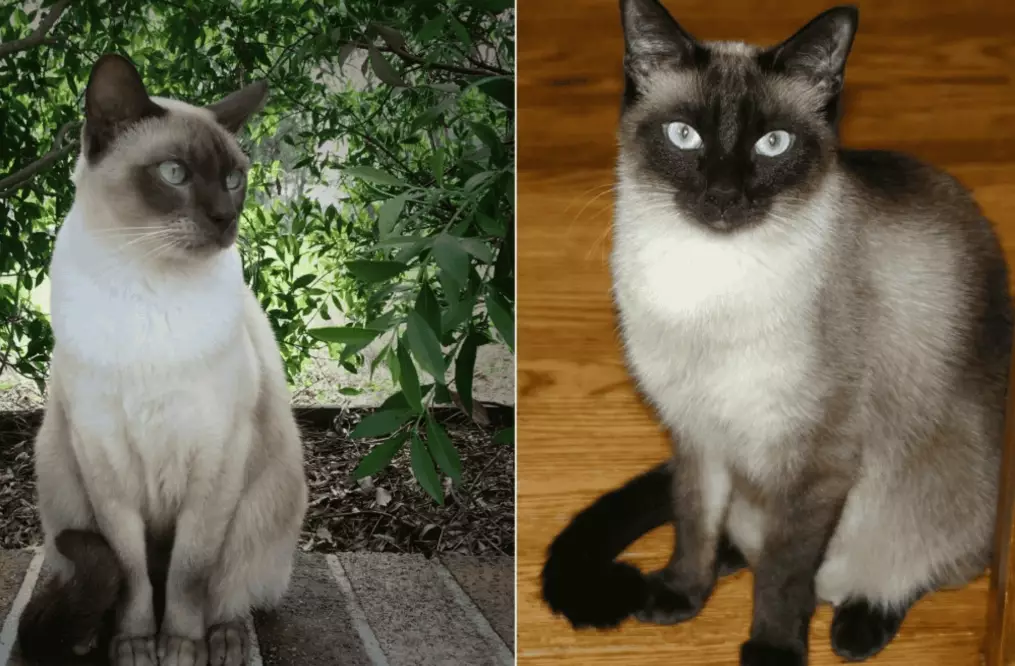
Which Breed is Right for You? A Decision Guide
Choosing between Siamese and Tonkinese boils down to your lifestyle. Let me break it down with scenarios.
Pick a Siamese if: You want a talkative, loyal companion who's like a shadow. You work from home or have plenty of time to interact. You don't mind vocal demands and enjoy a cat with a strong personality. They're great for singles or couples without young kids, as they can be sensitive to noise.
Pick a Tonkinese if: You prefer a playful, adaptable cat that gets along with everyone. You have a busy schedule or a family with children and other pets. You value a balance of affection and independence. They're ideal for first-time owners because they're less demanding.
I've seen people regret getting a Siamese because they underestimated the noise level. On the flip side, Tonkinese might not satisfy someone craving constant attention. Spend time with both breeds before deciding—visit catteries or foster homes. It's worth the effort to avoid a mismatch.