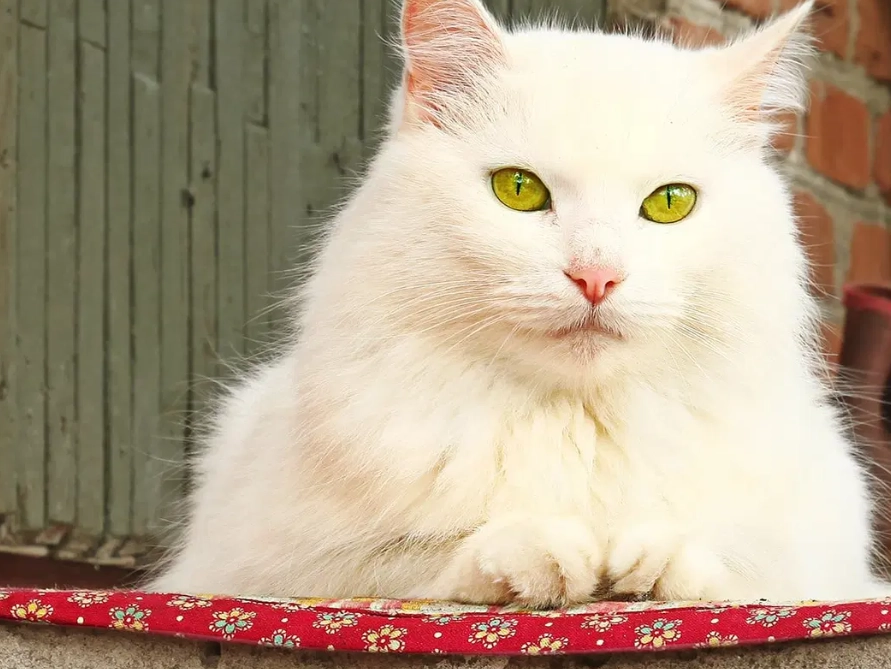
So you're curious about the Russian White cat lifespan. You love those stunning green eyes and that plush, snow-white coat, and you want your feline friend to be with you for as long as possible. I get it. After years around these cats, I can tell you the average is a solid 12 to 18 years. But that's just the starting point. Hitting the upper end of that range—or even beyond—isn't about luck. It's about understanding a few critical, breed-specific details that most generic care guides miss.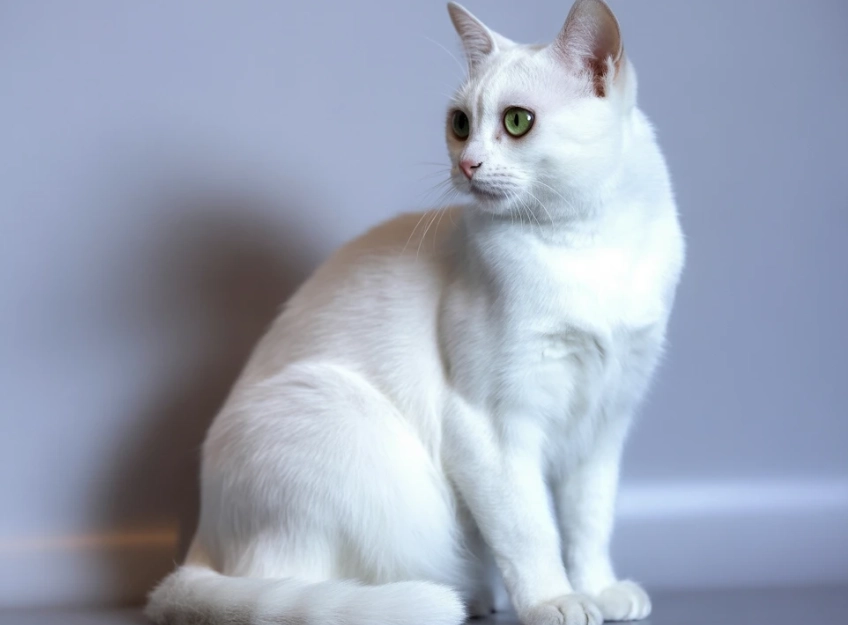
I've seen too many owners focus on the wrong things. They stress over the perfect brand of litter but overlook the silent, gradual health issue that's the real lifespan thief for this breed. Let's cut through the noise.
In This Article
What is the Average Lifespan of a Russian White Cat?
Most sources will tell you 12 to 18 years. That's accurate as a broad statistic. But it's useless without context. Think of it like a car's estimated mileage. A well-maintained sedan driven on smooth highways will outlast the same model neglected and driven off-road.
The Russian White cat lifespan is heavily influenced by a combination of genetics, environment, and proactive care. An indoor-only Russian White from a breeder who rigorously tests for hereditary conditions has a fighting chance at 18+, maybe even 20. An outdoor cat or one from unchecked lines might sadly see its lifespan halved.
Here’s a breakdown of what really moves the needle:
| Factor | Impact on Lifespan | What You Can Do |
|---|---|---|
| Indoor vs. Outdoor Living | Massive. Outdoor cats face traffic, disease, predators, and toxins. This is the single biggest preventable risk. | Commit to indoor-only living. Provide enrichment with cat trees, window perches, and interactive toys. |
| Genetic Health Screening | Critical. Predisposition to Hypertrophic Cardiomyopathy (HCM) is the #1 hidden threat. | Choose a breeder who does annual cardiac ultrasounds on breeding stock. Get your own cat screened. |
| Diet & Weight Management | Foundational. Obesity leads to diabetes, arthritis, and heart strain, cutting years off life. | Feed measured, high-protein meals. Avoid free-feeding. Treats should be |
| Preventive Veterinary Care | Non-negotiable. Cat's hide illness. Annual check-ups catch problems early when they're treatable. | Stick to yearly exams, keep vaccinations current, and discuss dental care. |
See that? The number "12-18 years" starts to mean something. It's a range you have direct influence over.
The Biggest Health Challenges Facing Russian White Cats
Knowing the common pitfalls lets you guard against them. Russian Whites are generally robust, but they have a couple of Achilles' heels.
Hypertrophic Cardiomyopathy (HCM): The Silent One
This is the big one. HCM is a heart disease where the muscle thickens, making it harder for the heart to pump blood. It's hereditary and common in many breeds, including Russian cats. The insidious part? A cat can have it for years with zero symptoms, then suddenly develop heart failure or a tragic blood clot.
The mistake most owners make is assuming no cough or lethargy means a healthy heart. By the time those signs appear, the disease is advanced. The solution isn't panic, it's proactive screening. A veterinary cardiologist can perform an echocardiogram (an ultrasound of the heart) to check for thickening. Reputable breeders test their breeding cats annually—you should ask for proof of this.
Dental Issues and Obesity: The Slow Burn
These two are linked and often underestimated. Russian Whites can be prone to gingivitis and tooth resorption. Dental pain stops a cat from eating properly, leading to nutritional issues and systemic inflammation that affects every organ.
Combine that with a tendency to gain weight if overfed, and you have a recipe for a shortened healthspan (the period of life spent in good health). Arthritis from obesity makes them less active, which worsens the weight problem, and diabetes can follow. It's a downward spiral that starts with an extra handful of kibble every day.
A Non-Consensus View: Many think a "healthy weight" means a cat that's just not visibly fat. I disagree. For a Russian White, you should be able to easily feel their ribs with a flat hand, and they should have a visible waist when viewed from above. If you're petting and can't find the ribs under a soft layer, they're already overweight. That layer is doing silent damage.
How Can I Extend My Russian White Cat's Lifespan?
This is the actionable part. Extending your cat's life isn't about one magic trick; it's about a consistent, layered approach to their care.
1. Master Their Nutrition and Hydration
Forget chasing the "best" brand. Focus on composition and practice.
- Protein is Priority: Cats are obligate carnivores. Look for foods where a named meat (chicken, turkey, fish) is the first ingredient, not a grain or meat by-product.
- The Wet Food Advantage: I strongly advocate for including wet food in their diet. It provides crucial moisture, which supports kidney and urinary tract health—a common concern as cats age. A common error is feeding only dry kibble for convenience.
- Measure Everything: Use a kitchen scale or a measuring cup. Follow the feeding guidelines on the bag/can, but adjust for your cat's activity level. Your vet can help calculate their exact calorie needs.
2. Engineer an Enriching, Safe Environment
"Indoor-only" fails if the indoor environment is boring. Stress and boredom cause problems.
- Vertical Space: Russian Whites are often agile and observant. Cat trees, wall shelves, and secure window hammocks give them territory and mental stimulation.
- Predictable Routine: Cats thrive on predictability. Feed, play, and have quiet time around the same hours each day. This reduces anxiety.
- Toxin-Free Home: Be aware of lilies (extremely toxic), certain essential oils, and human medications. Keep them completely out of reach.
3. Build a Partnership with Your Veterinarian
Don't just go when something is wrong. Preventive care is the cornerstone of a long Russian White cat lifespan.
- Annual Exams are Non-Negotiable: These check-ups include weight monitoring, dental inspection, heart and lung auscultation, and bloodwork as they age. Bloodwork can reveal early kidney or thyroid issues long before symptoms show.
- Discuss HCM Screening: Talk to your vet about a baseline echocardiogram, especially if your cat's genetic background is unknown. It's an investment that provides peace of mind or an early action plan.
- Dental Care Plan: Ask about professional cleanings under anesthesia and at-home care like dental treats or water additives. Bad teeth aren't just a mouth problem.
A Case Study in Longevity: Sasha's Story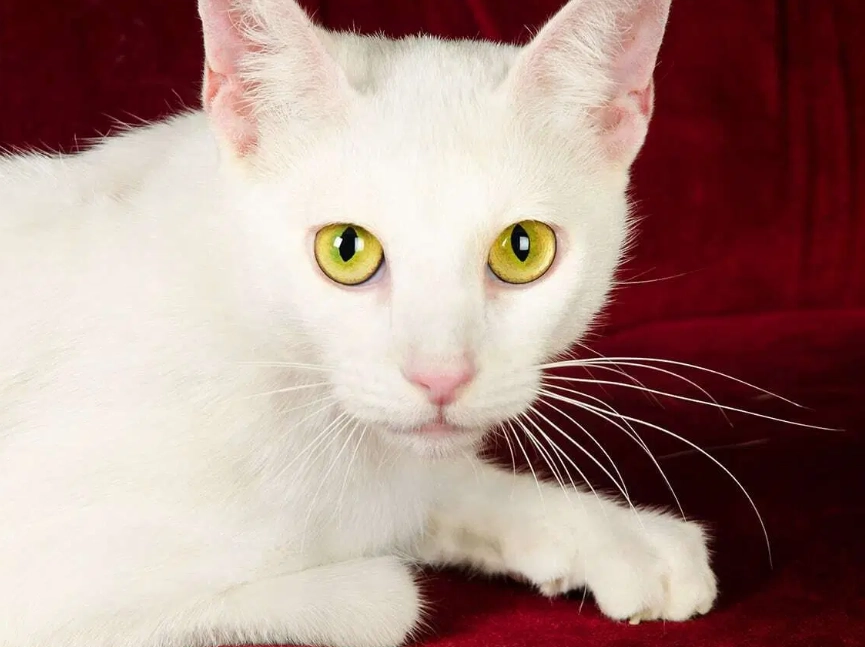
I knew a Russian White named Sasha who lived to be 19. Her owner wasn't a vet, just incredibly attentive. Here’s what set Sasha apart:
She was always an indoor cat. Her diet was a mix of high-quality wet and dry food, measured precisely. Every morning, her owner would spend 10 minutes playing with a feather wand—Sasha would leap and sprint, getting her heart rate up. This wasn't just fun; it was daily cardio.
At age 8, a routine vet visit detected a slight heart murmur. Because of her breed, the vet recommended an echo. It showed very early-stage HCM. They didn't wait. Sasha started on a low-dose medication that day. That early intervention likely added 5+ healthy years to her life by slowing the disease's progression dramatically.
Her owner also brushed her teeth a few times a week with a pet enzymatic toothpaste. Sasha hated it at first, but with patience, it became routine. She never needed a single tooth extraction.
Sasha's story shows it's the combination: preventive environment + proactive medical care + consistent daily habits. That's the formula.
Your Russian White Cat Lifespan Questions Answered
 Ultimately, the Russian White cat lifespan is more in your hands than you might think. It's not about wrapping them in bubble wrap. It's about informed, consistent care that respects their specific needs. Start with a great vet, commit to keeping them indoors, feed them thoughtfully, and play with them every day. Those simple, deliberate actions are what build the foundation for those extra years of purrs and companionship.