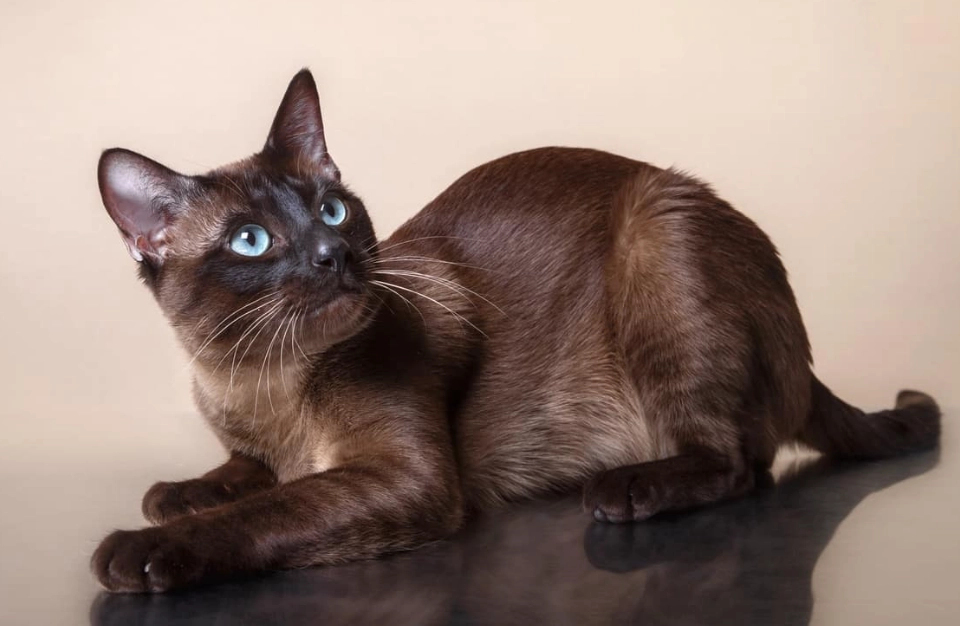
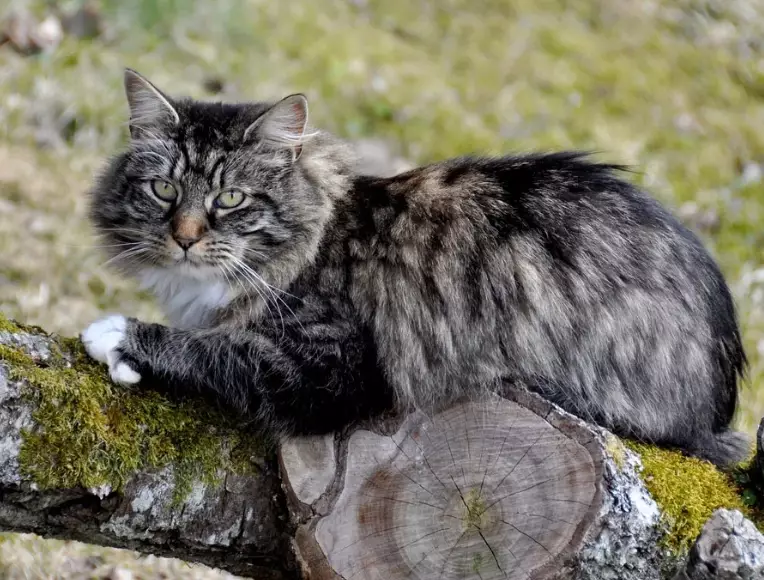
You see the photo. The stunning blue eyes, the silky fur, the white-gloved paws. It's easy to think the Birman is just another beautiful, aloof show cat. But spend five minutes with one, and that assumption shatters. The Birman cat personality is its real magic trick. They're not furniture. They're family.
I've lived with cats for over twenty years, from rescues to purebreds, and my first Birman, Saffron, changed my entire perspective on what a cat companion could be. She wasn't just my cat; she was the household's emotional barometer, a quiet, persistent presence of pure affection. This guide isn't a list of generic traits. It's a deep dive into what it's actually like to share your home with a Birman, based on years of observation and conversations with other Birman owners and reputable breeders.
What's Inside This Guide?
- The 3 Core Birman Personality Traits You Must Know
- A Day in the Life with a Birman Cat
- Is a Birman Cat Right for Your Family? A Reality Check
- Birman Personality Myths Debunked
- How Does the Birman Compare to Other Gentle Breeds?
- Caring for Their Unique Personality: Tips from an Experienced Owner
- Your Birman Personality Questions, Answered
The 3 Core Birman Personality Traits You Must Know
Forget the fluff. If you remember nothing else, remember these three pillars of the Birman temperament. They're the foundation of everything.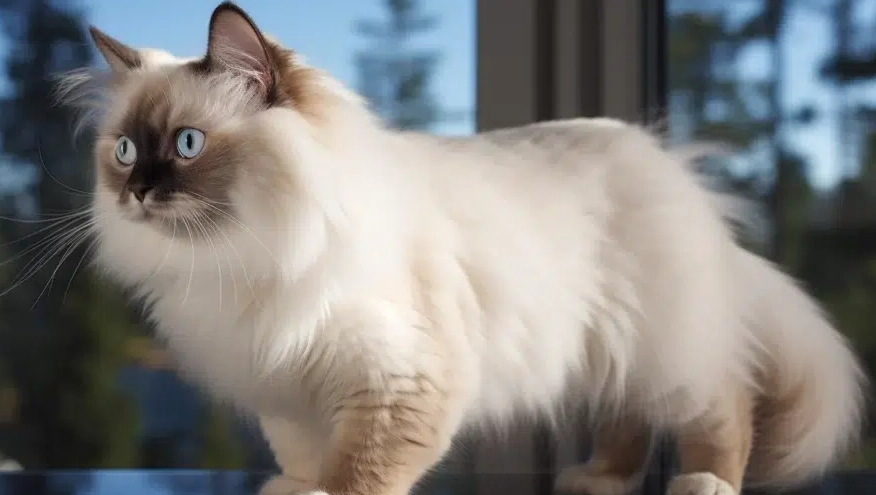
1. The Velcro Companion (It's Not Clingy, It's Connected)
Birmans are famously people-oriented. But "affectionate" doesn't quite cover it. They don't just want pets; they want proximity. You'll find them in the same room, often on a nearby chair rather than directly on your lap—though many graduate to laps. They follow you from room to room, not frantically, but with a calm, curious purpose. It's less about neediness and more about a deep-seated desire to be part of the action. A common scene in my house: me working at my desk, Saffron curled up on the printer, just watching.
2. The Gentle Soul with a Quiet Voice
They are not loud. You won't get the operatic yowls of a Siamese. Their meow is often a soft, chirping sound, more of a polite comment than a demand. This gentleness extends to their physicality. They tend to be careful with their claws, even in play, and adapt beautifully to calm households. However, this quiet nature is often mistaken for being timid. It's not. It's a calm confidence. They observe first, then engage.
3. The Playful Observer
Don't let the serene exterior fool you. Birmans retain a playful, sometimes kittenish side well into adulthood. It's not the frantic zoomies of some breeds, but a more deliberate play. They love feather wands, crinkly balls, and puzzles that make them think. The key is they often want you involved. Throwing a toy for them to fetch alone? Maybe. You wiggling the wand while they perform elegant leaps? Absolutely.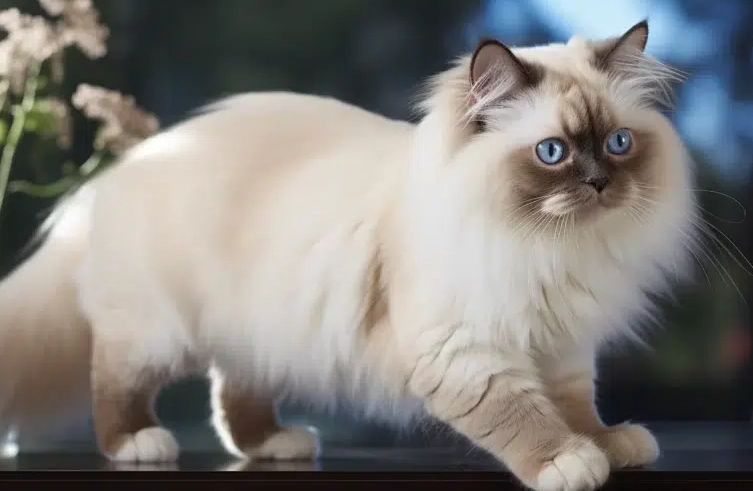
A Day in the Life with a Birman Cat
Let's get concrete. What does this personality look like from sunrise to bedtime?
Morning (7 AM): No alarm clock needed. Your Birman is likely perched politely beside your pillow, maybe giving your cheek a gentle head-butt or a soft chirp. They'll follow you to the kitchen, not screaming for food, but sitting expectantly, those blue eyes fixed on you.
Work Hours (9 AM - 5 PM): If you work from home, you have a supervisor. They'll find a sunny spot on your desk, a chair behind you, or the coveted lap position during video calls (a guaranteed co-worker compliment). They nap, but periodically check in with a look or a slow blink.
Evening (6 PM - 9 PM): This is prime engagement time. After dinner, they're often up for a 15-20 minute play session. This is when you'll see their athletic side. Afterward, they transition seamlessly into couch mode, claiming a spot beside you or a family member for TV time. They're not typically lap-monopolizers, but they are steadfast sitting-buddies.
Night (10 PM+): Birmans generally adapt to your sleep schedule. They might do a quiet patrol of the house, then curl up at the foot of the bed or in their own favorite spot. They're not usually nocturnal troublemakers.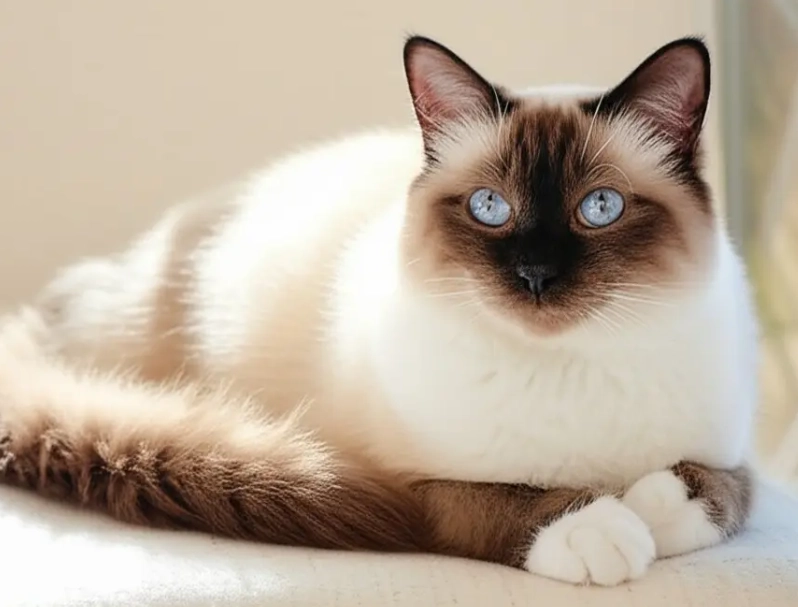
Is a Birman Cat Right for Your Family? A Reality Check
They're marketed as perfect family cats. Mostly true, but with crucial context.
With Children: Their gentle, patient nature makes them excellent with respectful kids. They're less likely to scratch than more high-strung breeds. But—and this is critical—they are not crash-test dummies. A toddler chasing or grabbing will stress any cat, including a Birman. They thrive with children who are taught to interact calmly.
With Other Pets: They often do very well with cat-friendly dogs and other cats, especially if introduced properly. Their non-confrontational style helps. I've seen Birmans become the calming influence in a multi-pet home.
For Singles/Couples: Ideal. They offer companionship without being overwhelming. They're perfect for someone who wants a close bond but appreciates a cat with a bit of independent dignity.
The Wrong Home: A chaotic, constantly loud household with little routine might make a Birman retreat and become shy. They also aren't a good fit if you want a completely hands-off, "look but don't touch" cat.
Birman Personality Myths Debunked
Myth 1: "They are just like Ragdolls or Siamese." Wrong. Ragdolls are famously floppy and ultra-relaxed when held. Birmans are affectionate but often more postured; they like to be near you, not necessarily limp in your arms. Siamese are vocal and demanding; Birmans are quiet and polite.
Myth 2: "They are low-maintenance because they're gentle." Their energy is lower maintenance, but their emotional needs are not. They can develop separation anxiety if left completely alone for very long periods regularly. They need mental stimulation and interaction.
Myth 3: "They never get angry or scratch." Any cat has limits. A Birman will typically give many warnings (a flick of the tail, a flattened ear, moving away) before resorting to a defensive swat. They are forgiving, but not robots.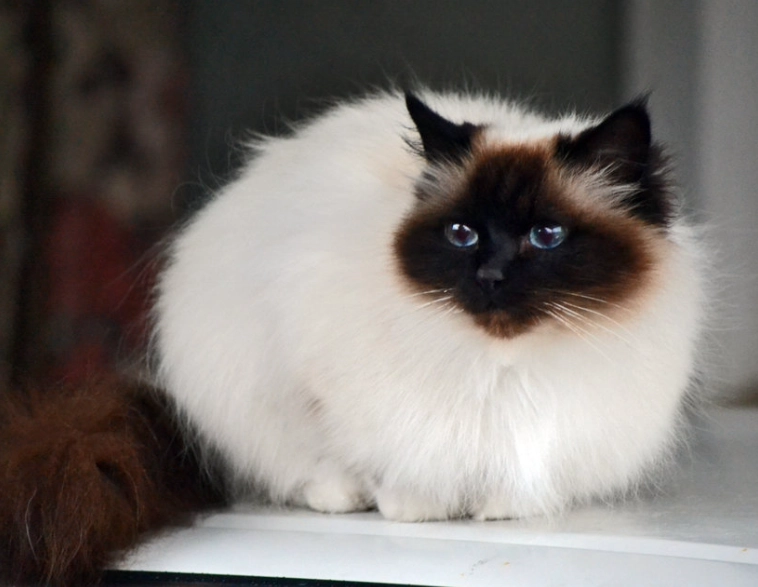
How Does the Birman Compare to Other Gentle Breeds?
| Personality Trait | Birman | Ragdoll | British Shorthair |
|---|---|---|---|
| Affection Style | Companionable & Observant. Prefers being nearby. | Ultra-Cuddly & Floppy. Often seeks being held. | Loyal but Independent. Enjoys presence on their own terms. |
| Activity Level | Moderate. Playful in bursts, then calm. | Low to Moderate. Generally very relaxed. | Low. Noted for being a calm, "couch potato" breed. |
| Vocalization | Quiet. Soft chirps and mews. | Quiet to Moderate. Some lines can be chatty. | Very Quiet. Rarely vocalizes. |
| Adaptability to Change | Good, but values routine. Observes new situations carefully. | Generally Excellent. Known for easy-going nature. | Can be Reserved. May take time to warm up to big changes. |
| Best For Someone Who Wants... | A gentle, ever-present shadow and interactive friend. | A supremely cuddly, relaxed lap cat. | A dignified, low-key, undemanding companion. |
Caring for Their Unique Personality: Tips from an Experienced Owner
You don't just feed a Birman; you nurture their temperament.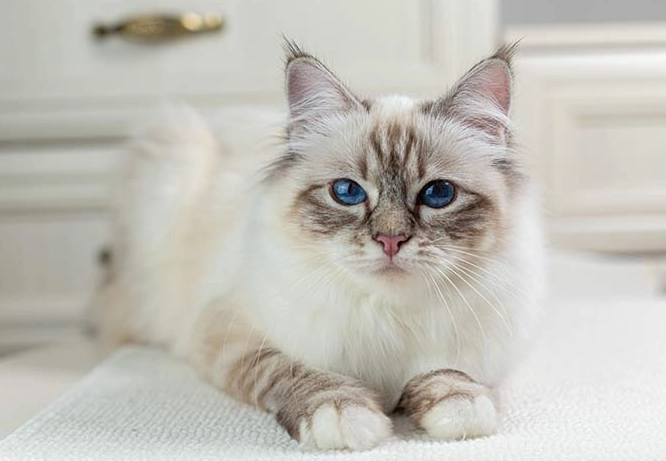
- Combat Separation Anxiety: If you work long hours, seriously consider getting two. They keep each other company. If that's not possible, create a "lookout" perch by a window, use puzzle feeders, and leave a radio on softly. The Cat Fanciers' Association notes their social nature, which underscores this need.
- Play to Their Intelligence: Rotate toys. Introduce food puzzles (even simple ones like a muffin tin with balls over the cups). Teach them simple tricks like "sit" or "high five" using treats—they're often quick studies.
- Grooming is Bonding: Their semi-long coat doesn't mat easily, but a twice-weekly brush is less about fur and more about ritual. It's a quiet, focused time they usually adore. It reinforces your bond.
- Respect Their Space: They will come to you. Forcing cuddles when they're not in the mood teaches them to avoid you. Let them initiate, and you'll be rewarded with more frequent contact.
Your Birman Personality Questions, Answered
It's a significant risk for their well-being. A single Birman in an empty house for that long, daily, is a recipe for loneliness and potentially destructive boredom or anxiety. The solution isn't complex: get two kittens from the same litter, or adopt a pair. They will entertain and comfort each other. If you can only have one, you must commit to intensive interactive play before and after work, and set up a very enriching environment. But honestly, two is the more ethical choice for this breed in that scenario.
Completely normal, and it highlights a key nuance. Their devotion is often selective. They bond deeply with their family unit but remain cautious with strangers. This isn't a flaw; it's part of their observant nature. Don't force interactions. Let your guest sit quietly and perhaps toss a treat. The Birman will likely approach in their own time, often by the end of the visit, to investigate this new person who has passed the "quiet test."
In my experience and from talking to many breeders, the difference is minimal in this breed. Both sexes exhibit the core gentle, people-loving traits. Individual personality and, more importantly, how they are socialized as kittens matter far more than gender. Don't choose based on a stereotype; meet the kittens and observe their interactions, or discuss individual temperaments with the breeder.
Ask specific questions. A good breeder will have kittens raised "underfoot" in the main living area, not isolated in a room or garage. They should be able to describe each kitten's little quirks—"this one is the bold explorer," "that one is the cuddlebug." They will also ask you many questions about your lifestyle to ensure it's a match. Be wary of breeders who only talk about color and show potential. According to The International Cat Association's breed standard, temperament is as important as appearance.
The Birman cat personality isn't a list of bullet points. It's an experience. It's the quiet comfort of a constant, gentle companion who chooses to be with you. They offer affection without obsession, playfulness without chaos, and beauty with a heart to match. If your home needs a soft, intelligent, and deeply connected presence, the Birman might just be the sacred companion you've been looking for.