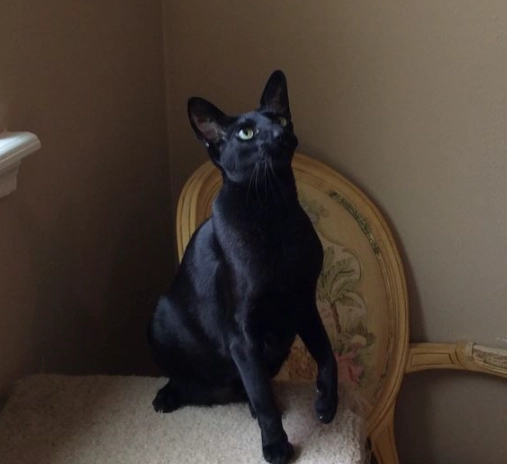
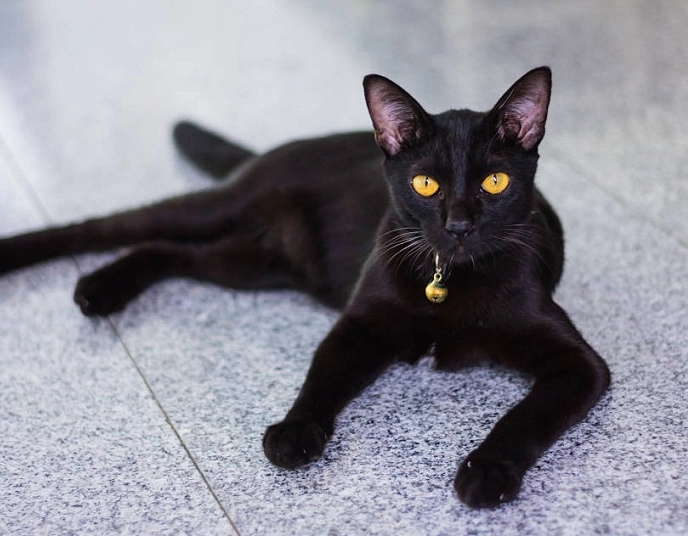
Let's clear something up right at the start. If you're searching for a "black Birman cat," you might be picturing a solid, jet-black feline. Here's the thing: a pure, all-over black coat isn't a standard color for the Birman breed. The classic Birman look is a color-pointed pattern with a pale body and darker face, ears, legs, and tail, always accompanied by four pristine white paws they call "gloves." The darkest of these points, like seal point, can look incredibly deep and rich—almost black in certain light. That's likely what's sparking your search. But whether you're drawn to that near-black seal point or are just captivated by the breed's legendary gentle nature, you're in the right place. I've shared my home with Birmans for over a decade, and this guide will walk you through everything from their true colors and soulful personality to the nitty-gritty of their care, cutting through the common myths you'll find repeated on generic pet sites.
What You'll Discover Inside
- Is There a Pure Black Birman Cat?
- The Birman Cat Breed Standard: Colors and Appearance
- Birman Cat Personality: Why They're Called 'Sacred Cats of Burma'
- How to Care for Your Birman Cat: Grooming, Diet, and Health
- Finding and Choosing a Birman Cat: Breeder vs. Rescue
- Birman Cat Black: Frequently Asked Questions
Is There a Pure Black Birman Cat?
No. According to every major cat registry, like The Cat Fanciers' Association (CFA) and The International Cat Association (TICA), a solid black coat disqualifies a cat from being shown as a Birman. The breed's identity is tied to the pointed pattern and white gloves. However, the term "black Birman" often pops up in two contexts.
First, people usually mean a Seal Point Birman. The seal color is a very dark brown that appears black unless you look closely in bright light. It's the deepest, most dramatic point color. My first Birman, Jasper, was a seal point. In the evening, he looked like a little shadow with four white mittens and brilliant blue eyes—stunning.
Second, you might find non-pedigree cats or mixed breeds that resemble Birmans with black coats. These are lovely pets, but they aren't purebred Birmans. If a breeder is advertising "rare black Birmans," that's a major red flag. They're either misinformed or, worse, not a reputable breeder.
The Bottom Line: Don't search for a black coat; search for the Birman temperament. The color is secondary to the incredible companion you'll get. That deep seal point is the closest you'll get to "black," and it's a breathtakingly beautiful option.
The Birman Cat Breed Standard: Colors and Appearance
So, what does a real Birman look like? Think of a long-haired Siamese with a sturdier build and those magical white feet. It's a specific, elegant package.
Official Birman Cat Colors
The body is an off-white, cream, or golden shade, contrasting with the darker points. The accepted point colors are:
- Seal Point: Deep, dark brown points. The classic and most common.
- Blue Point: A slate gray-blue point color, softer than seal.
- Chocolate Point: A lighter, milk-chocolate brown.
- Lilac Point: A pale, frosty gray with a pinkish tone.
- Plus patterns: These colors can also come in tabby (lynx) and tortoiseshell (tortie) point patterns, adding stripes or patches.
Here’s a quick comparison of the two darkest point colors, which are most relevant to the "black" search:
| Point Color | Appearance | Body Color | Notes |
|---|---|---|---|
| Seal Point | Very dark brown, appears near-black. | Pale cream to light beige. | Most dramatic contrast. Nose leather and paw pads are dark brown. |
| Blue Point | Cool slate gray, a diluted version of seal. | Bluish-white to platinum beige. | Softer look. Nose leather and paw pads are slate gray. |
Key Physical Traits Beyond Color
The white gloves are non-negotiable and symmetrical. The eyes are always a deep, vivid blue. Their coat is semi-long, silky, and lacks a dense undercoat. This is a huge deal—it means they are less prone to matting than Persians or Maine Coons, and they shed less noticeably. It's a common misconception that they don't shed at all; they do, but the fine hairs tend to cling less and are easier to manage.
I made the mistake with my first cat of assuming the "no undercoat" claim meant zero grooming. Big error. While they don't mat easily, a weekly brush is essential to remove loose hair, distribute skin oils, and prevent hairballs. That silky fur still finds its way onto dark sweaters.
Birman Cat Personality: Why They're Called 'Sacred Cats of Burma'
Forget the color for a second. This is why people fall in love with Birmans. Their personality is consistently described as dog-like, gentle, and affectionate. It's not hype.
They want to be with you. Not just in the same room, but on your lap, following you to the kitchen, greeting you at the door. They're communicative but not loud; they'll often chirp or trill rather than yowl. They tend to be great with children, other cats, and even cat-friendly dogs due to their calm and adaptable nature.
Here's a subtlety many miss: their play style. They're not usually the frantic, zoomie-at-3-am type (though kittens are kittens). They prefer interactive play—chasing a wand toy, fetching a crinkle ball. Jasper would bring his favorite mouse toy and drop it at my feet, expecting a throw. Every night. It was our ritual.
They can be surprisingly sensitive to household tension. A stressed home can make a Birman withdrawn. They thrive on peaceful, predictable routines. If your life is chaotic and loud, a Birman might not be the best fit, regardless of how beautiful that seal point is.
How to Care for Your Birman Cat: Grooming, Diet, and Health
Caring for a Birman is moderately easy, but it has its specific points. Let's break down the essentials.
Grooming Your Birman
Weekly brushing with a stainless steel comb and a slicker brush is perfect. Focus on the ruff, belly, and britches (the fluffy back legs). During spring and fall shedding seasons, you might need to brush every other day. Baths are rarely needed unless they get into something messy. A bigger grooming task? Those white gloves. They can pick up dirt and litter. I keep pet-safe wipes handy for quick paw clean-ups.
Diet and Nutrition
Birmans aren't known for being picky eaters, but they have a tendency to gain weight if free-fed. I recommend measured meals of high-quality wet and dry food. Look for protein as the first ingredient. Avoid fillers like corn and wheat. A common mistake is over-treating because they're so sweet and persuasive. Trust me, they are masters of the pleading blue-eyed stare.
Birman Cat Health Overview
They are generally healthy, with a lifespan of 12-16 years. However, responsible breeders screen for certain genetic conditions:
- Hypertrophic Cardiomyopathy (HCM): A heart condition. Ask breeders for proof of recent HCM scans for the parents.
- Polycystic Kidney Disease (PKD): Less common than in Persians, but some lines can be affected. DNA testing is available.
You must also watch for gum disease, common in many cats. Annual vet check-ups are crucial. Pet insurance is a wise investment I wish I'd gotten sooner for my first cat.
Finding and Choosing a Birman Cat: Breeder vs. Rescue
This is the most important step. Getting a healthy, well-socialized kitten from an ethical source sets you up for success.
Choosing a Responsible Breeder
A good breeder will:
- Ask you as many questions as you ask them.
- Be registered with a cat association (CFA, TICA).
- Provide health clearances for parents (HCM scans, PKD tests).
- Raise kittens in the home, not in cages.
- Let you visit (or do a thorough video tour) to see the conditions and meet the mother cat.
- Have a contract that includes a health guarantee and requires you to spay/neuter.
- Never have kittens "available now" year-round. Expect a waiting list.
Be prepared to pay $800 to $2,500+ for a pet-quality kitten. Show-quality cats cost more. The price reflects the health testing, care, and registration.
Considering Birman Rescue
Purebred cat rescues sometimes have Birmans or Birman mixes. Organizations like Purebred Cat Rescue or regional breed-specific rescues are worth checking. Adopting an adult cat means you know their personality upfront, and you're giving a home to a cat in need. It can be a wonderful, rewarding path.
My second Birman, Luna, was a rehome from a family who couldn't keep her. She was three years old, a blue lynx point, and settled in as if she'd always been here. She didn't care that she wasn't a "black" cat; she was just happy to have a stable home.
Birman Cat Black: Frequently Asked Questions
My Birman cat's white gloves are always dirty. What can I do?
This is the number one practical complaint from Birman owners. First, ensure you're using a low-dust, clumping litter. Pellet or crystal litters can be cleaner but some cats dislike the texture. Keep a small towel or pack of pet wipes by the litter box for quick clean-ups. For stubborn stains (like from tracking in dirt), a damp cloth with a bit of cat shampoo usually does the trick. Don't use human products. Trimming the long hair between the toe beans can also help reduce what gets caught.
Are Birman cats really hypoallergenic?
No cat is 100% hypoallergenic. The primary allergen, Fel d 1, is in cat saliva and skin secretions. Birmans produce this allergen like any other cat. However, their single-layer, silky coat may trap less dander and spread it around the house less than a dense double coat. They also tend to be fastidious groomers, spreading saliva. If you have allergies, spend time with a Birman before committing. An air purifier and regular grooming (done by a non-allergic person) are your best allies.
How can I tell if my seal point Birman kitten will darken up nicely?
All pointed cats are born white and develop their points as they age, influenced by temperature. It's a bit of a guessing game. Look at the parents—that's your best indicator of how dark the points will become. Generally, the nose leather and paw pad color on a kitten is a strong clue. Very dark brown pads on a seal point kitten suggest a deep, rich point color will develop. The contrast continues to deepen until they are about two years old.
My Birman follows me everywhere and meows. Is this separation anxiety?
It could be. Birmans form intense bonds and dislike being alone for long periods. If you work long hours, seriously consider getting two cats so they can keep each other company. For the meowing, ensure it's not a demand for food or play first. If it's attention-seeking, try not to reward the vocalization with attention. Instead, wait for a quiet moment, then give affection or a treat. Providing puzzle feeders and high perches can also create independent enrichment.
What's the biggest misconception about Birman cats?
That they are aloof or "lap ornaments." Nothing could be further from the truth. They are engaged, interactive family members. Another is that they require no grooming. That single coat is a blessing, but it still needs maintenance. The final one is the focus on color, like searching for a black one. The breed's magic isn't in achieving a specific shade; it's in the combination of stunning looks, manageable coat, and that unparalleled, gentle-hearted personality that makes them truly sacred companions.