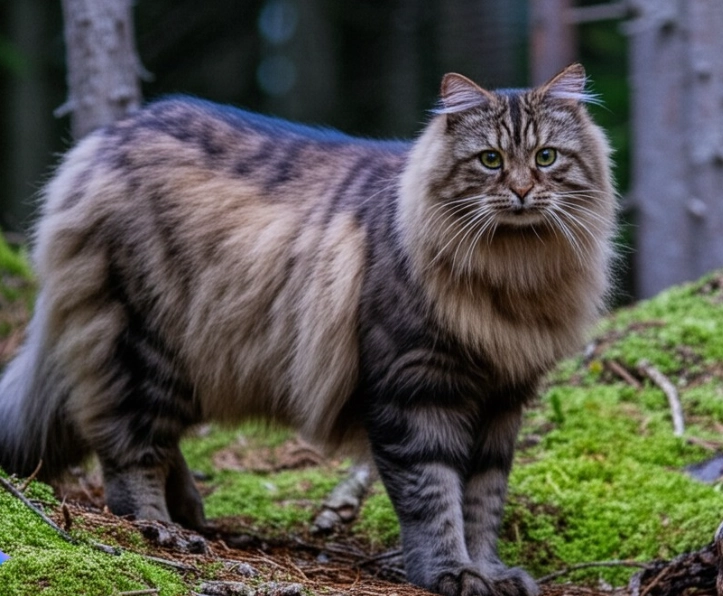
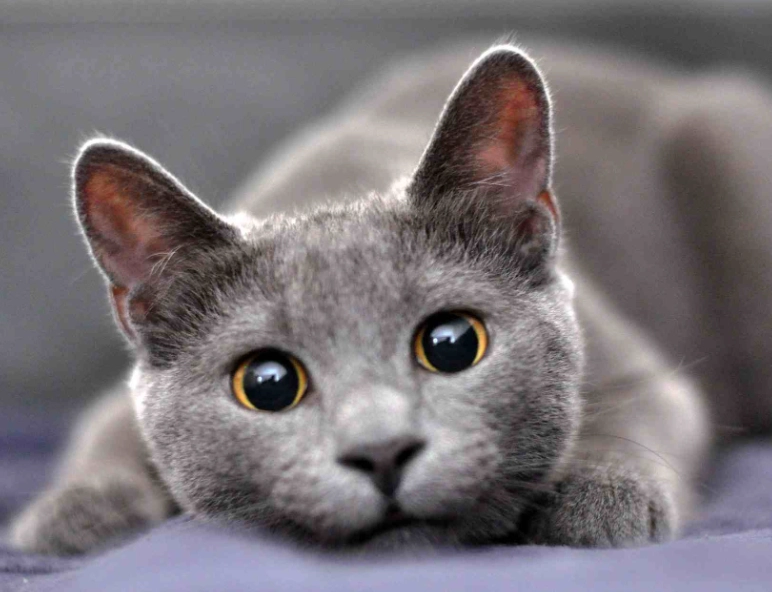
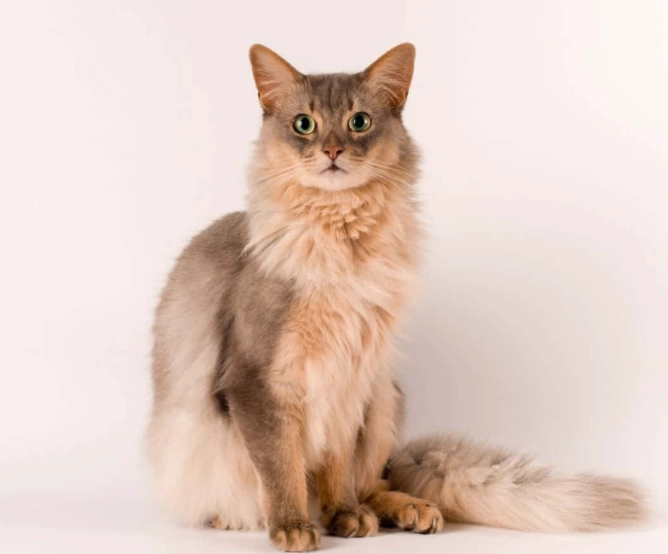
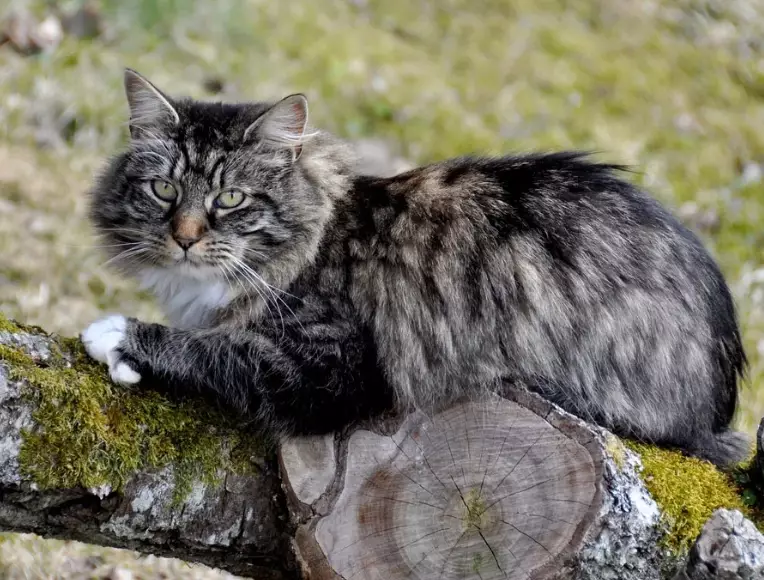
You're looking at pictures of these stunning, aqua-eyed cats and wondering: are they as cuddly as they look? The short, honest answer is yes, most Tonkinese cats adore being held and will actively seek out your lap. But that "most" is crucial. I've lived with Tonks for over a decade, and while the breed leans heavily towards being velcro cats, treating every individual as a guaranteed lap-cat is the first mistake new owners make. Their affection is a product of their unique history—a deliberate cross between the talkative, people-oriented Siamese and the sturdy, gentle Burmese. This blend creates a cat with a dog-like devotion but with its own distinct rules of engagement.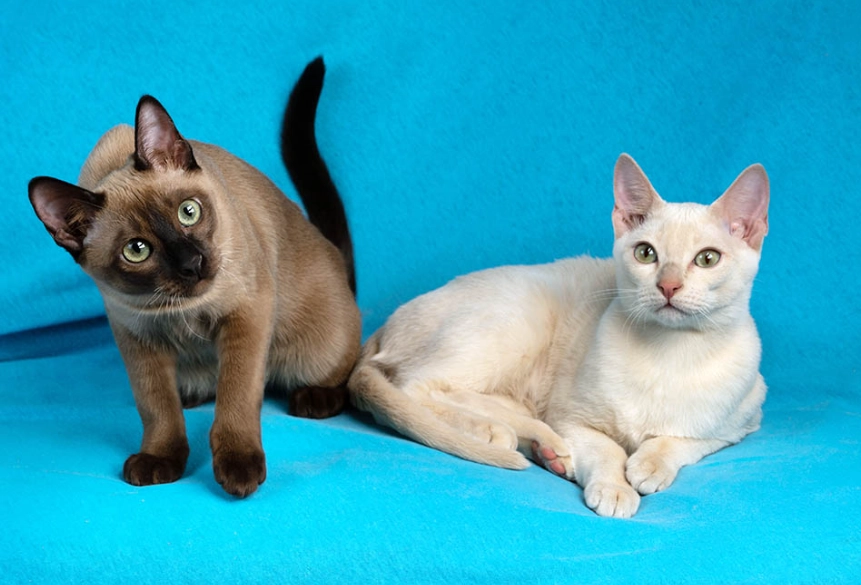
What's Inside?
The Tonkinese Personality: Why They Crave Connection
Forget aloof, independent cats. The Tonkinese is engineered for companionship. They follow you from room to room, not out of curiosity, but out of a genuine need to be part of your action. This stems directly from their parent breeds. The Siamese contribution brings a chatty, inquisitive, and highly social nature. The Burmese side adds a physical, mellow, and deeply affectionate temperament. The result is a cat that doesn't just tolerate your presence—it thrives on it.
Being held satisfies several core needs for them. It's a primary form of bonding, a way to share warmth, and a position from which they can observe their domain (your living room) safely. A common misconception is that this need makes them "needy" in a negative way. It's not neediness; it's partnership. They see you as their primary social companion. I recall my first Tonk, Mochi, would literally drape himself over my shoulder while I worked at the computer, purring directly into my ear. He wasn't demanding attention; he was offering it, and holding him was the accepted currency of our friendship.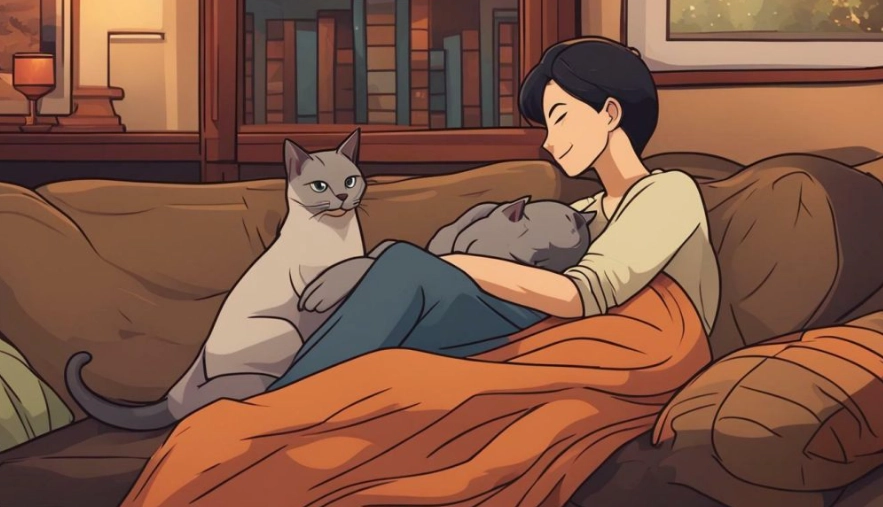
The Expert Angle: Many online sources will flatly state "Tonkinese love to be held." As an owner, I'd refine that: Tonkinese love to be *involved*. Holding is one of their preferred methods of involvement, but if you're holding them in a way that restricts their ability to see, sniff, or be part of things, they'll squirm. It's the difference between a restrictive hug and a comfortable perch.
Key Factors That Influence If *Your* Tonkinese Likes to Be Held
Breed tendency is one thing. Individual personality is everything. Assuming your cat will conform to the breed standard is where frustration begins. Here are the real-world factors that determine your cuddle success rate.
Early Socialization (The Make-or-Break Factor)
This is the biggest one. A Tonkinese kitten that has been gently and consistently handled by multiple humans from weeks 3 to 14 will almost always grow into a cat that seeks out human contact. Reputable breeders, like those registered with The International Cat Association (TICA) or the Cat Fanciers' Association (CFA), prioritize this. If a kitten comes from a more isolated environment, even its genetic predisposition can be overridden by fear.
Age and Energy Level
Kittens and young juveniles are bundles of energy. They might enjoy a brief snuggle but often have more important things to do (like attacking your toes). The deep, prolonged lap-sitting and holding tend to solidify as they mature into adults, around 2-3 years old. Senior Tonks often become even more clingy, seeking the comfort and warmth of being held.
Health and Comfort
A cat in pain won't want to be touched. This seems obvious, but it's often missed. Arthritis, dental pain, or even an unseen injury can make a previously cuddly cat avoid being picked up. If your Tonkinese suddenly resists being held, a vet check is the first step, not a behavioral scolding.
Your Technique and Timing
You can have the most sociable cat on earth, but if you scoop it up awkwardly or try to hold it when it's clearly focused on something else (bird watching, pre-dinner zoomies), you'll be rejected. It's not personal; it's poor human etiquette.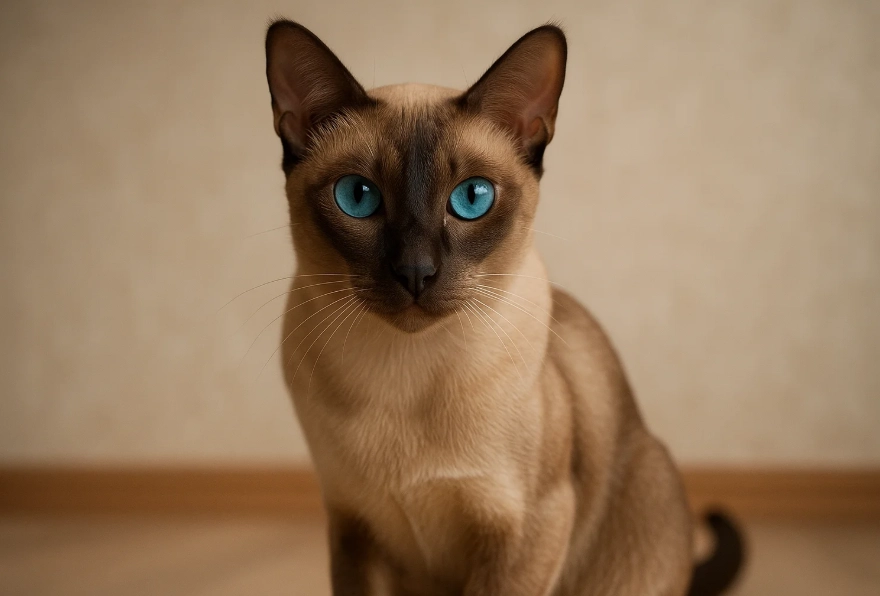
How to Properly Hold a Tonkinese Cat (The Right Way)
Most people do this wrong. They go for the underarm scoop, leaving the cat's hind legs dangling—a deeply insecure feeling for any animal. Here's the method that works with 90% of the Tonkinese I've handled.
- The Approach & Lift: Don't loom from above. Get on their level, offer a hand to sniff, and pet the head or chin. Slide one hand under the chest, between the front legs, providing full support. Immediately bring your other hand under the hindquarters, lifting smoothly so their entire body is supported from chest to feet.
- The Hold: Bring them close to your body, ideally against your chest. Many Tonks love the "over-the-shoulder" position, as it gives them a great view. Ensure their feet are resting on your arm or your body, not swinging in the air.
- The Release: Don't just drop them. Lower them gently until their front paws touch a stable surface, then slide your hands away. This signals a respectful end to the interaction.
Signs your Tonkinese is enjoying the hold: a deep, rumbling purr, relaxed body (no tense muscles), kneading with paws, and a slow blink. Signs they want down: tail twitching/thumping, ears rotating sideways or back, stiffening body, and ceasing to purr. Always respect the "want down" signals immediately. Forcing the issue teaches them that being held is a trap, not a pleasure.
How Do Tonkinese Compare to Other Breeds?
Putting this in context helps. Let's look at how the Tonkinese's desire for physical contact stacks up against other popular breeds known for affection.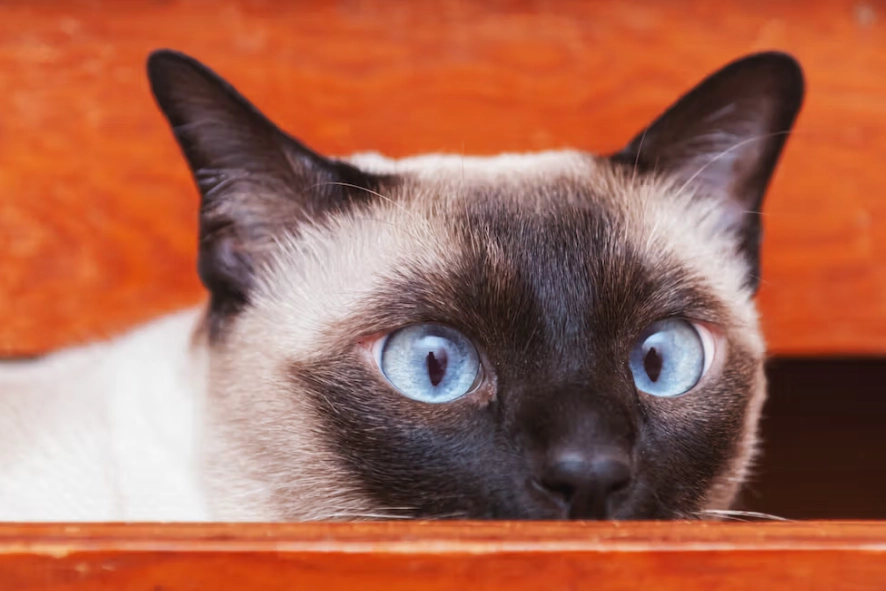
| Breed | Affection Level | Typical Holding Preference | Key Difference from Tonkinese |
|---|---|---|---|
| Tonkinese | Very High | Actively seeks being held, often a "shoulder cat." Enjoys prolonged contact. | The blend of playful engagement and physical snuggliness. |
| Ragdoll | Very High | Famous for going limp when held. Enjoys being cradled like a baby. | Generally more placid and less chatty/playful during cuddle sessions. |
| Siamese | High | Loves being *with* you and on you, but often on their own terms. May prefer sitting beside you to being fully held. | More vocal and opinionated about the specifics of the interaction. |
| Scottish Fold | Moderate to High | Often enjoys lap-sitting and gentle petting, but not all are keen on being lifted and carried. | Tendency can be more "lap-centric" rather than "hold-centric." |
| Bengal | Moderate | Highly bonded but intensely active. May tolerate brief holds but prefers interactive play as bonding. | Affection is expressed through play and following, not through static cuddling. |
The Tonkinese sits in a sweet spot: more interactive and talkative than a Ragdoll, but more physically demonstrative and "hold-able" than a Siamese. They are true hybrids in behavior.
Your Tonkinese Cuddling Questions Answered
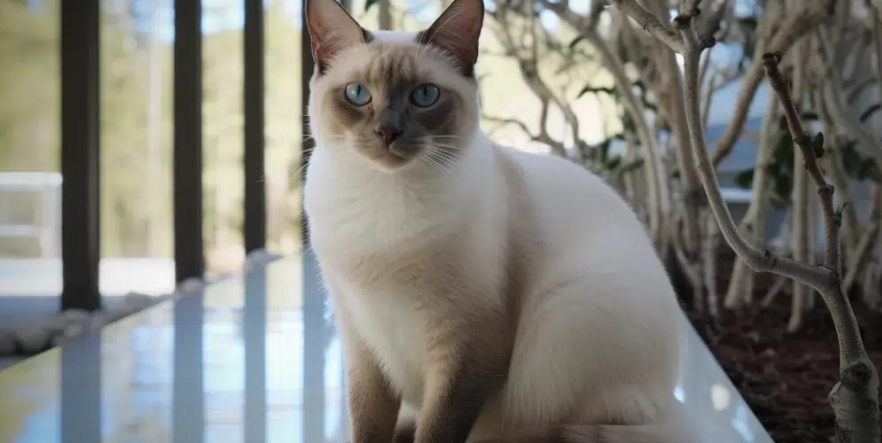 Is it true that the coat color (mink, pointed, solid) relates to personality and cuddliness in Tonkinese?
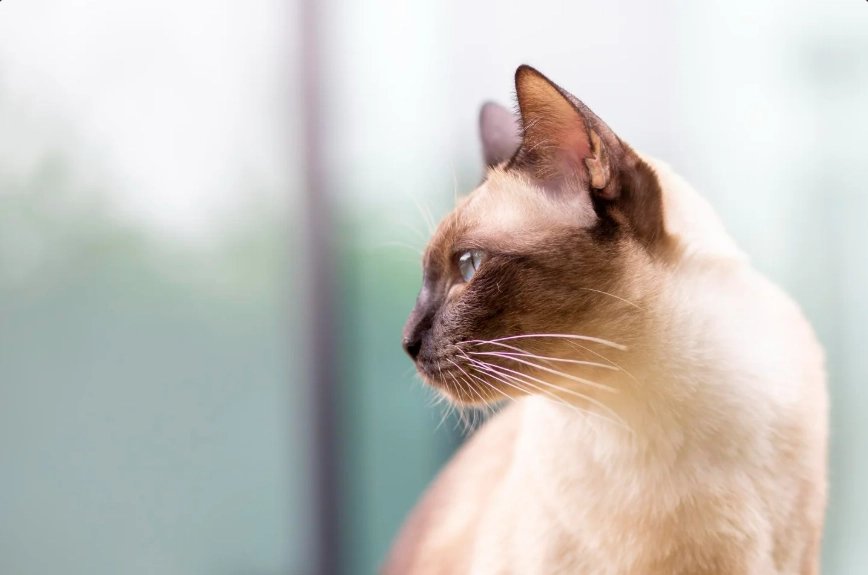 Are male or female Tonkinese more likely to be cuddly?