Let's clear something up right away. When people search for "leopard cat breed," they're almost never talking about the wild Asian Leopard Cat (Prionailurus bengalensis). They're searching for information on the breathtaking domestic cat that carries its wild look: the Bengal cat. I've been around Bengals for over a decade, from visiting catteries to helping friends navigate life with these feline athletes, and I can tell you—they're not your average house cat. This guide isn't just a list of facts you can find anywhere. It's a deep dive into what it's really like to live with a miniature leopard, covering the exhilarating highs and the challenging lows that most generic articles gloss over.
What You'll Find in This Guide
What Exactly Is a Bengal Cat? Beyond the Spots
The Bengal cat is a man-made breed, the result of crossing domestic cats with that wild Asian Leopard Cat. The goal wasn't just a wild appearance but a stable, friendly temperament. Early-generation Bengals (F1, F2) have a high percentage of wild blood and are typically not sold as pets due to their challenging nature. The Bengals you can own are usually F4 and beyond, where the wild ancestry is diluted enough for a predictable personality, but the stunning looks remain.
Their coat is the main event. It's not just spotted; it's glittered. Hold one in the sun, and you'll see individual hairs sparkle like they're dusted with gold or pearl. The patterns are incredible:
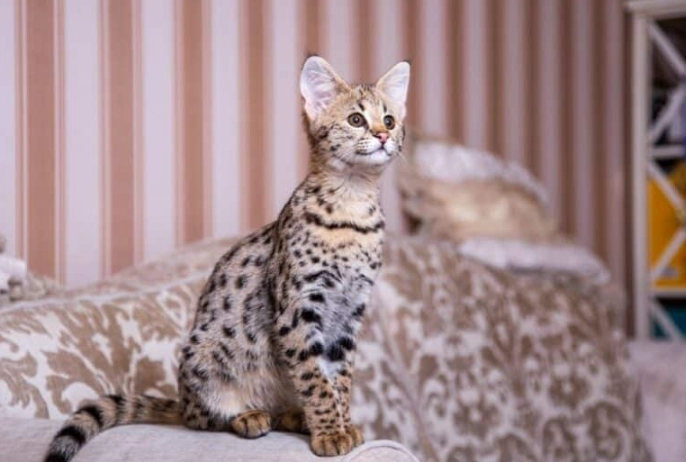
- Spotted: The classic leopard look, with rosettes (spots with a darker outline) being the most prized.
- Marble: Swirling, flowing patterns that look like melted marble, not the bullseye tabby pattern.
Colors range from the warm browns and oranges of the Brown Spotted to the cool, silvery shades of the Silver Bengal, and even the striking snow colors (Seal Lynx, Seal Mink, Seal Sepia).
A quick reality check: That wild heritage isn't just for show. It influences everything—their need for activity, their vocalizations (which can sound more like chirps and barks than meows), and their fascination with water. I once cat-sat for a Bengal who would turn on the bathroom tap himself if his water bowl wasn't to his liking. It was impressive and a little terrifying.
The Bengal Personality: Energy, Intelligence, and Quirks
Forget the lap cat stereotype. A Bengal is a participant in your life. They have the energy of a kitten that barely fades with age. This isn't a cat that will be content watching birds from a window; he needs to be chasing them (safely, indoors, with a toy).
Their intelligence is both a joy and a challenge. They learn tricks easily—fetch, high-five, even walking on a harness. But they also learn how to open cabinets, doors, and puzzle feeders meant to last a week in under an hour. Boredom is your enemy. A bored Bengal becomes a destructive Bengal, not out of malice, but out of a desperate need for mental stimulation.
Here’s a snapshot of the classic Bengal temperament:
| Trait | What It Means for You |
|---|---|
| High Energy | Requires multiple intense play sessions daily (20-30 mins each). Think wand toys, chase games, puzzle feeders. |
| Highly Social & Vocal | Will follow you everywhere, "talk" to you about their day, and demand interaction. Not ideal for people who are rarely home. |
| Water Fascination | May join you in the shower, play with dripping taps, or paw at their water bowl. A cat fountain is a must-have. |
| Strong Prey Drive | Small pets like rodents, birds, or fish are at serious risk. Supervised introductions with dogs are crucial. |
The Biggest Mistake New Owners Make
Underestimating the need for vertical space. Bengals are climbers. A tall, sturdy cat tree isn't a luxury; it's a necessity for their well-being. It redirects their climbing instinct from your curtains and bookshelves. I recommend getting one that reaches near your ceiling, with multiple platforms and sisal rope for scratching.
Caring for Your Bengal: A Practical Daily Guide
Caring for a Bengal is more akin to caring for a small, furry dog with opposable thumbs. It's active and engaging.
Diet: They thrive on high-protein, high-quality food. Many breeders and owners swear by a raw or partially raw diet, citing shinier coats and better digestion. If you consider this, consult your vet and do meticulous research on balancing nutrients—The International Cat Association (TICA) website has resources on feline nutrition. High-quality grain-free wet and dry food is also a solid choice. Avoid cheap, filler-heavy kibble; it won't fuel their engine.
Grooming: Surprisingly easy. Their short, pelt-like coat sheds minimally and rarely mats. A weekly brush with a rubber grooming mitt is usually enough to remove loose hair and distribute skin oils. The real grooming focus is on their nails (trim regularly) and teeth (aim for brushing, dental treats, or water additives).
Environment & Enrichment: This is the core of Bengal care.
- Interactive Toys: Rotate them to prevent boredom. Wand toys, treat-dispensing balls, and electronic moving toys are hits.
- Catification: Wall shelves, catwalks, and window perches create a highway for them. It saves your furniture.
- Training & Harness Walking: Teaching tricks and providing safe outdoor exploration on a leash can burn massive mental and physical energy. Start harness training young and be patient.
From my experience: The single best investment for my friend's Bengal was a secure outdoor "catio." It gave him hours of sensory stimulation—watching bugs, feeling the breeze, listening to birds—without any of the risks of free roaming. It calmed him down more than any indoor toy ever did.
Bengal Cat Health: What to Watch For
Generally, Bengals are robust cats. However, being a purebred, they have a few genetic predispositions responsible breeders screen for.
- Hypertrophic Cardiomyopathy (HCM): A form of heart disease. Reputable breeders will have their breeding cats regularly scanned by a veterinary cardiologist. Ask for proof.
- Progressive Retinal Atrophy (PRA-b): A genetic condition that causes blindness. A simple DNA test can identify carriers, and ethical breeders will not breed two carriers together.
- Patellar Luxation: A slipping kneecap. It can range from mild to requiring surgery.
- Bengal Nose: Not a health issue, but a quirky trait. Some Bengals have sensitive nasal leather that can get dry, flaky, or lose pigment seasonally. A bit of pet-safe nose balm fixes it.
The best prevention is buying from a breeder who does this genetic and health screening and provides you with documentation. Expect to pay for this diligence—a well-bred Bengal kitten from health-tested parents typically ranges from $1,500 to $3,000+.
Choosing a Bengal Kitten: A Responsible Buyer's Checklist
Avoid pet stores and online marketplaces like Craigslist. These often source from kitten mills or backyard breeders who skip health testing. Here’s how to do it right:
- Find a Reputable Breeder: Look for breeders registered with TICA or CFA who actively show their cats. They are invested in improving the breed.
- Ask the Right Questions: “Can I see the HCM and PRA test results for both parents?” “What is your socialization process?” “What is your health guarantee?” A good breeder will ask you just as many questions.
- Visit the Cattery: If possible, see where the kittens are raised. It should be clean, and the cats should be social, not caged or fearful.
- Meet the Parents: Seeing the temperament of the queen (mother) and sire (father, if present) gives you the best preview of your kitten's personality.
- Review the Contract: Expect a contract requiring spay/neuter unless you're buying for breeding rights (which costs significantly more) and a clause requiring you to return the cat to them if you can't keep it, ever.
Be prepared to be put on a waitlist. Good breeders don't have litters constantly available.