You look at your sleek, energetic feline companion with their stunning, ticked coat and large, expressive ears. A thought crosses your mind: "Could my cat be an Abyssinian?" It's a common question for owners of striking, athletic cats. Abyssinians are one of the most distinctive and ancient breeds, but they're often confused with other shorthaired cats. Let's cut through the guesswork. Identifying an Abyssinian isn't just about color—it's a specific combination of physical build, unique coat pattern, and an unmistakable personality that sets them apart. I've spent over a decade around pedigreed and rescue cats, and the number of times I've seen a beautiful "moggie" labeled as a potential Abyssinian is high. Here’s how to know for sure.
Your Quick Guide to Spotting an Abyssinian
The Unmistakable Abyssinian Look: A Feature-by-Feature Breakdown
Forget just "brown and ticked." True Abyssinian conformation is precise. The Cat Fanciers' Association (CFA) breed standard is your technical blueprint, but let's translate it into plain English.
The Coat: It's All About the "Ticking"
This is the hallmark. An Aby's coat isn't a solid color. Each hair shaft has 4-6 alternating bands of light and dark color, a pattern called agouti ticking. From a distance, it creates a warm, shimmering, almost iridescent effect without any obvious stripes, spots, or blotches.
Crucial detail: The underside, chest, and inside of the legs are a lighter, unticked version of the base color. If your cat has a solid-colored belly or distinct stripes on its legs, it's likely not a purebred Aby. The classic color is ruddy (a burnt sienna/orange-brown), but blue, fawn, and cinnamon (sorrel) are also recognized.
Quick Test: Part the fur on your cat's back. Do you see a light band, then a dark band, then light again on a single hair? That's ticking. If the hair is one solid color from root to tip, it's not an Abyssinian coat pattern.
The Body & Head: Built for Action
Think of a miniature puma. Abys are medium-sized, muscular, and remarkably dense for their size. They feel heavier than they look when you pick them up. The body is long, lithe, and graceful, giving an impression of restless energy even at rest.
The head is a modified wedge with no flat planes. The profile shows a gentle curve from forehead to nose, without a sharp "stop." But the ears are what really grab your attention—they're large, alert, and cupped, set as if the cat is perpetually listening. The eyes are almond-shaped, large, and expressive, in shades of gold, green, or hazel, outlined with a fine dark line as if wearing eyeliner.
More Than Just Pretty: The Abyssinian Personality is a Dead Giveaway
You can't identify a breed on looks alone. Temperament is half the story. Abyssinians are famously "busy." They are not lap cats in the traditional, sleep-all-day sense. They want to be involved in everything you do.
I remember catsitting for a friend who insisted her shy, hiding cat was an Aby mix. The cat was ticked and slender. But it hid under the bed for two days. A true Abyssinian would have been inspecting my bags, testing the kitchen counters, and chirping questions at me within the first hour. They are incredibly social, often bonding with all family members, and can suffer from loneliness if left alone too much.
They are clever problem-solvers. Cabinet doors, puzzle feeders, and faucets are not obstacles but challenges. Their curiosity is boundless. If your cat matches the physical description and also has this relentless, affectionate, and mischievous energy, you're closer to a positive ID.
Common Lookalikes: What Your Cat Might Be Instead
This is where most people get tripped up. Many domestic shorthairs (the technical term for a non-pedigreed cat) have ticked tabby coats. Here’s a breakdown to separate the Abyssinian from its doppelgängers.
| Breed/Lookalike | Key Similarities to Abyssinian | Key Differences from Abyssinian |
|---|---|---|
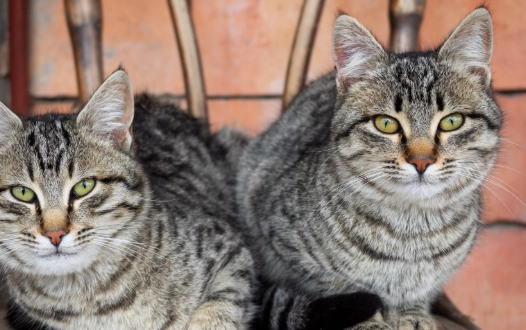
| Domestic Shorthair (Ticked Tabby) | Can have a ticked coat, similar size. | Body type less refined, head shape rounder, ears smaller/less prominent, coat ticking often less uniform, personality varies wildly. |
| Somali | Identical ticked pattern, body type, and personality. | It's literally the long-haired version of the Abyssinian. If your cat has a medium-long, fluffy tail and breeches, it's a Somali. |
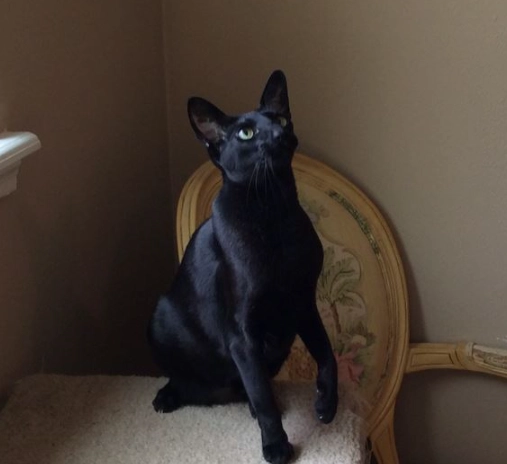
| Oriental Shorthair | Similar slender, athletic build and large ears. | Coat is almost always solid, pointed, or shaded—not ticked. Head is a much more extreme wedge. Personality is similarly active but more vocal. |
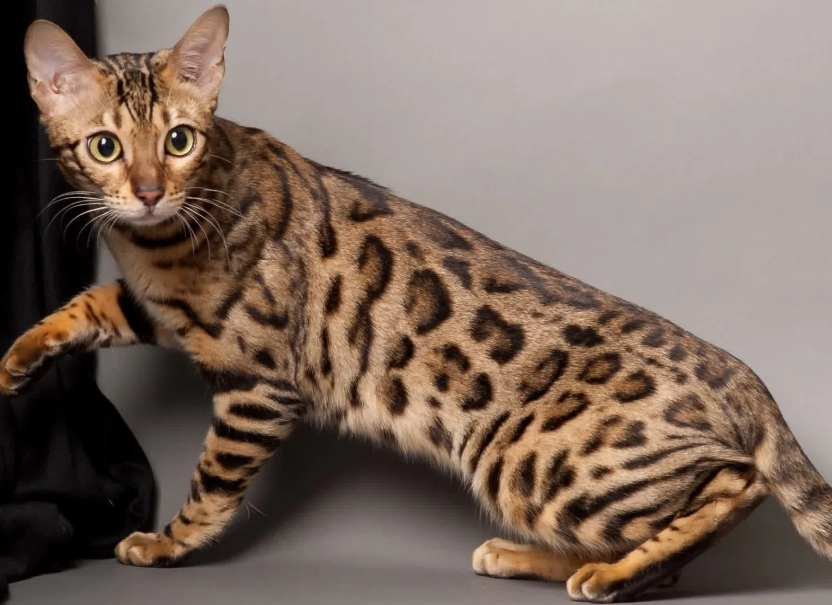
| Bengal | Athletic, energetic, spotted or marbled coat can sometimes be confused from afar. | Coat has distinct spots or marbling, not uniform ticking. Head shape is broader. Many have a distinctive "glitter" to their coat. |
The most common mix-up is with a ticked tabby domestic shorthair. These wonderful cats can have beautiful agouti coats, but they lack the specific, refined head shape, oversized ears, and intense, consistent "Aby-tude."
Getting Definitive Answers: Papers, DNA, and Expert Eyes
So, your cat checks a lot of boxes. How do you move from "probably" to "definitely"?
1. Pedigree Papers (The Gold Standard): If your cat is a purebred Abyssinian from a reputable breeder, it will come with a registration paper from an organization like CFA or TICA. No papers, no proof of purebred status. It's that simple.
2. Cat DNA Tests (The Modern Clue): Companies like Basepaws or Wisdom Panel can analyze your cat's DNA. They can detect genetic markers associated with the Abyssinian breed. However, interpret results carefully. A test might say your cat has "Abyssinian ancestry" or shares genetic segments with the breed, which is common in the wider cat population. A result showing a high percentage (e.g., >75%) is strong evidence. A low percentage likely means a distant ancestor.
3. Consult a Veterinarian or Breeder: An experienced vet who sees many breeds might offer an opinion. Better yet, contact a local Abyssinian breeder (find one via the Cat Fanciers' Association). Most are passionate about the breed and can often tell at a glance. Send them clear photos: side profile, face-on, a shot of the parted coat, and the full body.
Frequent Misconceptions About the Breed
Let's clear up some myths that lead to misidentification.
"All Abyssinians are ruddy (brown)." False. While ruddy is the most common and iconic, the breed comes in several colors: blue (a soft slate gray), fawn (a warm rose-beige), and cinnamon/sorrel (a coppery red).
"They are aloof or wild." Quite the opposite. They are intensely people-oriented. Their energy can be mistaken for aloofness because they're not always cuddly, but they follow you from room to room.
"My cat has an 'M' on its forehead, so it's a tabby, not an Aby." This is a big one. Abyssinians ARE tabbies—specifically, ticked tabbies. The "M" marking (frown lines on the forehead) is a standard tabby marker and is often present, though faint, on an Abyssinian's forehead. It's the lack of body stripes that defines them.