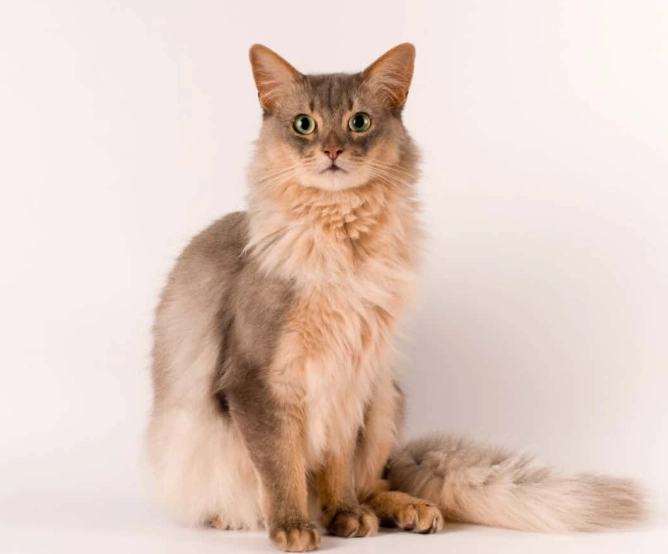
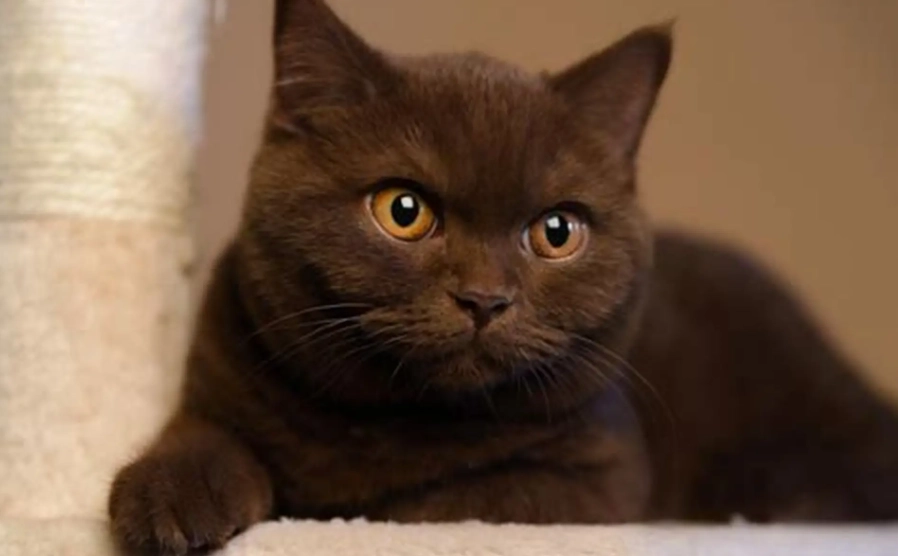
You see a photo online—a stunning cat with a sleek, solid grey coat that almost looks blue in the light. "What a rare blue cat!" the caption reads. It stops you mid-scroll. How rare is a blue cat, really? If you're thinking of adding one to your family, or just fascinated by feline colors, you've probably hit a wall of confusing information.
Let's cut through the noise right away. A truly "blue" cat—meaning one with a solid, greyish-blue coat—is uncommon, but not impossibly rare. Its rarity depends entirely on the breed. For some, like the Russian Blue, it's the standard and only color. For your average domestic shorthair, finding a solid blue is like finding a specific, beautiful pebble on a vast beach—possible, but you'll need to know where to look and get a bit lucky.
The real story isn't just about scarcity; it's about a fascinating genetic quirk that dilutes black fur into grey, and the careful breeding that preserves it. I've spent years talking to breeders, visiting shows, and yes, obsessing over my own grey moggy. The biggest mistake people make is assuming all grey cats are the same or that "blue" refers to a breed. It doesn't. It's a color. And understanding that difference is the key to your search.
What You'll Discover
The Simple Genetics That Create a "Blue" Cat
First, let's ditch the word "blue" for a second. In the cat fancy world, "blue" is the official term for a specific shade of grey. It's not sky blue. It's a cool, even, slate grey that can have subtle warm undertones. This color is the result of a dilution gene.
Think of it like this: a cat's primary pigment is black (eumelanin). The dilution gene is a genetic instruction that says, "Take this black pigment and spread it out thinly." It doesn't change the pigment type; it just reduces its concentration in each hair shaft. The result? Black becomes grey ("blue"), chocolate becomes lilac, and cinnamon becomes fawn.
A Quick Genetic Reality Check
For a cat to be a solid blue, it needs two copies of this recessive dilution gene (one from each parent). If it only has one copy, it will be its original, full-color self (like black), but can pass the dilution gene to its kittens. This is why two black cats can sometimes produce a surprise grey kitten if they both carry the hidden gene.
This gene is present in the general cat population, which is why you can find the occasional solid blue domestic shorthair. But without selective breeding, the color often isn't as uniform. You might see faint tabby markings (called "ghost striping") or a slightly patchy appearance. Breeds like the Russian Blue or British Shorthair have been meticulously bred over generations to eliminate these markings and produce that perfect, even, plush blue coat.
Cat Breeds Where You'll Find Blue Coats
This is where rarity gets specific. If you want a guaranteed blue cat, you look to specific breeds. But even here, "blue" means different things.
For some, it's the star of the show. For others, it's one option among many. The table below breaks it down. I've based this on years of reviewing breed standards from organizations like the Cat Fanciers' Association (CFA) and The International Cat Association (TICA).
| Breed | Role of Blue Color | Rarity & Availability | Coat Texture & Notes |
|---|---|---|---|
| Russian Blue | The only accepted color for the breed standard. This is the quintessential "blue cat." | Moderately rare. Reputable breeders have waitlists. You won't find one at a shelter by accident. | Short, dense, plush double coat that feels like velvet. Bright green eyes are a hallmark. |
| British Shorthair | The most popular and iconic color for the breed (the "British Blue"). | Very common within the breed. Widely available from breeders, but still a purebred. | Extremely dense, crisp, and plush (like a teddy bear). Copper or gold eyes. |
| Chartreux | All Chartreux are blue, ranging from ash to slate grey. | Quite rare, especially in North America. Fewer breeders than Russian or British. | Woolly, slightly water-repellent double coat. Smiling expression. |
| Korat | Silver-tipped blue is the one and only color. | Rare. A ancient breed with a small gene pool. | Single coat, fine, close-lying with a distinctive silver sheen. |
| Nebelung | Long-haired version of the Russian Blue. Only blue is accepted. | Very rare. A newer breed with limited breeders globally. | Semi-longhair, silky, with a magnificent ruff and tail. |
| Domestic Shorthair/Longhair | One of many possible color/pattern outcomes. | Uncommon as a solid blue. More common as blue tabby or blue-and-white. | Varies wildly. Often shows ghost tabby markings. |
See the pattern? True rarity isn't about the color existing—it's about the combination of color, breed purity, and that specific, bred-to-perfection look.
How to Actually Find and Choose a Blue Cat
So you've decided you want one. Your path forks here: purebred or domestic?
The Purebred Route: Patience and Budget
If your heart is set on a Russian Blue or a plush British Shorthair, prepare for a process. A well-bred kitten from a reputable breeder typically costs between $1,500 to $3,000+. The higher end isn't just for the color; it's for health testing, proper socialization, and breed conformity.
My advice? Ignore anyone who has multiple litters immediately available or sells for significantly less. Visit the breeder's home. Ask for proof of genetic health screening for conditions like hypertrophic cardiomyopathy (common in some breeds). A good breeder will interview you as much as you interview them.
The Shelter or Rescue Route: The Treasure Hunt
This is where you can find a real gem. Solid blue domestic cats do end up in shelters. But you can't just walk in on a random Tuesday and expect to see one. You need a strategy.
- Use precise search terms: On Petfinder or Adopt-a-Pet, search for "Gray or Blue" coat color. Filter by "Solid" pattern if you want no white.
- Talk to rescue volunteers: Network. Tell them you're specifically hoping for a solid blue cat. They often know what's coming into foster care before it's listed.
- Consider adults: That stunning blue kitten is a unicorn. A beautiful 3-year-old blue cat is far more likely and will be just as loving.
I found my own blue cat, Asher, this way. He was a 1-year-old domestic shorthair listed as "grey" at a local rescue. He had faint ghost tabby stripes on his tail as a kitten, but they faded as he matured. He cost $150, including vaccinations and neutering. He's not a perfect show-standard blue, but he's 100% perfect to me.
Caring for a Blue Cat: Busting the Biggest Myth
Here's a piece of expert advice you won't see everywhere: Blue cats are not harder to groom.
There's a pervasive myth that their coats show every speck of dander or shed more visibly. It's mostly nonsense. A healthy cat of any color has skin and coat care needs dictated by its breed (double coat vs. single coat) and length, not its color. A British Shorthair's dense coat needs regular brushing to prevent mats, whether it's blue, cream, or tabby. A Russian Blue's fine coat sheds less than many, but the hairs will be visible on a dark sofa.
The only color-specific tip? A blue coat can sometimes look slightly "rusty" or brownish if the cat spends a lot of time in the sun (due to oxidation of pigments) or has a diet deficient in certain amino acids. It's usually not a health concern, just a cosmetic one. Keeping them indoors and feeding a high-quality diet keeps that sleek grey looking its best.
Your Blue Cat Questions, Answered
So, how rare is a blue cat? It's a spectrum. A meticulously bred Russian Blue is a specialized find. A solid blue shelter cat is a lucky discovery. But understanding the genetics and the landscape turns the search from a frustrating mystery into an informed journey. Whether you choose the purebred path or embark on a rescue treasure hunt, that sleek grey companion is out there. You just need to know what you're really looking for.