Quick Guide
Let's get this out of the way first. If you're picturing a fluffy cloud with legs, you might be thinking of the Turkish Angora everyone knows. But ask around about an Angora cat short hair version, and you'll get a mix of confused looks and strong opinions. Some folks swear they've seen one, others say it's a myth. I was in the same boat a few years ago before I actually met one at a friend's house. It wasn't what I expected at all.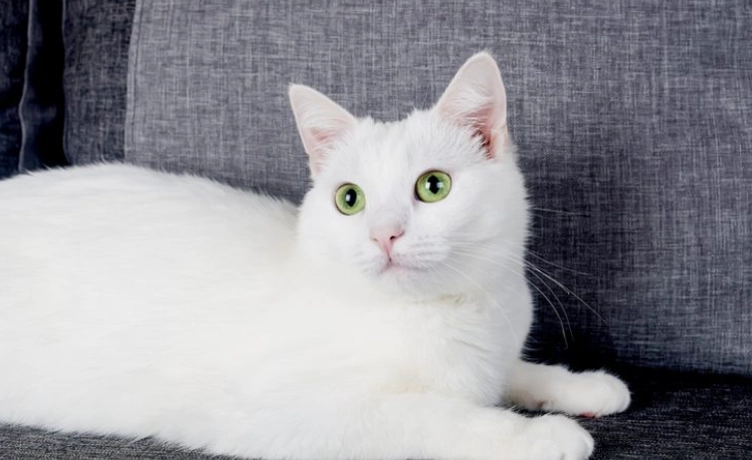
The whole thing sent me down a rabbit hole of research, breeder chats, and vet conversations. Turns out, the story of the short-haired Angora cat is way more interesting than just a long-haired cat that got a haircut. It's about genetics, history, and a lot of misconceptions. This guide is basically everything I wish I'd known back then, all in one place.
Quick Reality Check: The term "Angora cat short hair" isn't an officially recognized breed name in major cat registries like The Cat Fanciers' Association (CFA) or The International Cat Association (TICA). What people are usually talking about falls into a couple of specific categories we'll unravel. Knowing this saves you from confusing conversations with breeders.
Untangling the History: Where Did This Idea Come From?
To understand the short haired Angora cat, you have to rewind. Way back. The original Turkish Angora, from the Ankara region of Turkey, is one of the oldest natural cat breeds. For centuries, the long, silky coat was its signature feature. But here's the kicker – in any natural population, you get genetic variation.
Think about it. In the streets of old Ankara, not every cat was born with that spectacular long fur. Some carried genes for shorter coats. Historically, these shorter-coated cats were probably just... cats. They weren't specially bred or named. The focus, especially when Western fanciers "discovered" the breed, was entirely on the long-haired beauties. The short haired Angora cat variant was essentially overlooked, maybe even deliberately excluded to define the breed standard sharply.
So, the concept isn't new. It's more of a historical ghost in the breed's lineage. Modern mentions usually point to two main sources: random genetic throwbacks in purebred litters, or deliberate outcrossing programs that introduced short-hair genes.
I remember a breeder telling me, "Every now and then, in a litter of pure Turkish Angoras, you might get a kitten whose coat just doesn't 'fluff up' like its siblings.' It's not common, but it happens. They call them 'sport' coats." It was the first time I realized this wasn't just internet lore.
What Exactly Is a Short-Haired Angora? Breaking Down the Types
This is where we need to be precise. When someone says they have an Angora cat short hair, they typically mean one of three things. Getting this right is crucial if you're seriously looking for one.
The "Sport" or Natural Variant
This is a cat born from two registered Turkish Angora parents but expresses a recessive short-hair gene. The coat is short to medium in length, lacks the full undercoat and plume of the standard, but retains the Angora's elegant body type, large ears, and personality. These cats are rare and usually not sold as show-quality Turkish Angoras, but they are 100% purebred genetically. They're the real deal, just with a different coat expression.
The Outcross or Foundation Hybrid
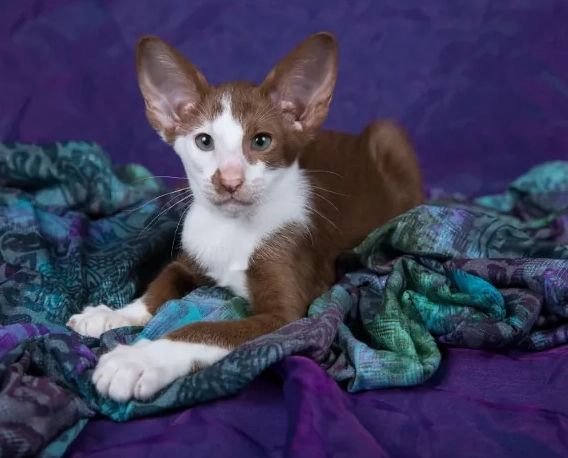
Some breeders, particularly in developing newer lines or addressing genetic diversity, have outcrossed Turkish Angoras with other breeds. A common historical outcross was to Oriental Shorthairs to refine body type. The early-generation offspring from such a pairing could have short hair but strong Angora traits. Over generations, if bred back to long-haired Angoras, the long coat usually returns. So a first or second-generation kitten might be marketed with "Angora" in its description, causing confusion.
The Complete Misidentification
Let's be honest. Many people see any white, elegant cat with fine features and call it an "Angora." This is especially true for white Oriental Shorthairs or even domestic shorthairs with a similar look. I've seen it happen. This is the most common source of the myth and leads to the biggest disappointment if you're seeking specific breed traits.
Which one is it? Always, always ask for pedigrees and parentage.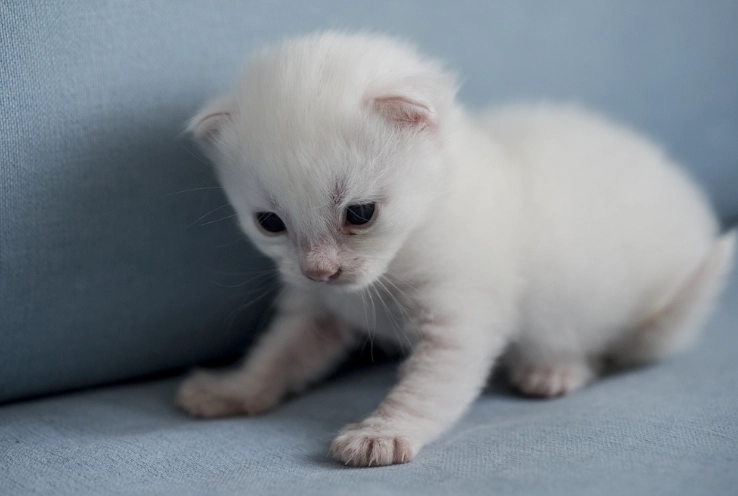
Side-by-Side: Short Hair vs. Long Hair Angora
Let's make this crystal clear. If you're considering an Angora cat short hair versus the traditional longhair, the differences go beyond just fur length. This table sums up the key practical distinctions.
| Aspect | Traditional Long-Haired Turkish Angora | Short-Haired Angora Variant |
|---|---|---|
| Coat Care & Shedding | Moderate to high maintenance. Requires brushing 2-3 times a week to prevent mats. Shedding is seasonal and can be significant ("blowing coat"). | Low maintenance. Weekly brushing is ample. Shedding is noticeably less and more manageable. A huge practical plus. |
| Grooming Feel | Silky, fine, single-layer coat with no undercoat. Flows and floats. | Still fine and silky to the touch, but lies flat against the body. Less "volume." |
| Allergy Friendliness | Often marketed as hypoallergenic due to less Fel d 1 protein in saliva, but the long hair can carry other allergens (dander, pollen). | Potentially better for some allergy sufferers. Less hair means fewer surfaces for allergens to cling to and spread around your home. |
| Temperature Tolerance | The long coat provides insulation. They can handle cooler environments well but might overheat more easily in summer. | More adaptable to warmer climates due to the shorter coat. Thermoregulation is closer to a typical shorthair cat. |
| Overall "Look" | Extremely elegant, dramatic, and regal. The tail is a magnificent plume. | Elegant and athletic, but more sleek and streamlined. The beauty is in the lines of the body, not the fluff. |
See the difference? It's not just about looks; it's a lifestyle choice. The short haired Angora cat is, frankly, the more practical pet for someone who loves the Angora attitude but doesn't want a part-time grooming job.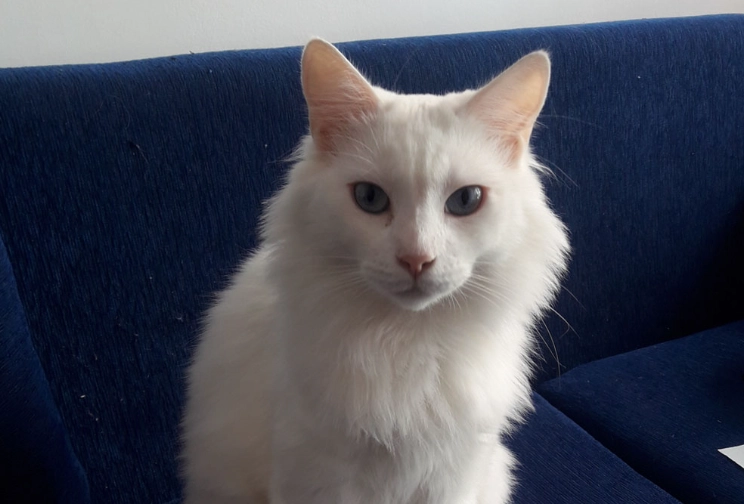
The Real Deal on Care and Personality
Okay, so what's it actually like to live with one of these cats? If the Angora cat short hair inherits the true Turkish Angora temperament (which it should, if it's a genuine variant), you're in for a treat. And maybe a few surprises.
They're famously people-oriented. I'm talking dog-like devotion. The one I knew would follow its owner from room to room, chirp at birds outside the window, and was deeply involved in every household activity. They're smart, sometimes too smart for their own good. Puzzle feeders are a must to keep their brains busy. They can learn tricks, come when called, and some even enjoy walking on a harness.
But here's a personal take – they can be stubborn. Elegantly, politely stubborn. If they decide they don't want to do something, good luck convincing them. Positive reinforcement is the only way.
Mythbuster Corner: Are they hypoallergenic? No cat truly is. But many people with mild allergies do better with Turkish Angoras (both long and short-haired) because they produce less of the primary allergen, Fel d 1, in their saliva. The short haired Angora cat has an edge here because there's simply less hair to spread the saliva (from grooming) around. However, always spend time with a cat before committing if allergies are a concern.
Their care is straightforward, especially with the short coat. Beyond the basic weekly brush:
- Diet: They're active and lean. A high-quality, protein-rich diet is important. Obesity is rare but not impossible.
- Exercise: Non-negotiable. These aren't couch potatoes. They need vertical space (tall cat trees), interactive play sessions daily, and mental stimulation.
- Health Checks: Reputable breeders screen for genetic conditions common to the breed, like hypertrophic cardiomyopathy (HCM). The VCA Animal Hospitals provides a good overview of this condition. Regular vet check-ups are key.
Answering Your Burning Questions (FAQ)
Let's tackle the questions that pop up in forums and search bars all the time.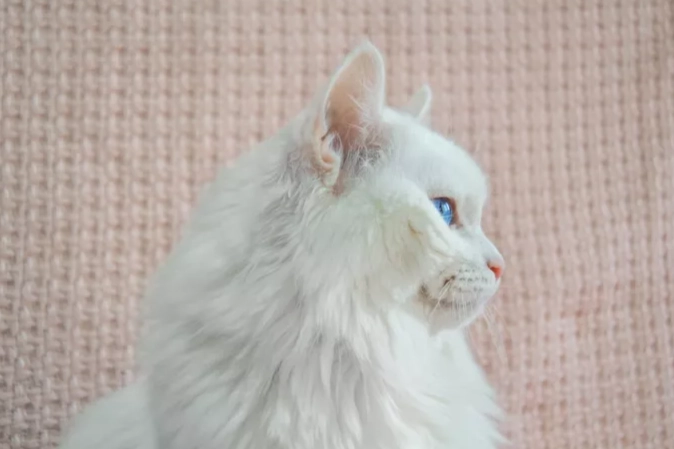
No. Major registries like CFA and TICA only recognize the long-haired Turkish Angora. A short-coated cat from Angora parents cannot be shown in the purebred category. It would be registered as "not for show" or under a different classification if at all.
This is the hardest part. You don't search for "Angora cat short hair" breeders. You find excellent, ethical Turkish Angora breeders and you talk to them. Explain your interest in the breed's temperament and health but your strong preference for a lower-maintenance coat. An honest breeder may know of a "sport" kitten in an upcoming litter or may be working with lines that occasionally produce them. Never buy from someone advertising specifically for "short-haired Angoras" as a main offering – it's a red flag for backyard breeding or misrepresentation.
Not inherently. Their health profile is linked to their genetics, not their coat length. Both can be prone to the same hereditary issues. The advantage is that grooming-related issues (like painful mats leading to skin infections) are virtually eliminated with a short coat.
If you find a genuine variant from a health-tested lineage, expect to pay a similar price to a pet-quality long-haired Turkish Angora, which can range from $800 to $2,500+. The price reflects the care, health testing, and breeding of the parents, not the coat length. A significantly lower price should make you very suspicious.
Still have questions? Your next stop should be the breed-specific resources from TICA's Turkish Angora breed page.
The Final Word: Is This the Right Cat for You?
Let's wrap this up. The allure of the Angora cat short hair makes perfect sense. You get the captivating personality, the intelligence, and the elegance of a historic breed, minus the intense grooming commitment. It sounds like a perfect hack.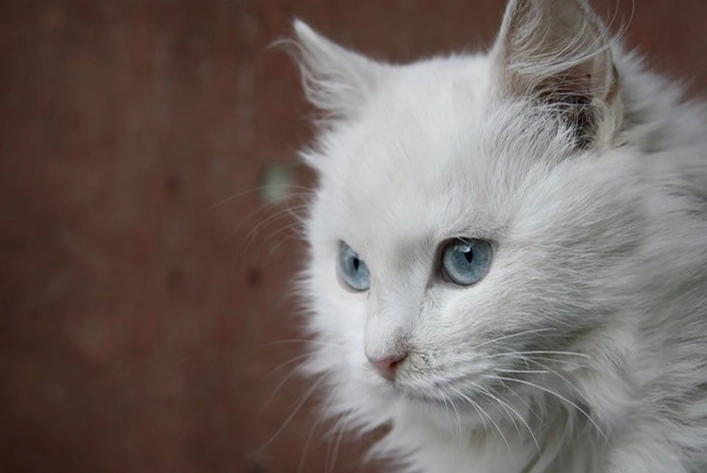
But you have to go into this with your eyes wide open. The supply is tiny and irregular. You need patience, thorough research, and a willingness to build a relationship with a preservation-minded breeder. You might wait a year or more. Is it worth it?
For the right person, absolutely. If you're captivated by the Turkish Angora but your lifestyle or allergies demand a shorter coat, pursuing this rare variant is a legitimate path. Just don't fall for scams or wishful thinking. The journey to find one is part of the story.
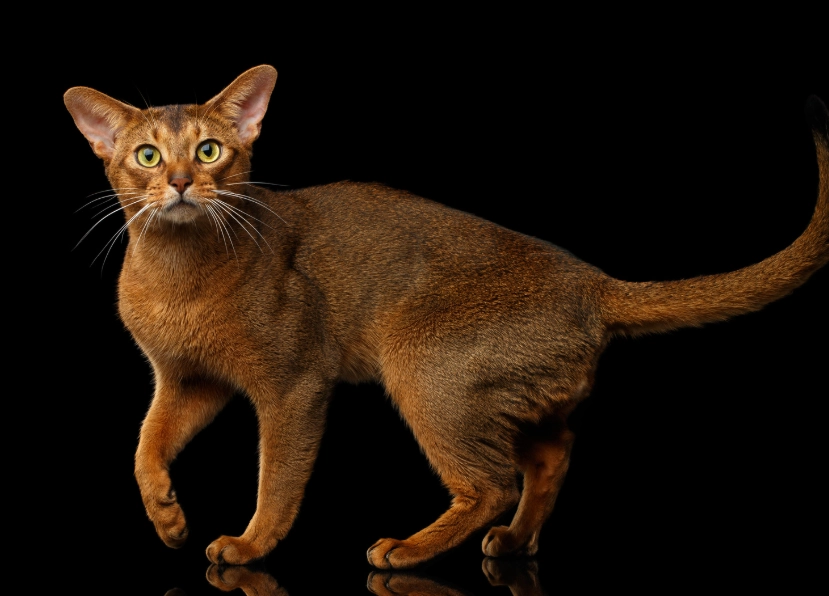
For most people, if a sleek, intelligent, and people-oriented shorthair cat is the goal, there are wonderful, established shorthair breeds like the Oriental Shorthair or the Abyssinian that offer a guaranteed outcome. But if your heart is set on the specific charm of the Angora, and you're prepared for the search, understanding the truth behind the short haired Angora cat is your essential first step.
Hope this deep dive cleared things up. It's a fascinating corner of the cat world that doesn't get enough straight talk.