Quick Navigation
- From Temple Guardians to Sofa Supervisors: A Royal History
- Traditional vs. Modern: The Two Faces of the Siamese Breed
- Living with a Furry Meteor: The Siamese Personality
- Keeping Your Siamese Healthy: It's Not Just About Looks
- Daily Life with a Siamese: A Practical Care Guide
- Siamese vs. The Look-Alikes: How to Tell Them Apart
- Your Siamese Cat Questions, Answered
- The Final Word: Is a Siamese Cat Right for You?
Let's be honest, you probably clicked on this because you've either fallen for those piercing blue eyes, or you've heard the legends about their non-stop chatter. Maybe a friend has one and won't stop talking about it. The Siamese breed of cats has a way of getting under your skin, for better or worse. They're not your average aloof feline. Owning one is less like having a pet and more like adopting a tiny, furry, extremely opinionated roommate who believes they run the household. And you know what? They usually do.
I've lived with cats my whole life, but my first Siamese, a seal point named Leo, was a revelation. The constant conversation, the deliberate knocking of objects off tables to get my attention, the way he'd follow me from room to room like a canine shadow... it was a whole different level of cat ownership. It wasn't always easy (the 5 AM serenades took some getting used to), but it was never, ever boring.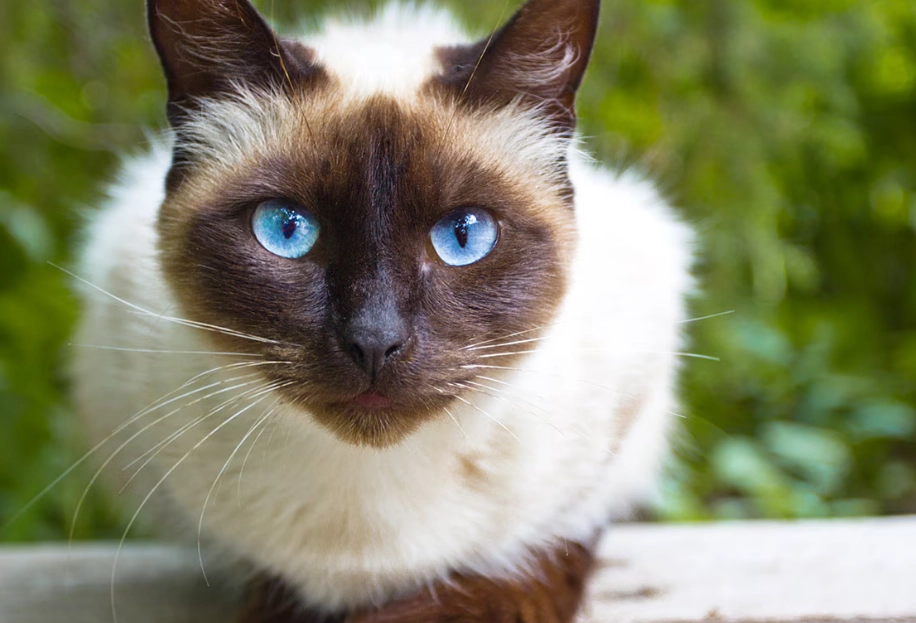
From Temple Guardians to Sofa Supervisors: A Royal History
That regal bearing isn't just for show. The history of Siamese cats is steeped in legend and royalty. Hailing from Siam (now Thailand), they were considered sacred, believed to guard Buddhist temples and escort the souls of royalty to the afterlife. It's said that their crossed eyes and kinked tails (traits largely bred out in modern times) were from their intense duty of guarding precious vases, staring at them so hard their eyes crossed, and wrapping their tails around them for safekeeping.
They first arrived in the West in the late 1800s as gifts to British diplomats. Presented at the famous Crystal Palace cat show in London in 1871, they caused a sensation. People were fascinated by their sleek, contrasting color points and alien-like appearance compared to the stockier British breeds. The Cat Fanciers' Association (CFA), one of the world's largest pedigree cat registries, provides a detailed look at their breed standard and history, tracing their formal recognition and evolution. It's a fascinating journey from palace halls to our living rooms.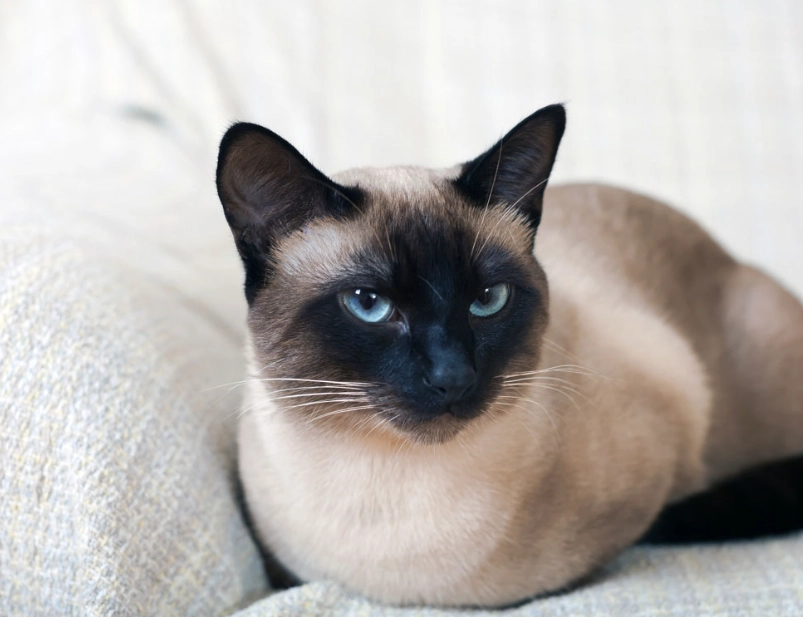
The Point of the Points: What Makes a Siamese Cat Look Like a Siamese?
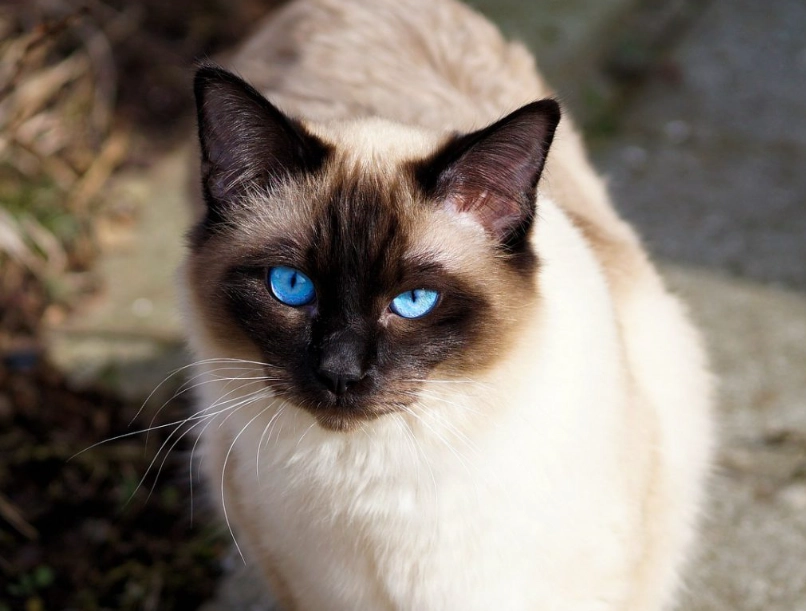
This is their signature look. All Siamese kittens are born pure white or cream because the enzyme responsible for their dark coloring is temperature-sensitive. It only works on the cooler parts of their body. As they grow, their extremities—ears, face (mask), paws, and tail—cool down and develop that darker pigmentation. The color of these "points" defines the main varieties.
Traditional vs. Modern: The Two Faces of the Siamese Breed
This is a huge point of debate (no pun intended) among cat fanciers. Over the decades, the breed standard for Siamese cats has shifted dramatically, leading to two distinct looks you'll encounter.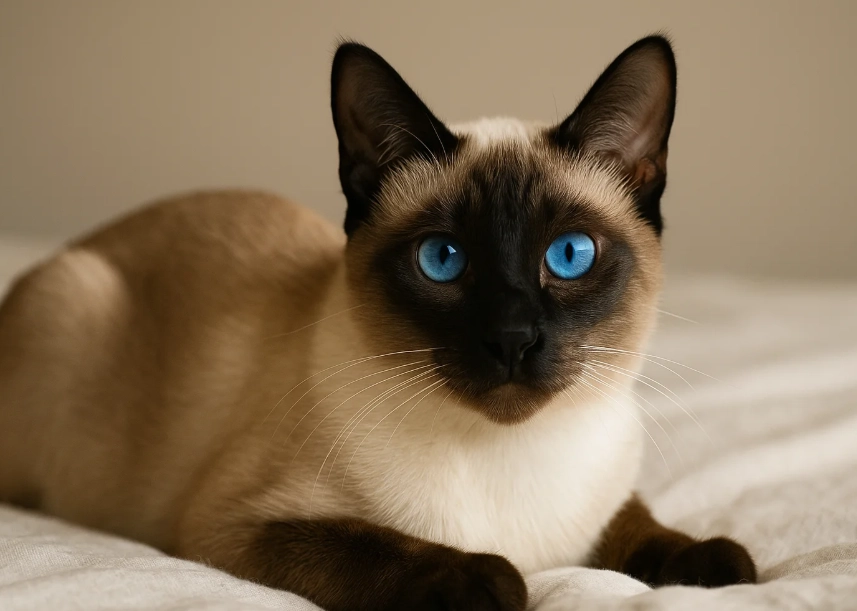
| Feature | Traditional / Applehead / Old-Style Siamese | Modern / Wedgehead / Show-Siamese |
|---|---|---|
| Body Type | Moderate, muscular, and substantial. More "cobby." | Extremely slender, tubular, and elongated with fine bones. |
| Head Shape | Rounded "apple" shape with a slight break at the whiskers. | Long, triangular wedge shape with perfectly straight lines from the nose to the tips of the ears. |
| Eyes | Blue, but slightly less almond-shaped, can appear rounder. | Vivid, deep blue, strikingly almond-shaped and slanted. |
| Personality | Often described as slightly more laid-back, though still very vocal and social. | Typically extremely active, demanding, and vocal—the classic "Siamese" personality turned up to eleven. |
| Seen In | Often found in backyard breeders, pet lines, and breeds like the Thai Cat (a formal breed aiming to preserve the old look). | The standard for most major cat associations like CFA and TICA for show rings. |
I have a soft spot for the traditional look—it reminds me of the classic Siamese cats from old movies. The modern look is undeniably elegant, like a living art deco sculpture, but some folks find it a bit too extreme. The International Cat Association (TICA) has resources that delve into the modern Siamese breed standard in minute detail if you're curious about the specifics judges look for.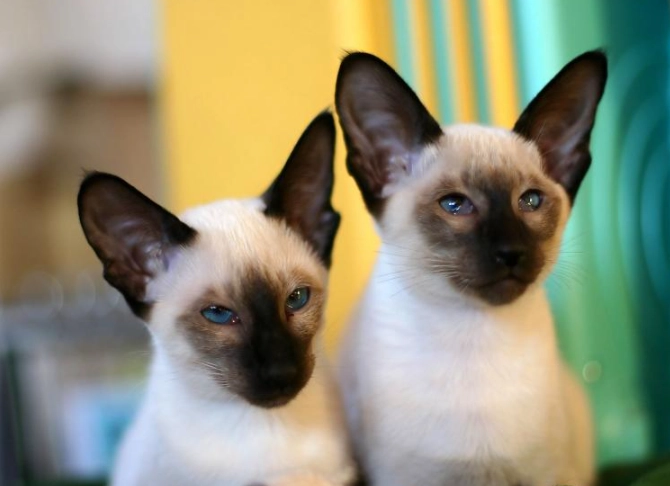
Living with a Furry Meteor: The Siamese Personality
You don't just get a cat; you get a supervisor, a commentator, and a personal assistant all in one. If you want a quiet, independent animal that ignores you, run. Now.
The Good, The Loud, and The Demanding
The Incredible Pros: They are fiercely loyal, often bonding deeply with one or two people. They are scarily intelligent—you can teach them tricks (fetch is a common one), they learn to open doors, and they understand routines. Their affection is profound; they want to be involved in everything you do, from reading the paper to taking a shower (seriously, expect an audience). The conversation is real. They have different meows for food, greetings, complaints, and observations.
The Challenging Cons: That intelligence needs stimulation, or they get bored and destructive. The vocalization isn't cute meowing; it's a loud, raspy, persistent yowl that can happen at any hour. They are prone to separation anxiety. Leaving them alone for long periods is cruel and will likely result in lamentations your neighbors can hear. They can be stubborn and manipulative. If they want your chicken dinner, they will devise a multi-step plan to get it.
My Leo figured out how to turn on the tap in the bathroom to get a fresh drink. Charming, until I got the water bill. You have to be prepared for a pet that demands mental engagement.
Keeping Your Siamese Healthy: It's Not Just About Looks
Those sleek lines come with some breed-specific health considerations. Responsible breeding is key to minimizing risks. Reputable breeders test for these genetic conditions.
- Progressive Retinal Atrophy (PRA): A genetic disease that causes gradual blindness. A DNA test is available, and no responsible breeder should use a cat carrying this gene.
- Amyloidosis: A disease where an abnormal protein (amyloid) is deposited in organs, particularly the liver in Siamese cats, leading to organ failure. It's a serious, often fatal condition with a genetic component.
- Dental Issues: They seem more prone to gingivitis and periodontal disease than some breeds. Regular teeth brushing (if you can manage it) and veterinary dental check-ups are a must.
- Respiratory Issues: Some lines, especially the ultra-modern ones with very wedge-shaped heads, can be prone to minor upper respiratory problems and dental crowding due to skull structure.
- Crossed Eyes & Kinked Tails: Once common, these are now considered faults in the show ring but are generally harmless to the cat's health.
Important: Always get a kitten from a breeder who provides health guarantees and proof of genetic testing for parents. The Cornell Feline Health Center is an invaluable, authoritative resource for understanding these and other feline health conditions. Bookmark it.
Daily Life with a Siamese: A Practical Care Guide
So you've decided you can handle the chatter. Here's what your life will actually look like.
Diet and Grooming (The Easy Parts)
Grooming is a breeze. Their short, fine coat lacks an undercoat, so a quick weekly brush with a rubber grooming mitt is enough to remove loose hair and distribute skin oils. They are fastidious self-cleaners.
Diet is critical. These are active, high-metabolism cats. They need high-quality, protein-rich food. Many Siamese cats are food-motivated and can become overweight if free-fed. Measured meals are better. Talk to your vet about the best plan. I found mine did best on a mix of wet and dry food—the wet food for hydration, the dry for dental health (though it's no substitute for brushing).
Environmental Enrichment (The Non-Negotiable Part)
This is the most important section. A bored Siamese is a nightmare. You need to build a habitat, not just provide a home.
- Vertical Space: Cat trees, tall scratching posts, wall shelves. They love to survey their kingdom from the highest point in the room.
- Interactive Toys: Puzzle feeders, treat-dispensing balls, feather wands. Rotate toys to keep them novel. Laser pointers are fun but always follow up with a physical toy they can "catch" to prevent frustration.
- Companionship: Seriously consider getting two, especially if you work outside the home. Two Siamese breed of cats will entertain each other, reducing separation anxiety and destructive behavior. They often do better with a feline friend.
- Training: Yes, train your cat. Clicker training works wonders. Teaching them simple commands like "sit," "high-five," or to come when called gives them mental stimulation and strengthens your bond.
I installed a bird feeder outside the window Leo favored. It provided hours of "cat TV" and was cheaper than replacing shredded curtains.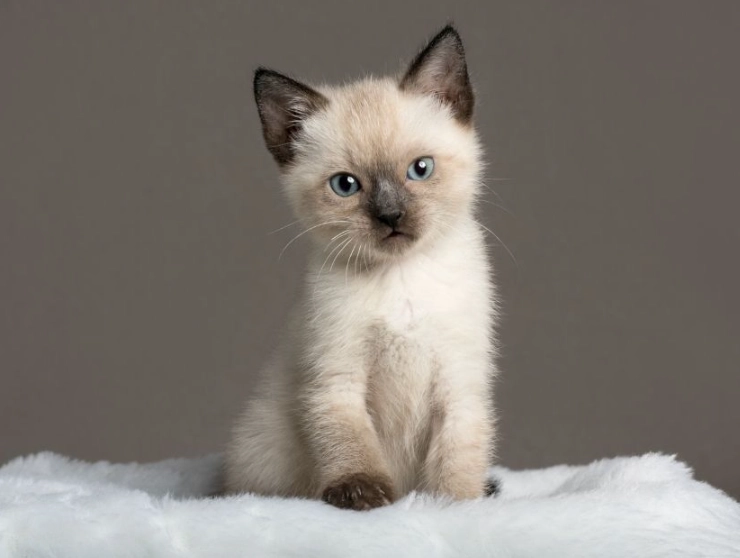
A word on the noise: The vocal trait in Siamese breed of cats is legendary. Sometimes it's endearing, sometimes it's at 3 AM because a leaf fell outside the window wrong. You learn to distinguish the "I'm hungry" yowl from the "I'm lonely" yowl from the "The world is unjust!" yowl. Earplugs can be a valid investment during the adjustment period.
Siamese vs. The Look-Alikes: How to Tell Them Apart
With their points and blue eyes, several breeds get confused with Siamese cats. Here's a quick cheat sheet.
Balinese: Essentially a long-haired Siamese. Same personality, same body type, just with a silky, medium-length coat. No undercoat, so minimal matting.
Oriental Shorthair: Think of them as the Siamese's colorful cousin. They have the exact same modern, sleek body and intense personality but come in over 300 color and pattern combinations without the classic color points.
Tonkinese: A cross between a Siamese and a Burmese. They have a slightly stockier build, aqua-colored eyes (usually), and a personality that's a touch less intense than a pure Siamese—often called the "best of both worlds."
Himalayan / Colorpoint Persian: A Persian with Siamese coloring. They have the flat face, long fur, and docile Persian temperament. The complete opposite in body and personality from a true Siamese.
Your Siamese Cat Questions, Answered
The Final Word: Is a Siamese Cat Right for You?
Look, the Siamese breed of cats isn't for everyone. They are high-maintenance in terms of attention and mental stimulation. If you want a quiet, low-key pet, admire them from afar in photos.
But if you want a relationship...
If you want a cat that greets you at the door, follows you around, argues with you about politics, and sleeps curled under your chin, then you might just be a Siamese person. They give back tenfold the love and energy you put in. They're comedians, companions, and confidantes. They're demanding, loud, sometimes infuriating, and utterly, completely captivating.
Do your homework. Find a reputable breeder who prioritizes health and temperament, or check breed-specific rescues—yes, even these sought-after cats sometimes need a second chance. Prepare your home. Stock up on toys. Maybe invest in some good earplugs for the first few weeks.
Then, get ready for your life to get a whole lot louder, a whole lot more interesting, and filled with more blue-eyed, pointed love than you ever thought possible. Just don't say I didn't warn you about the 5 AM operas.