If you've ever met a Siamese cat, you know they're not your average feline. Their piercing blue eyes and loud, persistent meows make them stand out. But there's so much more beneath the surface. I've lived with Siamese cats for over a decade, and let me tell you, their personality is a mix of charm, intelligence, and sheer stubbornness that can either drive you crazy or win your heart forever. This guide dives deep into what makes these cats tick, based on real experiences and expert insights, so you can understand and care for them better.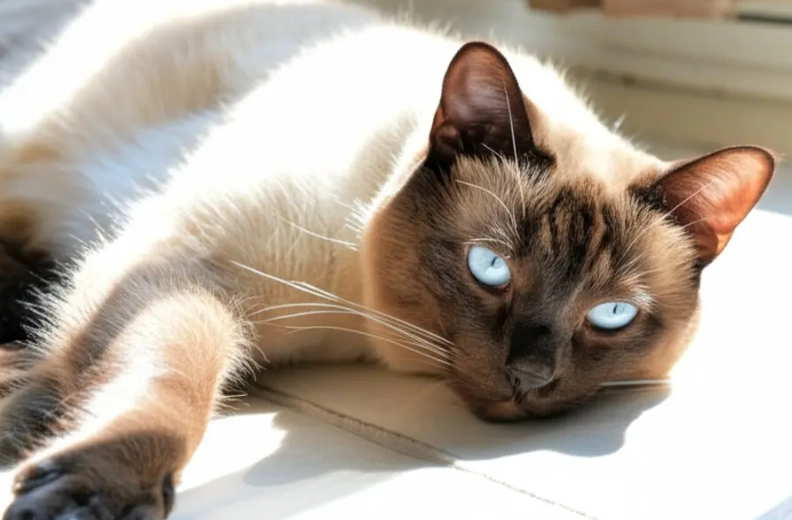
Quick Navigation: What's Inside
What Makes Siamese Cats So Unique?
Siamese cats have a reputation, and it's not just about their looks. Their personality is shaped by centuries of breeding in Thailand (formerly Siam), where they were revered as temple cats. This history gave them a social, vocal nature that's hard to ignore. Unlike some breeds that are aloof, Siamese cats crave interaction. They'll follow you around the house, chirp at birds outside, and even "talk" to you about their day. It's like having a furry roommate who's always up for a chat.
The Signature Voice: Not Just Noise
Their vocalization is legendary. But here's something most guides miss: it's not random noise. Siamese cats use different meows to communicate specific needs. A short, high-pitched meow might mean "I'm hungry," while a long, drawn-out one could signal boredom. I learned this the hard way with my cat, Luna. She'd meow incessantly at 5 AM until I realized she just wanted company, not food. Once I started spending quiet time with her in the mornings, the noise stopped. This breed's voice is a tool for connection, not annoyance—if you listen closely.
A Heart Full of Affection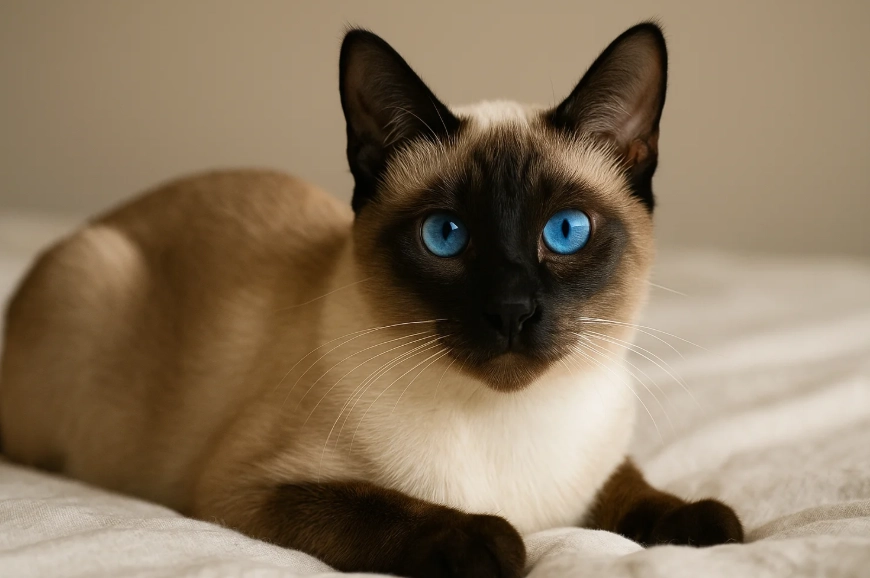
Siamese cats are often called "velcro cats" because they stick to their humans. They form deep bonds and can become anxious if left alone too long. This affection isn't just cuddling; it's about being involved in your life. They'll sit on your laptop while you work, sleep curled against your back, and greet you at the door. It's endearing, but it also means they need consistent attention. If you're someone who travels frequently or works long hours, a Siamese might not be the best fit unless you have a plan for companionship.
Understanding Siamese Cat Behavior Patterns
To live harmoniously with a Siamese cat, you need to decode their behavior. They're intelligent, playful, and sometimes downright mischievous. A study from the University of Edinburgh highlights that Siamese cats score high in problem-solving tasks compared to other breeds. This intelligence means they get bored easily. Without stimulation, they might resort to destructive habits like scratching furniture or knocking things off shelves.
Intelligence and Playfulness
These cats love puzzles. I used to hide treats in puzzle toys, and Luna would spend hours figuring them out. It's not just about physical play; mental stimulation is key. Interactive toys, training sessions (yes, you can teach them tricks like fetching), and even clicker training work wonders. One common mistake is assuming they'll entertain themselves. They won't. You need to engage them daily, or they'll find their own entertainment—usually at your expense.
Social Needs and Bonding
Siamese cats are social butterflies. They thrive in households with other pets or people. If you have a single-pet home, consider getting a second cat, preferably another social breed. I introduced a rescue cat to Luna, and their playful rivalry reduced her separation anxiety. But be warned: they can be territorial. Introduce new pets slowly, over weeks, to avoid conflicts. Their social nature also means they're great with kids, but teach children to respect the cat's space—Siamese cats don't tolerate rough handling.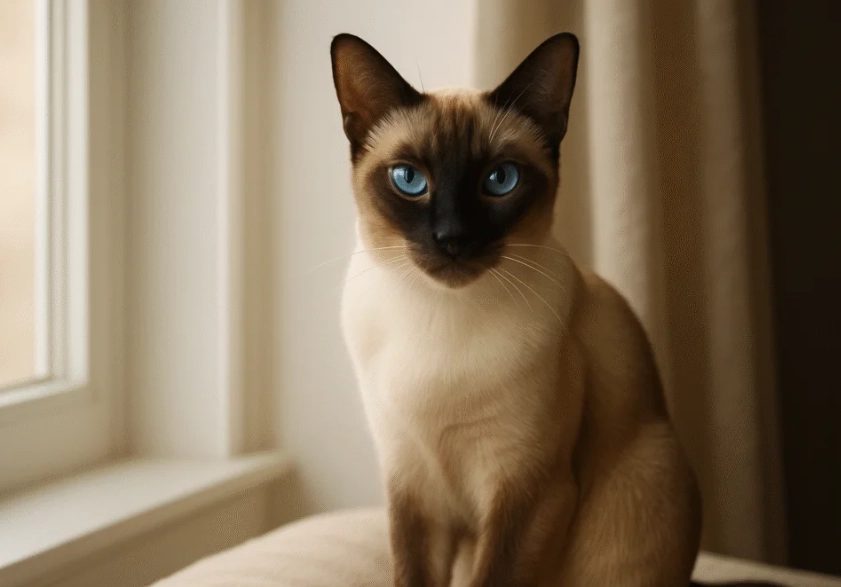
How to Care for a Siamese Cat's Personality
Caring for a Siamese cat goes beyond food and vet visits. It's about nurturing their emotional and mental well-being. Here's a practical table summarizing key care aspects based on their personality traits:
| Personality Trait | Care Need | Practical Tip |
|---|---|---|
| Vocal Nature | Reduce excessive meowing | Establish a routine for feeding and play; use puzzle feeders to keep them occupied. |
| High Intelligence | Prevent boredom | Rotate toys weekly; teach new tricks; set up a cat tree with hiding spots. |
| Social Affection | Avoid separation anxiety | Consider a pet camera for interaction; hire a pet sitter for long absences. |
| Playful Energy | Channel energy positively | Schedule two 15-minute play sessions daily; use wand toys for chasing. |
Now, let's dive deeper. Managing vocalization is a big one. Many owners complain about the noise, but silencing a Siamese cat is impossible—and unfair. Instead, focus on understanding the cause. Is it hunger, loneliness, or just habit? For Luna, incorporating more interactive play in the evening reduced her nighttime meowing. Also, avoid reinforcing the behavior by giving in to demands immediately; wait for quiet moments to reward.
Providing Mental Stimulation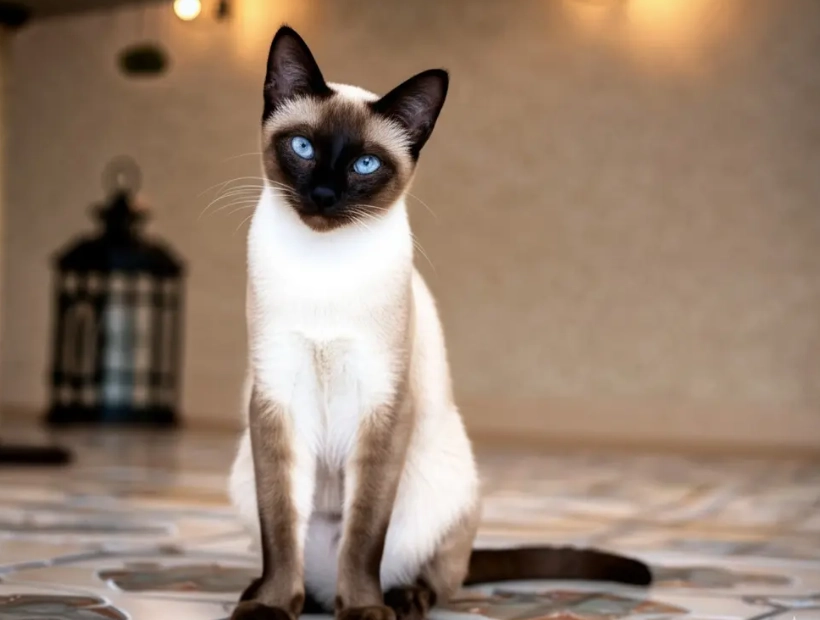
Mental stimulation isn't optional for Siamese cats. It's a necessity. I've seen cats develop anxiety disorders from lack of engagement. Simple things work: window perches for bird-watching, food-dispensing balls, or even DIY cardboard labyrinths. One expert tip from the International Cat Care organization is to use scent enrichment—like cat-safe herbs—to keep their curiosity piqued. Rotate these activities to prevent habituation.
Common Myths and Misconceptions
There's a lot of misinformation out there about Siamese cats. Let's bust some myths. First, the idea that they're "mean" or "aggressive." This usually stems from mismanaged energy or lack of socialization. A well-cared-for Siamese is affectionate, not aggressive. Second, that they're always loud. While vocal, they can be trained to moderate their meows with positive reinforcement. Finally, the myth that they're low-maintenance. Nothing could be further from the truth. They require time, attention, and a commitment to their emotional health.
I remember a friend who adopted a Siamese thinking it would be like her previous laid-back tabby. She was overwhelmed by the constant interaction needs. It took months of adjustment, but now they're inseparable. The key is setting realistic expectations from the start.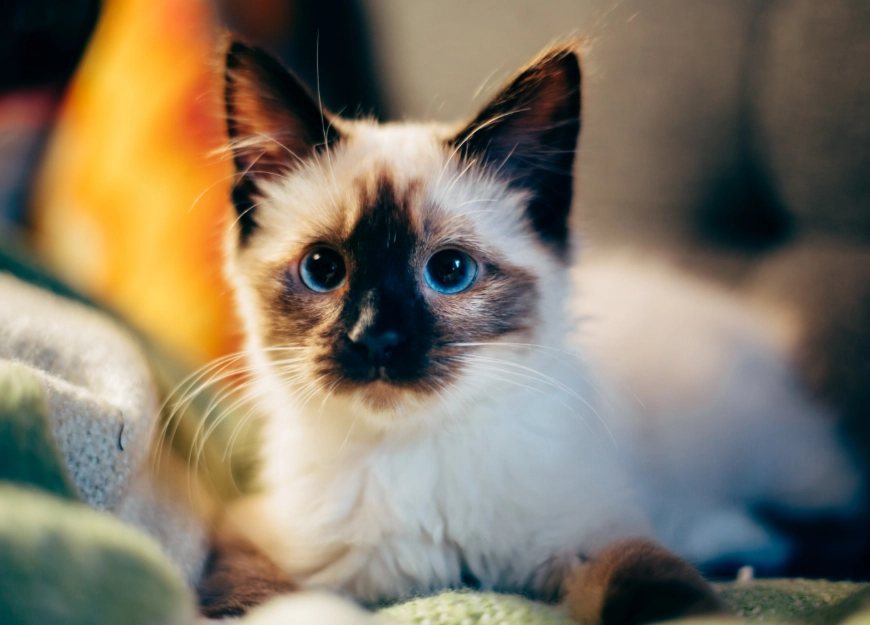
Siamese Cats in Different Households
Not every home is suited for a Siamese cat. Their personality shines in specific environments. Here's a breakdown:
- Families with young children: Generally good, but supervise interactions. Teach kids to be gentle, as Siamese cats can be sensitive to loud noises or sudden movements.
- Apartment dwellers: Possible with precautions. Ensure enough vertical space (cat trees), sound management, and daily play to burn energy. Neighbors might hear meows, so consider soundproofing measures.
- Multi-pet households: Excellent if introduced properly. Siamese cats often enjoy canine or feline companions, but avoid pairing with shy or aggressive pets.
- Busy professionals: Challenging. If you're away often, a Siamese may develop anxiety. Alternatives include adopting an older, calmer Siamese or ensuring a pet sitter visits daily.
From my experience, Siamese cats do best in homes where someone is around frequently. They're not the type to be left alone for 10 hours a day without consequences. If that's your lifestyle, consider a more independent breed or be prepared to invest in companionship solutions.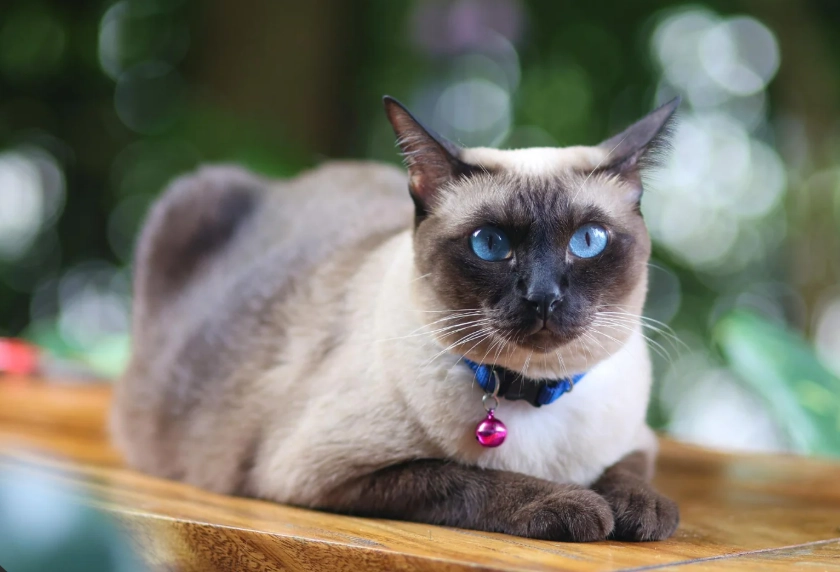
Your Siamese Cat Questions Answered
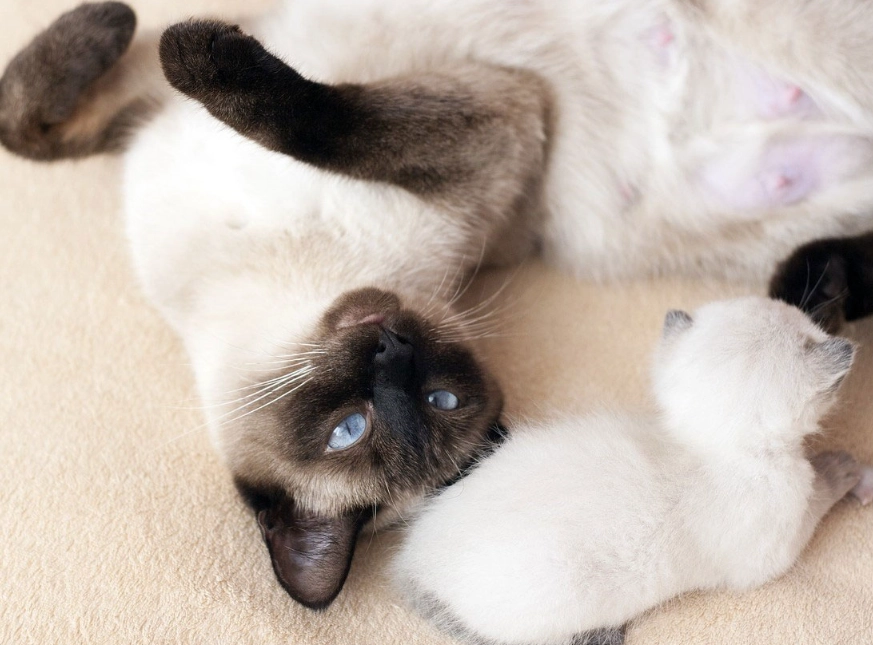 Understanding a Siamese cat's personality is a journey, not a destination. These cats offer unmatched loyalty and entertainment, but they demand engagement in return. If you're ready for a chatty, clever companion who'll keep you on your toes, a Siamese might be perfect. Just remember, it's not about changing them—it's about adapting your life to embrace their unique spirit. Start with small steps, be patient, and you'll build a bond that's truly special.