I remember the day I brought home my first American Shorthair kitten, Whiskers. She was a tiny ball of silver fur, curious and a bit skittish. Like many new owners, I thought I had it all figured out—food, litter box, toys. But within a week, I realized there were nuances I'd missed, things that aren't always in generic guides. That experience taught me that caring for an American Shorthair kitten isn't just about basics; it's about understanding their unique quirks and avoiding subtle mistakes that can impact their health and happiness.
Jump to What Matters
What Makes American Shorthair Kittens Unique?
American Shorthair kittens aren't your average cats. They're often described as "the all-American cat," but that undersells their charm. From my observations, they blend playfulness with a laid-back attitude that makes them great for families. But here's something most guides don't mention: their independence can be mistaken for aloofness. Unlike some breeds that demand constant attention, these kittens might wander off for solo adventures, then return for a cuddle on their terms.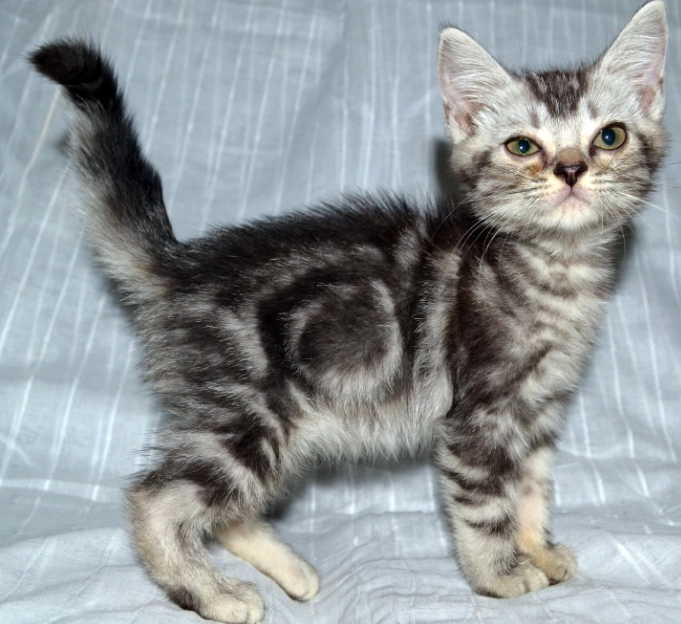
Their Playful Yet Adaptable Nature
These kittens love interactive toys—feather wands, laser pointers (used sparingly to avoid frustration), and puzzle feeders. I've seen owners make the mistake of overstimulating them; keep play sessions short, 10-15 minutes, to match their energy bursts. They adapt well to different environments, whether you live in an apartment or a house, but they do need vertical spaces like cat trees to satisfy their climbing instincts.
Socialization with Families
American Shorthairs are generally good with kids and other pets, but it's not automatic. Introduce them slowly. With Whiskers, I let her sniff my dog's blanket before they met face-to-face. A common error is forcing interactions; let the kitten initiate contact to build trust.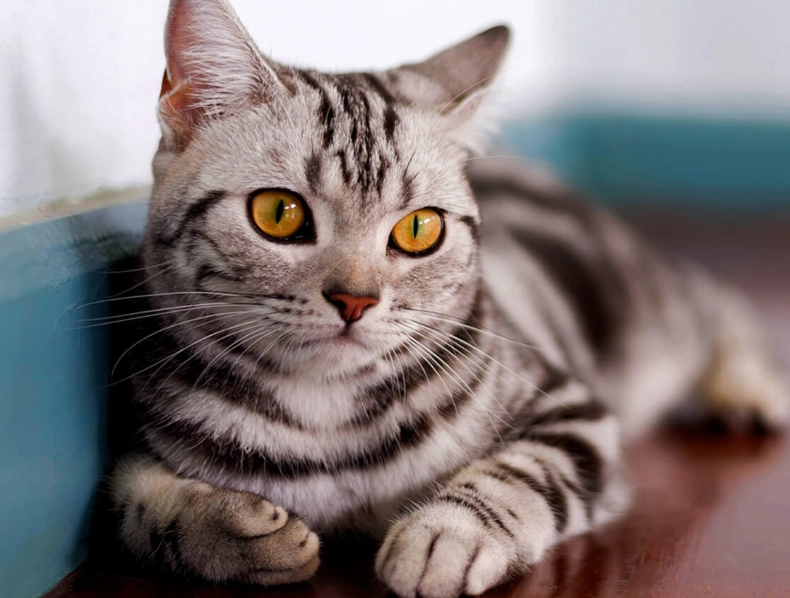
Your American Shorthair Kitten Care Checklist
Caring for an American Shorthair kitten involves more than just food and water. It's about setting up routines that prevent issues down the line. I learned this the hard way when Whiskers developed a mild weight issue because I free-fed her. Here's a breakdown based on vet recommendations and personal trial-and-error.
Feeding and Nutrition: Avoid the Obesity Trap
American Shorthairs are prone to weight gain, so portion control is crucial. Don't just guess—use a measuring cup. For kittens under 6 months, feed high-protein kitten food, split into 3-4 small meals daily. After 6 months, reduce to 2 meals. Here's a simple table to guide you:
| Age | Daily Food Amount | Meal Frequency | Notes |
|---|---|---|---|
| 2-6 months | 1/4 to 1/2 cup | 3-4 times | Use kitten-specific formula; avoid adult cat food |
| 6-12 months | 1/2 to 3/4 cup | 2 times | Transition to adult food gradually after 1 year |
Always provide fresh water. I made the mistake of using a plastic bowl; switch to stainless steel or ceramic to reduce bacteria and acne risks.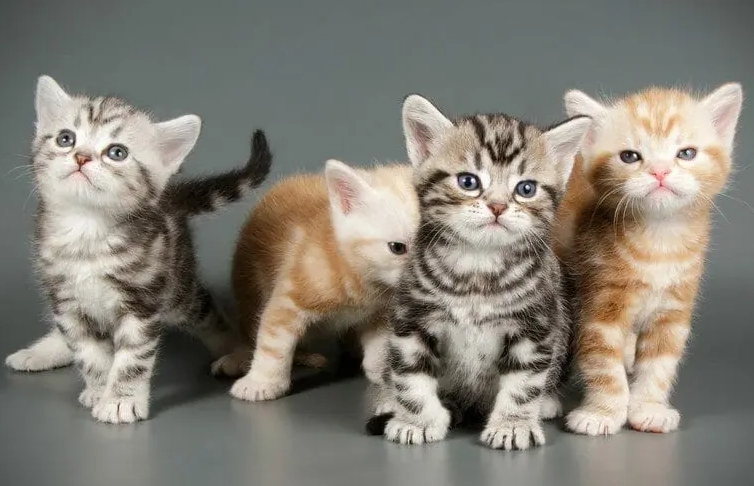
Grooming Needs: More Than Just Brushing
Their short coat is low-maintenance, but don't skip grooming. Brush weekly with a slicker brush to reduce shedding and prevent hairballs. During shedding seasons, do it twice a week. A tip many miss: check their ears and nails regularly. Trim nails every 2-3 weeks to avoid scratching furniture.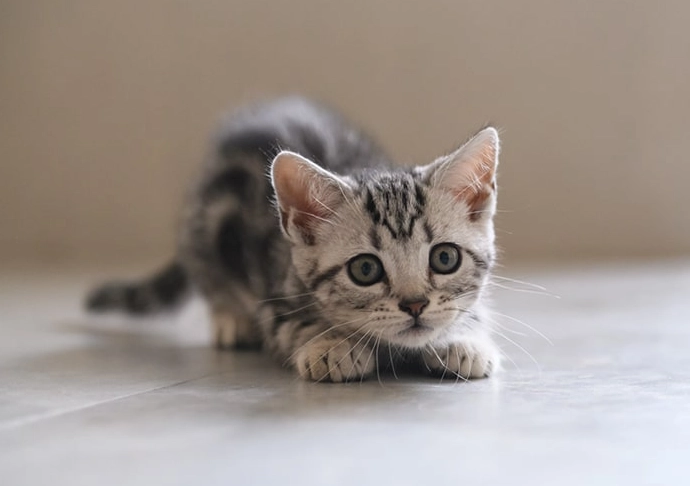
Litter Box Training and Setup
Most American Shorthair kittens pick up litter box use quickly, but placement matters. Avoid noisy areas like near washing machines. Use unscented, clumping litter—I tried scented ones, and Whiskers avoided them. Clean daily to encourage use.
Expert Insight: One subtle mistake I see is using a covered litter box for kittens. It can trap odors and make them hesitant. Start with an open box until they're comfortable, then transition if needed.
Keeping Your Kitten Healthy
Health is where many owners get anxious. American Shorthair kittens are generally robust, but they have predispositions to watch for. According to the Cat Fanciers' Association (CFA), they're a healthy breed, but regular vet visits are non-negotiable.
Common Health Issues to Monitor
Hypertrophic cardiomyopathy (a heart condition) and obesity are top concerns. Schedule vet check-ups at 8 weeks, 12 weeks, and 6 months. Vaccinations are key—don't skip them. I've heard owners delay boosters, thinking indoor cats are safe, but viruses can hitch a ride on clothes or shoes.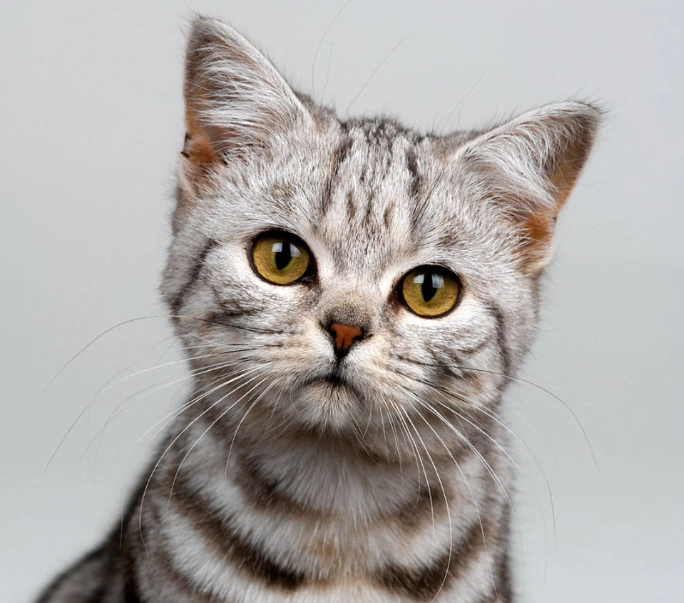
Vaccination Schedule: A Must-Follow Timeline
Core vaccines include FVRCP and rabies. Work with your vet to tailor it, but here's a typical timeline:
- 6-8 weeks: First FVRCP shot
- 10-12 weeks: Second FVRCP, consider FeLV if outdoor exposure
- 14-16 weeks: Third FVRCP, rabies vaccine
- 1 year: Boosters for all
Spaying or neutering is usually done around 5-6 months. Discuss with your vet—early spaying can prevent behavioral issues.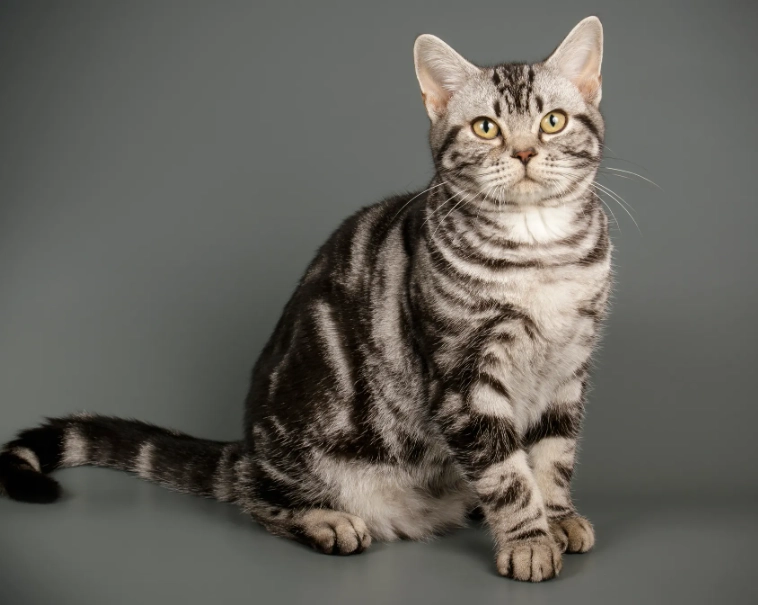
Socialization and Training Tips
Training an American Shorthair kitten isn't about tricks; it's about building good habits. They're intelligent but can be stubborn. Start early to avoid problems like scratching or biting.
Introducing to Other Pets
Go slow. For my dog, I used a baby gate for the first few days, letting them see each other without direct contact. Swap scents with blankets. A rushed introduction can lead to long-term stress.
Basic Commands and Behavior
Use positive reinforcement—treats and praise. Teach "no" for undesirable behaviors like chewing cords. Redirect scratching to a scratching post. Consistency is key; I slipped up a few times, and Whiskers took advantage.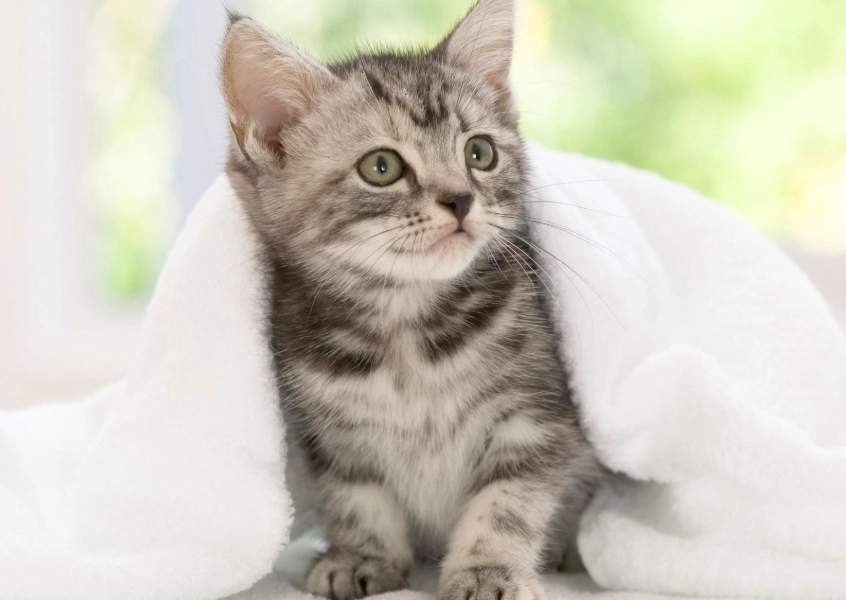
Frequently Asked Questions
Bringing home an American Shorthair kitten is a joy, but it comes with responsibilities. Focus on their unique needs—portion-controlled feeding, early socialization, and regular health checks. Don't just follow generic advice; observe your kitten and adapt. Whiskers taught me that every cat is an individual, and understanding that makes all the difference. If you're ever in doubt, consult a vet or reputable sources like the American Association of Feline Practitioners for guidance. Happy kitten parenting!