You see them in classic paintings, old farmhouse photos, and as the quintessential "house cat" in modern homes. The American Shorthair carries a reputation of being the sturdy, dependable, easy-going feline. But are they really as low-maintenance and family-friendly as the lore suggests? After sharing my home with one for over a decade and advising countless new pet owners, I can say the answer is a resounding "yes," but with crucial, often overlooked caveats. They're not a magical, zero-effort pet. Their suitability hinges on matching their specific, somewhat misunderstood, traits to your lifestyle.
What You’ll Discover in This Guide
- Why the Enduring Popularity?
- The Real American Shorthair Personality (Beyond "Friendly")
- A Realistic Care & Maintenance Breakdown
- Health: What "Generally Healthy" Really Means
- Is an American Shorthair Right for YOUR Home?
- Debunking 3 Common American Shorthair Myths
- Finding Your American Shorthair: Breeder vs. Rescue
- Your Questions, Answered (The Nitty-Gritty)
Why the Enduring Popularity?
This breed's history is literally American history. They came over on ships like the Mayflower as working mousers, valued for their physical strength and hunting prowess, not their looks. That utilitarian origin shaped everything about them. The Cat Fanciers' Association (CFA) notes they are one of the first five registered breeds. Their popularity isn't a fad; it's built on centuries of proven adaptability and companionship.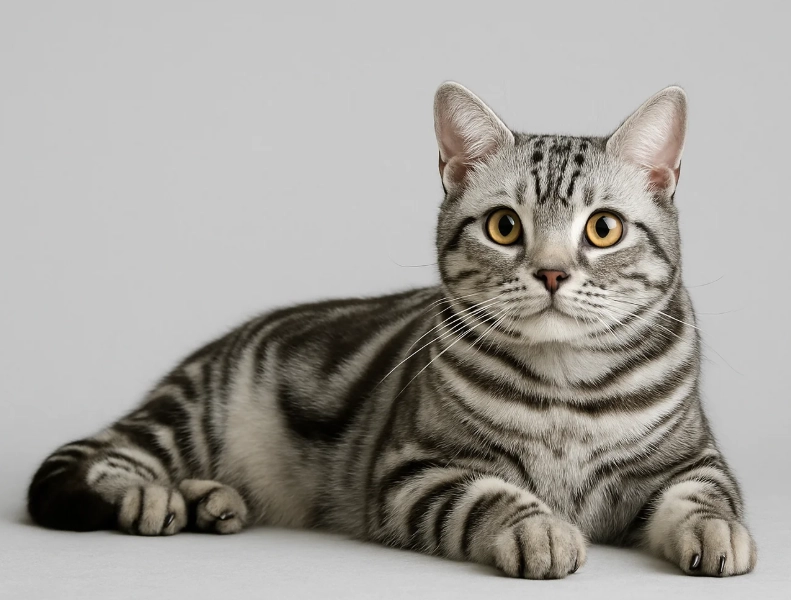
Think of them as the reliable sedan of the cat world—not the flashiest, but consistently good at the fundamentals. They have a balanced, athletic build (males 11-15 lbs, females 8-12 lbs is typical), a dense, plush coat that comes in over 80 color patterns (silver tabby is the poster child, but brown tabbies, solids, and bicolors are common), and round, expressive eyes. They look... like a cat. And for many people, that's the appeal.
The Real American Shorthair Personality (Beyond "Friendly")
Calling them "friendly" or "easygoing" is accurate but incomplete. It's like describing a good friend as "nice." True, but what's the substance?
Their temperament is best described as confidently moderate. They're not prone to the extreme shyness of some breeds, nor the demanding vocal theatrics of others. They like to be in the same room as you, often following you around, but might choose the chair across from the couch rather than your lap. When they do hop up for a cuddle, it's a solid, purring weight—a deliberate choice that feels earned.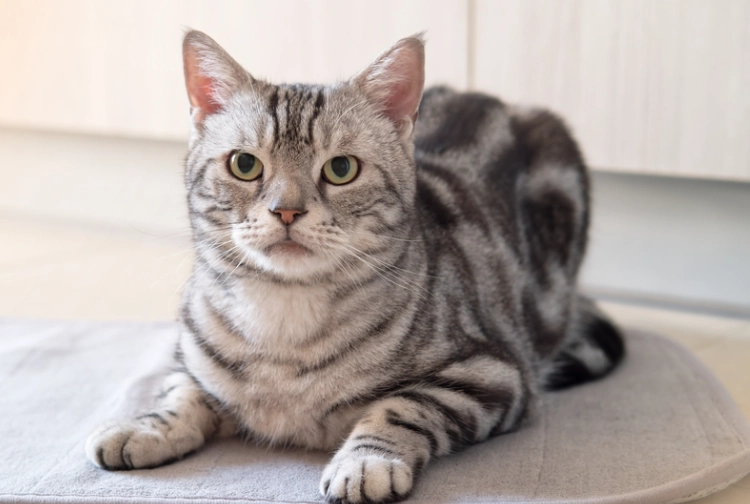
They're playful but not hyper. A 15-minute session with a feather wand or a crinkle ball a few times a day satisfies them. They're intelligent problem-solvers. I've watched mine figure out how to open lever-style door handles and strategically bat toys out from under furniture. This intelligence means they need mental stimulation. Puzzle feeders are a fantastic investment.
Here’s a quick comparison to illustrate their "middle-of-the-road" appeal:
| Trait | American Shorthair | Comparison Point |
|---|---|---|
| Activity Level | Moderate. Playful bursts, then long naps. | Less frantic than an Abyssinian, more active than a Persian. |
| Affection | Steady, on their terms. Not "clingy." | Less in-your-face than a Ragdoll, more present than a Russian Blue. |
| Vocalization | Quiet chirps and meows. Communicative, not loud. | Nowhere near a Siamese. More like polite commentary. |
| Adaptability | High. Handles change, new people, other pets well. | Their strongest suit. Better than most purebreds. |
A subtle point most miss: their hunting instinct is still strong. A bug on the wall or a leaf blowing outside can trigger intense focus. This isn't a negative, just a reminder of their heritage.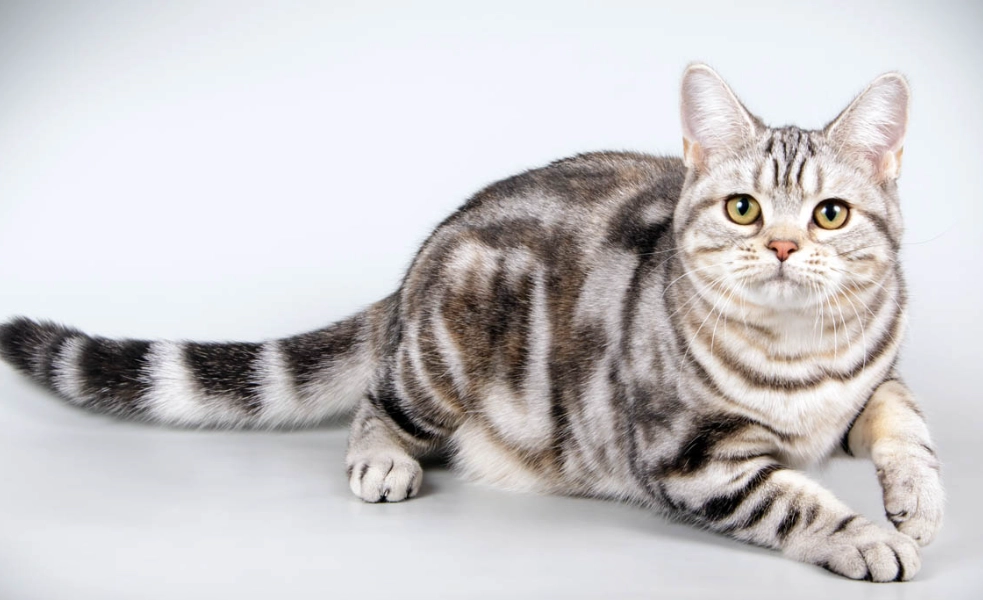
A Realistic Care & Maintenance Breakdown
This is where the "low maintenance" label needs unpacking. Compared to a long-haired Persian? Absolutely. But "low" doesn't mean "no."
Grooming: The Weekly Ritual
Their dense coat sheds, especially seasonally. A weekly brushing with a slicker brush or undercoat rake does wonders—it removes loose hair, distributes skin oils, and reduces hairballs. It's also a great bonding time. During spring and fall, you might need to brush every other day. Nail trimming every 2-3 weeks and ear checks are standard. Dental care is critical; introducing tooth brushing early is ideal, as they are prone to dental issues.
Exercise & Environment
They are not couch potatoes. They need vertical space. A tall, sturdy cat tree by a window is cat TV and a gym. They enjoy observing their domain from up high. Interactive play is non-negotiable for mental and physical health. Without it, a bored American Shorthair might turn to scratching furniture or finding "creative" ways to entertain itself.
Nutrition: The Portion Control Imperative
This is the biggest care mistake I see. These cats have efficient metabolisms and a hearty appetite, a legacy of their working past. Obesity is a massive, common risk. You must measure their food based on your vet's recommendation for their ideal weight, not their current weight. Free-feeding (leaving kibble out all day) is a direct path to an unhealthy cat. High-quality protein-rich food, fed in controlled portions twice a day, is the rule.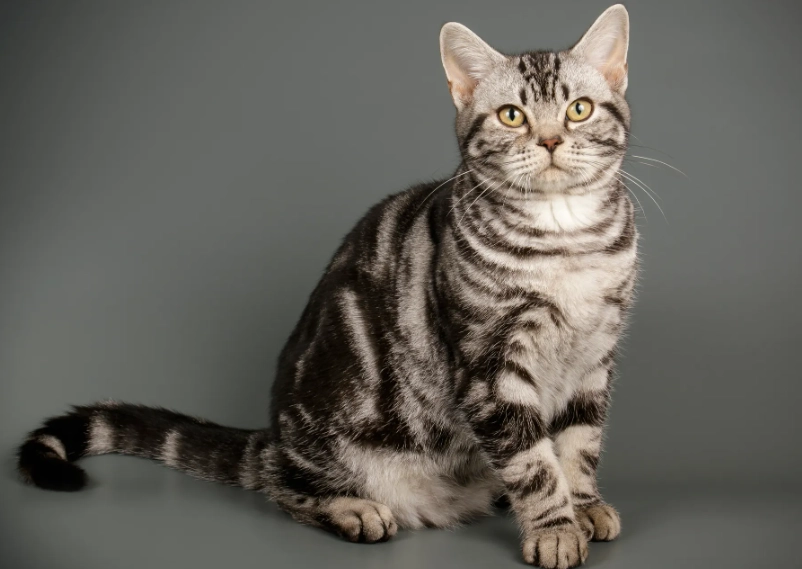
Health: What "Generally Healthy" Really Means
With a lifespan of 15-20 years, they are robust. But "generally healthy" isn't a guarantee. Reputable breeders screen for specific genetic conditions.
- Hypertrophic Cardiomyopathy (HCM): This is a thickening of the heart muscle and is the most significant genetic concern in the breed. A responsible breeder will have echocardiogram reports proving the parents are clear. Ask for this proof.
- Obesity-Related Issues: As mentioned, this is the number one owner-induced problem. It leads directly to diabetes, arthritis, and urinary tract diseases.
- Hip Dysplasia: Can occur in some lines, though less commonly than in dogs.
- Dental Disease: Prone to gingivitis and periodontitis. Annual dental check-ups are important.
The takeaway? Their health is excellent if you source from a breeder who does genetic screening and if you commit to lifelong weight management. Pet insurance for a young, healthy cat of this breed is a wise consideration.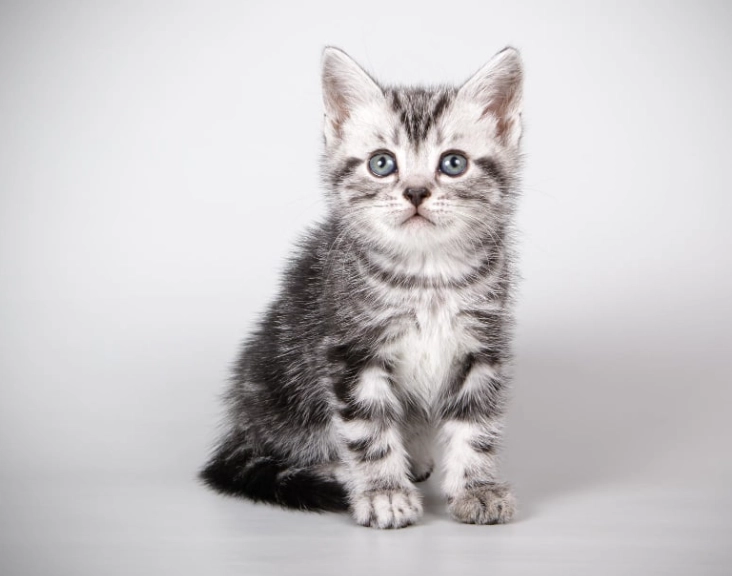
Is an American Shorthair Right for YOUR Home?
Let's match traits to lifestyles.
Great For:
- Families with Children: Their patient, sturdy nature can handle gentle, respectful kids. They teach children about reading animal body language.
- First-Time Cat Owners: Their adaptability and straightforward care make them a fantastic "starter cat." You'll learn cat ownership without extreme challenges.
- Apartment Dwellers: They are active but not destructively hyper. They adapt well to smaller spaces as long as they have vertical territory.
- Homes with Other Pets: Their confident demeanor often allows for peaceful introductions to cat-friendly dogs or other cats, especially if socialized young.
Think Twice If:
- You want a constant lap cat that demands cuddles 24/7. They show love differently.
- You have a very high-prey-drive dog (e.g., some terriers, hunting breeds). Their confidence might not be enough.
- You travel constantly and plan to leave them alone for multiple days regularly. They are social creatures.
- You are extremely neat and cannot tolerate any shed hair. They do shed.
Debunking 3 Common American Shorthair Myths
Myth 1: "They are 100% low-maintenance and independent."
False. They are lower-maintenance than some breeds. They still require daily interaction, play, and a consistent routine. Calling them "independent" can lead to neglect. They form deep bonds and notice your absence.
Myth 2: "They don't shed much."
Wishful thinking. That dense coat sheds. It's manageable with regular brushing, but you will find cat hair. If you're looking for a truly low-shedding cat, consider a Cornish Rex or Sphynx.
Myth 3: "Any cat with short hair is an American Shorthair."
This is a specific, purebred cat with a breed standard. The domestic shorthair (DSH) is the wonderful mixed-breed cat of unknown ancestry. Many shelter cats are DSHs that may share similar traits, but a pedigreed American Shorthair comes from documented lineage.
Finding Your American Shorthair: Breeder vs. Rescue
Reputable Breeder: Expect to pay $800-$1,500+. A good breeder will:
- Ask you as many questions as you ask them.
- Provide health clearances for parents (HCM, hips).
- Raise kittens in the home, not in cages.
- Have a contract covering health guarantees and requiring spay/neuter.
- Be registered with CFA or TICA.
Rescue/Shelter: American Shorthairs and their look-alikes do end up in shelters. Breed-specific rescues exist. This is a wonderful, cost-effective ($50-$200) option. The cat's history may be unknown, but its adult personality will be evident. You're giving a great cat a second chance.
My first cat was a shelter DSH who looked and acted the part. My current one is from a breeder. Both experiences were rewarding in different ways.
Your Questions, Answered (The Nitty-Gritty)
With young kids and a busy job, is an American Shorthair a manageable choice?
I've heard they are 'healthy,' but what specific issues should I budget for over their lifetime?
Are American Shorthairs truly good with other pets, like a resident dog or another cat?
What's one thing most guides won't tell me about living with an American Shorthair?
So, are American Shorthair cats good pets? For the vast majority of people looking for a balanced, affectionate, and adaptable feline companion, the answer is a qualified yes. They offer the classic cat experience with a bonus of predictability and sturdiness. Just go in with your eyes open: commit to portion control, engage their clever minds, and appreciate their understated, steady brand of companionship. You won't be getting a living stuffed animal, but you might just get a perfect family member.