Jump Straight to What You Need
If you own a Siamese cat, you already know they're not your average feline. That piercing meow at 3 AM, the shadow following you to the bathroom, the dramatic sprawl when you ignore them—it's all part of the package. I've lived with a Siamese named Luna for over a decade, and let me tell you, the internet advice often misses the mark. This guide cuts through the noise to explain Siamese cat behavior from the ground up, focusing on what actually works based on real experience, not just textbook facts.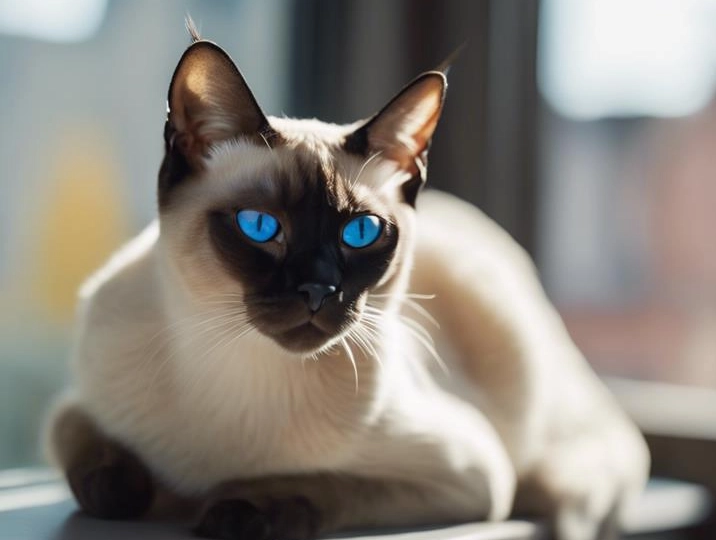
Why Are Siamese Cats So Vocal? It's Not Just Noise
Siamese cats are famously talkative, but it's more than random meowing. Their vocalizations are a direct form of communication. Unlike some breeds that meow occasionally, Siamese use their voice to express needs, emotions, and even opinions. I remember Luna would chirp when happy, yowl when bored, and emit a low grumble if I dared to work late. It's a trait bred into them for centuries—they were companions to royalty in Siam (modern Thailand), expected to interact.
The Science Behind That Voice
Research from sources like the International Cat Association notes that Siamese cats have a genetic predisposition for vocalization. Their larynx structure allows a wider range of sounds. But here's a nuance most guides skip: the pitch and frequency often indicate specific demands. A high-pitched, repetitive meow usually means "feed me now," while a drawn-out yowl might signal loneliness. Ignoring it can lead to escalation, but responding every time reinforces the behavior. It's a tightrope walk.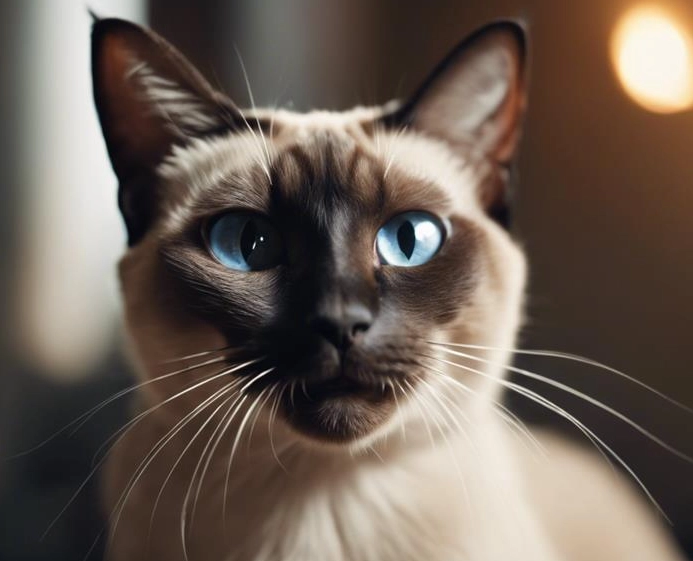
From my experience, the biggest mistake owners make is assuming all meows are equal. Luna once meowed for an hour because her water bowl was half-full—she prefers it brimming. Check the basics first: food, water, litter box cleanliness. Often, it's a simple fix.
Social Butterflies: Attachment and Demands
Siamese cats are social to the point of being clingy. They form strong bonds with their humans and can suffer from separation anxiety if left alone too long. This isn't just affection; it's a deep-seated need for interaction. They'll follow you around, demand lap time, and even try to "help" with tasks like typing on your laptop. I've lost count of how many emails Luna has sent by walking on the keyboard.
This behavior stems from their history as indoor companions. They thrive on mental stimulation and company. If you're away for hours, they might become destructive—scratching furniture or knocking things over. It's not malice; it's boredom mixed with anxiety. A common oversight is thinking another pet will solve this. Siamese can be jealous, so introducing a new animal without proper steps can backfire.
Common Siamese Cat Behaviors Decoded: What's Normal, What's Not
Let's break down specific behaviors you might encounter. This table compares typical Siamese traits with potential red flags.
| Behavior | Normal Siamese Trait | Potential Issue |
|---|---|---|
| Vocalization | Chatty meows for attention or communication | Excessive, distressed yowling (could indicate pain or stress) |
| Following Owners | Staying close, seeking interaction | Pacing, hiding, or aggression when alone (separation anxiety) |
| Playfulness | High energy, love for interactive toys | Destructive chewing or scratching (boredom or lack of enrichment) |
| Affection | Demanding cuddles, sitting on laps | Sudden avoidance or biting when petted (overstimulation or health problem) |
Notice that the line between normal and problematic is thin. For instance, Siamese are known for being demanding, but if your cat starts meowing non-stop without pause, it's worth a vet visit. I learned this the hard way when Luna's constant cries turned out to be a urinary tract infection. Many owners dismiss it as "just Siamese drama," but health issues can mimic behavioral quirks.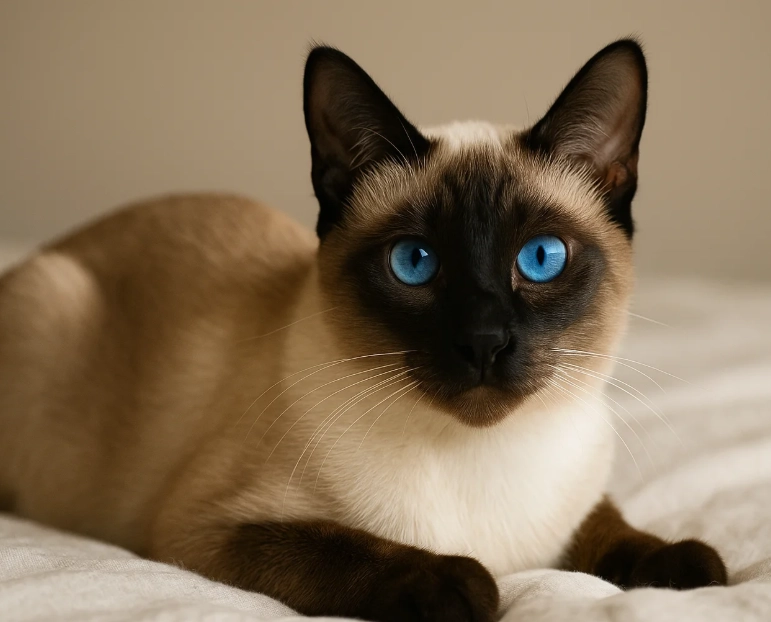
Practical Tips for Living with a Siamese Cat: Actionable Advice
Managing Siamese cat behavior isn't about suppression; it's about channeling their energy positively. Here are strategies that actually work, tested over years.
Training Techniques for Vocal Cats
You can't stop a Siamese from being vocal, but you can shape it. Instead of yelling back (trust me, they'll win), use positive reinforcement. When Luna meows calmly, I reward her with a treat or petting. For excessive nighttime meowing, I established a routine: play session before bed, then ignore any cries. It took two weeks of stubbornness on both sides, but she learned that quiet time means sleep time. The key is consistency—Siamese are smart and will test boundaries.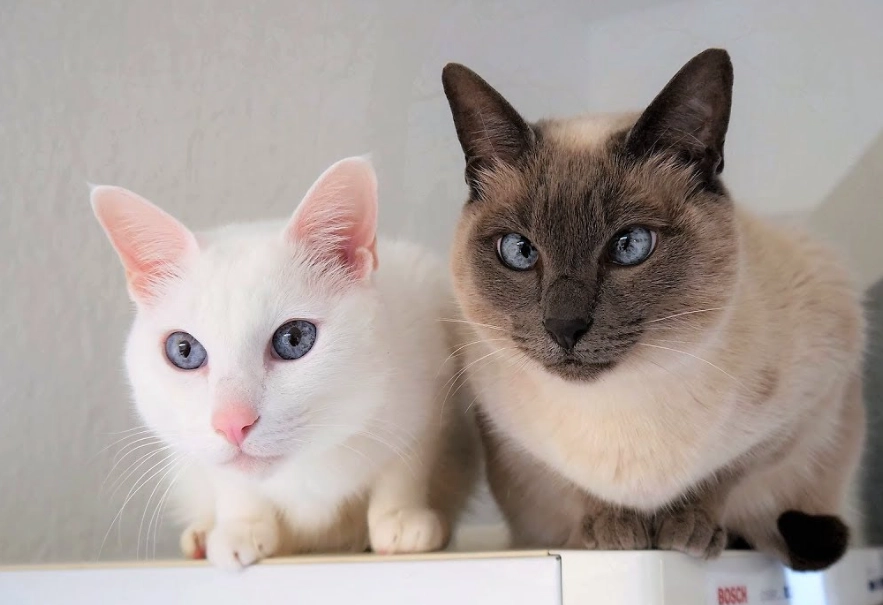
Enrichment Ideas to Keep Them Happy
Boredom is the enemy. Siamese need mental stimulation daily. Here's what works:
- Puzzle feeders: Make them work for food. Luna loves one that dispenses kibble when rolled.
- Interactive toys: Wand toys with feathers or lasers (used safely) for at least 20 minutes a day.
- Vertical space: Cat trees or shelves. Siamese love heights to observe their domain.
- Training tricks: Yes, they can learn sit, high-five, even fetch. It bonds you and tires them out.
I've seen owners make the mistake of buying toys and leaving them out. Rotate toys weekly to keep interest. Also, Siamese often enjoy "helping" with chores—let them "supervise" while you cook or clean. It satisfies their social itch.
When Behavior Signals Health or Stress: Don't Ignore the Signs
Sudden changes in behavior often point to underlying issues. Siamese are prone to certain health problems, like dental issues or respiratory conditions, that can affect mood. For example, if your usually affectionate cat starts hiding, it might be pain. Stress from moves, new pets, or loud noises can also trigger behaviors like over-grooming or litter box avoidance.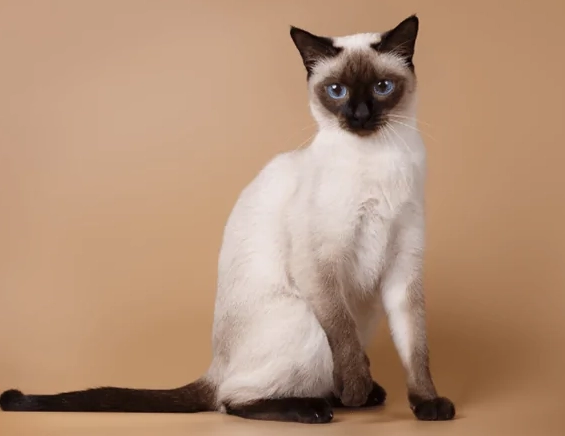
A report from the American Veterinary Medical Association highlights that behavioral changes are a common reason for vet visits. With Siamese, monitor for:
- Increased vocalization paired with lethargy
- Loss of appetite or changes in litter box habits
- Aggression when previously gentle
Early intervention is crucial. Luna once stopped playing for a week—turned out she had a mild toothache. A vet check ruled out serious issues and saved us both stress.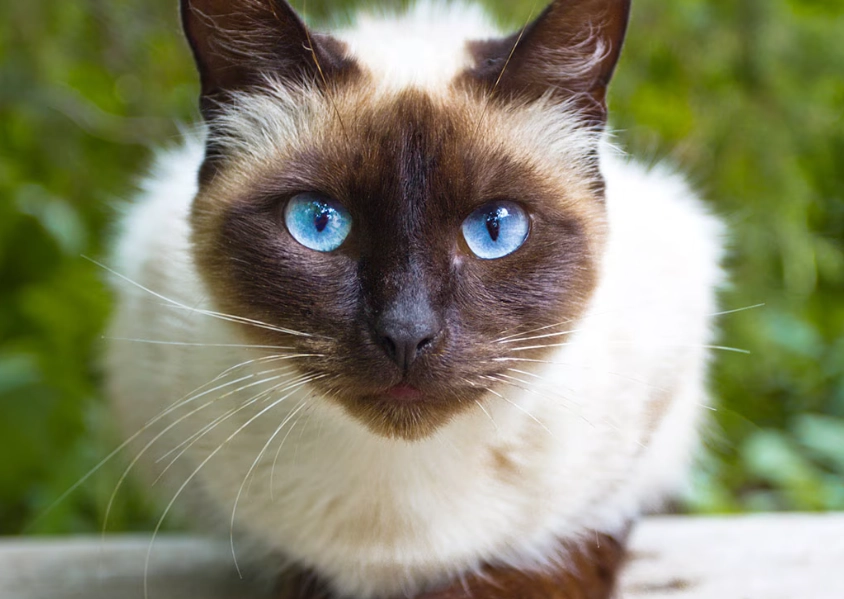
Your Burning Questions Answered: Siamese Cat Behavior FAQ
Understanding Siamese cat behavior is about embracing their uniqueness while setting clear boundaries. They're not for everyone—their demands can be intense—but for those willing to engage, they're incredibly rewarding companions. Remember, behavior is communication. Listen closely, respond thoughtfully, and you'll build a bond that goes beyond the typical cat-owner relationship. If you're struggling, don't hesitate to seek professional advice from sources like certified cat behaviorists or reputable veterinary websites. Your Siamese will thank you with fewer midnight serenades and more genuine purrs.