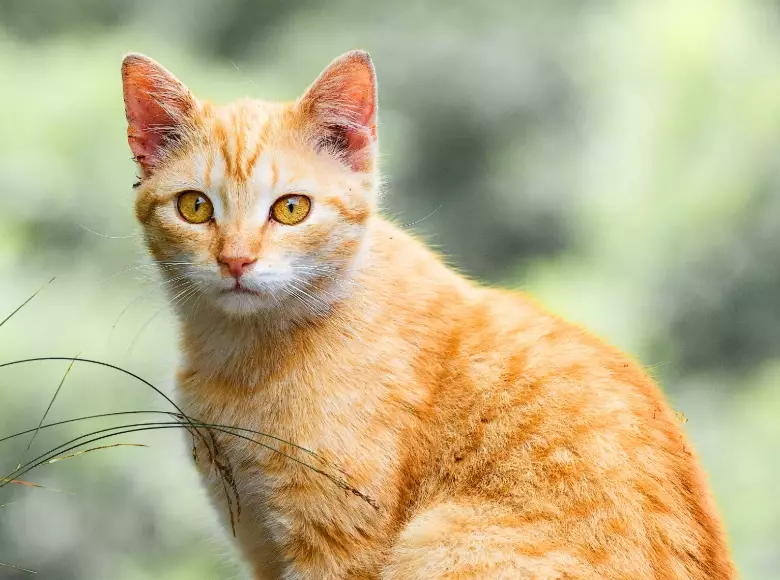
You see them in shelters, featured in memes, and curled up in sunny windows everywhere. The dark grey tabby cat is arguably one of the most iconic and recognizable feline looks on the planet. But here's the thing most people get wrong right off the bat: "tabby" isn't a breed. It's a coat pattern. That dark grey beauty sleeping on your lap could be a Maine Coon, a Domestic Shorthair, a British Shorthair, or any mix in between. The unifying factor is that stunning, wild-type pattern of stripes, swirls, or spots laid over a cool grey canvas. This misconception is where many potential owners trip up, focusing solely on the aesthetics without understanding the individual beneath the fur. Let's peel back the layers on what makes a dark grey tabby cat tick, from the genetics that paint their fur to the personality that defines them.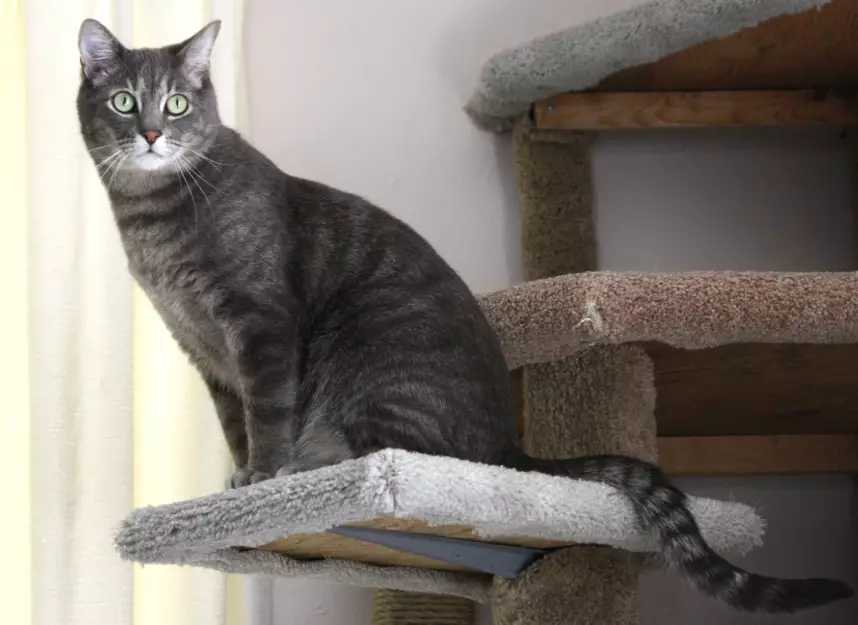
What's Inside?
The Genetics Behind the Stripes: It's Not Just Grey
First, a quick science lesson. All domestic cats carry the tabby gene. It's the default setting. The "solid" colors like pure black or white are actually the result of other genes masking the tabby pattern. The dark grey color, often called "blue" in cat fancy terms, comes from a dilution gene acting on black pigment. So, a dark grey tabby is a cat with both the dominant tabby pattern gene and the dilution gene.
The pattern itself isn't random. There are four classic tabby patterns, and your dark grey cat will sport one of them. Knowing which can be a fun party trick and helps you understand the terminology when talking to vets or other cat people.
| Pattern Name | Key Identifying Feature | What to Look For on a Dark Grey Cat |
|---|---|---|
| Mackerel | Narrow, parallel stripes running vertically down the sides. | Looks like a tiger. The most common pattern. The stripes on a dark grey mackerel tabby are a deep charcoal against a lighter grey background. |
| Classic (or Blotched) | Bold, swirling patterns resembling a marble cake. | Large, circular swirls on the sides, often with a distinctive "bullseye" or butterfly shape. The contrast can be stunning in dark grey. |
| Spotted | Distinct spots of various sizes scattered over the body. | Not just broken mackerel stripes—true, round or oval spots. On a dark grey coat, these spots look like splashes of charcoal. |
| Ticked | No distinct stripes or spots on the body; each hair is banded (agouti). | The body appears a solid, speckled grey from a distance. Look closely at the fur, and you'll see alternating light and dark bands on individual hairs. The face and legs may still show faint stripes. |
I once fostered a litter where three kittens were dark grey tabbies, each with a different pattern. The mackerel one was the most athletic, constantly scaling the couch. The classic tabby was the chunkiest and most laid-back. The spotted one had this wild, ocelt-like energy. Coincidence? Probably. But it makes you wonder.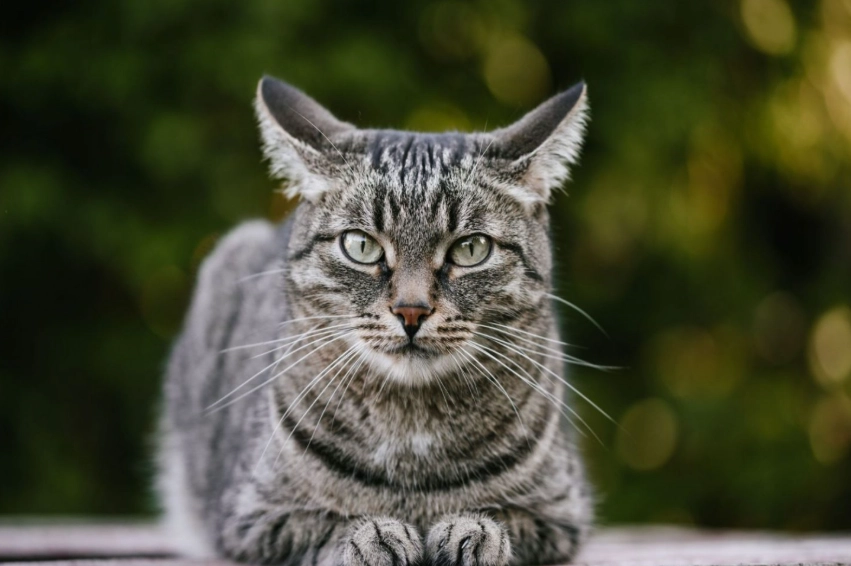
The Dark Grey Tabby Personality Profile
Now, the million-dollar question: does the dark grey tabby coat come with a specific personality? The short answer is no. A cat's temperament is shaped by a cocktail of breed (or breed mix), early socialization, individual genetics, and life experiences. However, because the tabby pattern is so common in robust, mixed-breed "moggy" populations, many tabbies share traits commonly associated with healthy, well-adapted domestic cats.
Think of the average dark grey tabby as the quintessential "good cat." They're often described as:
- Affectionate but not clingy: They'll follow you from room to room and claim your lap in the evening, but they're also content doing their own thing. They enjoy companionship on their own terms.
- Intelligent and playful: That wild-type pattern hints at their ancestral hunting instincts. They tend to be curious problem-solvers who enjoy puzzle feeders, interactive wand toys, and learning simple tricks (like "sit" for a treat). A bored tabby is a tabby planning mischief.
- Adaptable: Having evolved as a successful survivor, the typical Domestic Shorthair tabby often adjusts well to different living situations, whether it's a quiet apartment or a busy family home, provided their basic needs are met.
If your dark grey tabby is a specific breed, like a Russian Blue mix (which often presents as a solid grey but can show faint tabby markings, especially as kittens) or a grey tabby Maine Coon, those breed-specific traits will be the dominant force. The Maine Coon's gentle giant demeanor or the Russian Blue's reserved shyness will overshadow any "generic tabby" traits.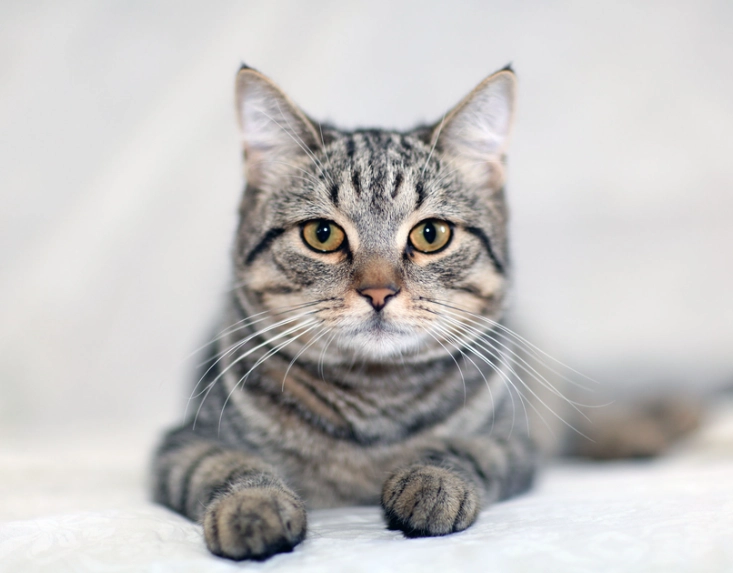
Caring for Your Dark Grey Companion: A Deep Dive
Caring for a dark grey tabby isn't about the color, but about meeting the needs of a cat with that specific coat type and likely mixed-breed heritage. Let's get practical.
Grooming: Managing the Shedding
Here's a universal truth: grey fur shows up on everything. Black pants, beige sofa, dark hardwood floors—it doesn't matter. The fur will find a way. A consistent grooming routine is non-negotiable, not for vanity, but for their health and your sanity.
- Short-haired dark grey tabbies: Brush 2-3 times a week with a rubber grooming brush or a fine-toothed metal comb. This removes loose undercoat and distributes skin oils. During shedding seasons (spring and fall), you might need to do this daily.
- Long-haired dark grey tabbies: Daily brushing is essential to prevent painful mats and tangles, which can hide against the skin under that beautiful grey fluff. A slicker brush and a wide-toothed comb are your best friends.
The goal isn't to stop shedding—that's impossible—but to control it. A five-minute brush session is far better than vacuuming three times a day.
Nutrition and Enrichment: Fueling a Sharp Mind
Feed a high-quality, protein-rich diet appropriate for their age and activity level. Because tabbies are often active and clever, I strongly recommend incorporating enrichment into feeding.
Ditch the food bowl a few times a week. Use a puzzle feeder, hide kibble in a cardboard egg carton, or scatter it on a clean floor mat. This engages their natural foraging instincts and prevents boredom-related issues like over-grooming or pestering you at 5 AM.
Environmental enrichment is critical. Provide vertical space (cat trees, shelves), scratching posts (both horizontal and vertical), and rotate toys to keep things interesting. A dark grey tabby with nothing to do will invent its own fun, and you might not like the results.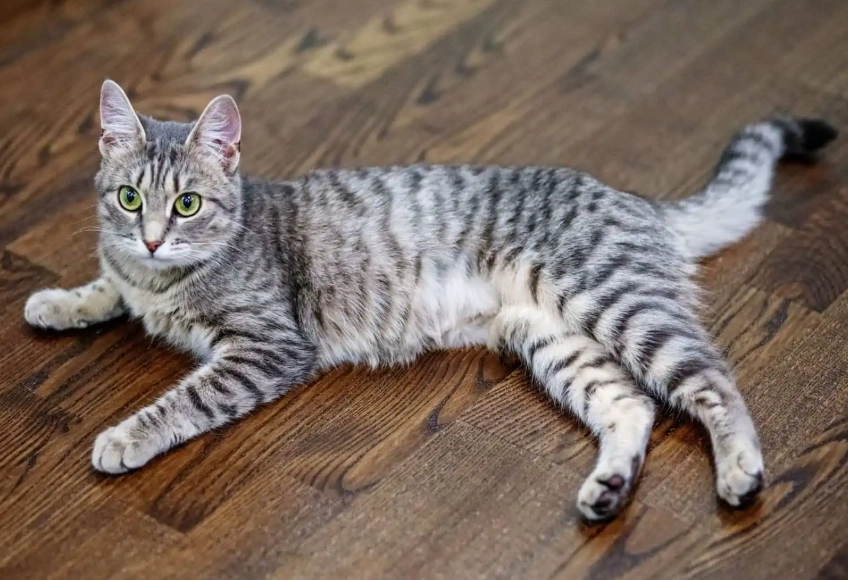
Health Considerations: Breed Matters More Than Color
Again, the dark grey color itself isn't linked to specific health problems. The risks are tied to the breed. A mixed-breed dark grey tabby often benefits from "hybrid vigor" and can be remarkably robust with a lifespan of 15-20 years.
However, you should be aware of conditions common in the feline population that any cat, including your grey tabby, could face:
- Dental Disease: Over 70% of cats show signs of dental issues by age 3. Annual vet checks and dental care (brushing, dental treats) are crucial.
- Obesity: The comfortable, adaptable tabby can become a couch potato. Monitor their weight and body condition score.
- Kidney Disease: Common in older cats. Ensure they stay hydrated; consider a water fountain to encourage drinking.
- Hyperthyroidism: Another senior cat concern, causing weight loss despite increased appetite.
The single most important thing you can do is establish a relationship with a good veterinarian and stick to a schedule of annual (or biannual for seniors) check-ups. Preventive care is cheaper and kinder than emergency care.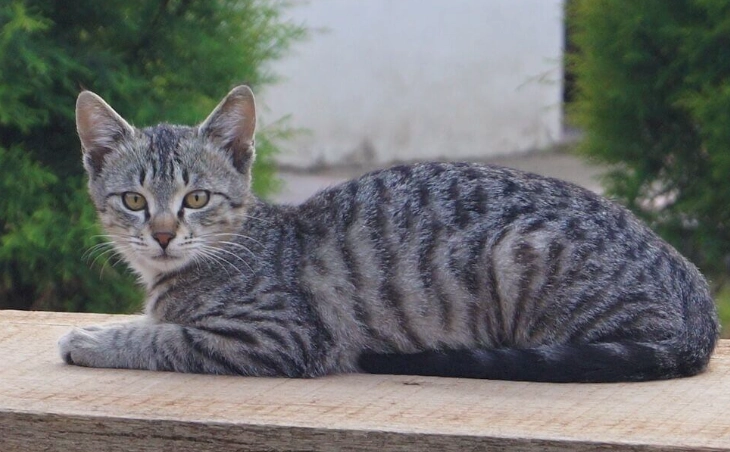
Your Questions, Answered (By Someone Who's Been There)
 I want to adopt a dark grey tabby kitten. What's one thing most first-time owners overlook during the selection process?